
This guide covers everything about The Psychology of Luxury Jewelry 2026: Why We Buy What We Wear. Luxury jewelry in 2026 is far more than mere adornment. it works as a profound reflection of our emotional needs, evolving identities, and deepening ethical considerations. This in-depth exploration digs into the intricate reasons behind our choices in personal adornment and examines their real effect on our lives.
Last updated: April 18, 2026
Latest Update (April 2026)
As of April 2026, the luxury jewelry market continues to be shaped by evolving consumer psychology. Recent reports highlight a growing emphasis on personalization and ethical sourcing. Social Life Magazine’s coverage of trends like the ‘Rich Girl Aesthetic’ in November 2025, for instance, points to a sophisticated blend of status signaling and personal narrative, suggesting that luxury jewelry is increasingly viewed as a medium for communicating aspirational lifestyles and personal values. and, insights from publications like Luxury Daily highlight the necessity for luxury brands to adopt distinct training approaches, indicating a maturing market that demands authenticity and deep understanding of its clientele’s motivations. This shift suggests that brands focusing solely on material value are likely to be outperformed by those that connect with consumers on an emotional and ethical level, aligning with the enduring ‘Quiet Luxury’ movement.
The Dopamine Dressing Phenomenon
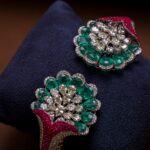
The ‘Dopamine Dressing’ phenomenon has influenced jewelry choices in 2026, with consumers actively selecting pieces that are intended to boost mood and evoke positive emotions. This trend extends beyond mere aesthetics, focusing on the psychological impact of color, texture, and luminescence. Vibrant gemstones, such as the richly hued citrines, are especially sought after. Studies from respected institutions like Stanford University suggest that engaging with these visually stimulating stones, through both sight and touch, can indeed enhance mood and provide a sense of emotional empowerment. The tactile pleasure derived from fine gold, its weight and smooth finish, is also reported to trigger a release of dopamine, contributing to an overall feeling of well-being and confidence. This psychological connection transforms jewelry from a simple accessory into a tool for emotional regulation and personal happiness.
Jewelry: Status or Self-Expression?
In 2026, the perception of luxury jewelry is undergoing a significant transformation, moving away from overt displays of wealth towards more nuanced forms of self-expression. The prevailing trend is ‘Quiet Luxury,’ characterized by understated, often bespoke, designs that speak volumes through their craftsmanship and personal significance rather than their ostentatious display. Gone are the days when large, flashy pieces were the sole indicators of affluence. Today, the focus is on subtle yet impactful items, such as custom signet rings or uniquely designed pendants — that communicate an internal sense of satisfaction and refined taste. As noted in industry analyses, luxury jewelry now functions as a private dialogue between the wearer and the piece, enhancing personal identity and individuality rather than serving as a public declaration of status. This shift reflects a deeper cultural move towards authenticity and personal narrative in how we present ourselves.
The concept of ‘We buy what we wanna be,’ as explored in academic research, is highly relevant here. Consumer perceived value in the luxury sector is increasingly driven by brand identity that resonates with aspirational self-images. In 2026, luxury jewelry brands that successfully cultivate an identity linked to personal growth, unique craftsmanship, and authentic self-expression are likely to capture a larger market share. As reported by Frontiers, this psychological alignment is key, allowing consumers to feel that their purchase reflects not just their current status, but their desired future self.
Jewelry as Your Modern Talisman
In the unpredictable currents of 2026, jewelry is increasingly embraced as a modern talisman, offering a sense of protection, comfort, and psychological grounding. The enduring appeal of protective motifs, such as the evil eye, hamsa hands, and meaningful medallions, is on the rise. These symbols provide a tangible anchor in times of uncertainty, offering psychological peace and a feeling of security. Consumer Psychology Reports indicate that the physical properties of certain jewelry materials also contribute to this sense of permanence and safety. The substantial weight of precious metals like platinum, for instance, can create a grounding sensation, reinforcing a feeling of stability and resilience for the wearer. This psychological anchoring is a powerful driver for choosing specific pieces that resonate with personal needs for protection and comfort.
How the Heirloom Effect Connects Generations
The concept of the heirloom effect in 2026 continues to hold profound significance, with luxury jewelry serving as a potent symbol of legacy, continuity, and enduring connection across generations. A high-end piece of jewelry transcends its status as a mere purchase. it becomes a lasting legacy, imbued with the stories and emotions of its lineage. The act of passing down a ring, a necklace, or a bracelet to a child or grandchild extends personal history, creating a tangible thread of emotional continuity that binds families together. Experts in social psychology and material culture argue that these heirlooms are among the most potent artifacts of human longevity, representing a physical manifestation of enduring familial bonds and shared memories that can withstand the passage of time.
This enduring value is recognized in the market. Social Life Magazine, in its November 2025 coverage, touched upon the enduring charm of pieces like charm bracelets, which, while seemingly modern, often become repositories for memories and milestones, acting as nascent heirlooms. The ability of jewelry to encapsulate personal history makes it a unique vehicle for intergenerational connection, solidifying its role beyond simple adornment.
Conscious Consumption and Ethical Jewelry
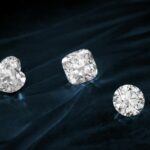
In 2026, the demand for ethically produced jewelry isn’t merely a trend but a fundamental aspect of conscientious consumption. Consumers are increasingly driven by a desire to align their purchases with their values, seeking pieces that satisfy a sense of moral pride. According to the complete Ethical Consumer Guide, materials like lab-grown diamonds and recycled gold are experiencing a surge in popularity. This preference stems from a desire to alleviate the ethical concerns associated with traditional mining practices, such as environmental degradation and exploitative labor conditions. By choosing these alternatives, wearers can experience substantial ‘Moral Pride,’ knowing their adornment contributes positively, or at least neutrally, to the world. This conscious choice transforms the act of purchasing and wearing jewelry into a statement of personal ethics and responsibility.
Market Trends: Motivations for 2026 Purchases
The motivations behind purchasing luxury jewelry in 2026 are complex, driven by a complex interplay of psychological triggers and market influences. Understanding these drivers is key for both consumers and brands.
| Motivation | Psychological Trigger | Popular Piece in 2026 |
|---|---|---|
| Self-Reward | Achievement & Pride | Tennis Bracelet |
| Commemoration | Love & Connection | Custom Anniversary Band |
| Security | Asset Preservation | 24K Gold Bullion Jewelry |
| Expression | Identity & Creativity | Mixed-Metal Sculptural Rings |
| Ethical Alignment | Moral Pride & Values | Recycled Gold Earrings |
| Nostalgia | Comfort & Memory | Vintage-Inspired Brooches |
The trend of ‘Quiet Luxury,’ as mentioned, feeds into the motivation for personal expression and identity — where subtle yet significant pieces communicate individuality. The ‘Rich Girl Aesthetic,’ while seemingly about status, is also deeply rooted in aspirational self-image and the desire for pieces that reflect a curated lifestyle, aligning with the Expression and Self-Reward motivations.
Frequently Asked Questions
what’s ‘Quiet Luxury’ in jewelry?
‘Quiet Luxury’ refers to a design philosophy in jewelry that emphasizes subtle elegance, exceptional craftsmanship, and personal meaning over overt branding or ostentatious displays of wealth. These pieces are often bespoke or limited edition, focusing on intrinsic quality and understated design to communicate sophistication and discerning taste.
Why are gemstones like Citrines popular in 2026?
Gemstones like citrines are popular in 2026 due to their association with mood enhancement and positive energy, aligning with the ‘Dopamine Dressing’ trend. Consumer studies and psychological research suggest that vibrant colors and the tactile experience of natural gemstones can positively influence mood and well-being.
How does heirloom jewelry impact family generations?
Heirloom jewelry acts as a powerful tangible link between generations, symbolizing continuity, shared history, and enduring familial bonds. These pieces carry emotional weight, preserving memories and connecting individuals to their ancestors and descendants, thereby reinforcing family identity and legacy.
What materials and symbols offer psychological protection in jewelry?
Materials like platinum and gold are often chosen for their perceived permanence and intrinsic value, offering a sense of security and stability. Symbols such as the evil eye, hamsa, or religious medallions are frequently incorporated into jewelry designs to provide psychological comfort and a feeling of protection against negative influences.
Why is choosing ethical jewelry important for consumers in 2026?
Choosing ethical jewelry in 2026 is important because it allows consumers to align their purchasing decisions with their personal values regarding social responsibility and environmental sustainability. Opting for lab-grown diamonds or recycled precious metals alleviates concerns about unethical sourcing, conflicts, and environmental damage, providing wearers with moral satisfaction and pride.
Conclusion
Luxury jewelry in 2026 is a sophisticated interplay of aesthetics, psychology, and ethics. It works as a powerful tool for emotional expression, personal affirmation, and intergenerational connection. Beyond mere material value, these pieces navigate our emotional landscapes, offering beauty, comfort, and psychological support in an increasingly complex world. deep-seated psychological drivers behind our choices allows us to appreciate luxury jewelry not just for its adornment, but for its profound impact on our sense of self and our connection to others.
At wiltonjewellers.com, we deeply understand this intimate bond between individuals and their cherished adornments. Our creations are meticulously designed to resonate with your personal journey, celebrating your milestones and values. Explore our collection and find a piece that speaks to your unique story.
Source: Nature
Related Articles
- Top Reasons to Choose a Diamond Bracelet in 2026
- Gold Chain Bracelet: A Timeless Statement of Style &. Value in 2026
- The Allure of June: Why Alexandrite Defies Conventional
Editorial Note: This article was researched and written by the Wilton Jewelers editorial team. We fact-check our content and update it regularly. For questions or corrections, contact us.