Imagine reaching for your favorite necklace, only to find it dulled and tarnished, or your engagement ring losing its fire. It’s a disheartening sight that can be easily avoided with a proactive approach to jewelry care. A well-maintained piece not only retains its aesthetic appeal but also its intrinsic value, ensuring it can be cherished for generations. This guide will equip you with the essential knowledge for proper jewelry maintenance, turning potential neglect into lasting brilliance.
This jewelry care guide provides essential steps for cleaning, storing, and protecting your precious items, ensuring they maintain their luster and value over time. By following these practical tips, you can extend the life and beauty of your jewelry.
The Foundation of Jewelry Care: Understanding Your Pieces
Before diving into cleaning methods, it’s Key to understand the materials that make up your jewelry. Different metals and gemstones require distinct care approaches. For instance, gold alloys are generally durable but can be scratched, while platinum is more resistant to wear. Similarly, porous gemstones like pearls or opals need gentler treatment than strong diamonds.
Understanding your jewelry’s composition is the first step toward effective care. This involves identifying the metal (e.g., 14k gold, sterling silver, platinum) and the types of gemstones set within it. For example, according to the Gemological Institute of America (GIA) (2023), certain organic gems like pearls and amber are susceptible to damage from chemicals and even household cleaners.
Gentle Cleaning Methods for Everyday Sparkle
Regular cleaning is really important for keeping your jewelry looking its best. For most jewelry, a simple solution of warm water, mild dish soap (avoiding harsh detergents or ammonia), and a soft-bristled brush is effective. Gently scrub your jewelry, paying attention to intricate settings where dirt can accumulate. Rinse thoroughly with clean water and pat dry with a soft, lint-free cloth.
For tougher grime on durable pieces like gold or platinum rings with diamonds, an ultrasonic cleaner can be a powerful tool. However, extreme caution is advised. According to GIA (2023), ultrasonic cleaners can damage certain gemstones (like emeralds, pearls, or turquoise) by causing fractures or loosening stones. Always consult a jeweler if you’re unsure about cleaning a specific piece.
A good rule of thumb: if your jewelry has intricate details or delicate gemstones, stick to the gentlest cleaning methods. When in doubt, seek professional advice.
Tackling Tarnish: A Persistent Problem
Tarnish, a surface discoloration that occurs when metal reacts with sulfur compounds in the air, is a common issue, especially with sterling silver. The best defense against tarnish is prevention. Store your silver jewelry in airtight bags or containers, ideally with an anti-tarnish strip. For existing tarnish, a specialized silver polishing cloth can often remove it effectively without abrasive chemicals.
For mild tarnish on sterling silver, you can try a paste of baking soda and water. Apply the paste gently with a soft cloth, rinse thoroughly, and dry completely. Remember, this method is best for sterling silver and should be used sparingly to avoid wearing down the metal over time. For more stubborn tarnish or valuable pieces, professional cleaning is recommended.
Proper Storage: Protecting Your Investment
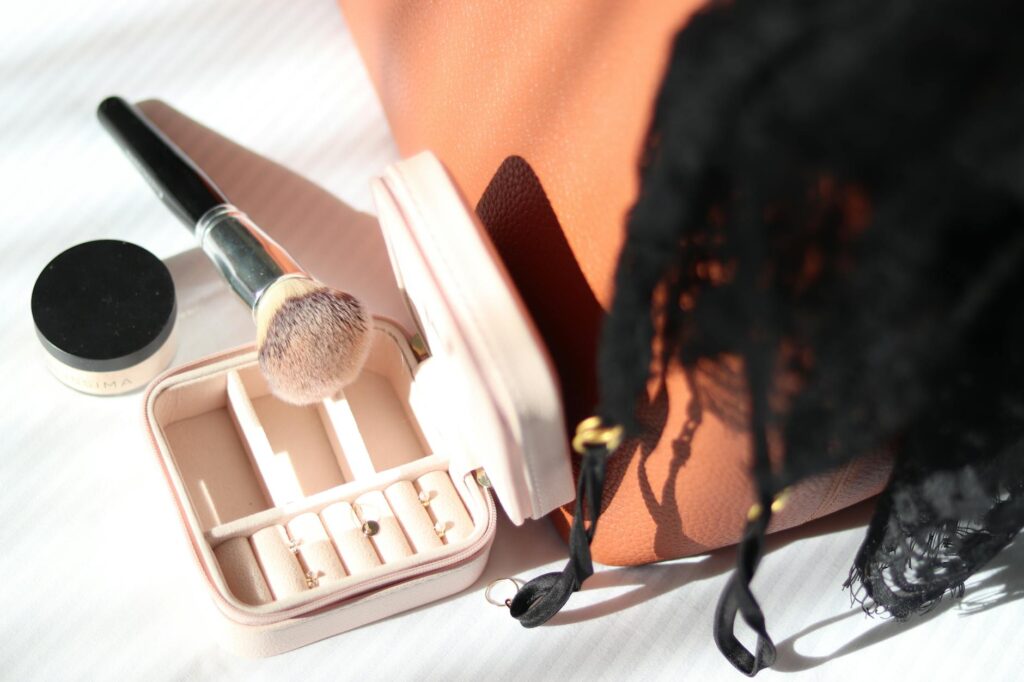
How you store your jewelry can make a significant difference in its longevity. Exposure to air, humidity, and light can cause damage, fading, and tarnishing. Invest in a quality jewelry box with separate compartments lined with soft fabric to prevent pieces from scratching each other. Here’s especially important for delicate chains and gemstones.
Consider using individual pouches for each piece, especially for items made of softer metals like gold or silver, or those with delicate gemstones. For travel, a compact jewelry organizer or a small, padded pouch will keep your valuables safe and separate. The Smithsonian Magazine (2015) advises keeping jewelry away from heat sources and direct sunlight to prevent damage and fading.
When to Call the Professionals
While home cleaning can handle everyday dirt, some situations demand professional attention. Deep-set grime, significant tarnish, loose stones, or repairs are best left to experienced jewelers. Many jewelers offer professional cleaning and inspection services, often free of charge or for a nominal fee, during which they can check the security of your settings.
For valuable or antique pieces, or items with intricate settings and rare gemstones, professional cleaning is always the safest bet. Jewelers have specialized tools and knowledge to clean these items without risking damage. A professional inspection every 6-12 months can catch potential issues before they become serious problems, ensuring your jewelry remains in pristine condition.
Specific Care for Popular Gemstones and Metals
Let’s look at into specific care for some common jewelry materials:
Gold
Gold jewelry, especially 14k or 18k, is relatively durable. Clean with mild soap and warm water, using a soft brush. Avoid harsh chemicals like chlorine — which can discolor gold. For platinum, a similar gentle cleaning approach works, but its inherent hardness makes it more resistant to scratches.
Silver
Sterling silver is prone to tarnishing. Clean with a silver polishing cloth for light tarnish. For deeper tarnish, a silver cleaning solution or baking soda paste can be used cautiously. Store in an airtight container with anti-tarnish strips.
Diamonds
Diamonds are incredibly hard but can attract grease and dirt, dulling their sparkle. A gentle soap and water solution with a soft brush is effective. Ultrasonic cleaners are generally safe for diamonds, but check for any accompanying gemstones that might be sensitive.
Pearls and Opals
These organic gemstones are delicate. Avoid exposure to chemicals, perfumes, hairspray, and excessive heat or moisture. Clean by wiping with a damp cloth and drying immediately. Never use ultrasonic cleaners or harsh detergents. According to the U.S. Food &. Drug Administration (FDA) (2022), even routine medical X-rays might need to be considered for jewelry with certain delicate stones if repeated exposure is a concern, though this is a highly rare scenario for consumer jewelry care.
Emeralds
Emeralds are often treated to fill minor fractures. they’re sensitive to heat, ultrasonic cleaners, and harsh chemicals. Clean with lukewarm water and mild soap, using a soft brush. Pat dry immediately.
Common Mistakes to Avoid
Making simple mistakes can lead to irreparable damage to your jewelry. Here are a few common pitfalls:
- Wearing jewelry during strenuous activities: This includes sports, gardening, or cleaning — where jewelry can get scratched, bent, or stones can be dislodged.
- Exposing jewelry to harsh chemicals: Household cleaners, chlorine, and even some cosmetics can damage metals and gemstones.
- Not storing jewelry properly: Allowing pieces to rub against each other can cause scratches.
- Using abrasive cleaners or tools: These can wear down metal surfaces and damage gemstones.
- Storing jewelry in humid environments: Bathrooms, for example, can accelerate tarnishing.
Frequently Asked Questions
How often should I clean my jewelry?
For everyday wear, a quick rinse and wipe with a soft cloth after each use is beneficial. A more thorough cleaning with mild soap and water can be done every few weeks or as needed. Fine jewelry worn less frequently may only need cleaning a couple of times a year, unless visible buildup occurs.
Can I use toothpaste to clean my jewelry?
No, toothpaste is abrasive and can scratch softer metals and dull the finish of gemstones. It’s best to stick to mild soap and water or specialized jewelry cleaners.
How do I prevent my silver jewelry from tarnishing?
Store silver jewelry in airtight bags or containers, preferably with an anti-tarnish strip. Keeping it away from humidity and exposure to air will slow down the tarnishing process.
Are ultrasonic cleaners safe for all jewelry?
No, ultrasonic cleaners can damage certain gemstones like emeralds, pearls, opals, and turquoise, and can loosen stones in their settings. Always check with a jeweler before using an ultrasonic cleaner on valuable or delicate pieces.
what’s the best way to clean gold jewelry?
The best way to clean gold jewelry is with a solution of warm water and mild dish soap. Use a soft brush to gently scrub away dirt and grime, rinse thoroughly, and dry with a soft, lint-free cloth.
Implementing these practices into your routine ensures your jewelry remains a source of joy and beauty. At Wilton Jewelers, we understand the sentimental and intrinsic value of your cherished pieces. We offer expert advice and professional cleaning services to help you preserve their brilliance for years to come. Don’t hesitate to bring your treasured items to us for a thorough inspection and care consultation.