
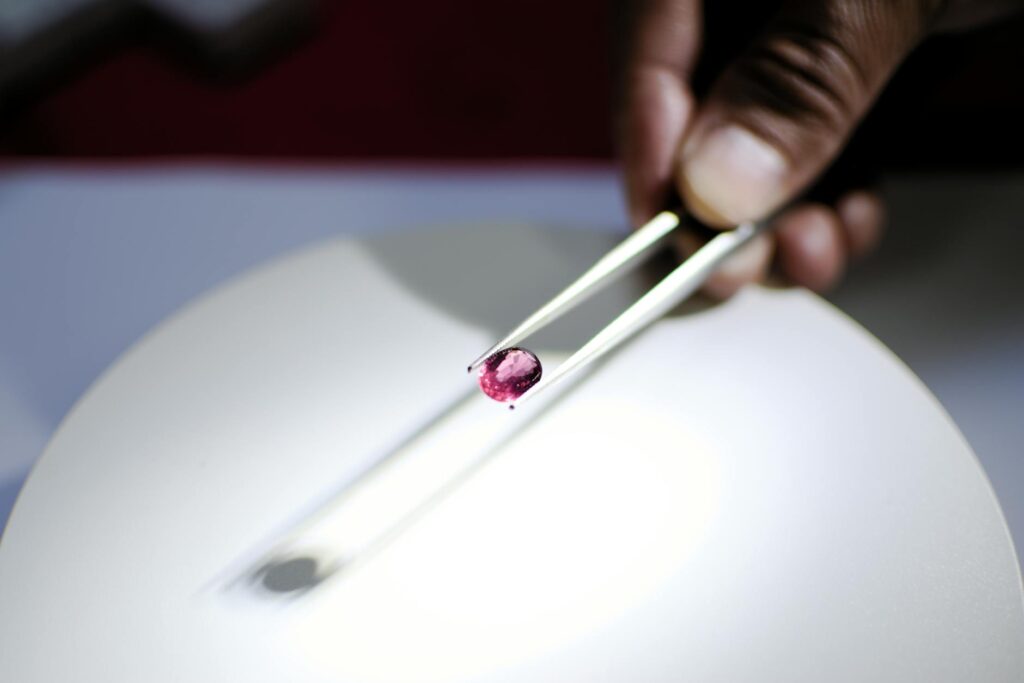
This guide covers everything about The Allure of June: Beauty and Meaning of Alexandrite, the Birthstone of the Month. This guide covers everything about The Allure of June: Beauty and Meaning of Alexandrite, the Birthstone of the Month. Alexandrite, June’s celebrated birthstone, captivates with its extraordinary ability to dramatically shift color under varying light conditions. This phenomenon isn’t merely a visual spectacle. it imbues the gemstone with deep symbolic meanings and a rich historical narrative that continues to fascinate collectors, jewelers, and gem enthusiasts alike. Its unique properties set it apart defying conventional expectations and solidifying its status as a truly remarkable treasure.
As of April 2026, the allure of alexandrite remains as potent as ever, with ongoing research and market trends highlighting its enduring appeal and increasing value. Understanding its origins, its scientific marvel, its symbolism, and its practical considerations is key to appreciating this exceptional gem.
Latest Update (April 2026)
Recent analyses by gemological institutions like the GIA (Gemological Institute of America) in late 2025 and early 2026 continue to highlight the rarity and value of high-quality natural alexandrite. Reports indicate a steady increase in demand, especially for stones exhibiting a strong color change (known as “color throw”) and originating from historically significant sources. Advances in gemological testing have also improved the detection of synthetic and treated alexandrite, providing consumers with greater confidence in their purchases. and, sustainable sourcing practices are gaining prominence, with collectors and ethical consumers increasingly seeking alexandrite from mines that adhere to responsible environmental and labor standards. Industry publications in late 2025 noted a surge in bespoke jewelry designs featuring alexandrite, driven by a desire for unique, personalized pieces that highlight the gem’s transformative nature. This trend, coupled with its status as a birthstone for June, suggests continued strong market performance for alexandrite in the coming years.
Jump to:
- The Unexpected History of Alexandrite
- Why Does Alexandrite Change Color?
- What Does Alexandrite Symbolize?
- How is Alexandrite Used Today?
- How to Care for Alexandrite Jewelry
- Frequently Asked Questions
The Unexpected History of Alexandrite
The story of alexandrite begins in the 19th century with its discovery in the remote Ural Mountains of Russia. In 1831, a mineralogist named Nils Gustaf Nordenskiöld first identified the distinctive mineral. It was later named in honor of the young Tsar Alexander II — who would ascend to the throne of Russia in 1855. The gemstone’s remarkable color-changing properties, mirroring the red and green colors of the Russian Imperial Guard’s uniform, immediately captivated the Russian aristocracy. Its association with the royal family and its striking visual appeal made it an instant symbol of prestige and power.
Initially, the supply of alexandrite was confined almost exclusively to Russia. This scarcity, combined with its royal endorsement, amplified its desirability and exclusivity. Over time, however, significant deposits were discovered in other parts of the world, most notably in Brazil and Sri Lanka. These new sources, while expanding the global availability, didn’t diminish the gem’s inherent value or allure. Each new discovery added another chapter to alexandrite’s rich history, further cementing its place in the pantheon of precious gemstones.
The historical context of alexandrite’s discovery is intertwined with a period of considerable social and political change in Russia. This historical backdrop lends an additional layer of depth to its symbolism, often associated with transformation, adaptability, and the ability to navigate complex shifts in life, much like the gem itself changes its appearance. Understanding this historical context enriches the appreciation of alexandrite beyond its aesthetic qualities.
Why Does Alexandrite Change Color?
The mesmerizing color-changing phenomenon of alexandrite is a scientific marvel rooted in its unique mineral composition and its interaction with light. Alexandrite is a variety of the mineral chrysoberyl, and its color-shifting ability is attributed to the presence of chromium, iron, and titanium ions within its crystalline structure. These trace elements absorb certain wavelengths of light and reflect others.
In daylight or under fluorescent light — which contains a higher proportion of blue wavelengths, alexandrite typically appears green, ranging from emerald green to yellowish-green. Conversely, under incandescent light or candlelight — which are richer in red wavelengths, the stone transforms to exhibit shades of red, purplish-red, or raspberry. This dramatic shift, often described as “daylight green to incandescent red,” is the hallmark of genuine alexandrite. The intensity and clarity of this color change are critical factors in determining a stone’s value.
The specific wavelengths absorbed and reflected depend on the precise concentration and arrangement of these trace elements, as well as the crystal lattice. This intricate interplay of light and matter means that no two alexandrite stones are precisely alike. Variations in cut, clarity, and the subtle differences in the chemical composition contribute to the unique color display and the degree of color change observed in each individual gem. Gemological experts, such as those at the Gemological Institute of America (GIA), meticulously study these characteristics to grade and authenticate alexandrite. Collectors often seek out stones that exhibit a stark and vivid color change, sometimes referred to as a “strong color throw,” making these specimens especially rare and valuable.
Key Statistic: According to industry reports updated in early 2026, fine-quality alexandrite can command prices per carat that rival or even exceed those of high-quality diamonds, especially when exhibiting a pronounced color change and exceptional clarity.
What Does Alexandrite Symbolize?
Alexandrite is widely recognized as the “stone of transformation” and is deeply associated with balance, adaptability, and personal growth. Its ability to change color mirrors life’s inherent changes and the importance of embracing new circumstances with grace and resilience. This symbolism makes it a potent choice for individuals undergoing significant life transitions, seeking clarity, or striving for a greater sense of inner harmony.
Historically, alexandrite has also been linked to love, joy, and good fortune. it’s believed to bring luck and prosperity to its wearer, enhancing creativity and building positive energy. For those interested in metaphysical practices, alexandrite is thought to enhance intuition, sharpen the mind, and promote emotional healing. it’s often used in meditation practices to connect with one’s inner self and to facilitate self-discovery and spiritual development.
The dual nature of its color change, from green (often associated with nature, growth, and renewal) to red (representing passion, energy, and vitality), further amplifies its symbolism of balance between opposing forces. This duality can be interpreted as a representation of the balance between the mind and the heart, the spiritual and the material, or the past and the future. As reported by complete lifestyle publications in early 2026, alexandrite is increasingly being incorporated into wellness practices and jewelry designed to support emotional well-being and personal transformation.
How is Alexandrite Used Today?
Alexandrite’s unique beauty and remarkable color-changing properties make it a highly sought-after gemstone wedding bands, necklaces, earrings, and bracelets. Jewelers often design settings that maximize the stone’s exposure to light, allowing its captivating color shift to be fully appreciated. This includes open-back settings or designs that incorporate multiple angles to catch light from different directions.
Beyond traditional jewelry, alexandrite is a favored choice for bespoke and custom-designed pieces. Its rarity and striking visual appeal make it ideal for creating one-of-a-kind items that reflect individual style and personality. The demand for unique, personalized luxury goods continues to grow, further boosting alexandrite’s popularity in this niche market. As of April 2026, custom jewelry designers are increasingly experimenting with combining alexandrite with other gemstones and metals to create innovative and artistic compositions.
and, alexandrite holds significant appeal for gem collectors and investors. Its rarity, especially for stones of significant size and exceptional quality, makes it a valuable asset. The market for rare gemstones remains solid, and alexandrite is often considered a wise investment due to its stable appreciation in value. Many collectors are drawn not only to its monetary worth but also to its intrinsic beauty and its believed metaphysical properties that are said to inspire creativity and enhance focus, broadening its appeal across diverse demographics.
How to Care for Alexandrite Jewelry
Caring for alexandrite jewelry is essential to preserve its beauty and brilliance for generations. While alexandrite is a relatively hard gemstone (ranking 8.5 on the Mohs scale of hardness), it can still be susceptible to damage from harsh chemicals and abrasive materials. Gentle cleaning is the most recommended approach.
After each wear, it’s advisable to wipe your alexandrite jewelry with a soft, lint-free cloth to remove any accumulated oils or dust. For a more thorough cleaning, a solution of mild dish soap and warm water is effective. Use a soft brush, such as a child’s toothbrush, to gently scrub the gemstone and its setting. Rinse the jewelry thoroughly under warm running water and dry it completely with a soft cloth. Avoid using ultrasonic cleaners or steam cleaners, as the sudden temperature changes and vibrations can potentially damage the stone or its setting, especially if there are any existing inclusions or fractures.
it’s Key to avoid exposing alexandrite to household chemicals, including perfumes, hairsprays, and cleaning agents, as these can cause discoloration or surface damage. When storing alexandrite jewelry, keep it separate from other gemstones and jewelry, especially harder stones like diamonds or sapphires, to prevent scratching. A soft pouch or a lined jewelry box compartment is ideal. Regular professional inspections by a qualified jeweler are also recommended to ensure that the settings remain secure and that the gemstone is free from any developing damage.
Frequently Asked Questions
What makes alexandrite so unique?
Alexandrite’s uniqueness stems primarily from its remarkable color-changing ability, a phenomenon known as pleochroism, under different light sources. This dramatic shift, typically from green in daylight to red or purplish-red under incandescent light, is rare among gemstones and is caused by the mineral’s specific chemical composition and light absorption properties.
Can synthetic alexandrite be produced, and how does it compare to natural alexandrite?
Yes, synthetic alexandrite can be produced in laboratories. These lab-created stones exhibit the same chemical and physical properties, including color change, as natural alexandrite. However, natural alexandrite, due to its rarity and geological formation process, holds higher value and collector interest. Gemological laboratories use advanced techniques to distinguish between natural and synthetic alexandrite. Experts recommend purchasing from reputable dealers who provide certification.
Is natural alexandrite an affordable gemstone?
Natural alexandrite is considered one of the rarer and more valuable gemstones. Its scarcity, coupled with its desirable color-changing properties, means that fine-quality natural alexandrite typically commands high prices, often exceeding those of diamonds of comparable size and quality. While more affordable options may exist in treated or synthetic forms, genuine natural alexandrite is a significant investment.
What are the best jewelry settings for alexandrite?
The best settings for alexandrite jewelry are those that allow ample light to reach the gemstone, thereby maximizing its color-changing effect. Open-back settings, prong settings (especially those that aren’t too bulky), and bezel settings that allow light from the sides are excellent choices. Pendants and earrings are especially effective as they’re often exposed to varying light conditions throughout the day. Rings also showcase the gem beautifully, especially when designed to highlight its play of color.
How can one identify genuine alexandrite?
Identifying genuine alexandrite involves observing its characteristic color change under different light sources. A significant and distinct shift from green hues in daylight to red or purplish-red hues in incandescent light is a key indicator. Genuine stones also possess a certain brilliance and clarity. For definitive confirmation, it’s best to consult a reputable gemologist or obtain a certificate from a recognized gemological laboratory, such as the GIA — which will detail the stone’s origin, properties, and authenticity.
Conclusion
Alexandrite stands as a testament to nature’s artistry, a gemstone that defies conventional expectations with its extraordinary color-shifting abilities. Its rich history, rooted in Russian royalty, its scientific marvel of light interaction, and its profound symbolism of transformation and balance continue to endear it to many. Whether set in exquisite jewelry, collected for its rarity and investment potential, or cherished for its believed metaphysical properties, alexandrite offers a unique blend of beauty, mystique, and significance. As of April 2026, its allure remains undiminished, making it a truly captivating choice for those seeking a gemstone that’s as dynamic and complex as life itself.
Source: Britannica
Editorial Note: This article was researched and written by the Wilton Jewelers editorial team. We fact-check our content and update it regularly. For questions or corrections, contact us.