
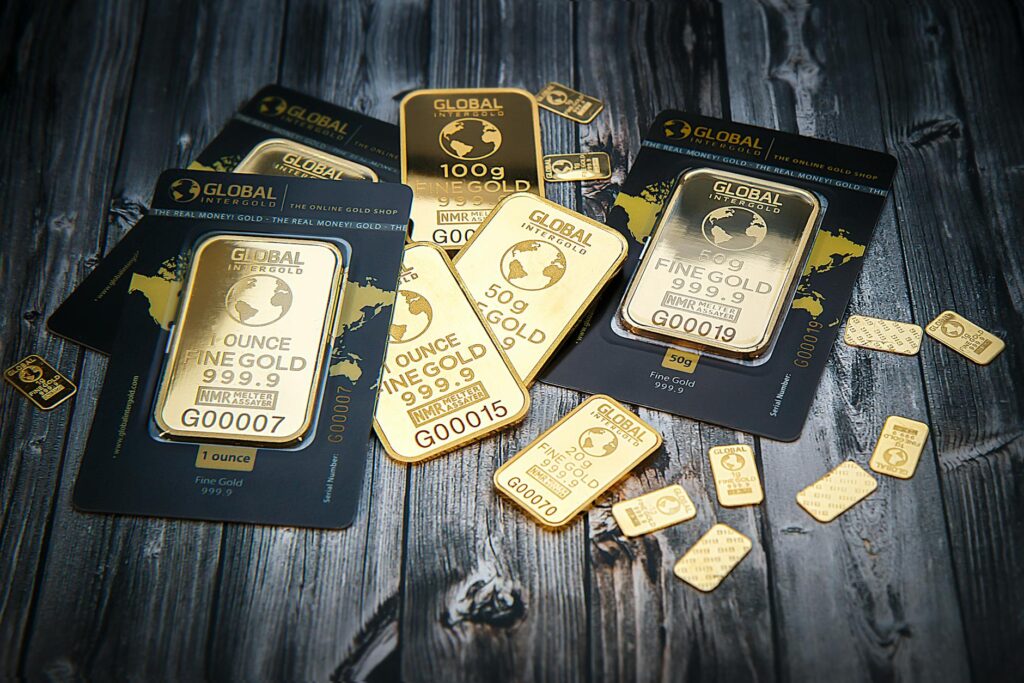
This guide covers everything about 14K vs. 24K Gold Investment 2026: Balancing Purity and Practicality. In 2026, the world of gold investment continues to evolve, presenting a compelling choice between the unadulterated purity of 24K gold and the practical resilience of 14K gold. While 24K represents the pinnacle of gold value, 14K offers a blend of durability and affordability that resonates with the modern investor seeking both aesthetic appeal and tangible wealth. This guide explores the nuances of each, helping you make an informed decision for your portfolio.
Last updated: April 18, 2026
Karat System in 2026
The karat (K) system is the universal standard for measuring gold purity. It divides pure gold into 24 equal parts. Therefore, 24K gold signifies 24 out of 24 parts, meaning it’s 99.9% pure gold. This pure form is highly malleable, possesses a distinct bright yellow hue, and is exceptionally soft. In contrast, 14K gold is composed of 14 parts gold and 10 parts other metals, such as copper, silver, zinc, or nickel. This results in 14K gold being approximately 58.3% pure gold. The addition of these alloys enhances the metal’s hardness, durability, and introduces a wider range of color possibilities beyond the traditional yellow, such as white or rose gold.
The distinction between 14K and 24K isn’t merely about purity percentage. it affects the metal’s physical properties and its suitability for different applications. While 24K is the benchmark for pure gold value, its softness makes it impractical for most jewelry intended for daily wear. 14K, with its alloyed composition, strikes a balance, offering a substantial gold content while providing the necessary strength to withstand the rigors of everyday life.
Why 14K Gold is a Dominant Choice in 2026
In 2026, 14K gold continues to be a preferred choice for many consumers and investors due to its compelling combination of durability, affordability, and aesthetic versatility. Market observations suggest a strong preference for ‘utility’ in investment assets, and 14K gold perfectly embodies this trend. Unlike the very soft 24K gold — which is prone to scratching, bending, and deformation with even moderate use, 14K gold offers a solid resistance to wear and tear. This makes it an ideal material for jewelry that’s intended to be worn daily, such as rings, bracelets, and necklaces.
The ‘Wearable Wealth’ strategy, gaining traction throughout this decade, emphasizes assets that can be enjoyed and used while still holding significant intrinsic value. 14K gold fits this philosophy precisely. It allows individuals to wear beautiful, well-crafted pieces that represent their financial standing without the constant worry of damage that accompanies pure gold. Reports from MEXC News have highlighted a significant increase in 14K gold sales, reflecting this shift in consumer priorities towards practicality and longevity in their gold acquisitions.
and, the cost-effectiveness of 14K gold matters a lot in its popularity. By incorporating alloys, the overall price of 14K gold jewelry is considerably lower than that of equivalent 24K pieces. This makes gold ownership more accessible to a broader range of consumers, allowing them to invest in gold without a prohibitive initial outlay. The affordability, coupled with its enduring appeal and durability, solidifies 14K gold’s position as a leading option in the contemporary market.
Navigating Resale Value: 14K vs. 24K Gold in 2026
When considering gold as an investment, its resale value is a really important concern. 24K gold, being pure, typically commands a price very close to the current spot price of gold, making its intrinsic value straightforward to ascertain. However, the market for 24K gold is primarily that of bullion or pure investment bars and coins — where the premium over spot price is usually minimal.
14K gold presents a more complex resale scenario. While it contains less pure gold, its widespread use in jewelry means there’s a solid secondary market. As recently reported by Moneycontrol.com in October 2025, gold rates for 14K gold, while lower than 24K by weight, are influenced by design, craftsmanship, and brand reputation. Reputable jewelers, such as Wilton Jewelers mentioned in industry discussions, often add a significant premium to their 14K pieces, reflecting the artistry and brand value. This premium can enhance the resale value, especially for unique or designer pieces. Users report that well-maintained 14K jewelry from recognized brands can fetch a price that’s a substantial percentage of its original cost, often translating to around 58% of the gold weight value plus any design premium.
The liquidity of 14K gold in the jewelry market is a key advantage. While 24K gold is easily liquidated as pure metal, 14K gold jewelry is readily bought and sold within the jewelry trade. This constant demand ensures that 14K gold, especially in popular styles or from established brands, maintains strong marketability. As Yahoo Finance noted in December 2025, optimal time to sell gold jewelry can maximize returns, and the active market for 14K pieces contributes to this flexibility for sellers.
The Indispensable Role of Durability in Gold Investments
Durability isn’t just a functional attribute. it’s a critical factor in preserving the value of any gold asset, especially for items intended for regular use. In 2026, the concept of ‘Investment Jewelry’ increasingly favors metals that can endure daily life without significant degradation. 24K gold, while offering unparalleled purity, is exceptionally soft. This means that a 24K gold bracelet, for instance, could easily lose links, become misshapen, or suffer deep scratches from minor impacts, thereby diminishing its aesthetic appeal and, So, its market value.
14K gold, But — is harder and more resilient. The alloys mixed with the gold provide structural integrity, making it far more resistant to dents, scratches, and bending. This enhanced durability ensures that the jewelry retains its intended form and appearance over time. For an investor, this translates to a more secure asset, as the physical integrity of the piece is less likely to be compromised. This preservation of form is essential for maintaining resale value and for the simple enjoyment of owning and wearing the gold.
Consider the long-term perspective: gold jewelry often works as a legacy item, passed down through generations. The durability of 14K gold makes it a more practical choice for such heirlooms. A 14K gold ring passed down from a grandparent will likely still be in excellent condition, retaining its sentimental and financial worth. In contrast, a 24K gold piece might require more careful storage and handling to prevent damage, limiting its role as an everyday cherished item. Therefore, for gold that’s meant to be seen, worn, and cherished, durability isn’t a luxury but a necessity, making 14K gold a superior choice for many.
Choosing Your Gold Strategy: Practicality vs. Purity
The decision between 14K and 24K gold ultimately hinges on your personal investment goals and lifestyle. If your primary objective is to hold pure gold as a store of value, akin to owning bullion, then 24K gold is the logical choice. It offers the highest concentration of gold and its value is directly tied to the fluctuating global gold spot price. Such investments are often best kept in secure locations like safety deposit boxes or home safes, away from the wear and tear of daily life.
For individuals who wish to integrate their gold investment into their daily lives, 14K gold presents a more practical and often more aesthetically pleasing option. The enhanced durability allows for everyday wear, meaning you can enjoy the beauty and value of gold without constant concern. As noted by experts, 14K gold jewelry offers a superior balance of beauty, strength, and enduring value for daily use. This makes it suitable for a lots of jewelry types, from engagement rings to everyday pendants.
At Wilton Jewelers, a respected name in the industry, the approach to gold selection often reflects this duality. For clients prioritizing pure investment and accurate tracking against market prices, 24K gold is recommended. However, for those seeking jewelry that combines style, wearability, and economic resilience, 14K gold remains the undisputed leader. It represents a smart investment that can be actively enjoyed, blending financial security with personal expression.
Market Trends and Expert Insights for 2026
The gold market in 2026 continues to be influenced by global economic factors, inflation concerns, and geopolitical stability. Investors are increasingly looking for diversified strategies that include both tangible assets like gold and more accessible forms of gold ownership. As reported by The Economic Times and The Times of India around the Diwali season in October 2025, discussions around different gold purities, including 9K, 14K, 22K, and 24K, highlight a consumer base that’s educated and discerning about their gold purchases, considering factors beyond just the gold content.
This awareness extends to the resale market as well. While 24K gold offers straightforward value based on weight, the nuanced market for 14K gold jewelry means that factors like design originality, brand provenance, and condition play a significant role. Experts advise that when purchasing 14K gold with investment in mind, opting for pieces from reputable jewelers with a history of quality craftsmanship can yield better resale returns. The ‘wearable wealth’ trend means that well-designed, durable pieces from trusted sources are increasingly valued not just for their gold content but for their overall appeal and marketability.
Frequently Asked Questions
Is 24K gold a good investment in 2026?
Yes, 24K gold is considered an excellent investment for its purity and direct correlation with the global gold spot price. it’s ideal for long-term storage as a pure asset, but its softness makes it unsuitable for jewelry intended for daily wear.
What makes 14K gold so popular in 2026?
14K gold’s popularity in 2026 stems from its superior durability, making it practical for everyday jewelry. It offers a significant gold content (58.3%) combined with the strength needed to resist scratches and wear, all at a more accessible price point than 24K gold.
Should I buy gold jewelry as an investment in 2026?
Gold jewelry can be a sound investment, especially 14K or 18K pieces from reputable brands known for quality craftsmanship and design. Focus on pieces that aren’t only beautiful but also have good resale potential, considering both their gold content and aesthetic appeal.
How should I store my gold investments in 2026?
For 24K gold (bullion, coins), secure storage like a bank’s safety deposit box or a home safe is recommended. For 14K gold jewelry, while durability is higher, it’s still wise to store it in a protective jewelry box or safe when not being worn to maintain its condition and value.
Can 14K gold jewelry be worn daily without damage?
Absolutely. 14K gold is In particular alloyed to provide enhanced durability, making it highly suitable for daily wear. It resists scratches and dents better than softer gold karats, ensuring that your jewelry remains in good condition over time.
what’s the difference in color between 14K and 24K gold?
24K gold has a distinct, rich, bright yellow hue due to its purity. 14K gold, being an alloy, can have variations in color. While it typically presents a slightly less intense yellow than 24K, it can also be alloyed to create white gold, rose gold, or green gold, offering a wider spectrum of aesthetic choices.
Conclusion
As of April 2026, the choice between 14K and 24K gold for investment and personal adornment remains a balance between purity and practicality. 24K gold stands as the ultimate symbol of gold’s intrinsic value, best suited for pure investment holdings kept in secure storage. Its unadulterated form offers direct market correlation but comes with inherent fragility. Conversely, 14K gold provides a compelling alternative for those seeking to wear their wealth. Its enhanced durability, affordability, and versatility in design make it a practical and resilient choice for everyday jewelry, with a solid secondary market ensuring good liquidity. Recent market indicators, including reports from Moneycontrol.com and analyses from Yahoo Finance regarding optimal selling times, highlight the dynamic nature of gold markets. Investors in 2026 are well-advised to align their choice of gold purity with their specific financial goals, lifestyle, and appetite for risk, ensuring a well-rounded and secure approach to their gold portfolio.
Source: Investopedia
Related Articles
- what’s a Promise Ring? Forget the Romance Novel Version
- Fine Jewelry Wilton CT: Your Sparkle Guide
- VIP Box SE: Stream Live Sports Without Limits Anytime in 2026
Editorial Note: This article was researched and written by the Wilton Jewelers editorial team. We fact-check our content and update it regularly. For questions or corrections, contact us.