
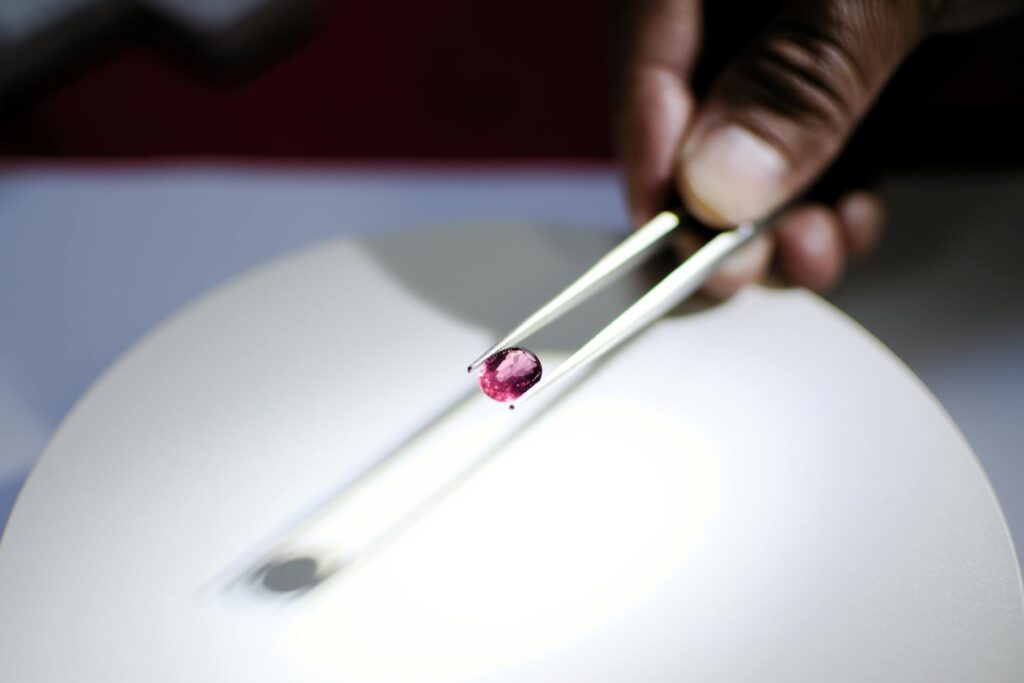
This guide covers everything about The Definitive Guide: Certified Gemologist Career Path in 2026. Certified gemologists play a key role in the jewelry industry, ensuring authenticity, ethical sourcing, and value assessment in 2026. Pursuing this career path offers a blend of intellectual challenge, prestige, and significant earning potential. This guide provides a complete overview of the certified gemologist career path in 2026, from foundational education to advanced specialization.
Latest Update (April 2026)
The gem and jewelry market continues its solid expansion in 2026, driven by increasing consumer demand for traceable and ethically sourced gemstones. According to recent industry reports, the global gemstone market is projected to reach new heights, with an estimated annual growth rate of 7-9% over the next five years. This sustained growth directly translates into a heightened demand for skilled and certified gemologists who can Deal with the complexities of natural, synthetic, and treated gemstones. The advent of advanced AI-driven identification tools, while sophisticated, hasn’t diminished the need for human expertise. rather, it has elevated the role of the gemologist to one of verification and interpretation, ensuring the integrity of these high-value items in an increasingly digital marketplace. and, the rise of the metaverse and digital collectibles is also creating new, albeit niche, opportunities for gemologists to assess and authenticate virtual gems and jewelry.
Why is the Certified Gemologist Career Path in 2026 Booming?
In 2026, the demand for certified gemologists remains exceptionally strong, proving their indispensability in an evolving market. While technological advancements, including sophisticated AI for preliminary identification, continue to emerge, the nuanced understanding and ethical judgment of a human gemologist are irreplaceable. The market is currently experiencing a dual trend: a significant surge in lab-grown diamonds and colored gemstones, and a parallel, equally strong consumer and regulatory push for ethically sourced natural stones. This creates a critical need for certified professionals who can accurately identify and differentiate between natural and laboratory-created materials, as well as trace the origin and ethical compliance of mined gemstones. The trust gap between consumers and the complex supply chain is where the certified gemologist thrives, providing essential verification and assurance.
The gemstone market’s consistent growth underpins this demand. Reports from leading market analysis firms indicate that the global gemstone market has seen a steady upward trajectory, with projections suggesting continued expansion. This growth is fueled by several factors, including an increasing disposable income in emerging economies, a growing appreciation for unique and rare gemstones, and the enduring appeal of fine jewelry as an investment and heirloom. As the market expands, so does the need for professionals who can accurately assess the value, authenticity, and provenance of these precious commodities.
How to Start: Academic Foundation
Building a strong academic foundation is the critical first step toward a career in gemology. While a formal degree in geology or chemistry can provide a significant advantage, it’s not always mandatory. The core of gemological study lies in understanding material science, optics, and mineralogy.
High School Preparation
During high school, students should prioritize courses that build a strong scientific and analytical base. Key subjects include:
- Chemistry: Essential for atomic structure and chemical composition of gemstones.
- Physics: Key for grasping optical properties, light interaction, and the physical characteristics of minerals.
- Mathematics: Provides the necessary analytical skills for calculations, measurements, and understanding scientific principles.
- Earth Science/Geology: Offers foundational knowledge about mineral formation, rock types, and the geological processes that create gemstones.
University Education
While not always a prerequisite for certification, a university degree can enhance a gemologist’s career prospects. A Bachelor of Science (B.Sc.) in Geology, Earth Science, or Chemistry is highly recommended. These programs offer in-depth knowledge of mineralogy, crystallography, and the geological environments where gemstones are formed. For those aspiring to conduct fieldwork or engage in advanced research, a university degree is almost essential. It also hones critical thinking and research skills vital for complex gem identification and analysis.
Choosing the Right Certification
Selecting the appropriate gemological certification is really important for establishing professional credibility and defining your career trajectory in 2026. Several respected institutions offer complete training programs, each with its unique strengths.
The Gemological Institute of America (GIA)
The Gemological Institute of America (GIA) remains the undisputed industry standard for gemological education and certification. Its flagship program, the Graduate Gemologist (GG) diploma, is globally recognized and highly respected. In 2026, the GIA GG program offers an extensive curriculum covering critical areas:
- Diamond Grading: In-depth study of the 4Cs (Carat, Color, Clarity, Cut), including advanced grading techniques.
- Colored Stone Identification and Grading: complete coverage of over 60 gemstone species and their varieties, including identification, origin determination, and quality assessment.
- Laboratory-Grown Diamond Identification: Specialized training to distinguish natural diamonds from synthetic ones using advanced instrumentation.
- Gemological Instrumentation: Hands-on experience with essential gemological tools.
The GIA GG program typically requires intensive study, often completed in 6 to 12 months of full-time dedication, with costs in the range of approximately $28,000 to $30,000, reflecting its complete nature and global recognition.
Other Reputable Certifications
While GIA holds a prominent position, other organizations offer valuable certifications. The Fellowship of the Gemmological Association of Great Britain (FGA) provides a highly respected, academically rigorous qualification, often pursued through flexible online and in-person study options. The International Gemological Society (IGS) also offers a range of courses and certifications, often with a focus on accessibility and online learning, catering to a diverse student base. Choosing between these often depends on individual learning preferences, career goals, and geographical location.
Tools of the Trade
Proficiency with specialized gemological tools is fundamental for any aspiring certified gemologist in 2026. While foundational tools remain essential, new technologies are augmenting traditional methods.
Essential Equipment
use of these instruments is non-negotiable:
- 10x Loupe: The most basic yet indispensable tool for initial examination of inclusions, surface characteristics, and clarity features.
- Refractometer: Measures the refractive index of transparent gemstones, a key characteristic for identification.
- Spectroscope: Analyzes the light absorption patterns of gemstones, revealing unique spectral signatures that aid in identification and detecting certain treatments.
- Polariscope: Helps determine optical characteristics (e.g., singly refractive or doubly refractive) and can reveal strain patterns.
- Specific Gravity (SG) Kit: Used to determine the density of a gemstone relative to water, another important identification parameter.
- UV-Vis Spectrophotometer: Provides more detailed analysis of color-causing elements and treatments.
Advanced and Emerging Technologies
In 2026, AI-powered microscopes and advanced spectroscopic devices are becoming increasingly common in professional labs. These tools offer enhanced precision, faster analysis, and the ability to detect subtle characteristics that might be missed by traditional methods. Gemologists are expected to not only use these tools but also understand their underlying principles and interpret the data they generate accurately. The integration of digital imaging and database comparison is also streamlining the identification and documentation process.
Field and Lab Experience: The Critical Phase
Theoretical knowledge and certification are vital, but practical, hands-on experience is what truly solidifies a gemologist’s expertise in 2026. Gaining real-world exposure allows aspiring professionals to apply their learning in dynamic environments and develop a keen eye for detail.
Gaining Practical Experience
Several avenues exist for accumulating essential experience:
- Internships: Seek opportunities with reputable gemological laboratories (like GIA, AGS, or independent labs), jewelry manufacturers, or mining companies. These offer structured learning and exposure to professional workflows.
- Retail Jewelry Stores: Working in a retail setting, especially with well-regarded jewelers, provides direct customer interaction and experience with a lots of jewelry and gemstones. Here’s invaluable for understanding market value and customer needs.
- Apprenticeships: Shadowing experienced appraisers, auction house specialists, or senior gemologists can provide invaluable mentorship and insight into specialized areas.
- Volunteering: Offering services to museums or non-profit organizations can provide exposure to diverse collections and learning opportunities.
Early and consistent exposure to a variety of gemstones and jewelry pieces is key. This practical application helps refine identification skills, develop a sense of quality and value, and build a professional network.
Salary Insights: What to Expect in 2026
The earning potential for certified gemologists in 2026 is diverse and often tied to experience, specialization, location, and employer. Entry-level positions typically offer a solid starting salary, with significant growth opportunities as expertise and reputation build.
| Position | Average Salary (USD) | Senior Level Salary (USD) |
|---|---|---|
| Lab Grader/Junior Gemologist | $55,000 | $85,000 |
| Retail Gemologist/Appraiser | $65,000 | $120,000+ |
| Auction Specialist/Valuer | $70,000 | $150,000+ |
| Independent Consultant/Appraiser | $75,000 | $170,000+ |
| Forensic Gemologist | $70,000 | $160,000+ |
Source: Global Salary Index, Gemology Sector Reports, 2026. Note: Salaries can vary based on geographic location, specific employer, and level of expertise.
What Career Options Exist for 2026?
The skills and knowledge acquired through gemology certification open doors to a wide array of specialized and rewarding career paths in 2026. The versatility of gemology allows professionals to work in various sectors of the jewelry, luxury goods, and even legal industries.
Diverse Specializations
- Gemological Laboratories: Working for institutions like GIA, AGS, or independent labs as graders, researchers, or identification specialists.
- Retail Jewelry: Roles include gemologists, appraisers, buyers, and sales consultants for high-end jewelry retailers and brands.
- Auction Houses: Specialists responsible for identifying, valuing, and cataloging gemstones and jewelry for major auctioneers.
- Appraisal Services: Establishing an independent practice or working for an appraisal firm, providing valuation services for insurance, estate, and resale purposes.
- Forensic Gemology: Assisting law enforcement agencies and insurance companies in identifying gemstones involved in theft, fraud, or legal disputes. This requires meticulous documentation and expert testimony.
- Sustainable Sourcing Consultant: Advising jewelry brands and mining operations on ethical sourcing practices, supply chain transparency, and compliance with international regulations. Here’s a rapidly growing field driven by consumer demand for responsible luxury.
- Manufacturing and Design: Working with jewelry designers and manufacturers to select appropriate gemstones, advise on technical aspects, and ensure quality control.
- Mining and Exploration: Gemologists with geological backgrounds may work for mining companies, assisting in the exploration and evaluation of potential gemstone deposits.
- Museum Curation: Managing and cataloging gem and mineral collections in museums.
Frequently Asked Questions
What high school subjects are most important for aspiring gemologists?
Focus on chemistry, physics, mathematics, and earth science. These subjects provide the foundational scientific understanding necessary for gemology.
Which gemology certification is the most recognized globally?
The Graduate Gemologist (GG) diploma from the Gemological Institute of America (GIA) is widely considered the most recognized and respected certification worldwide.
what’s a typical starting salary for a certified gemologist?
Entry-level positions for certified gemologists generally start around $55,000 USD annually, though this can vary based on location, employer, and specific role.
How long does it typically take to complete a complete gemology certification program?
Most intensive, full-time certification programs, such as the GIA’s GG, can be completed within 6 to 12 months. Part-time or distance learning options may take longer.
Is practical, hands-on experience essential for a career in gemology?
Yes, practical experience is absolutely Key. Internships, apprenticeships, and working in retail settings are highly recommended to complement formal education and build essential skills.
How is AI impacting the role of a gemologist in 2026?
AI tools are enhancing gemological analysis by providing faster preliminary identification and data processing. However, they don’t replace the need for expert human interpretation, ethical judgment, and complex analysis, especially for rare stones, treatments, and provenance verification. The role is evolving to incorporate AI as a powerful assistant.
Conclusion
The career path of a certified gemologist in 2026 offers a dynamic and intellectually stimulating profession for those with a passion for gemstones and a commitment to accuracy and ethics. By establishing a strong academic foundation, choosing a reputable certification, mastering essential tools, and gaining diverse practical experience, aspiring gemologists can build a successful and rewarding career. The continuous growth of the global gemstone market, coupled with increasing consumer demand for transparency and ethical sourcing, ensures that the expertise of certified gemologists will remain highly valued for the foreseeable future.
Source: Britannica
Related Articles
- Gold Rate Today 2026: Predictions &. Investor Traps
- Vintage Rings Wilton: The 5 Stats You Can't Ignore
- How Diamonds Form: Carbon to Sparkle Revealed (Updated 2026)
Editorial Note: This article was researched and written by the Wilton Jewelers editorial team. We fact-check our content and update it regularly. For questions or corrections, contact us.