
Gold Rate Today 2026: Predictions & Investor Traps Unveiled
This guide covers everything about Gold Rate Today 2026 Forecast: Is This the Ultimate Year for Bullion Investors?. Is 2026 the year to bank on gold? The forecast suggests high returns but requires savvy strategies. With current market dynamics, gold rate today in 2026 is really important for investors seeking stability and growth. This article digs into the economic factors influencing gold prices, compares physical gold with digital assets, offers monthly projections, and highlights critical investor traps to avoid. As of April 17, 2026, the gold market is experiencing dynamic shifts, making informed decisions more critical than ever.
Last updated: April 18, 2026
Latest Update (April 2026)
As of April 17, 2026, gold prices are showing resilience. Recent reports from sources like The Economic Times and NDTV indicate that while gold rates are holding steady, there’s an underlying upward pressure. For instance, on April 16, 2026, gold edged higher to approximately $4,821 per ounce, with domestic Indian rates reaching ₹1.55 Lakh per 10 grams for 24K gold, according to The Sunday Guardian. This stability comes amidst evolving geopolitical scenarios and emerging hopes for peace talks, as reported by Yahoo Finance — which noted gold and silver prices holding steady following a ceasefire announcement. These developments highlight gold’s traditional role as a safe-haven asset during times of uncertainty.
Economic Factors Driving 2026 Gold Rates
The 2026 gold rate is influenced by a confluence of global economic and geopolitical factors. A prominent trend is the ongoing ‘de-dollarization’ movement — where nations, especially emerging economies, are actively reducing their reliance on the US dollar for international trade and reserves. This shift is coupled with a substantial increase in gold reserves held by central banks. The World Gold Council has consistently reported a steady increase in gold accumulation by these economies, driven by a desire for greater monetary autonomy and stability. This strategic stockpiling reduces the overall market supply available for speculative trading, supporting higher price levels and mitigating drastic price drops. This strategic diversification away from fiat currencies into tangible assets like gold signifies a growing confidence in physical commodities as a store of value in an increasingly unpredictable global financial system.
and, inflation concerns remain a persistent driver for gold. As global economies grapple with the aftermath of recent monetary policies and supply chain disruptions, the specter of rising inflation continues to loom. Gold has historically performed well during periods of high inflation, as it tends to retain its value when fiat currencies lose purchasing power. Investors are increasingly turning to gold as a hedge against this erosion of wealth. Also, geopolitical tensions, while sometimes creating short-term volatility, often reinforce gold’s safe-haven status. Uncertainty in international relations, regional conflicts, or significant political shifts can trigger immediate demand for gold as investors seek refuge from riskier assets. Goldman Sachs has highlighted that such events can catalyze rapid price movements, potentially leading to price overshoots as market participants react swiftly to perceived threats.
Physical Gold vs Digital Assets in 2026
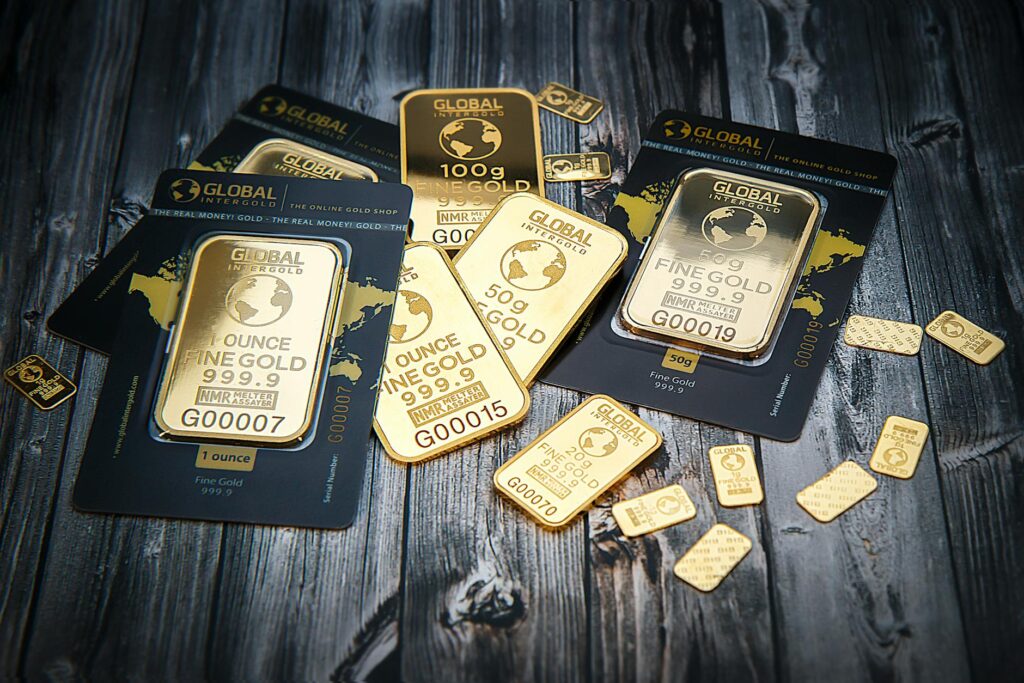
In 2026, the preference among many investors is leaning towards tangible gold assets over their digital counterparts. Physical gold, such as bullion bars and coins, offers a sense of security and ownership that digital formats often can’t replicate. Wilton Jewelers, a reputable dealer, has observed a notable increase, reportedly around 40 percent, in the demand for physical bullion. This trend is indicative of a broader investor sentiment that prioritizes tangible wealth preservation, especially during periods of economic uncertainty or when trust in digital financial systems might be perceived as lower. The inherent value of 24k gold, its scarcity, and its historical role as a store of value make it an attractive option for those looking to safeguard their capital.
While digital gold platforms and gold-backed ETFs offer convenience and liquidity, they introduce counterparty risk and are subject to the fluctuations and regulations of the financial markets they operate within. Physical gold, But — represents a direct ownership of a finite commodity. Its value is intrinsic and less dependent on market intermediaries. For investors concerned about systemic risks within the digital financial ecosystem or seeking a more concrete hedge, the appeal of holding physical gold remains strong. This preference isn’t merely about possession. it’s about the psychological comfort and tangible security that comes with owning a universally recognized and historically valued asset.
Monthly Gold Rate Projections for 2026
Forecasting gold prices involves analyzing various economic indicators and market sentiment. For 2026, projections suggest gold could reach unprecedented highs, with some analysts, including those at J.P. Morgan, anticipating prices potentially surpassing $5,000 per ounce. These projections are based on sustained demand, ongoing geopolitical instability, and the continued trend of de-dollarization. The market sentiment is expected to vary throughout the year, influenced by quarterly economic reports, central bank policies, and international events.
| Quarter | Projected Range (USD/oz) | Market Sentiment |
|---|---|---|
| Q1 2026 | $4,350 – $4,450 | Stable Accumulation |
| Q2 2026 | $4,500 – $4,800 | Institutional Breakout |
| Q3 2026 | $4,800 – $5,200 | Peak Geopolitical Demand |
| Q4 2026 | $5,055 – $5,400 | All-time High Potential |
These projections indicate a generally bullish trend, with potential for significant appreciation. The Q1 forecast reflects an initial period of steady buying as investors position themselves. Q2 anticipates a stronger institutional influx, potentially driving prices higher. Q3 is seen as a period of heightened demand due to geopolitical factors — which could lead to price spikes. Finally, Q4 suggests the possibility of reaching all-time highs as cumulative demand and market conditions converge. Worth knowing that these are projections, and actual prices can be influenced by unforeseen events.
Top Investment Mistakes to Avoid in 2026
To effectively capitalize on the gold market in 2026, investors must be vigilant against common pitfalls that can erode potential gains. One significant mistake is delaying purchases in anticipation of minor price dips. While market corrections can occur, the overall trend suggests upward momentum, and prolonged waiting can lead to missing out on substantial appreciation. It’s Key to adopt a strategic approach rather than trying to perfectly time the market. This involves understanding your investment goals and purchasing gold incrementally or at strategic price points.
Another critical error is compromising on purity and authenticity. Always insist on purity-certified bullion from reputable dealers like Wilton Jewelers. Verifying hallmarks and certifications is essential to ensure you’re acquiring genuine gold and not being misled by counterfeit products or alloys. Purchasing from unverified sources can lead to significant financial losses and a compromised investment. Investors should also be wary of overly aggressive marketing promising guaranteed, unrealistic returns. The gold market, like any investment, carries risks.
Diversification is key to managing risk. Relying solely on one form of gold investment, such as only gold coins or only gold bars, can be a mistake. A balanced portfolio might include a mix of gold bars for larger holdings and gold coins for easier liquidity and collectibility. This approach helps in balancing long-term capital preservation with the flexibility to respond to market changes or personal financial needs. As highlighted by the World Gold Council’s reports on steady reserve increases by emerging markets, a well-diversified approach aligns with broader global trends in asset allocation.
What ‘Spike’ Factors Could Impact Gold Prices?
Several ‘spike’ factors can cause rapid and significant movements in gold prices. Global interest rate changes are a primary driver. When central banks tighten monetary policy and raise interest rates, the opportunity cost of holding non-yielding assets like gold increases, potentially pressuring prices downward. Conversely, if rates remain low or central banks signal easing, gold becomes more attractive. Trade uncertainties, such as the imposition of tariffs, trade wars, or disruptions in global supply chains, can also boost gold prices. In times of trade friction, gold is often seen as a safe haven, attracting capital seeking stability away from the affected economies.
Geopolitical events, such as elections in major economies, international conflicts, or significant political realignments, can trigger substantial demand for gold. These events create uncertainty, driving investors towards perceived safe assets. Goldman Sachs has noted that such events can lead to price overshoots — where the market reacts with heightened volatility. Therefore, investors should remain prepared for rapid shifts and maintain flexibility in their investment strategies. The announcement of a ceasefire, as recently reported by Yahoo Finance, can also influence prices, potentially leading to a temporary dip as risk appetite returns, but underlying geopolitical concerns often keep prices supported.
Frequently Asked Questions
How reliable are the 2026 gold forecasts?
While forecasts for 2026 gold rates are based on extensive analysis of historical trends, economic indicators, and geopolitical developments, they aren’t infallible. Market conditions can change rapidly due to unforeseen events. Therefore, it’s advisable to view these forecasts as guidelines rather than guarantees. Adaptable investment strategies that account for market volatility are essential for success.
Why is physical gold preferred over digital formats in 2026?
Physical gold is often preferred for its tangible nature, offering direct ownership and a sense of security that digital assets may not provide, especially during times of economic uncertainty or concerns about digital financial systems. It bypasses counterparty risks associated with digital platforms and ETFs, appealing to investors prioritizing wealth preservation and trust in real-world assets.
what’s driving the increased gold demand from emerging markets in 2026?
Emerging markets are increasing their gold reworks as a strategic move towards de-dollarization and to enhance their monetary stability. By diversifying away from a heavy reliance on the US dollar and other fiat currencies, these nations aim to create a more resilient financial foundation, hedging against global economic fluctuations and geopolitical risks.
How frequently should I review my gold investments in 2026?
it’s recommended to review your gold investments at least quarterly. This regular review allows you to stay informed about market updates, assess your portfolio’s performance against your goals, and make any necessary adjustments in response to changing economic conditions or geopolitical events. Staying informed ensures your investment strategy remains effective.
Is investing in gold in 2026 a good idea for beginners?
Yes, investing in gold can be beneficial for beginners in 2026, but a cautious approach is advised. It’s important to educate yourself thoroughly about the market, start with smaller investment amounts, and focus on diversification to manage risk. difference between physical and digital gold, and purchasing from reputable sources, are Key first steps.
Conclusion
As 2026 unfolds, the gold market presents a compelling case for investors seeking stability and potential growth. The ongoing trends of de-dollarization, persistent inflation concerns, and geopolitical uncertainties continue to boost gold’s appeal as a safe-haven asset. While projections suggest significant potential for price appreciation, reaching perhaps over $5,000 per ounce according to some analysts, it’s Key to approach investments with a well-informed strategy. Prioritizing physical gold for its tangible security, nuances of market projections, and diligently avoiding common investment pitfalls like delaying purchases or compromising on authenticity are vital steps. By staying informed about daily fluctuations, as reported by financial news outlets like The Economic Times and NDTV, and adopting a diversified, long-term perspective, investors can better Deal with the complexities of the gold market and safeguard their wealth effectively in 2026.
Source: Investopedia
Related Articles
- Vintage Jewelry Gifts: Surprise Them This Year
- Jewelry Store Wilton CT: Avoid These Costly Mistakes
- Diamond Rings Wilton: Your First Guide
Editorial Note: This article was researched and written by the Wilton Jewelers editorial team. We fact-check our content and update it regularly. For questions or corrections, contact us.