
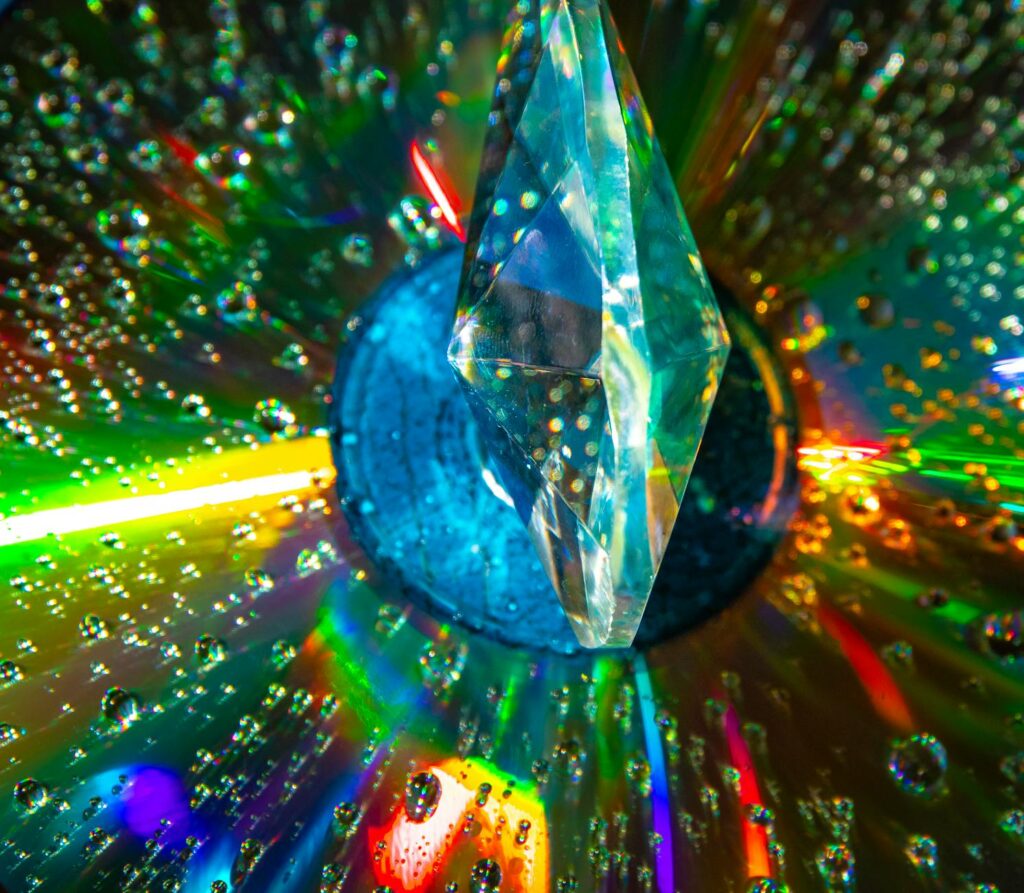
This guide covers everything about How Are Diamonds Made? Uncover the Fascinating Journey from Carbon to Sparkle. Diamonds, nature’s most coveted gems, begin their journey as simple carbon atoms deep within the Earth’s mantle. Over eons, subjected to immense pressure and searing heat, these carbon atoms arrange themselves into the incredibly strong and brilliant crystalline structure that defines a diamond. This transformation, a testament to Earth’s geological power, results in the stunning jewels that have captivated humanity for centuries. This article digs into the fascinating process of diamond formation, from their subterranean origins to their emergence as sparkling treasures.
Last updated: April 18, 2026
Latest Update (April 2026)
As of April 2026, the diamond industry continues to evolve, with significant advancements in both natural diamond sourcing and the growing market for lab-grown alternatives. The technological sophistication used to identify and value diamonds has also seen improvements. For instance, reports indicate that companies like De Beers are increasingly integrating advanced technology to maintain their competitive edge against the rising popularity of lab-grown diamonds, as noted by The Times in early 2025. This trend highlights a dynamic market where both natural rarity and technological innovation play Key roles. and, ongoing scientific research continues to uncover more about the extreme conditions required for diamond genesis, reinforcing the understanding that diamonds are forged in the Earth’s mantle under unique geological circumstances, as highlighted by recent scientific publications in 2025.
Table of Contents
- what’s a Diamond?
- How Does Diamond Formation Occur?
- The Role of Volcanic Activity in Bringing Diamonds to the Surface
- Diamond Mining Techniques in 2026
- The Art and Science of Diamond Polishing
- Natural vs. Lab-Grown Diamonds: A 2026 Comparison
- Frequently Asked Questions
what’s a Diamond?
A diamond is a crystalline allotrope of carbon. Its unique properties stem from the specific arrangement of carbon atoms — which are bonded together in a tetrahedral lattice structure. This solid, three-dimensional network of strong covalent bonds makes diamond the hardest known natural substance, registering a 10 on the Mohs scale of mineral hardness. Its exceptional hardness, combined with its high refractive index and thermal conductivity, contributes to its brilliance, fire, and durability, making it highly prized for both jewelry and industrial applications. The formation of a single diamond is a complex geological event, requiring specific elements like carbon and the extreme conditions of high pressure and high temperature (HPHT) found deep within the Earth’s mantle, a process that can take millions of years.
How Does Diamond Formation Occur?
The genesis of natural diamonds is an extraordinary geological process that takes place approximately 90 to 150 kilometers (about 55 to 95 miles) below the Earth’s surface, within the upper mantle. This region is characterized by the critical HPHT (high pressure and high temperature) conditions necessary for carbon to crystallize into diamond. The required pressure is estimated to be around 45 to 60 kilobars (4.5 to 6 GPa), and temperatures can range from 900 to 1,300 degrees Celsius (1,650 to 2,370 degrees Fahrenheit).
The carbon atoms that form diamonds originate from two primary sources: primordial carbon trapped within the Earth’s mantle since its formation, or carbon from subducted oceanic plates. When tectonic plates collide, one plate can slide beneath another (a process called subduction), carrying carbon-rich material deep into the mantle. Under the immense pressure and heat, this carbon transforms over millions, and often billions, of years into solid diamond crystals. This protracted formation period is a key factor in the rarity and value of natural diamonds, showcasing the slow, powerful processes that shape our planet.
The Role of Volcanic Activity in Bringing Diamonds to the Surface
Diamonds formed deep within the Earth’s mantle would remain inaccessible if not for a specific type of volcanic activity. Rare, deep-seated volcanic eruptions, known as kimberlite eruptions, are the primary mechanism that brings these precious crystals to the Earth’s surface. These eruptions are characterized by their explosive nature and the rapid ascent of molten rock, called magma, from the mantle. As this magma rises, it traps xenoliths (pieces of surrounding rock) and diamonds, carrying them upwards through the Earth’s crust at incredible speeds. This rapid ascent is Key. if the diamonds were brought to the surface too slowly, the extreme pressure and temperature changes would cause them to convert back into graphite, the more stable form of carbon at surface conditions.
The solidified magma and surrounding rock that form these volcanic conduits are called kimberlite pipes or diamondiferous lamproites. These geological formations act as natural elevators, depositing rough diamonds into areas where they can eventually be discovered and mined. The discovery of these kimberlite pipes is often the first step in the diamond mining process, as they concentrate diamonds from a vast area of the mantle into a more accessible location. The geological rarity of these specific volcanic events further contributes to the scarcity of diamonds.
Diamond Mining Techniques in 2026
The extraction of diamonds from kimberlite pipes and other diamond-bearing deposits is a complex and technologically advanced undertaking in 2026. The chosen mining method depends heavily on the location, depth, and size of the diamond deposit. The primary methods include open-pit mining, underground mining, and alluvial mining.
Open-Pit Mining
This method is employed when diamond deposits are relatively close to the surface. Large excavators and trucks are used to remove vast quantities of overburden (rock and soil) and kimberlite ore. The ore is then transported to processing plants where it’s crushed, screened, and subjected to various techniques, including X-ray fluorescence and dense-medium separation, to recover the diamonds. Open-pit mines can become enormous excavations over time, creating significant visual landmarks.
Underground Mining
For deeper kimberlite pipes or deposits that extend far below the surface, underground mining techniques are necessary. These methods involve sinking shafts and excavating tunnels to access the ore body. Various methods are used, such as block caving or sub-level caving, to extract the ore efficiently while ensuring mine stability and worker safety. Underground mining is generally more expensive and labor-intensive than open-pit mining but allows access to resources that would otherwise be unreachable.
Alluvial Mining
Alluvial diamonds are those that have been eroded from their primary kimberlite source and transported by rivers, streams, or ocean currents over geological time. Alluvial mining typically occurs in riverbeds, ancient river terraces, or coastal areas. Methods can range from simple panning and sluicing by small-scale miners to large-scale dredging operations that sift through gravels and sands to find the heavier diamond concentrates. This method is often less disruptive environmentally than large-scale open-pit or underground mining.
The Art and Science of Diamond Polishing
Once rough diamonds are extracted, they undergo a meticulous process of cutting and polishing to reveal their full brilliance and fire. Here’s where the transformation from a rough, often irregularly shaped crystal to a sparkling gemstone truly happens. Expert diamond cutters, often referred to as diamontaires, employ a combination of traditional knowledge and advanced technology to achieve optimal results.
The process begins with a thorough analysis of the rough diamond. Cutters examine its natural crystalline structure, identify any internal flaws (inclusions) or external blemishes, and determine the most promising angles and facets to maximize light reflection. The goal is to create a diamond that exhibits exceptional brilliance (white light return), fire (dispersion of light into spectral colors), and scintillation (the sparkle and play of light as the diamond moves).
The cutting phase involves cleaving or sawing the rough diamond into smaller pieces if necessary, or directly shaping it. Here’s followed by bruting — where two diamonds are rubbed together to create a basic rounded shape. The most critical stage is faceting — where dozens, or even hundreds, of small flat surfaces (facets) are precisely ground and polished onto the diamond’s surface. The angles and proportions of these facets are really important. even slight deviations can impact the diamond’s optical performance. The quality of the cut is often considered the most important of the 4 Cs (Cut, Color, Clarity, Carat) as it directly influences how well the diamond reflects and refracts light, ultimately determining its beauty and value.
Natural vs. Lab-Grown Diamonds: A 2026 Comparison
The diamond market in 2026 is characterized by a significant presence of both natural and lab-grown diamonds. While they share the same chemical composition and physical properties, their origins, formation times, and market perceptions differ considerably.
| Feature | Natural Diamonds | Lab-Grown Diamonds |
|---|---|---|
| Formation Time | Millions to billions of years | Weeks to months |
| Origin | Earth’s mantle | Laboratory-controlled environment (HPHT or CVD) |
| Carbon Source | Primordial carbon from Earth’s mantle or subducted material | Pure carbon compounds (e.g., graphite) |
| Rarity | Naturally rare, finite supply | Can be produced on demand, supply isn’t limited by geological factors |
| Price (Approximate) | Higher, reflecting rarity and the long formation process | lower than natural diamonds of comparable size and quality |
| Identification | Distinct natural inclusions and growth patterns | May exhibit different types of inclusions or growth patterns; advanced testing required for definitive identification |
| Market Perception | Often associated with tradition, rarity, and enduring value | Increasingly accepted, especially for consumers prioritizing affordability and ethical production concerns, though still distinct from natural diamonds. |
The rise of lab-grown diamonds, as reported by the BBC in early 2020, has introduced a new dynamic to the market. While visually similar, their production methods differ greatly. High Pressure High Temperature (HPHT) technology mimics the Earth’s natural diamond-forming conditions, while Chemical Vapor Deposition (CVD) involves depositing carbon atoms onto a diamond seed in a vacuum chamber. As noted by The Times in March 2025, the increasing sophistication and production volume of lab-grown diamonds are prompting established players like De Beers to adapt their strategies. Despite their growing popularity, natural diamonds continue to hold a strong appeal due to their inherent rarity and the romantic notion of their ancient origins. Scientific discoveries also continue, with research sometimes revealing novel forms of carbon that challenge our understanding of materials, such as new super-dense carbon forms noted in past scientific reports, though diamond remains the benchmark for hardness and brilliance in many applications.
Frequently Asked Questions
Are all diamonds formed naturally?
No, not all diamonds are formed naturally. While natural diamonds are created deep within the Earth’s mantle over millions of years, synthetic or lab-grown diamonds are created in controlled laboratory environments using advanced technological processes like HPHT or CVD. Lab-grown diamonds share the same physical, chemical, and optical properties as natural diamonds, but their origin is technological rather than geological.
Is diamond mining ethical?
The ethics of diamond mining are complex and vary depending on the mining company and region. Historically, some diamond mining practices have been associated with conflict, human rights abuses, and environmental degradation. However, the industry has made strides towards greater accountability. Reputable brands and mining operations now adhere to strict ethical sourcing standards, such as the Kimberley Process Certification Scheme, and focus on responsible environmental management and community development. Consumers are encouraged to seek out brands that demonstrate transparency and commitment to ethical practices.
Do synthetic diamonds look different from natural diamonds?
Visually, high-quality synthetic (lab-grown) diamonds can be virtually indistinguishable from natural diamonds to the naked eye. They possess the same sparkle, brilliance, and color characteristics. However, experienced gemologists and advanced laboratory equipment can detect differences in their growth patterns, internal characteristics (inclusions), and sometimes subtle differences in fluorescence. These differences are often microscopic and don’t detract from the diamond’s beauty but are key identifiers of its origin.
How long does natural diamond formation typically take?
The formation of natural diamonds is a process that spans vast geological timescales. Depending on the specific conditions of pressure, temperature, and the availability of carbon, natural diamonds typically take anywhere from millions to billions of years to form deep within the Earth’s mantle. This long formation period contributes to their rarity and perceived value.
Can diamonds be colored?
Yes, diamonds can naturally occur in a variety of colors, including yellow, brown, pink, blue, green, and red. These colors are caused by trace elements or structural irregularities within the diamond’s crystal lattice during its formation. For example, the presence of nitrogen can cause yellow or brown hues, while boron can create blue diamonds. Intense colors, like fancy vivid blues or pinks, are exceptionally rare and command very high prices. Diamonds can also be treated in a laboratory to enhance or create color, though these treatments are disclosed to buyers.
Conclusion
The journey of a diamond from a simple carbon atom under extreme subterranean pressure to a dazzling gem gracing an engagement ring is one of nature’s most remarkable feats. intricate geological processes, the role of volcanic activity, and the sophisticated mining and polishing techniques involved highlights the true value and wonder of these stones. As the market continues to evolve with the increasing presence of lab-grown alternatives, the allure of natural diamonds, with their ancient origins and inherent rarity, remains strong. Whether natural or lab-created, diamonds continue to symbolize enduring beauty and commitment, a testament to the extraordinary power of Earth’s geology and human ingenuity.
Source: Britannica
Related Articles
- 1/10 oz Gold Coin: Smart Investment for 2026
- Lab-Grown Diamond Transformations: The Jewelry Revolution in 2026
- Smart Jewelry Gifts That Won't Break the Bank
Editorial Note: This article was researched and written by the Wilton Jewelers editorial team. We fact-check our content and update it regularly. For questions or corrections, contact us.