The Timeless Beauty of Old Mine Cut Diamonds: A Sparkling Legacy
Last updated: April 18, 2026
what’s an Old Mine Cut Diamond?
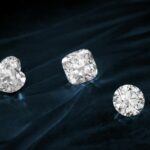
Old Mine Cut diamonds are a fascinating testament to a bygone era of jewelry craftsmanship. Characterized by their cushion-like shape, rounded corners, and a charmingly imperfect, hand-faceted appearance, these vintage diamonds offer a romantic and warm glow that sets them apart from the sharp brilliance of modern cuts. Popular primarily from the 18th century through the early 19th century, this cut represents a significant period in diamond history, bridging the gap between earlier, cruder cuts and the more precise faceting techniques that would follow.
the History of Old Mine Cut Diamonds
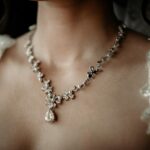
The origins of the Old Mine Cut are intrinsically linked to the evolution of diamond cutting techniques and the discovery of major diamond sources. While earlier cuts existed, the Old Mine Cut emerged as a dominant style during a period of significant advancement in diamond processing. These diamonds were cut by hand, reflecting the skill and artistry of the lapidaries of the time. Each facet was carefully placed, aiming to maximize the diamond’s inherent fire and sparkle within the limitations of the tools and understanding of gemology of the era. The late 18th and early 19th centuries saw these diamonds become highly sought after, especially among aristocracy and the burgeoning wealthy classes. Their unique aesthetic, often described as having a ‘fire’ or ‘inner light,’ was a stark contrast to the more utilitarian cuts of earlier times. As reported by Farmonaut on November 11, 2025, vintage cuts like the Old Mine are seeing renewed attention, with trends for 2026 featuring them in popular pendant designs. This historical significance adds a layer of desirability that transcends mere material value.
Key Characteristics of Old Mine Cut Diamonds
Distinguishing an Old Mine Cut diamond involves recognizing several key features that define its unique character:
- Shape: Typically appears square with rounded corners, resembling an antique cushion shape. Here’s a significant departure from the perfectly round shape of modern brilliant cuts.
- Facet Count: While variations exist, Old Mine Cuts generally feature around 58 facets, similar to the modern round brilliant. However, the arrangement and proportion of these facets are distinct.
- Table Size: Compared to modern cuts, Old Mine Cuts usually have a smaller table (the flat, top surface of the diamond). This contributes to their less fiery, more dispersed sparkle.
- Pavilion Depth: These diamonds often possess a deeper pavilion (the lower part of the diamond) than modern cuts. This depth is Key to their characteristic glow and is a hallmark of the cutting style of the period.
- Culet: Many Old Mine Cuts feature a visible culet (the point at the bottom of the pavilion). In some cases, this culet can appear ‘open’ or very large — which is a characteristic often embraced by enthusiasts of vintage diamonds.
- Girdle: The girdle, the edge that separates the crown from the pavilion, might be slightly thicker or less consistently shaped than in modern, laser-scanned diamonds.
- Proportions: The overall proportions are less standardized than modern cuts. This leads to a unique, less symmetrical appearance that many find incredibly charming.
These characteristics combine to create a diamond that doesn’t just reflect light but seems to hold it, emitting a soft, warm, and captivating glow. Here’s often referred to as ‘fire’ or ‘inner light,’ a quality highly prized by collectors and those who appreciate antique aesthetics.
Old Mine Cut vs. Modern Brilliant Cut
differences between an Old Mine Cut and a Modern Brilliant Cut is essential for appreciating the unique qualities of each:
| Feature | Old Mine Cut | Modern Brilliant Cut |
|---|---|---|
| Shape | Cushion-like, square with rounded corners | Round |
| Facets | Typically around 58, hand-cut with varied proportions | Up to 58+, precisely calculated and machine-cut for optimal light return |
| Table Size | Generally smaller | Larger, to maximize light entry |
| Pavilion Depth | Deeper, contributing to a warmer glow | Shallower, optimized for brilliance |
| Sparkle | Softer, warmer glow, broad flashes of light (fire) | Intense, rapid, and numerous flashes of light (brilliance) |
| Symmetry & Polish | Less precise, often with visible tool marks or imperfections | Highly precise and symmetrical, with a clean finish |
The Modern Brilliant Cut was engineered to maximize light return and produce maximum sparkle (brilliance). In contrast, the Old Mine Cut prioritizes a different kind of beauty – a softer, more dispersed light that gives the diamond a warm, luminous appearance. As noted in the New York Post on September 12, 2025, the appeal of the Old Mine cut lies in its ‘timeless romance, modern craft,’ suggesting a harmonious blend that resonates with contemporary tastes seeking historical depth.
Why Choose an Old Mine Cut Diamond in 2026?
The decision to choose an Old Mine Cut diamond in 2026 is often driven by a desire for individuality, historical connection, and a unique aesthetic. These diamonds aren’t merely gemstones. they’re pieces of history, each with a story to tell.
1. Historical Allure and Authenticity
Owning an Old Mine Cut diamond means possessing a tangible link to the past. These diamonds were cut during periods of significant historical events and artistic movements, making them valuable from a provenance perspective. As News18 reported on April 13, 2026, diamonds continue to hold their appeal in a changing consumer landscape, and vintage cuts are a key part of this enduring fascination. For those who appreciate antique jewelry, the authenticity and historical narrative of an Old Mine Cut are really important.
2. Unique and Individual Character
In an era of mass production, the inherent imperfections and unique characteristics of hand-cut diamonds are highly prized. No two Old Mine Cut diamonds are exactly alike. Their variations in facet patterns, proportions, and subtle asymmetries contribute to a captivating individuality that mass-produced modern diamonds simply can’t replicate. This uniqueness makes them perfect for individuals seeking a statement piece that reflects their personal style and story.
3. Romantic and Warm Glow
The aesthetic appeal of an Old Mine Cut is its soft, warm glow. Unlike the sharp, often dazzling brilliance of modern cuts, Old Mine Cuts exhibit broader flashes of light and a captivating ‘inner fire.’ This romantic luminescence is especially sought after for engagement rings and special occasion jewelry, evoking a sense of vintage charm and understated elegance. Vogue’s March 27, 2026 article on antique cushion cuts highlights this very ‘timeless romance’ as a key draw for modern buyers.
4. Investment and Collectibility
While not all vintage diamonds are investment-grade, genuine Old Mine Cuts, especially those with exceptional quality and provenance, can be valuable. Their rarity, coupled with increasing demand from collectors and jewelry enthusiasts, can lead to appreciation over time. As with any collectible, condition, clarity, color, and historical significance play a Key role in determining value. Experts suggest that diamond’s provenance is key to ensuring its authenticity and historical significance.
5. Ethical Considerations and Sustainability
For the environmentally conscious consumer in 2026, choosing a vintage diamond like the Old Mine Cut offers a sustainable option. These diamonds have already been mined and cut, meaning their acquisition doesn’t contribute to the environmental impact of new mining operations. This aligns with a growing trend towards conscious consumption and the preference for pre-owned or antique luxury goods.
The Enduring Appeal of Antique Cushion Cuts
The Old Mine Cut is often closely associated with, and sometimes considered an early form of, the antique cushion cut. Both share the characteristic square shape with rounded corners and a deep pavilion. As highlighted by Vogue on March 27, 2026, antique cushion cut engagement rings are experiencing a resurgence, celebrated for their ‘rare diamond’ status and romantic glow. This renewed interest in cushion-shaped vintage diamonds further solidifies the appeal of the Old Mine Cut. The soft, diffused light they produce is especially flattering, making them a beloved choice for those who prefer a more subtle yet captivating sparkle over the intense brilliance of modern diamonds. The craftsmanship involved in these older cuts adds a unique artistic value that resonates with today’s consumers.
Frequently Asked Questions
Are Old Mine Cut diamonds valuable?
Yes, Old Mine Cut diamonds can be very valuable. Their value is influenced by the standard diamond criteria: carat weight, color, clarity, and cut quality. However, their historical significance, rarity, and unique aesthetic also contribute to their worth. especially rare examples with documented provenance, often associated with historical figures or significant estates, can command premium prices among collectors.
How do Old Mine Cut diamonds compare to modern cuts in terms of sparkle?
Old Mine Cut diamonds offer a different kind of sparkle compared to modern cuts. They exhibit a warmer, softer glow with broader flashes of light, often described as ‘fire’ or an ‘inner light.’ Modern brilliant cuts, But — are engineered for maximum brilliance and scintillation, producing more numerous, rapid, and intense flashes of light. The choice between them depends on personal preference: the romantic warmth of the Old Mine Cut versus the dazzling brilliance of the modern cut.
Can Old Mine Cut diamonds be reset into modern jewelry settings?
Absolutely. Old Mine Cut diamonds can be beautifully incorporated into modern jewelry settings. Jewelers can design custom settings that accommodate the unique shape and proportions of these vintage stones, preserving their antique charm while adapting them to contemporary styles. This allows for the creation of unique, personalized pieces that blend historical elegance with modern design.
Are Old Mine Cut diamonds durable enough for everyday wear?
Generally, yes. While they may have slightly different proportions than modern diamonds, Old Mine Cuts are typically durable enough for everyday wear, especially when set securely in a protective mounting. However, like all gemstones, they can be susceptible to damage from hard impacts. It’s advisable to exercise caution with vintage pieces and consider removing them during strenuous activities or when exposed to harsh chemicals.
What should I look for when buying an Old Mine Cut diamond?
When purchasing an Old Mine Cut diamond, prioritize authenticity and condition. Look for a stone with a distinct cushion shape, rounded corners, and a noticeable depth. Examine the facet patterns and the presence of a culet. Reputable dealers specializing in vintage diamonds are essential. If possible, seek out diamonds with grading reports from recognized gemological laboratories, though be aware that older stones may not have undergone modern grading analysis. diamond’s provenance can also add significant value and assurance.
Conclusion
In 2026, the Old Mine Cut diamond continues to hold its place as a symbol of enduring beauty, historical significance, and unique character. These vintage gems offer a romantic glow and a tangible connection to the past, appealing to those who seek individuality and a story within their jewelry. As trends show a continued appreciation for antique cushion cuts, the Old Mine Cut stands out as a testament to the artistry of early diamond cutters. Whether chosen for its historical allure, its distinctive sparkle, or its sustainable appeal, the Old Mine Cut diamond remains a timeless legacy, offering a sparkling addition to any collection.
Source: Nature
Related Articles
- Skincare Microbiome 2026: Science of Radiance &. Bacterial Balance
- Jewelry Repair Wilton CT: Don't Make These Mistakes!
- Lab Grown Vs Natural Diamonds: Ethical Debate &. Investment
Editorial Note: This article was researched and written by the Wilton Jewelers editorial team. We fact-check our content and update it regularly. For questions or corrections, contact us.