Lab-Grown Diamond Transformations: The Jewelry Revolution
This guide covers everything about Lab-Grown Diamond News: Transforming the Future of Jewelry. Lab-grown diamonds are now at the forefront of sustainable and ethical jewelry, offering exceptional beauty and value without compromising the environment. As consumers increasingly seek more conscientious purchasing choices, these diamonds are becoming indispensable in modern jewelry design. The year 2026 marks a significant evolution in this sector, with innovations and market acceptance reaching new heights.
Last updated: April 18, 2026
Latest Update (April 2026)
The jewelry market continues to be reshaped by lab-grown diamonds. Recent reports indicate a substantial transformation within the industry, a market valued at an estimated $78 billion. As reported by Fast Company, evolving jewelry trends are heavily influenced by sustainability and ethical considerations, with lab-grown diamonds playing a key role. and, major luxury groups are undergoing strategic realignments. for instance, Kering announced a transformation plan in February 2026 following a reported 13% decline in 2025 sales, a move that could see increased focus on diverse product offerings, potentially including more lab-grown options. The Global Jewelry Market Outlook for 2034 also highlights evolving consumer preferences, underscoring the growing demand for transparently sourced and environmentally friendly luxury goods. Ivana Jewels, for example, is leading a new wave of lab-grown diamond jewelry, as noted by Dailyhunt in late March 2026, demonstrating the ongoing innovation and market penetration of these stones.
What are Lab-Grown Diamonds?
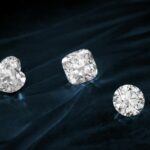
Lab-grown diamonds, also referred to as synthetic diamonds or cultured diamonds, are diamonds created through advanced technological processes in a laboratory setting. Unlike imitation stones that merely resemble diamonds, lab-grown diamonds possess the exact same chemical, physical, and optical properties as natural diamonds. they’re, in essence, real diamonds, formed atom by atom. The primary methods used for their creation are High-Pressure High-Temperature (HPHT) and Chemical Vapor Deposition (CVD). The HPHT method involves subjecting a diamond seed crystal to extreme pressure and high temperatures, mimicking the conditions deep within the Earth where natural diamonds form. CVD, But — involves placing a diamond seed in a vacuum chamber and exposing it to a mixture of carbon-rich gases — which then deposit onto the seed, layer by layer, forming a larger diamond. These processes, while technologically complex, are faster than the geological timescales required for natural diamond formation, typically taking a matter of weeks or months to produce diamonds of considerable size and quality.
Why are Lab-Grown Diamonds Making News?
Lab-grown diamonds are generating significant attention for several compelling reasons that resonate with contemporary consumer values and market dynamics. Firstly, their environmental sustainability is a major draw. Traditional diamond mining can have substantial ecological impacts, including habitat disruption, water usage, and carbon emissions. Lab-grown diamonds, by contrast, have a lower environmental footprint. Secondly, ethical sourcing is a key factor. Concerns surrounding conflict diamonds and the labor practices associated with some mining operations are alleviated with lab-grown diamonds — which are produced in controlled environments with transparent supply chains. Thirdly, cost-effectiveness matters a lot. Lab-grown diamonds are typically priced 20-40% lower than their mined counterparts of equivalent quality, making high-quality diamonds more accessible. Fourthly, rapid technological advancements are continuously improving the quality, size, and variety of lab-grown diamonds available. Finally, the jewelry market is experiencing rapid growth in this segment, with major retailers and luxury brands increasingly incorporating lab-grown diamonds into their collections, signaling a significant shift in consumer preferences and industry strategy.
Recent Developments in Lab-Grown Diamonds (as of April 2026)
The lab-grown diamond sector has witnessed remarkable progress in recent years, with 2026 building upon these advancements. Industry strides include the successful production of larger, high-quality diamonds, with stones exceeding 10 carats becoming more common and accessible. Customization is also a growing trend, allowing consumers to design unique pieces with lab-grown diamonds tailored to their specific preferences. Celebrity endorsements and increased visibility through social media have further boosted their appeal. Major jewelry retailers and established luxury brands have accelerated their adoption of lab-grown diamonds, integrating them into fine jewelry collections and engagement rings. This widespread acceptance by the industry signals a profound and lasting shift towards more sustainable and ethical practices in the fine jewelry market. As Fast Company reported in October 2025, jewelry trends are transforming the $78 billion market, with sustainability at the core of this evolution. The emergence of new brands like Ivana Jewels, as highlighted by Dailyhunt in March 2026, further exemplifies the dynamic and innovative nature of the lab-grown diamond jewelry market.
Lab-Grown vs. Mined Diamonds: A Comparative Overview
differences and similarities between lab-grown and mined diamonds is essential for making informed purchasing decisions. While both types of diamonds are chemically and physically identical, their origins and associated impacts differ significantly.
| Feature | Lab-Grown Diamonds | Mined Diamonds |
|---|---|---|
| Formation Time | Weeks to months | Millions to billions of years |
| Environmental Impact | lower carbon footprint, less resource-intensive | Higher environmental impact, including land disruption, water usage, and potential pollution |
| Ethical Concerns | Minimal to none; transparent and controlled production | Potential for conflict diamonds, ethical sourcing concerns, and labor issues |
| Price | Approximately 20-40% lower than mined diamonds of comparable quality | Higher price point due to rarity, extraction costs, and marketing |
| Physical Properties | Identical to natural diamonds (hardness, brilliance, sparkle) | Identical to lab-grown diamonds; natural origin |
| Traceability | High; often traceable from creation to final product | Can be challenging to trace origin definitively |
Rise of Lab-Grown Diamonds in Jewelry
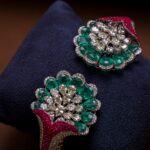
The integration of lab-grown diamonds into the jewelry market represents a significant transformation, driven by evolving consumer values and technological advancements. Engagement rings are a primary area where lab-grown diamonds are making a substantial impact. Couples increasingly opt for larger, more brilliant stones for their engagement rings without the prohibitive cost associated with mined diamonds of the same size and quality. This allows for greater personalization and value. Beyond engagement rings, lab-grown diamonds are enhancing the appeal of fine jewelry collections, including necklaces, earrings, bracelets, and fashion rings. Their ethical and sustainable credentials appeal strongly to younger demographics and environmentally conscious consumers. Luxury brands, once hesitant, are now actively embracing lab-grown diamonds, recognizing their potential to attract a new generation of buyers and align with corporate social responsibility goals. As noted in the Global Jewelry Market Outlook 2034, evolving consumer preferences are a key driver, and sustainability is a major factor influencing purchasing decisions in the luxury sector.
Technological Innovations in Lab-Grown Diamonds
The advancement of lab-grown diamond technology is a continuous process, pushing the boundaries of what’s possible in terms of diamond quality, size, and diversity. The two primary production methods, HPHT and CVD, have seen significant refinements. CVD technology, in particular, has advanced to produce larger, higher-quality single-crystal diamonds with fewer inclusions. Innovations in gas mixtures, substrate materials, and reactor designs have increased yields and reduced production times. HPHT technology has also evolved, with improved press designs and control systems allowing for greater precision in growing larger and more perfectly formed diamonds. Beyond production, traceability technologies are playing an increasingly important role. Blockchain technology, for example, is being implemented to create immutable records of a diamond’s journey from creation to the consumer, providing unparalleled transparency and assurance of origin and ethical sourcing. These technological leaps ensure that lab-grown diamonds meet the highest standards of quality and ethical production, building greater consumer trust and confidence.
The Impact of Trends and Influencers
The perception and adoption of lab-grown diamonds have been influenced by broader jewelry trends and the power of influencers. As Fast Company highlighted in October 2025, jewelry trends are actively transforming the market, and sustainability is a significant driver. This aligns perfectly with the inherent advantages of lab-grown diamonds. Social media platforms have become Key channels for showcasing the beauty and accessibility of these stones. Influencers and celebrities are increasingly seen wearing and promoting lab-grown diamond jewelry, them and normalizing their acceptance within the luxury space. This visibility has helped to shift the narrative from novelty to mainstream desirability. and, historical figures and their style continue to inspire. for instance, Princess Diana’s iconic diamond jewelry, as explored by Only Natural Diamonds in August 2025, influences contemporary designs and consumer appreciation for diamond aesthetics, a style that can now be achieved more affordably and ethically with lab-grown alternatives.
Market Growth and Future Outlook
The market for lab-grown diamonds has experienced exponential growth, and projections indicate this upward trajectory will continue through 2026 and beyond. The Global Jewelry Market Outlook 2034 anticipates sustained growth, driven by increasing consumer awareness, technological advancements, and the expanding product offerings from both new and established brands. The affordability and ethical appeal of lab-grown diamonds are key factors in their market penetration, making fine jewelry accessible to a broader audience. As consumers become more informed about the environmental and social impacts of their purchases, the demand for transparently produced goods like lab-grown diamonds is expected to surge. Major industry players are investing heavily in production capacity and marketing, further solidifying the position of lab-grown diamonds in the global jewelry landscape. The transformation noted by Kering in February 2026, concerning their sales performance, suggests a market that’s constantly adapting, and sustainability-focused products like lab-grown diamonds are well-positioned to thrive in this evolving environment.
Frequently Asked Questions
What exactly are lab-grown diamonds?
Lab-grown diamonds are diamonds created in a laboratory using advanced technological processes. they’re chemically, physically, and optically identical to natural diamonds mined from the Earth, meaning they’re real diamonds, just with a different origin. they’re produced using methods like HPHT or CVD.
Are lab-grown diamonds considered ‘real’ diamonds?
Yes, absolutely. Lab-grown diamonds are real diamonds. They possess the same hardness, brilliance, and sparkle as natural diamonds because they’re made of the same material (crystallized carbon) and have the same atomic structure. The only difference is their origin: one is formed by nature over millions of years, and the other is created by humans in a lab in a matter of weeks or months.
Why are lab-grown diamonds seen as more sustainable?
Lab-grown diamonds are considered more sustainable primarily because their production process has a lower environmental impact compared to traditional diamond mining. Mining can involve extensive land disruption, high water consumption, and considerable energy use and carbon emissions. Lab-grown diamonds, while requiring energy for their creation, generally have a smaller carbon footprint and don’t involve the ecological disturbances associated with mining operations.
Do lab-grown diamonds hold value over time?
The value of lab-grown diamonds, like all diamonds and luxury goods, can fluctuate based on market supply and demand, technological advancements in production, and consumer preferences. While they’re currently priced lower than mined diamonds, their value proposition lies in offering the beauty and durability of a real diamond at a more accessible price point. They represent excellent value at the point of purchase and are a lasting investment in fine jewelry.
Can a jeweler or gemologist tell the difference between a lab-grown and a mined diamond?
Without specialized equipment, it’s virtually impossible for the naked eye to distinguish between a lab-grown diamond and a mined diamond. they’re physically and optically identical. However, advanced gemological laboratories use sophisticated instruments to detect subtle growth characteristics that can identify a diamond’s origin as either lab-grown or natural.
Conclusion
The transformation brought about by lab-grown diamonds is undeniable. In 2026, they stand as a testament to technological innovation, ethical consumerism, and the evolving definition of luxury. Offering the same brilliance and durability as their mined counterparts, but with a reduced environmental and ethical impact, lab-grown diamonds aren’t just a trend but a fundamental shift in the jewelry industry. As market acceptance grows and technology continues to advance, lab-grown diamonds are poised to play an even more significant role in how we choose and cherish our most treasured adornments, ensuring sustainable elegance for generations to come.
Source: Nature
Related Articles
- Carat Real Size: What You're Not Being Told
- VIP Box SE: Stream Live Sports Without Limits Anytime in 2026
- 3 Carat Lab Grown Diamond: The Ultimate Buying Guide 2026
Editorial Note: This article was researched and written by the Wilton Jewelers editorial team. We fact-check our content and update it regularly. For questions or corrections, contact us.