Lab Grown Vs Natural Diamonds: Ethical Debate & Investment Insights
This guide covers everything about Lab Grown Vs Natural Diamonds the Ethical &. Investment Debate. This guide covers everything about Lab Grown Vs Natural Diamonds the Ethical &. Investment Debate. The allure of diamonds has captivated humanity for centuries, symbolizing love, commitment, and status. Traditionally, these precious gems were exclusively sourced from the Earth, formed over billions of years under immense pressure and heat. However, the world of diamond acquisition has dramatically evolved with the advent and increasing popularity of lab-grown diamonds. These diamonds, identical in physical, chemical, and optical properties to natural diamonds, present consumers with a new set of choices, sparking discussions about ethics, cost, and investment value. At Wilton Jewelers, nuances between lab-grown and natural diamonds is really important for making an informed decision.
Last updated: April 18, 2026
What Are Lab-Grown Diamonds?
Lab-grown diamonds, also referred to as synthetic or cultured diamonds, aren’t imitations but are actual diamonds created by humans in a controlled laboratory environment. They share the exact same atomic structure, chemical composition (pure carbon), and physical characteristics as diamonds mined from the Earth. The distinction lies solely in their origin. While natural diamonds take geological ages to form, lab-grown diamonds can be produced in a matter of weeks using advanced technological processes.
How Are Natural and Lab-Grown Diamonds Produced?
The creation processes for natural and lab-grown diamonds are different, reflecting the vast timescales of the former versus the rapid technological intervention of the latter.
Natural Diamond Formation
Natural diamonds are a product of Earth’s geological history, typically forming between 1 and 3 billion years ago. They originate deep within the Earth’s mantle, under conditions of extreme temperature and pressure. These diamonds are brought closer to the surface through violent volcanic eruptions — which push kimberlite pipes – geological formations containing diamonds – upwards. The mining process then extracts these ancient treasures from the Earth.
Lab-Grown Diamond Creation
The creation of lab-grown diamonds relies on two primary high-tech methods:
- High Pressure High Temperature (HPHT): This method mimics the natural diamond-growing process. A small diamond seed crystal is placed in a high-pressure press, subjected to extreme temperatures (around 1300-1600°C) and pressures, and fed a carbon-rich nutrient. The carbon atoms then crystallize around the seed, forming a larger diamond.
- Chemical Vapor Deposition (CVD): In this process, a diamond seed is placed in a vacuum chamber and exposed to carbon-rich gases (like methane) at high temperatures (around 700-1300°C). These gases break down, and their carbon atoms deposit onto the seed, layer by layer, creating a diamond.
These advanced techniques allow for the production of diamonds in weeks, a stark contrast to the millennia required for natural diamonds.
Chemical and Physical Differences: Are There Any?
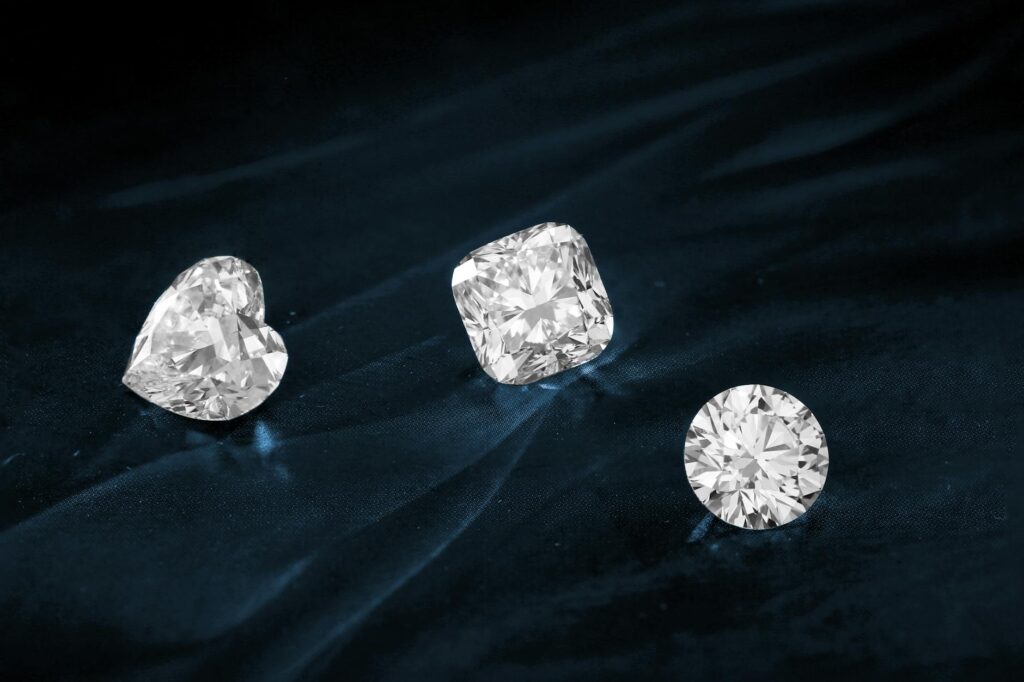
You’ll find virtually no differences between lab-grown and natural diamonds. Both are composed of pure carbon atoms arranged in a specific cubic crystal lattice structure. This identical composition means they possess the same hardness (10 on the Mohs scale), brilliance, fire, and scintillation. As TODAY.com reported in late 2025, experts agree that distinguishing between a lab-grown and a natural diamond without specialized laboratory equipment is impossible based on visual inspection alone. Even experienced gemologists rely on advanced tools to detect the subtle inclusion patterns or trace elements that might indicate a diamond’s origin.
| Feature | Natural Diamond | Lab-Grown Diamond |
|---|---|---|
| Composition | Pure Carbon | Pure Carbon |
| Brilliance/Sparkle | Identical | Identical |
| Durability (Mohs) | 10 | 10 |
| Resale Value Potential | Generally Higher | Generally Lower, Depreciates |
| Price Relative to Natural | Premium Price | 70%-90% Less (as of early 2026) |
| Environmental Impact | High (Mining Operations) | Moderate (Energy Consumption for Production) |
Cost-Effectiveness: More Bling for Your Buck?
One of the most significant drivers for the increasing popularity of lab-grown diamonds is their affordability. As reported by KHBS and the Rio Grande Guardian in early 2026, lab-grown diamonds can cost less than natural diamonds of equivalent size and quality. Some estimates suggest savings of up to 90% are possible. This means a consumer with a specific budget can acquire a larger, more visually impressive diamond if they opt for a lab-grown stone. For example, a $5,000 budget might yield a 1-carat natural diamond, whereas the same budget could potentially secure a 3-carat lab-grown diamond, offering a dramatically different aesthetic impact for the same financial outlay. This accessibility is changing the engagement ring market, as noted by Axios.
Investment Potential: Do Natural Diamonds Retain Value Better?
Here’s where the distinction between the two types of diamonds becomes most critical for some buyers. Natural diamonds, due to their inherent rarity and the significant costs and effort involved in their extraction, have historically been viewed as a store of value. Their resale value typically ranges from 50% to 70% of their original purchase price, depending on market conditions and the diamond’s quality. Natural diamonds, being finite resources, tend to hold their value over the long term, making them a more traditional investment choice.
Lab-grown diamonds, But — are produced industrially. As technology advances and production methods become more efficient, the cost of producing them is likely to decrease further. This trajectory is similar to that of other manufactured goods, like electronics. So, lab-grown diamonds are expected to depreciate in value over time. While they offer excellent aesthetic value and cost savings at the point of purchase, they’re generally not considered a sound investment for retaining or increasing wealth. Users report that their resale value is lower than natural diamonds, often decreasing rapidly as newer, more cost-effective production technologies emerge.
The Ethical Debate: Sourcing and Environmental Impact
The ethical considerations surrounding diamonds are complex and have been a significant concern for consumers. Historically, the diamond trade has been linked to conflict financing and human rights abuses in certain regions, giving rise to initiatives like the Kimberley Process. This international certification scheme aims to prevent the trade of ‘conflict diamonds’ or ‘blood diamonds’. Wilton Jewelers is committed to ethical sourcing and adheres strictly to the Kimberley Process and other rigorous standards to ensure that all its diamonds are conflict-free.
Lab-grown diamonds are often presented as the more ethical choice because their production bypasses the social and environmental issues associated with traditional mining. They eliminate the risk of conflict financing and reduce the direct environmental disruption caused by large-scale mining operations. However, the production of lab-grown diamonds is energy-intensive. While the specific environmental impact can vary greatly depending on the energy sources used by the manufacturing facilities (e.g., renewable vs. fossil fuels), this energy consumption is a factor to consider. Reports in early 2026 suggest that while lab diamonds reduce mining impacts, their energy demands are substantial. Therefore, the ethical choice depends on which set of values a buyer prioritizes: the avoidance of mining-related social issues versus the energy footprint of laboratory production. As CBS News highlighted regarding consumer choices in Maryland, many are opting for lab-grown diamonds, suggesting a growing preference for this origin, possibly driven by a combination of cost and perceived ethical advantages.
Latest Developments in 2026
The year 2026 has seen continued acceleration in the adoption of lab-grown diamonds. As previously mentioned, the price gap between lab-grown and natural diamonds has widened, with lab diamonds costing as much as 73% less than natural ones, according to the Rio Grande Guardian. This economic reality is making lab-grown diamonds increasingly attractive for a broader range of consumers, especially for engagement rings and other significant jewelry purchases where size and sparkle are primary considerations. The trend towards larger, more affordable engagement rings, driven by the availability of lab-grown diamonds, was highlighted by Axios. This shift suggests that lab-grown diamonds are no longer a niche product but are becoming mainstream, influencing consumer expectations and purchasing habits in the jewelry market.
Frequently Asked Questions
What are the main differences in investment potential between natural and lab-grown diamonds?
Natural diamonds, due to their rarity and finite supply, generally maintain or increase their value over time, making them a traditional investment. Lab-grown diamonds, being a product of technology and manufacturing, tend to depreciate in value as production methods improve and costs decrease. Therefore, natural diamonds are typically considered a better long-term investment.
How do lab-grown diamonds affect the environment compared to natural diamonds?
Lab-grown diamonds reduce the environmental impact associated with mining, such as land disruption and water usage. However, their production process is energy-intensive, and the overall environmental footprint depends heavily on the energy sources used. Natural diamond mining has a significant environmental impact due to the scale of operations required.
Can lab-grown diamonds be identified visually without specialized equipment?
No, visually distinguishing between a lab-grown diamond and a natural diamond is impossible for the untrained eye, and even experts require specialized laboratory equipment to detect subtle differences in their growth patterns or trace elements.
Are all diamonds sold by Wilton Jewelers ethically sourced?
Yes, Wilton Jewelers is committed to ethical sourcing. All diamonds are sourced in compliance with the Kimberley Process and other stringent ethical standards, ensuring they’re conflict-free and responsibly obtained.
what’s the primary advantage of choosing a lab-grown diamond in 2026?
The primary advantage of choosing a lab-grown diamond in 2026 is cost-effectiveness, allowing consumers to acquire larger and more visually impressive stones for less money than comparable natural diamonds. They also offer an alternative for those concerned about the environmental and social impacts of traditional mining.
How has the market perception of lab-grown diamonds changed recently?
Market perception has shifted with lab-grown diamonds increasingly recognized not as imitations but as genuine diamonds with identical properties to natural ones. Their growing market share, driven by affordability and consumer acceptance, is reshaping purchasing decisions, especially for engagement rings. As reported by KHBS, they’re changing the engagement game.
Conclusion
The choice between a lab-grown and a natural diamond in 2026 involves weighing several factors, including aesthetics, budget, ethical considerations, and investment goals. Lab-grown diamonds offer stunning visual appeal at a fraction of the cost of natural diamonds, making them an attractive option for many. However, natural diamonds retain their value as a finite resource and a traditional investment. Both types are chemically and physically identical, meaning the decision ultimately rests on personal values and priorities. Wilton Jewelers is dedicated to providing ethically sourced diamonds of both origins, assisting customers in finding the perfect stone that aligns with their desires and principles.
Source: Britannica
Related Articles
- The Timeless Tradition: History of Engagement Rings
- Lab-Grown Diamond Transformations: The Jewelry Revolution in 2026
- Automatic vs Self-Winding Watches: Unveiling Common
Editorial Note: This article was researched and written by the Wilton Jewelers editorial team. We fact-check our content and update it regularly. For questions or corrections, contact us.