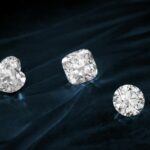
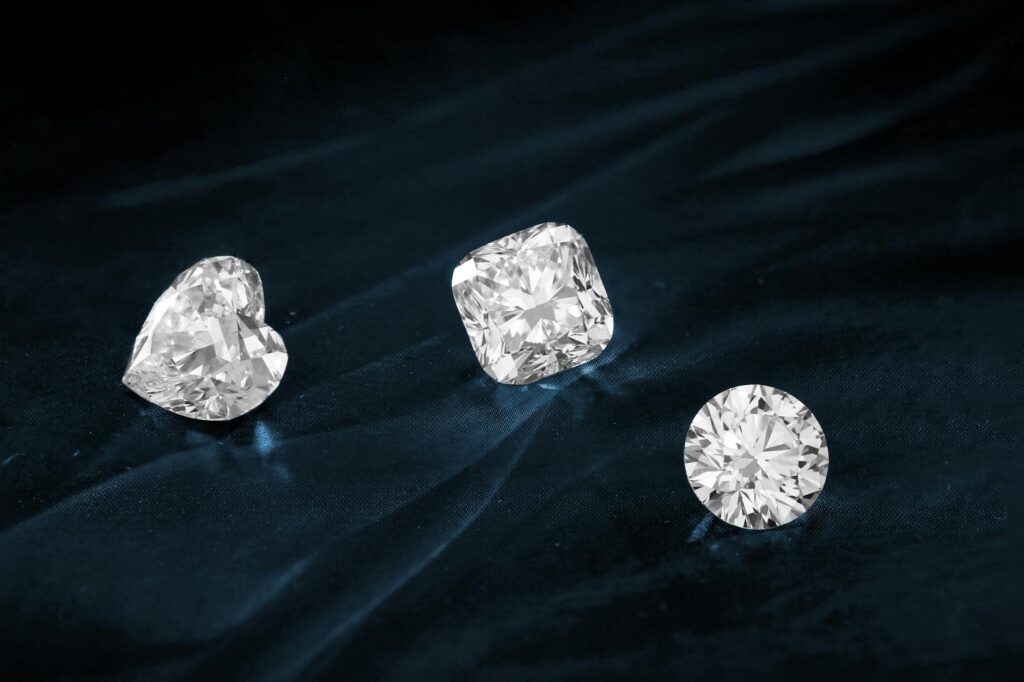
This guide covers everything about what’s moissanite vs diamond difference. This guide covers everything about what’s moissanite vs diamond difference. Choosing an engagement ring or a significant piece of jewelry involves weighing many factors, and the gemstone at its heart is really important. For decades, diamonds have reigned supreme, but in recent years, moissanite has emerged as a compelling alternative. nuances between moissanite and diamond is key to making an informed decision that aligns with your values, budget, and aesthetic preferences. This updated guide for April 2026 digs into the essential differences.
Latest Update (April 2026)
As of April 2026, the conversation around diamond alternatives continues to evolve. Recent reports highlight ongoing concerns about misrepresentation in the market, with instances of moissanite being passed off as lab-grown diamonds (LGDs) being noted by publications like The Times of India. This highlights the importance of purchasing from reputable jewelers who are transparent about the materials they offer. and, trends in jewelry design, such as the resurgence of unique settings like the East-West setting, as highlighted by Brides, influence how consumers perceive and choose their center stones, whether diamond or moissanite. The enduring appeal of natural diamonds, exemplified by high-profile appraisals like the “fat pear” shape diamond ring featured on “Antiques Roadshow” and valued at tens of thousands of dollars, also continues to shape the market.
What’s Moissanite vs. Diamond? The Core Distinction
The fundamental difference between moissanite and diamond lies in their origin and chemical composition. Diamonds are natural gemstones, composed of pure carbon that has formed deep within the Earth’s mantle under immense heat and pressure over billions of years. Each natural diamond is a product of a unique geological process, making it rare and distinct. Moissanite, But — is a silicon carbide gemstone that’s primarily created in a laboratory. While it was first discovered naturally in a meteor crater by Henri Moissan in 1893, the quantities found were minuscule. For commercial use in jewelry, moissanite is synthesized, allowing for consistent quality and controlled production.
How Do They Compare in Brilliance and Fire?
both moissanite and diamond are exceptional, but they exhibit these qualities differently. Diamonds are renowned for their brilliance — which is the white light reflected back from the gem’s facets. They also display fire, the dispersion of white light into spectral colors, and scintillation, the play of light and shadow as the gem moves. Moissanite, however, possesses a higher refractive index (approximately 2.65 to 2.69) compared to diamond (around 2.42). This higher refractive index means moissanite exhibits a more intense sparkle and a greater degree of fire, often appearing as more pronounced flashes of rainbow colors. While some consumers are captivated by moissanite’s vibrant, multi-colored fire, others may prefer the more classic, white-light brilliance often associated with diamonds. The perception of which is “better” is subjective and depends entirely on personal taste.
Independent tests and user reviews consistently indicate that moissanite’s fire is its most distinguishing visual characteristic. While diamonds can also show fire, moissanite’s dispersion is higher, leading to more frequent and vivid color flashes. You can be especially noticeable under direct light sources.
What About Durability on the Mohs Scale?
Durability is a critical factor for any gemstone intended for daily wear, especially in engagement rings. Both moissanite and diamond score exceptionally well on the Mohs scale of mineral hardness. Diamonds hold the top spot with a perfect Mohs hardness of 10, signifying their status as the hardest known natural material. Moissanite ranks very closely, with a Mohs hardness of 9.25. This makes moissanite highly resistant to scratching and abrasion, ensuring it can withstand the rigors of everyday life exceptionally well. While diamonds are virtually indestructible in terms of scratching, moissanite’s hardness is more than sufficient for solid, long-term wear. As with any precious gem, however, proper care is recommended. Avoiding exposure to harsh chemicals, extreme heat, and real effects will help maintain the beauty and integrity of both diamonds and moissanite over time.
According to GIA (Gemological Institute of America) standards and independent gemological assessments, both stones are excellent choices for durability. While a diamond is harder, moissanite’s 9.25 rating means it’s harder than most other gemstones used in jewelry, such as sapphires (9) and emeralds (7.5-8).
The Key Cost and Value Comparison
One of the most significant advantages of moissanite is its affordability compared to natural diamonds. The cost difference is substantial, making moissanite an attractive option for those seeking a larger or more elaborate piece of jewelry without the premium price tag of a diamond. For instance, a 1-carat natural diamond of good quality can range anywhere from $5,000 to upwards of $15,000, depending on the 4Cs (cut, color, clarity, and carat weight). In stark contrast, a comparable 1-carat moissanite stone typically costs between $300 and $800. This means that moissanite can cost as little as 6-16% of the price of a natural diamond of similar size and appearance, as reported by industry sources like National Jeweler. This considerable cost saving allows consumers to allocate their budget differently, perhaps towards a more intricate setting, a larger carat weight, or simply to keep within their financial limits.
When considering value, it’s important to distinguish between the initial purchase price and potential resale value. Natural diamonds generally retain a higher resale value than moissanite, although this can fluctuate based on market conditions and the diamond’s specific characteristics. Moissanite is primarily valued for its beauty and affordability at the point of sale, rather than as an investment.
Ethical Considerations and Origin
Both moissanite and diamonds can be sourced with ethical considerations in mind. Natural diamonds have historically faced scrutiny due to concerns about conflict diamonds, though initiatives like the Kimberley Process Certification Scheme have been established to ensure diamonds are conflict-free. Reputable jewelers are increasingly transparent about diamond sourcing. Lab-grown diamonds (LGDs) offer a chemically identical alternative to natural diamonds, created in controlled environments — which bypasses many of the ethical and environmental concerns associated with traditional mining. Moissanite, being lab-created, offers a conflict-free and environmentally conscious option from its inception. As The Globe and Mail recently discussed in their comparison of moissanite and lab-grown diamonds, both alternatives provide ethical pathways for consumers concerned about the origins of their gemstones.
Visual Appearance: Beyond Brilliance and Fire
While brilliance and fire are key, other visual aspects differentiate moissanite and diamond. Diamonds, especially those with lower color grades, may exhibit subtle yellowish or brownish tints. High-quality diamonds are colorless. Moissanite, especially older or lower-quality versions, can sometimes display a more pronounced rainbow fire that some find distracting. However, modern moissanite production has led to stones with enhanced colorlessness and controlled fire. For example, many moissanites are now available in near-colorless to colorless grades, similar to diamonds graded D-F on the GIA scale. It’s also worth noting that due to its higher refractive index, moissanite can sometimes appear ‘too white’ or even slightly greyish under certain lighting conditions, a characteristic that some users report.
The cut of a gemstone impacts its appearance. Both diamonds and moissanite are cut into various shapes (round, oval, princess, etc.) and receive different facet arrangements. A well-cut moissanite can be incredibly beautiful, and a poorly cut diamond will lack sparkle. Therefore, comparing cut quality is essential for both.
Comparing Moissanite and Diamond: A Summary Table
| Feature | Diamond | Moissanite |
|---|---|---|
| Composition | Pure Carbon | Silicon Carbide |
| Origin | Natural (Earth) | Lab-Created |
| Mohs Hardness | 10 | 9.25 |
| Refractive Index | ~2.42 | ~2.65-2.69 |
| Brilliance | Excellent | Excellent |
| Fire (Dispersion) | Good to Excellent | Exceptional (Higher than diamond) |
| Price (1 carat est.) | $5,000 – $15,000+ | $300 – $800 |
| Resale Value | Generally higher | Generally lower |
| Ethical Sourcing | Requires careful sourcing (e.g., Kimberley Process) | conflict-free |
Frequently Asked Questions
Why is moissanite cheaper than diamond?
Moissanite’s lower cost is primarily due to its origin and production method. Being lab-created, the process is more controlled, less resource-intensive, and doesn’t involve the extensive mining operations required for natural diamonds. This efficiency in production directly translates to a more accessible price point for consumers.
Does moissanite sparkle as much as a diamond?
Moissanite actually sparkles with more intensity than diamond, exhibiting a higher level of brilliance and a more pronounced fire (rainbow-like flashes of color) due to its superior refractive index. While diamonds offer a classic sparkle, moissanite’s sparkle is often described as more dazzling and colorful.
Can moissanite scratch easily compared to a diamond?
No, moissanite doesn’t scratch easily. With a hardness of 9.25 on the Mohs scale, it’s exceptionally resistant to scratching and abrasion, making it highly suitable for everyday wear. Diamonds are harder at 10 on the Mohs scale, but moissanite’s durability is more than adequate for most jewelry applications.
Will moissanite change color or become cloudy over time?
High-quality moissanite is known for its stability and resistance to discoloration. Unlike some other gemstones, it doesn’t typically change color or become cloudy with normal wear and exposure to elements. Proper cleaning will maintain its luster.
Are there ethical concerns with buying moissanite?
Moissanite is synthesized in a laboratory — which means it’s conflict-free and doesn’t carry the same ethical concerns sometimes associated with the mining of natural diamonds. Consumers seeking ethically sourced gemstones often find moissanite a compelling choice.
Conclusion
The choice between moissanite and diamond in 2026 hinges on individual priorities. Diamonds offer the allure of natural rarity, a storied history, and a specific type of brilliance that has been cherished for centuries. they’re often seen as a traditional investment. Moissanite, conversely, provides a breathtaking sparkle, exceptional durability, and a more affordable price point, making it an excellent choice for budget-conscious buyers or those who prefer a more vibrant display of fire. As highlighted by recent market trends and consumer discussions, both stones have their unique appeal. Understanding their differences in composition, optical properties, durability, and cost empowers you to select the gemstone that best suits your needs and desires for your special piece of jewelry.
Source: Britannica
Related Articles
- Diamond Earrings Wilton: Your Sparkle Guide
- How to Measure Ring Size: Simple Steps for a Perfect Fit at
- How to Start a Career in Gemology: The Ultimate 2026 Guide
Editorial Note: This article was researched and written by the Wilton Jewelers editorial team. We fact-check our content and update it regularly. For questions or corrections, contact us.