
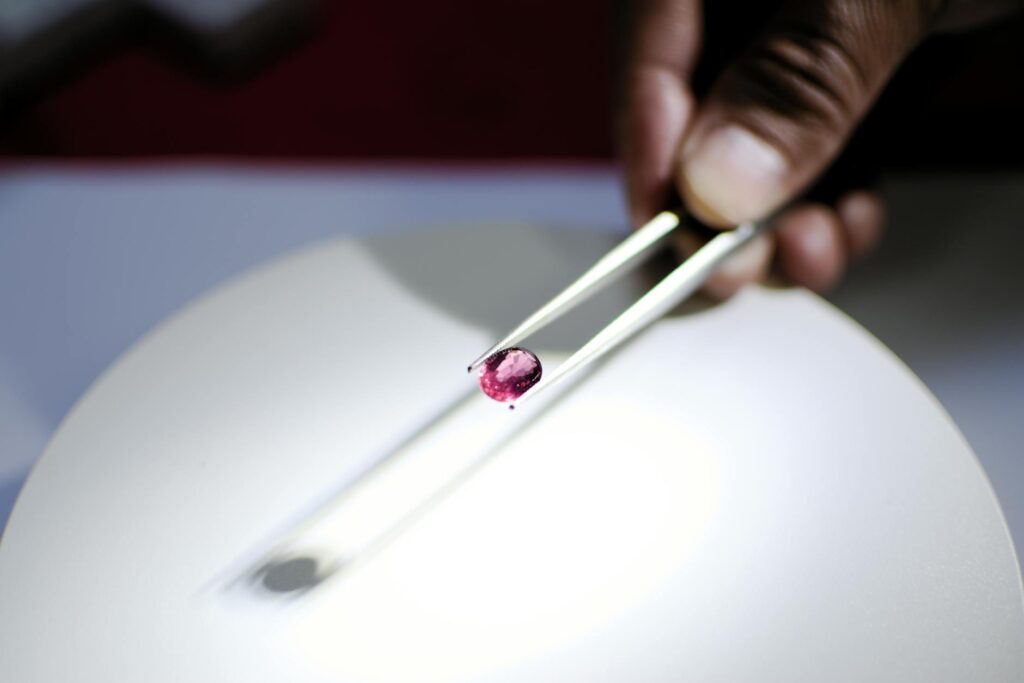
How to Start a Career in Gemology: The Ultimate 2026 Guide
This guide covers everything about How to Start a Career in Gemology: The Ultimate 2026 Education &. Salary Guide. This guide covers everything about How to Start a Career in Gemology: The Ultimate 2026 Education &. Salary Guide. Starting a career in gemology in 2026 requires a strategic blend of specialized education, hands-on experience, and an understanding of the evolving technological landscape. This field — which combines scientific analysis with an appreciation for beauty and value, offers a rewarding path for those with a passion for gemstones. With diligent training and a commitment to ethical practices, you can build a successful and lucrative career in gemology.
Latest Update (April 2026)
As of April 2026, the gemology field continues to be shaped by technological advancements and a growing consumer demand for transparency and ethical sourcing. The integration of artificial intelligence (AI) in grading processes and blockchain technology for tracing gemstone origins are no longer emerging concepts but are becoming industry standards. Institutions like the Gemological Institute of America (GIA) are actively incorporating these technologies into their curriculum and research, preparing future gemologists for the demands of the modern jewelry market. and, as reported by the Bureau of Labor Statistics, the career outlook for gemologists remains stable, with opportunities present across various sectors of the jewelry industry, from retail and appraisal to laboratory analysis and even entrepreneurship, as highlighted by recent discussions on starting one’s own gemology business from outlets like India Today.
what’s Gemology?
Gemology is the scientific study of gemstones. It encompasses the identification, grading, valuation, and understanding of the properties of both precious and semi-precious stones. This discipline goes far beyond mere aesthetics, delving into the geological origins, chemical composition, physical characteristics, and potential treatments of gems. A skilled gemologist uses specialized instruments and a keen eye to distinguish natural stones from synthetics, identify treatments, and determine the quality factors that influence a gemstone’s value. In essence, gemology is critical for ensuring market integrity, consumer confidence, and fair trade within the global jewelry industry.
Do You Need a Degree for Gemology?
While a formal academic degree in gemology isn’t always mandatory to enter the field, obtaining professional certifications from reputable institutions is highly recommended and often considered essential for establishing credibility and advancing a career in gemology. Organizations such as the Gemological Institute of America (GIA), the International Gemological Institute (IGI), and the Swiss Gemmological Institute (SSEF) offer complete programs that are widely recognized and respected by the industry. The GIA’s Graduate Gemologist program, for instance, is a cornerstone for many aspiring gemologists, providing a foundational understanding of diamonds and colored gemstones. IGI is especially renowned for its expertise in diamond grading, while SSEF is highly regarded for its in-depth analysis of colored stones.
Education and Certification Pathways
Embarking on a career in gemology typically involves structured educational programs designed to impart the necessary knowledge and skills. Aspiring gemologists can choose from various educational pathways:
- Professional Certifications: As mentioned, certifications from GIA, IGI, and SSEF are really important. These programs often cover a broad spectrum of gemological topics, including identification, grading (the 4 Cs for diamonds: Cut, Color, Clarity, Carat Weight), origin determination, and the detection of synthetics and treatments.
- Specialized Courses: Beyond general gemology programs, many institutes offer specialized courses focusing on specific areas like diamond grading, colored stone identification, pearl grading, or gem carving.
- Continuing Education: The gemological field is dynamic. Professionals are encouraged to engage in continuous learning through workshops, seminars, and advanced courses to stay abreast of new discoveries, treatments, and technologies. Organizations like the American Gem Society (AGS) and the National Association of Jewelry Appraisers (NAJA) also offer valuable continuing education opportunities.
According to industry professionals and educational providers, completing these certification programs not only equips individuals with critical knowledge but also signals a serious commitment to the profession, opening doors to employment opportunities and client trust.
Gaining Hands-on Experience
Theoretical knowledge is indispensable, but practical, hands-on experience is what truly hones a gemologist’s skills. Working directly with gemstones and jewelry under the guidance of experienced professionals provides invaluable insights into market dynamics, client interactions, and the practical application of gemological principles. Opportunities for gaining this Key experience include:
- Internships: Seek internships at reputable jewelry stores, appraisal firms, gemological laboratories, or auction houses. These positions offer a chance to observe and participate in daily operations, from examining stones to assisting with appraisals and client consultations.
- Apprenticeships: Some established gemologists or jewelers offer apprenticeships, providing intensive, on-the-job training. You can be an excellent way to learn specific techniques and gain a deep understanding of the trade.
- Bench Experience: For those interested in the repair and manufacturing side of jewelry, spending time on the jeweler’s bench can offer a unique perspective on how gemstones are set, how metalwork interacts with stones, and the physical stresses that gems endure.
- Retail Exposure: Working in a retail jewelry environment allows for direct interaction with customers, understanding their needs, and learning how to effectively communicate the value and characteristics of gemstones.
Real-world exposure is critical for developing the nuanced judgment required for accurate grading and valuation. As noted by industry publications like Rapaport, careers in the jewelry industry, including gemology, thrive on a combination of technical skill and practical application.
Specialization and Niche Markets
The field of gemology is broad, and specializing in a particular niche can enhance career prospects and earning potential. Identifying a specific area of expertise allows gemologists to become sought-after authorities. Some popular and lucrative specializations include:
- Diamond Grading and Valuation: Focusing on the intricate process of grading diamonds according to established standards, including fancy colored diamonds.
- Colored Stone Identification and Grading: Developing expertise in the vast world of colored gemstones, such as rubies, sapphires, emeralds, and tourmalines, including their origins, treatments, and market values.
- Antique Jewelry Valuation: Specializing in the appraisal of historical jewelry pieces, requiring knowledge of different eras, styles, and historical significance.
- Gemstone Treatments and Synthetics: Becoming an expert in identifying and disclosing gemstone treatments and distinguishing natural stones from laboratory-grown or imitation stones.
- Auction House Expertise: Working for auction houses like Christie’s or Sotheby’s — where gemologists are responsible for authenticating, cataloging, and valuing high-value gemstones and jewelry for sale.
- Forensic Gemology: Applying gemological principles to legal cases, such as insurance fraud investigations or provenance research.
- Ethical Sourcing and Sustainability: With increasing consumer awareness, gemologists specializing in tracing the origin of gemstones and verifying ethical mining practices are becoming increasingly valuable.
Pursuing specialization often involves advanced training and certifications tailored to the chosen niche. For example, expertise in auction house specialization might be gained through direct experience with major auctioneers.
The Role of Technology in Modern Gemology
In 2026, technology plays an increasingly integral role in gemology. Gemologists must be proficient in utilizing advanced scientific instruments and digital tools to perform accurate analyses and keep pace with industry innovations. Key technological impacts include:
- Advanced Spectroscopic Instruments: Tools like Fourier-Transform Infrared (FTIR) spectrometers, UV-Vis-NIR spectrophotometers, and Raman spectrometers are essential for identifying gemstones, detecting treatments, and distinguishing natural from synthetic stones.
- Microscopy: High-powered gemological microscopes are Key for examining internal characteristics (inclusions) and surface features, providing vital clues for identification and grading.
- Digital Imaging and Photography: As highlighted in discussions around career forums by organizations like AGA, high-quality gem and jewelry photography is vital for marketing, documentation, and online sales. Proficiency in digital photography techniques and software is a valuable asset.
- AI-Powered Grading Systems: Artificial intelligence is being developed to assist in the grading of diamonds and colored stones, potentially increasing speed and consistency. Gemologists need to understand how to work alongside these systems.
- Blockchain for Traceability: Blockchain technology offers a secure and transparent way to track a gemstone’s journey from mine to market, ensuring ethical sourcing and combating illicit trade. Gemologists may be involved in verifying and integrating this data.
- 3D Scanning and Modeling: Used for detailed documentation of unique gemstones and jewelry pieces, especially relevant for appraisal and insurance purposes.
Staying updated with these technological advancements isn’t just beneficial but essential for career longevity and competitiveness in the gemology field. As the Bureau of Labor Statistics notes, adaptability and proficiency with new tools are key to career success.
Salary Expectations in 2026
The profitability of a career in gemology can vary based on experience, specialization, location, and the type of employer. However, the field generally offers competitive compensation. In 2026, industry reports and salary surveys suggest the following:
- Entry-Level Gemologists: Those starting their careers, typically with basic certifications and limited experience, can expect to earn an annual salary ranging from approximately $45,000 to $60,000. This might include roles in retail settings, junior lab positions, or assistant appraisal roles.
- Mid-Career Gemologists: With several years of experience, advanced certifications, and potentially a specialization, salaries can increase to $60,000 to $90,000 annually. This level might involve senior lab technician roles, independent appraisal work, or specialized sales.
- Senior and Expert Gemologists: Highly experienced professionals, often with specialized expertise (e.g., in rare stones, historical pieces, or leading lab positions), or those in management or consulting roles, can earn well over $100,000, with top-tier experts potentially earning $150,000 or more. This also includes successful entrepreneurs who have built their own gemology businesses, as discussed in entrepreneurial guides.
Factors such as working for a major international laboratory, a prestigious auction house, or running a successful independent business can influence earning potential. Geographic location also plays a role, with higher salaries often found in major metropolitan areas with active jewelry markets.
The Importance of Ethics and Professionalism
In any field dealing with valuable commodities and consumer trust, ethics are really important. Gemology is no exception. Upholding strict ethical standards is fundamental to a successful and respected career. This includes:
- Honesty and Transparency: Always accurately identifying and grading gemstones, disclosing any treatments or enhancements, and providing fair valuations.
- Confidentiality: Maintaining client privacy, especially when dealing with appraisals or sensitive information.
- Impartiality: Providing objective assessments without bias or external pressure.
- Continuous Professional Development: Committing to ongoing education to ensure knowledge remains current with industry standards, new synthetics, and treatments.
Professional organizations often have codes of ethics that members are expected to adhere to. Adherence to these principles builds trust with clients, colleagues, and the wider industry — which is essential for long-term career sustainability.
Entrepreneurship in Gemology
For those with a strong entrepreneurial spirit, gemology offers exciting possibilities for starting one’s own business. As highlighted by publications like India Today, many gemologists use their expertise to create independent ventures. Potential business models include:
- Independent Appraisal Services: Offering appraisal services for insurance, estate planning, or resale purposes.
- Specialty Gemstone Retail: Focusing on a niche market, such as ethically sourced gems, antique jewelry, or specific types of gemstones.
- Consulting: Providing expert advice to collectors, investors, jewelry designers, or retailers.
- Educational Services: Developing and teaching gemology courses or workshops.
- Online Gemstone Sales: Establishing an e-commerce platform for selling certified gemstones.
Success in entrepreneurship requires not only deep gemological knowledge but also strong business acumen, marketing skills, and a solid network within the industry.
Frequently Asked Questions
what’s gemology?
Gemology is the scientific study of gemstones, covering their identification, grading, valuation, and the understanding of their geological origins, physical properties, and treatments.
How do I start a career in gemology?
To start a career in gemology, obtain certifications from recognized institutions like GIA or IGI, gain practical hands-on experience through internships or apprenticeships, and consider specializing in a niche market.
what’s the average salary for a gemologist in 2026?
In 2026, entry-level gemologists typically earn between $45,000 and $60,000 annually, with experienced professionals and specialists earning considerably more.
What are the major technological trends impacting gemology today?
Key trends include the integration of AI for grading, the use of blockchain for ethical sourcing traceability, and advancements in spectroscopic and microscopic analysis tools.
What specialization opportunities exist in gemology?
Opportunities include diamond grading, colored stone expertise, antique jewelry valuation, forensic gemology, ethical sourcing verification, and auction house specialization.
Is a formal degree required to become a gemologist?
No, a formal academic degree isn’t strictly required, but professional certifications from reputable gemological institutes are considered essential for credibility and career advancement.
Conclusion
Embarking on a career in gemology in 2026 offers a fascinating and potentially lucrative path for individuals with a passion for gemstones and a dedication to scientific precision. By pursuing reputable education and certifications, gaining invaluable hands-on experience, staying abreast of technological advancements, and committing to ethical practices, aspiring gemologists can build a fulfilling and successful career. Whether you aim to work in a leading laboratory, an auction house, a retail environment, or forge your own entrepreneurial path, the world of gemology provides a spectrum of opportunities for those ready to explore its depths.
Last updated: April 2026.
Source: edX
Related Articles
- Jewelry Cleaner Secrets: Restore Brilliant Shine Like a Pro (2026)
- Vintage Jewelry Gifts: Surprise Them This Year
- Discover Special Personalized Jewelry Gift Ideas
Editorial Note: This article was researched and written by the Wilton Jewelers editorial team. We fact-check our content and update it regularly. For questions or corrections, contact us.