Diamond Rings Wilton: Your First Guide
So, you’re on the hunt for diamond rings in Wilton, huh? Maybe it’s for an engagement, an anniversary, or just because you deserve it. Thing is, stepping into the world of diamonds can feel like trying to read a foreign language. All those ‘Cs,’ the carats, the cuts… it’s enough to make anyone’s head spin. But honestly? It doesn’t have to be. I’ve been around this block more times than I can count, and I’ve seen folks get totally lost in the jargon. My goal here’s to cut through the noise, give you the real scoop, and make sure you feel confident walking into any jewelry store in Wilton, especially ours at Wilton Jewelers.
Last updated: April 18, 2026
This isn’t about telling you what to buy. it’s about empowering you with knowledge. We’re going to talk about what actually matters when you’re looking at diamond rings, what to watch out for, and how to find a piece that you’ll adore for years to come. We’re talking about real advice, no fluff, just straight talk from someone who loves this stuff.
What Exactly Makes a Diamond Ring ‘Quality’?
The quality of a diamond ring isn’t some abstract concept. it’s defined by the ‘Four Cs’: Cut, Color, Clarity, and Carat weight. These factors determine a diamond’s appearance and value. A well-cut diamond sparkles brilliantly, while color and clarity refer to the absence of color and internal imperfections, respectively. Carat is simply the diamond’s weight.
When you’re looking at diamond rings in Wilton, you’ll hear these terms constantly. Let’s break them down, because understanding them is your superpower.
The Four Cs: Your Diamond’s DNA
Here’s non-negotiable foundational knowledge. Think of the Four Cs as the report card for your diamond. Get these right, and you’re miles ahead.
Cut: This is arguably the MOST important C. It’s not about the diamond’s shape (like round, princess, or oval), but how well its facets interact with light. A superb cut means maximum sparkle and fire. A poorly cut diamond, even if large and colorless, can look dull. Here’s where artistry meets science, and a great cut makes a world of difference. We’re talking about light performance here – how much light enters the diamond, bounces around inside, and then returns to your eye as brilliance and fire. It’s magic, but it’s measurable.
Color: This refers to the absence of color in a white diamond. Diamonds are graded on a scale from D (colorless) to Z (light yellow or brown). Honestly, for most people, the difference between a D, E, or F is pretty much invisible to the naked eye. I always tell beginners to aim for the G to J range. You get a beautifully white-looking diamond without paying a premium for those absolute colorless grades that most people can’t even distinguish.
Clarity: This measures the presence of internal inclusions (flaws) and external blemishes. The scale ranges from Flawless (FL) to Included (I1, I2, I3). Again, for beginners, I usually steer them towards the VS (Very Slightly Included) or SI (Slightly Included) ranges. Why? Because most inclusions in these grades are microscopic and won’t affect the diamond’s beauty. You’re paying for clarity that you literally can’t see. It’s about finding that sweet spot between perfection and practicality. You want it to look clean to the naked eye, and that’s achievable without breaking the bank.
Carat: This is simply the weight of the diamond. One carat equals 200 milligrams. It’s the easiest C to understand but often the one people fixate on. Bigger isn’t always better if the other Cs suffer. Sometimes, a slightly smaller diamond with an amazing cut can outshine a larger one with a poor cut. Plus, diamonds around the 1-carat mark often hit a price jump, so sometimes going just under (like 0.90ct) can save you a surprising amount of money without a noticeable visual difference.
- 4 Cs empowers smart choices.
- Focusing on cut maximizes sparkle.
- Finding value in color/clarity ranges saves money.
- Carat weight is important but not the only factor.
- Overemphasis on carat can lead to compromises elsewhere.
- Extreme grades (FL clarity, D color) are often unnecessary for beginners.
- Poor cut diminishes beauty.
Choosing the Right Diamond Shape for Your Wilton Ring
The shape of your diamond is totally personal preference, but it does impact how the diamond looks and even how it’s priced. Think about the vibe you’re going for. Round brilliant is the classic, and it’s the most popular for a reason – it sparkles like crazy. But don’t sleep on the others!
Princess cuts are sharp and modern, often a bit more affordable than rounds for the same carat weight. Emerald and Asscher cuts are step cuts, meaning they have long, linear facets. They offer a different kind of elegance, more understated and geometric. They also tend to show inclusions more readily, so clarity is extra important here.
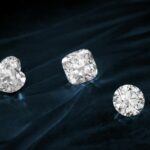
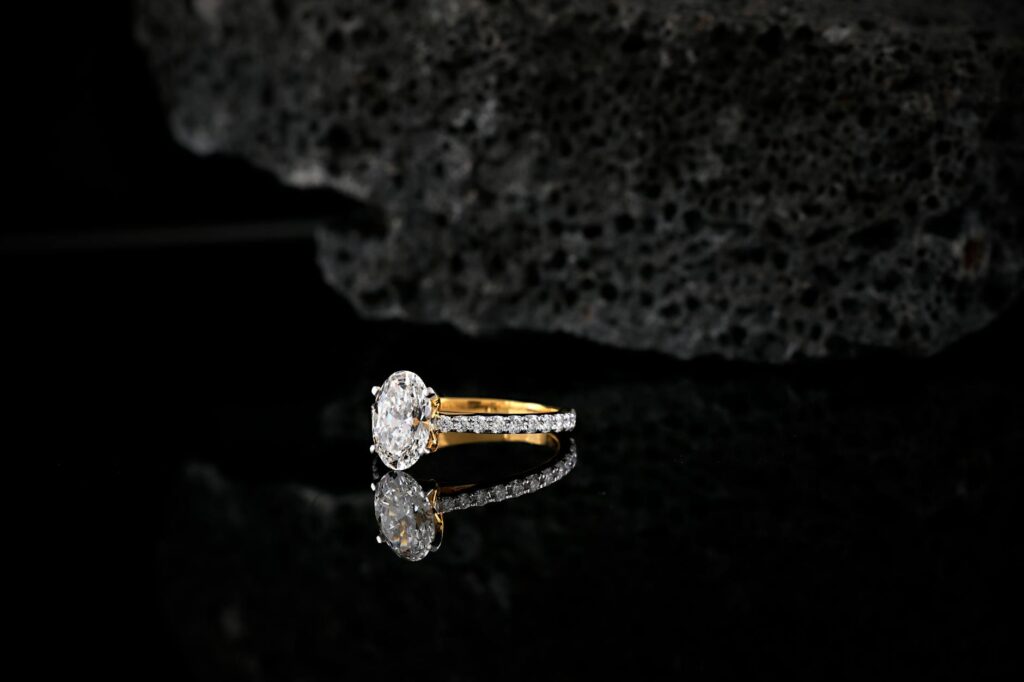
Oval and Pear shapes are beautiful, elongated options that can make fingers look slimmer. Marquise cuts are also elongated and can appear larger than their carat weight. Cushion cuts are romantic and vintage-feeling, with rounded corners. When you’re visiting jewelers in Wilton, ask to see a few different shapes side-by-side. You might be surprised by which one speaks to you.
Metal Matters: What Your Ring Band Is Made Of
Okay, so we’ve talked diamonds. Now, what about the ring itself? The metal band plays a huge role in the overall look and durability of your diamond ring. The most common choices are platinum, white gold, yellow gold, and rose gold.
Platinum is a naturally white, strong, and hypoallergenic metal. It’s dense, feels substantial, and is a premium choice. It does scratch, but the scratches tend to be ‘nicks’ rather than metal loss, and the platinum burnishes over the scratch, creating a patina over time. It’s a favorite for high-end diamond rings.
Gold comes in various karats (10K, 14K, 18K) and colors. 14K is a great balance of durability and gold content for everyday wear. 18K has more pure gold, making it softer but richer in color. White gold is alloyed with white metals and then plated with rhodium for a bright white finish. This plating does wear off over time and needs reapplication every 1-2 years to maintain its bright white look. Yellow gold is classic and warm, while rose gold offers a romantic pink hue. When you’re looking at diamond rings in Wilton, consider your lifestyle and personal style.
Expert Tip: If you have sensitive skin or allergies, platinum or 14K/18K white gold (with regular rhodium plating maintenance) are usually excellent choices. Always ask your jeweler about hypoallergenic options.
Navigating Jewelers in Wilton: What to Look For
Finding the right jeweler is just as important as choosing the right diamond. You want someone knowledgeable, trustworthy, and transparent. At Wilton Jewelers, we pride ourselves on exactly that.
When you’re shopping for diamond rings in Wilton, pay attention to a few things:
- Knowledge and Patience: Do they take the time to explain things without making you feel rushed or unintelligent?
- Transparency: Are they upfront about diamond certifications, metal content, and pricing?
- Selection: Do they have a good variety of styles and price points?
- Reputation: Check online reviews, but also ask around. Word-of-mouth is powerful.
- Certifications: Reputable jewelers will offer diamonds with grading reports from independent labs like GIA (Gemological Institute of America) or AGS (American Gem Society). Here’s Key for verifying a diamond’s quality.
A Note on Certifications: Don’t just take a jeweler’s word for it. A GIA or AGS certificate is your objective proof of a diamond’s quality. If a diamond doesn’t come with one, or if it’s from an unknown lab, be very cautious. It’s like buying a car without a VIN number – something’s not right.
Understanding Diamond Ring Pricing in Wilton
The price of diamond rings in Wilton, or anywhere for that matter, can vary wildly. It’s a combination of the Four Cs, the diamond’s shape, the metal of the band, the complexity of the setting, and the jeweler’s markup. A 1-carat diamond can range from a few thousand dollars to tens of thousands.
Here’s a reality check: You’re paying for quality, craftsmanship, and the reputation of the store. A lower price than expected on a diamond might mean compromises on the Cs, or potentially even ethical sourcing concerns. It’s always wise to get a few quotes and compare, but remember that the cheapest option isn’t always the best value.
Blockquote Stat: According to Polygon, the average engagement ring cost in the US was around $6,000 in 2023. However, this figure can vary greatly based on location, preferences, and spending habits. (Source: Polygon)
My take: Don’t get hung up on a specific price point if it means sacrificing quality or peace of mind. Focus on finding the best diamond ring for you within your budget. It’s about finding joy and meaning, not just a transaction.
The Ethical Side of Diamond Rings
Here’s huge, and something I feel really strongly about. Where do diamonds come from? Are they ethically sourced? In my 10+ years in this business, I’ve seen a big shift towards transparency and ethical practices. Most reputable jewelers, including us at Wilton Jewelers, are committed to providing conflict-free diamonds.
Look for jewelers who can provide information about their sourcing. Many diamonds today are laser-inscribed with their origin or a tracking number that links back to their journey. This ensures that the diamonds you’re buying haven’t been used to finance conflict or come from mines with exploitative labor practices. It’s an important conversation to have when you’re looking at diamond rings in Wilton.
A Quick Comparison: Natural vs. Lab-Grown Diamonds
| Feature | Natural Diamonds | Lab-Grown Diamonds |
|---|---|---|
| Origin | Mined from the earth | Created in a laboratory |
| Chemical Composition | 100% Carbon | 100% Carbon (identical to natural) |
| Appearance | Identical to lab-grown; graded on 4 Cs | Identical to natural; graded on 4 Cs |
| Price | Generally higher due to rarity and mining costs | Generally 30-70% less expensive than natural |
| Rarity/Investment | Considered rare, holds resale value | Mass-produced, resale value typically lower |
| Ethical Concerns | Can be an issue (conflict diamonds), but regulations exist | No mining or conflict concerns; energy usage is a factor |
Both natural and lab-grown diamonds are beautiful and chemically identical. The choice often comes down to budget and personal philosophy. For many, the romance and perceived rarity of a natural diamond are key. For others, a larger, more brilliant lab-grown diamond at a lower price point is the perfect fit. There’s no wrong answer here, only what’s right for you when choosing diamond rings in Wilton.
Ready to Find Your Diamond Rings in Wilton?
Look, buying diamond rings is a big deal, but it should also be an exciting one. You’re marking a moment, celebrating a connection, or indulging yourself. Don’t let the complexity scare you off. Arm yourself with the knowledge we’ve covered – the Four Cs, shapes, metals, and what to expect from a reputable jeweler.
Here at Wilton Jewelers, we live and breathe this stuff. We’re here to guide you through every step, answer your questions honestly, and help you find a diamond ring in Wilton that you’ll cherish forever. We’ve seen it all, and we’re ready to help you find your perfect sparkle.
Frequently Asked Questions
what’s the most important factor when buying a diamond ring?
The most important factor is the diamond’s cut, as it dictates the sparkle and brilliance. A well-cut diamond will look more impressive than a larger one with a poor cut, impacting its beauty and overall appeal.
Are lab-grown diamonds real diamonds?
Yes, lab-grown diamonds are real diamonds. They have the same chemical, physical, and optical properties as natural diamonds. The only difference is their origin. they’re created in a laboratory rather than mined from the earth.
What metal is best for a diamond ring?
The best metal depends on personal preference and lifestyle. Platinum is durable and hypoallergenic. White gold is popular but requires re-plating. Yellow and rose gold offer classic and warm tones, respectively, with 14K or 18K being common choices.
How much should I expect to spend on diamond rings in Wilton?
Prices for diamond rings in Wilton vary greatly, typically from a few thousand to tens of thousands of dollars. Factors include the 4 Cs, metal, setting, and jeweler’s markup. Focus on value and quality within your budget rather than a fixed price.
what’s a conflict-free diamond?
A conflict-free diamond is one that hasn’t been traded illegally to finance wars or other illicit activities. Reputable jewelers ensure their diamonds are sourced ethically, often through tracking systems or adherence to international standards like the Kimberley Process.
Source: GIA (Gemological Institute)
Editorial Note: This article was researched and written by the Wilton Jewelers editorial team. We fact-check our content and update it regularly. For questions or corrections, contact us.