
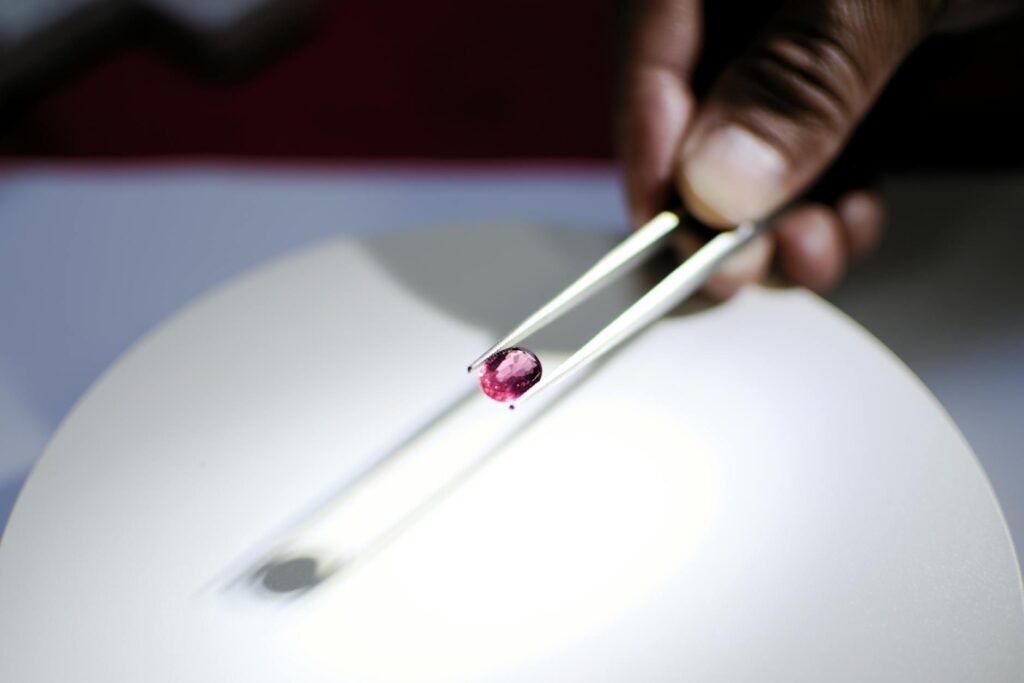
This guide covers everything about How to Become a Certified Gemologist in 2026: The Ultimate Career Guide. How to Become a Certified Gemologist in 2026
Are you contemplating a career in gemology in 2026? Pursuing certification from a leading institute can open doors to global opportunities and lucrative salaries within this captivating field.
Latest Update (April 2026): The gemological landscape continues to evolve. Recent developments include the American Gem Society (AGS) announcing its Advanced Certified Gemologist Appraiser credential, signaling a push for higher specialization within the appraisal sector, as reported by instoremag.com. and, the International Gemological Institute (IGI) has expanded its reach in colored gemstone certification through its acquisition of American Gemological Laboratories, according to Indian Jeweller. These moves highlight the dynamic nature of the industry and the increasing importance of specialized knowledge and recognized credentials.
Why Pursue Gemology in 2026?
Gemology offers a unique career path with significant global job prospects and the potential for high earnings, making it an increasingly attractive choice for professionals. Reports indicate a surge in demand for certified appraisers, driven by factors such as the growing emphasis on ethical sourcing practices and the increasing transparency surrounding lab-grown diamonds. As noted by the Gemological Institute of America (GIA), this demand has seen a substantial increase, reflecting the evolving consumer and industry expectations.
The gemology market is expanding rapidly, offering more than just traditional appraisal jobs. Opportunities extend into areas like gemstone sourcing, retail management, luxury brand consultation, and even specialized roles within the investment sector. As the Bureau of Labor Statistics (.gov) indicated in late 2024, the career outlook for gemologists remains positive, with a steady need for skilled professionals.
Salaries for certified gemologists can range often falling between $80,000 and $150,000 annually. Top global hubs for gemological careers include established centers like New York and Antwerp, as well as rapidly growing markets such as Dubai and Mumbai, offering diverse professional experiences.
Step-by-Step Guide to Becoming a Certified Gemologist in 2026
The foundational step to becoming a certified gemologist is acquiring a complete diploma or certification from a recognized and respected gemological institution. While a formal degree in geology can provide a strong scientific background, it’s not strictly a prerequisite. The emphasis in gemology lies heavily on practical, hands-on laboratory experience and the development of a keen eye for detail.
Several institutions stand out globally for their rigorous training and respected credentials:
- Gemological Institute of America (GIA): Widely regarded as the premier institution for complete gem education, offering extensive programs covering diamonds, colored stones, and pearls.
- HRD Antwerp: Renowned for its specialized expertise in diamond grading and identification, especially within the European market.
- Swiss State Gemological Institute (SSEF): Highly respected for its advanced analysis and identification of colored gemstones, with a strong focus on origin and treatments.
- International Gemological Institute (IGI): With its recent acquisition of American Gemological Laboratories, IGI is expanding its capabilities, especially in colored gemstone certification, as reported by Indian Jeweller.
Core to any gemologist’s training is ‘4 Cs’ of diamond grading: Carat weight, Cut, Color, and Clarity. Beyond these fundamentals, modern gemology training increasingly incorporates advanced identification techniques, an understanding of gemstone treatments, and the ability to discern natural from synthetic and lab-grown stones. Emerging technologies like blockchain are also being integrated into curricula to teach gemstone traceability, a critical aspect in today’s ethical sourcing discussions.
Essential Skills and Knowledge
Beyond the core curriculum, developing a sharp visual acuity is really important. This involves training your eyes to detect subtle differences in color saturation, clarity characteristics (inclusions and blemishes), and the precision of a gemstone’s cut. Proficiency with essential gemological tools is also non-negotiable. These include:
- Loupe: Typically a 10x magnification tool used for close examination of inclusions and surface details.
- Refractometer: Measures the refractive index of a gemstone, a key property for identification.
- Polariscope: Helps determine optical properties, such as whether a stone is singly or doubly refractive.
- Specific Gravity Kit: Used to determine the density of a gemstone relative to water.
- Spectroscope: Analyzes how a gemstone absorbs light, revealing characteristic spectral lines that aid in identification and detection of treatments.
- Microscope: Provides higher magnification for detailed examination of internal structures and surface features.
geological formation of various gemstones, their chemical compositions, and crystallographic structures provides a Key scientific foundation. and, knowledge of market trends, pricing, and ethical sourcing regulations is vital for professional success.
The Role of Technology and Traceability
In 2026, technology plays an increasingly significant role. Advanced spectroscopic instruments and digital imaging systems enhance the precision and speed of analysis. As noted by marketplace.org in August 2025, true market value of a diamond, especially in relation to its grading report, is Key for consumers, and gemologists are key to providing this clarity. Blockchain technology is also emerging as a tool for ensuring gemstone traceability, offering consumers and industry professionals a transparent record of a stone’s journey from mine to market. This technological integration requires gemologists to be adaptable and continuously update their skill sets.
Cost of Certification in 2026
The investment required for gemological certification can vary based on the program’s structure, duration, and the reputation of the institution. complete diploma programs, such as the full Graduate Gemologist (GG) program offered by leading institutes, typically range from $20,000 to $25,000. These immersive programs often include extensive hands-on laboratory work and cover a broad spectrum of gemstones.
For individuals seeking more flexibility or those with budget constraints, distance learning or online options are available. These programs, while still requiring dedication, may cost between $10,000 and $15,000. Despite the considerable upfront financial commitment, the return on investment (ROI) for a career in gemology is generally considered strong, given the earning potential and career stability.
Many aspiring gemologists begin their journey by gaining entry-level experience in the jewelry industry, perhaps in retail settings. This practical exposure can provide a solid foundation and clarify career aspirations before committing to formal certification. Exploring opportunities within established jewelry businesses can offer valuable insights into the trade.
Career Paths After Certification
Achieving certification as a gemologist unlocks a diverse array of career paths within the broader jewelry and luxury goods industries. The skills and knowledge acquired are highly transferable and in demand across various sectors:
- Diamond Grader/Evaluator: Employed by major gemological laboratories like GIA, HRD Antwerp, or IGI, responsible for accurately grading diamonds and colored gemstones according to established standards.
- Auction House Specialist/Consultant: Collaborating with prestigious auction houses such as Christie’s or Sotheby’s, providing expertise in the valuation and authentication of rare and significant gemstones for auctions.
- Gemstone Investment Advisor: Offering expert guidance to individuals and institutions on the investment potential of specific gemstones, including market analysis and risk assessment.
- Luxury Retail Buyer/Merchandiser: Sourcing and selecting gemstones for high-end jewelry brands and retailers, ensuring quality, uniqueness, and market appeal.
- Appraiser: Conducting detailed appraisals for insurance, resale, or estate purposes. The recent introduction of advanced credentials, like the AGS Advanced Certified Gemologist Appraiser credential mentioned by instoremag.com, highlights a growing demand for specialized appraisal expertise.
- Forensic Gemologist: Applying gemological knowledge to legal cases, such as insurance fraud investigations or provenance disputes.
- Gemstone Dealer/Wholesaler: Operating independently or for established firms, buying and selling gemstones in the wholesale market.
- Educator/Instructor: Teaching gemology principles and practices at educational institutions or professional training centers.
- Lab Director/Manager: Overseeing the operations and quality control of a gemological laboratory.
The diversity of these roles means that a career in gemology can be tailored to individual interests, whether they lie in detailed scientific analysis, client interaction, market speculation, or creative sourcing.
The Evolving Role of AI and Technology in Gemology
Artificial Intelligence (AI) is increasingly integrated into gemological practices, acting as a powerful assistive tool rather than a replacement for human expertise. AI-powered systems can analyze images and data at speeds far exceeding human capabilities, enhancing the efficiency of gem grading and identification. These tools can quickly detect minute inclusions, identify potential treatments, and even differentiate between natural and lab-grown diamonds with remarkable accuracy.
However, the nuanced judgment required for final evaluation, especially in complex cases or for exceptionally rare stones, still relies heavily on the experience and trained eye of a certified gemologist. Industry experts emphasize that while AI is a valuable aid, it complements, rather than supplants, the critical thinking and interpretive skills of human professionals. The ability to understand context, identify novel synthetics, and make subjective assessments of beauty and rarity remains firmly within the domain of the human gemologist. As AI continues to develop, gemologists will need to adapt by learning to effectively use these new technologies in their workflow.
AI in Diamond and Gemstone Analysis
AI algorithms are being trained on vast datasets of gemstone images and properties. This allows them to identify patterns and anomalies that might be missed by the human eye, especially under time constraints. For instance, AI can assist in identifying specific types of inclusions or growth patterns characteristic of different origins or manufacturing processes. This not only speeds up the grading process but also contributes to greater consistency. The development of AI-driven mobile applications is also making basic gem identification and quality assessment more accessible to a wider audience, although professional certification remains essential for authoritative analysis.
Human Expertise Remains Key
Despite technological advancements, the final decision-making and ethical considerations in gemology rest with human experts. The subtle nuances of cut quality that affect brilliance and fire, the aesthetic appeal of a particular color, and the overall rarity and desirability of a gemstone are often subjective qualities that AI currently struggles to quantify fully. and, the ethical implications of sourcing, the historical context of a gem, and its potential for investment require a level of understanding and judgment that goes beyond algorithmic processing. As such, obtaining certification from reputable institutions remains the most reliable path to establishing credibility and expertise in the field.
Frequently Asked Questions
what’s the most recognized gemology certification?
The Gemological Institute of America (GIA) offers the Graduate Gemologist (GG) diploma — which is widely considered the most recognized and respected certification in the industry globally. Other reputable certifications include those from HRD Antwerp and SSEF, especially for specialized diamond and colored stone analysis, respectively.
Is a geology degree necessary to become a gemologist?
No, a formal geology degree isn’t a mandatory requirement to become a certified gemologist. While a background in geology, chemistry, or physics can be beneficial due to the scientific nature of gemstones, practical training and hands-on experience through accredited gemology programs are the most critical components.
What are the job prospects for certified gemologists in 2026?
Job prospects for certified gemologists remain strong and are projected to grow. The increasing demand for transparency in the diamond pipeline, the rise of ethical sourcing initiatives, and the growing market for both natural and lab-grown diamonds contribute to a stable and expanding career outlook, as indicated by the Bureau of Labor Statistics (.gov).
Can I pursue gemology studies entirely online?
Yes, reputable institutions offer complete gemology programs through distance learning and online formats. While these programs provide flexibility, they often include mandatory hands-on laboratory components or require in-person sessions to ensure practical skill development. it’s important to verify the structure and accreditation of any online program.
How does the acquisition of American Gemological Laboratories by IGI impact the industry?
The acquisition of American Gemological Laboratories by IGI signifies an expansion of IGI’s capabilities, especially in colored gemstone certification. As reported by Indian Jeweller, this consolidation may lead to increased competition and a broader range of services offered in the colored gemstone market, potentially benefiting consumers through enhanced expertise and wider availability of grading services.
Regional Market Considerations
While gemology is a global profession, understanding regional nuances can be advantageous. In established markets like North America and Europe (e.g., Antwerp), the focus might be on diamond grading, vintage jewelry appraisal, and due diligence for ethical sourcing. Emerging markets in Asia, especially India and China, and the Middle East (e.g., Dubai), are experiencing significant growth in demand for colored gemstones, fine jewelry, and investment-grade stones.
Each region may have specific consumer preferences, regulatory environments, and market dynamics. For instance, the demand for specific colored gemstones like sapphires from Sri Lanka or rubies from Myanmar might be higher in certain locales. Cultural significance attached to certain gems also plays a role. Being aware of these regional characteristics can help a gemologist tailor their services and build a stronger client base.
The Importance of Continuous Professional Development
The field of gemology isn’t static. New treatments for gemstones are discovered, novel synthetics and simulants emerge, and mining sources can change. Therefore, continuous professional development is essential for maintaining credibility and expertise. This involves:
- Attending Industry Conferences and Seminars: Staying updated on the latest research, market trends, and technological advancements.
- Pursuing Advanced Certifications: Specializing in areas like colored stones, pearls, or advanced appraisal techniques. The AGS Advanced Certified Gemologist Appraiser credential is an example of such specialization.
- Subscribing to Trade Publications: Following journals and magazines like Rapaport, instoremag.com, and Indian Jeweller provides current industry news and analyses.
- Networking with Peers: Engaging with other gemologists and industry professionals to share knowledge and experiences.
- Utilizing Online Resources: using reputable online platforms and databases for research and continuous learning.
Commitment to lifelong learning ensures that a gemologist remains a trusted authority in an ever-evolving industry.
Conclusion
Becoming a certified gemologist in 2026 is a challenging yet highly rewarding career path. It demands a blend of scientific knowledge, meticulous observational skills, and a commitment to ethical practices. By choosing a reputable institution, dedicating yourself to intricacies of gemstones, and embracing continuous learning, you can build a successful and fulfilling career. The demand for skilled gemologists is solid, supported by global market trends and technological advancements, ensuring a bright future for those who pursue this fascinating profession.
Source: Nature
Related Articles
- Old Mine Cut Diamonds: A Sparkling Legacy in 2026
- How to Start a Career in Gemology: The Ultimate 2026 Guide
- what’s a Promise Ring? Forget the Romance Novel Version
Editorial Note: This article was researched and written by the Wilton Jewelers editorial team. We fact-check our content and update it regularly. For questions or corrections, contact us.