
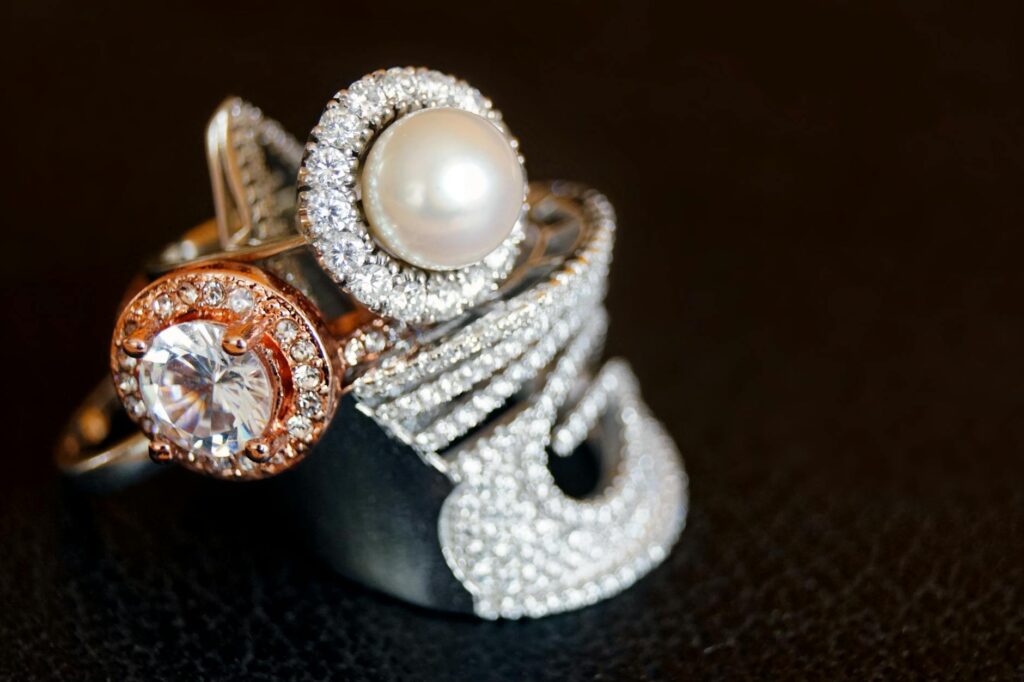
This guide covers everything about Elegant White Gold Jewellery Rings: A Timeless Symbol of Style. White gold jewellery rings embody timeless elegance, combining durability with a modern edge. Favored for their lustrous finish and adaptability to various styles, they remain a top choice for those seeking sophistication at an affordable price. As of April 2026, white gold continues to be a prominent metal in the fine jewelry market, appreciated for its versatility and chic aesthetic.
Last updated: April 18, 2026
Latest Update (April 2026)
Recent industry reports highlight the enduring popularity of white gold in 2026, especially for engagement rings and contemporary fashion jewelry. According to Wirecutter’s February 2026 recommendations, white gold pieces continue to stand out for their balance of quality and price. and, Business Insider’s March 2026 testing of jewelry brands noted that everyday white gold pieces offer excellent durability and value. The metal’s adaptability is further emphasized by its use in adjustable designs, such as the “Adjustable Crystal Pearl Ring – Elegant White Gold Tone Band For Women,” noted in recent product listings, catering to a broader range of wearers and preferences for anniversary and wedding jewelry.
What Are White Gold Jewellery Rings?
White gold rings are crafted by alloying pure gold with white metals such as palladium, nickel, or manganese. This process results in a bright, silvery appearance that closely resembles platinum, but typically at a more accessible price point. To achieve a superior shine and added durability, most white gold jewelry is finished with a layer of rhodium plating. This plating not only enhances the luster but also provides a protective barrier against scratches and tarnishing, although it requires periodic maintenance.
Why Are Elegant White Gold Jewellery Rings a Timeless Symbol?
The enduring appeal of white gold lies in its ability to marry classic elegance with a contemporary aesthetic. This versatility makes it a favored choice for a wide array of jewelry, from significant engagement rings to stylish fashion pieces. Esteemed jewelry brands frequently select white gold for their collections due to its inherent durability, brilliant appearance, and its capacity to beautifully showcase gemstones, making diamonds and colored stones appear brighter and more vibrant. As Vogue Scandinavia noted in early April 2026, Nordic jewelry brands are increasingly incorporating white gold into their designs, blending Scandinavian minimalism with luxurious materials.
Factors to Consider When Choosing a White Gold Ring
Selecting the perfect white gold ring involves careful consideration of several key factors to ensure both aesthetic satisfaction and long-term wearability. By understanding these elements, consumers can make an informed decision that aligns with their personal style and practical needs.
Purity and Karat
The purity of white gold is indicated by its karat rating, most commonly 14k (58.3% pure gold) or 18k (75% pure gold). 18k white gold offers a slightly warmer, richer hue due to its higher gold content, and is generally considered more hypoallergenic. 14k white gold, while containing less pure gold, is harder and more resistant to scratching, making it an excellent choice for everyday wear, especially for engagement rings. The choice between 14k and 18k often depends on the desired balance between color, durability, and budget.
Rhodium Plating: The Key to Brilliance
As mentioned, most white gold jewelry receives a rhodium plating. This thin layer of rhodium, a precious metal from the platinum family, gives white gold its characteristic bright white, mirror-like finish. It also adds a Key layer of protection against scratches and daily wear. However, rhodium plating isn’t permanent. it can wear away over time, revealing the slightly yellower hue of the underlying white gold alloy. The lifespan of the plating depends on how often the ring is worn and the wearer’s lifestyle, with frequent wear potentially necessitating replating every 1-2 years, as recommended by industry experts.
Setting Styles and Gemstone Compatibility
The setting of a white gold ring plays a significant role in both its appearance and the security of its gemstones. Popular settings include:
- Prong settings: These use small prongs to hold a gemstone, allowing maximum light to enter and enhancing its sparkle. they’re ideal for showcasing diamonds.
- Bezel settings: A metal rim encircles the gemstone, offering excellent protection and a sleek, modern look.
- Pave settings: Tiny diamonds are set closely together across the band, creating a continuous surface of sparkle.
- Channel settings: Gemstones are set within a channel in the metal band, providing a smooth, snag-free finish, often used for wedding bands.
White gold’s neutral tone makes it an exceptional backdrop for virtually any gemstone, from the classic brilliance of diamonds to the rich hues of sapphires, emeralds, and rubies.
Comfort and Fit for Daily Wear
A ring that’s worn daily, especially an engagement or wedding band, must be comfortable. Consider the width and thickness of the band, as well as its shape. Some prefer a rounded, comfort-fit interior, while others opt for a flatter profile. Trying on different styles and widths is essential to ensure the ring feels secure and pleasant on the finger throughout the day. Adjustable rings, like some white gold tone bands, offer an alternative for those seeking a more flexible fit, as noted in recent product trends.
Maintenance and Longevity
White gold jewelry, while durable, does require care to maintain its appearance. Regular cleaning and occasional professional servicing, including replating, are key. metal’s properties and being mindful of activities that could cause damage are important for preserving the ring’s beauty over time.
How to Care for Your White Gold Jewellery Ring
Maintaining the lustrous beauty of your white gold ring is straightforward with a consistent care routine. By following these simple steps, you can ensure your cherished piece remains as stunning as the day you acquired it.
Regular Cleaning
The best way to clean your white gold ring at home is by using a mild solution of warm water and a few drops of gentle dish soap. Soak the ring for a few minutes, then gently scrub it with a soft-bristled toothbrush (an old one dedicated to cleaning jewelry works best) to remove dirt and oils. Rinse thoroughly under warm water and dry completely with a soft, lint-free cloth. Avoid using abrasive cleaners or harsh chemicals, as these can damage the metal and any gemstones.
Professional Polishing and Re-plating
Over time, white gold jewelry may lose some of its shine, and the rhodium plating can begin to wear. To restore its brilliant white appearance, professional polishing is recommended. Jewelers can buff out minor scratches and reapply the rhodium plating. Experts suggest that replating is typically needed every 1 to 2 years, depending on wear and tear, to maintain the optimal finish. This service can refresh the look of your ring.
Avoiding Damage
To prolong the life and beauty of your white gold ring, it’s advisable to remove it during activities that could cause damage. This includes household chores involving harsh chemicals (like cleaning with bleach or ammonia), gardening, exercising, swimming in chlorinated pools, or engaging in sports. Exposure to certain chemicals and physical impacts can scratch the metal, loosen gemstones, or damage the plating.
Comparing White Gold to Other Popular Metals
Understanding how white gold stacks up against other common jewelry metals can help you make the most informed decision. Each metal offers a unique combination of appearance, durability, and cost.
| Metal | Appearance | Durability | Cost Range | Common Use |
|---|---|---|---|---|
| White Gold | Silvery-white, bright, modern | Moderate to High (depending on karat and alloy) | Moderate | Engagement rings, wedding bands, fashion jewelry |
| Platinum | Silvery-white, dense, naturally bright | Very High, naturally hypoallergenic | High | Luxury engagement rings, high-end jewelry |
| Yellow Gold | Warm, classic yellow hue | Moderate (varies with karat) | Moderate | Traditional engagement rings, vintage styles, everyday wear |
| Rose Gold | Pinkish-gold hue | Moderate (varies with karat) | Moderate | Fashion rings, unique engagement rings, bracelets |
| Sterling Silver | Bright white, can tarnish | Moderate (softer than gold alloys) | Low to Moderate | Fashion jewelry, affordable rings, everyday pieces |
White gold offers a compelling balance of modern aesthetics, durability, and affordability, making it a practical and elegant choice for many consumers. Its silvery-white finish is especially effective at making diamonds appear larger and brighter, a significant factor for engagement ring shoppers. While platinum is denser and naturally white, its higher cost often makes white gold a more accessible alternative for achieving a similar sophisticated look.
Frequently Asked Questions
Is white gold real gold?
Yes, white gold is real gold. it’s an alloy created by mixing pure gold (yellow) with white metals like palladium, nickel, or manganese. The addition of these white metals neutralizes the yellow color of the pure gold, and the final piece is typically plated with rhodium to give it a bright, silvery-white finish.
Is white gold better than yellow gold for engagement rings?
The choice between white gold and yellow gold for an engagement ring is largely a matter of personal preference and style. White gold offers a modern, bright finish that can make diamonds appear whiter and more brilliant. Yellow gold, But — provides a classic, warm tone that’s traditional and complements certain skin tones beautifully. Both are durable options, with their longevity depending on the karat and care provided.
How often should I replate my white gold ring?
Industry experts generally recommend re-plating a white gold ring every 1 to 2 years. However, the frequency depends heavily on how often the ring is worn and the wearer’s lifestyle. If you’re frequently exposed to water, chemicals, or engage in manual labor, the rhodium plating may wear off sooner. Signs that replating is needed include a visible yellowish tint appearing on the ring or a noticeable dulling of its shine.
Can white gold tarnish?
Pure gold doesn’t tarnish. However, white gold is an alloy, and while the gold itself won’t tarnish, the alloy metals mixed with it (like nickel) can potentially react over time, though this is rare. The most common issue that resembles tarnishing is the wearing away of the rhodium plating — which can reveal the underlying alloy’s color and cause the ring to appear less bright or slightly yellowish. This isn’t true tarnishing but a result of plating wear.
What are the advantages of white gold?
White gold’s primary advantages include its modern, bright white appearance that complements diamonds exceptionally well, its durability compared to yellow gold of the same karat (due to the alloying metals), and its relatively affordable price point compared to platinum. it’s also a versatile metal, suitable for a lots of jewelry styles, from classic to contemporary.
Conclusion
Elegant white gold jewellery rings continue to be a symbol of timeless style and sophisticated taste in 2026. Their unique blend of durability, a radiant silvery-white finish, and adaptability to diverse designs makes them an enduringly popular choice for significant milestones and everyday adornment. Whether chosen for an engagement ring, a wedding band, or a fashion statement, white gold offers a compelling combination of beauty and value that appeals to a broad spectrum of consumers seeking lasting elegance.
Source: Britannica
Related Articles
- Silver Hoop Earrings: Instantly Elevate Your Style in 2026
- Diamond Color Chart: What the GIA Really Means
- Top Jewelry Trends of 2026: Stylish &. Sustainable Picks
Editorial Note: This article was researched and written by the Wilton Jewelers editorial team. We fact-check our content and update it regularly. For questions or corrections, contact us.