Top Jewelry Trends of 2026: Stylish and Sustainable Choices
This guide covers everything about jewelry trends 2026 what’s in style. This guide covers everything about jewelry trends 2026 what’s in style. The world of jewelry in 2026 is a captivating fusion of conscious consumption, bold self-expression, and enduring style. This year, expect to see unique material combinations, ethically sourced gemstones, and designs that tell a personal story take center stage. As fashion editors and stylists noted for Spring/Summer 2026, jewelry is increasingly seen as the element that elevates an entire outfit, doing much of the styling work itself. This shift moves away from fleeting fads towards a more considered approach to adornment.
Last updated: April 18, 2026
Latest Update (April 2026)
As of April 2026, the fine jewelry sector continues to emphasize both luxury and responsibility. Recent reports highlight a growing consumer demand for transparency in sourcing, with many brands actively promoting their commitment to fair labor practices and environmental stewardship. According to Forbes’ insights on Fall/Winter 2025 fine jewelry trends — which continue to influence 2026, there’s a notable resurgence in artisanal craftsmanship and bespoke pieces. This indicates a move towards jewelry that offers not just aesthetic appeal but also a narrative of origin and ethical production. and, as Business Insider recently reported in January 2026, stylists are advising consumers to focus on timeless pieces that transcend seasonal shifts, distinguishing them from fast-fashion accessories.
Challenging the Fast Fashion Mentality in Jewelry
In 2026, the jewelry landscape is actively pushing back against the disposable nature of fast fashion. The emphasis is shifting from accumulating numerous trend-driven pieces to investing in a curated collection of high-quality, meaningful items. This involves prioritizing jewelry that not only complements current styles but also possesses enduring appeal and holds personal significance. Consumers are seeking out items that can be cherished for years, potentially becoming heirlooms. This mindful approach to purchasing jewelry aligns with a broader cultural movement towards sustainability and conscious consumerism, encouraging thoughtful acquisition over impulsive buying.
The Rise of Sustainable and Ethical Jewelry
Sustainability is no longer a niche concern but a core driver of the jewelry market in 2026. Consumers are increasingly aware of the environmental and social impact of jewelry production. This awareness translates into a strong preference for brands that demonstrate a commitment to ethical sourcing of metals and gemstones. Recycled gold, lab-grown diamonds, and ethically mined colored stones are gaining significant traction. Brands are responding by providing greater transparency about their supply chains, ensuring fair labor practices, and minimizing their environmental footprint. As Vogue highlighted in early April 2026, the best men’s jewelry brands to shop right now often feature sustainable materials and ethical production methods, reflecting a broader industry trend towards conscious luxury that appeals to all genders.
Ethically Sourced Gemstones
The demand for ethically sourced gemstones continues to surge. This includes not only diamonds but also a vibrant array of colored stones. Buyers are looking for assurances that their gems were mined responsibly, without contributing to conflict or environmental degradation. This has led to increased interest in gemstones with traceable origins and those certified by reputable organizations. The global gemstone market, projected by Grand View Research to reach USD 10.2 billion by 2028, is increasingly being shaped by these ethical considerations.
Recycled and Lab-Grown Materials
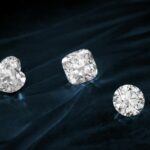
Recycled precious metals, such as gold and silver, are becoming a cornerstone of sustainable jewelry design. These materials offer a lower environmental impact compared to newly mined metals. Similarly, lab-grown diamonds and gemstones are gaining popularity. They provide a more affordable and ethically sound alternative to mined stones, without compromising on quality or brilliance. Reports indicate a steady increase in consumer acceptance and demand for these innovative materials.
Bold Gemstone Choices and Unique Cuts
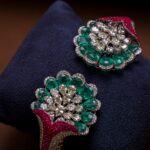
While classic diamonds remain a staple, 2026 sees colored gemstones taking a more prominent role. Sapphires, emeralds, amethysts, rubies, and morganites are being celebrated for their rich hues and unique character. Designers are experimenting with unconventional cuts, such as checkerboard, rose-cut, and asymmetrical facets, to highlight the natural beauty and inclusions of these stones. This approach celebrates imperfections, turning them into unique design features that add depth and personality to each piece. As Marie Claire reported in March 2026, certain Spring 2026 jewelry trends are defined by bold gemstone choices that make a statement and simplify outfit coordination.
Vibrant Hues and Natural Inclusions
The trend favors stones with intense, saturated colors. Think deep blues of sapphire, vibrant greens of emerald, and the rich purples of amethyst. Beyond color, there’s an appreciation for natural inclusions – the subtle markings and characteristics within a gemstone that tell its geological story. Here are no longer seen as flaws but as unique identifiers that enhance a piece’s individuality and value, reflecting a growing desire for authenticity in luxury goods.
Unusual Cuts and Settings
Designers are pushing creative boundaries with gemstone cuts. Beyond traditional round or oval shapes, expect to see more raw, uncut, or uniquely faceted stones. Settings are also evolving, moving away from purely functional designs to become integral parts of the aesthetic. Bezel settings, tension settings, and organic, sculptural prongs are being used to complement the stones and create visually dynamic compositions.
The Mixed Metals Revolution
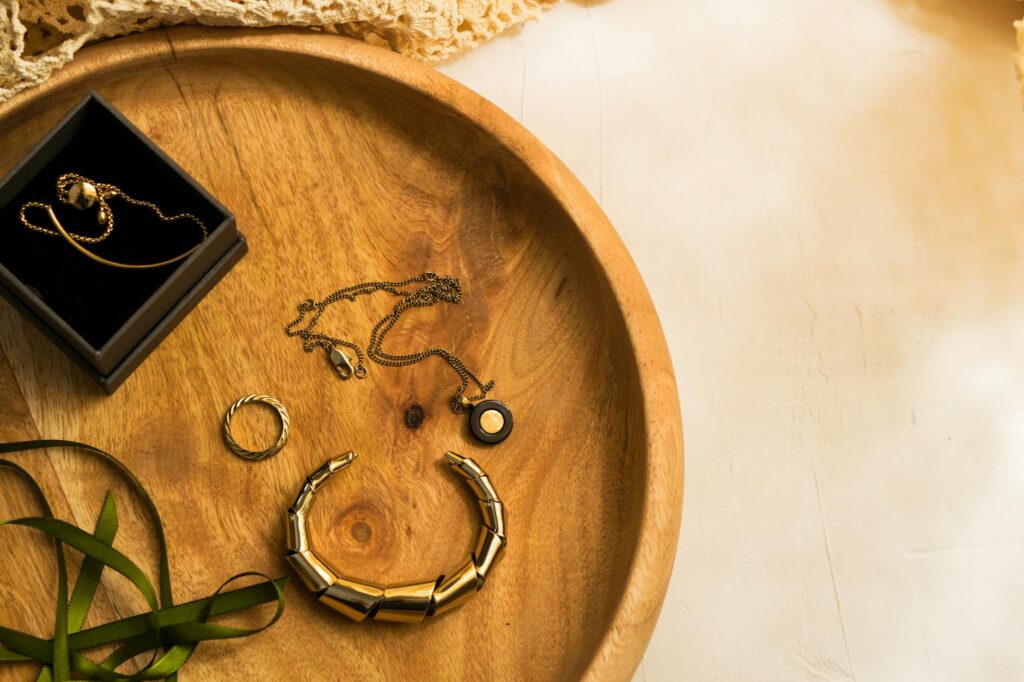
The long-standing rule against mixing metals is officially a relic of the past. In 2026, combining different metals like yellow gold, white gold, rose gold, platinum, and silver in a single piece or across layered accessories isn’t just acceptable but highly encouraged. This trend offers unparalleled versatility, allowing wearers to integrate various pieces from their existing collections and adapt their jewelry to any outfit or occasion. Mixed-metal designs often feature intricate detailing and a contemporary, sophisticated aesthetic.
Versatility and Modernity
Mixing metals adds a modern, eclectic feel to jewelry. It allows for greater flexibility in styling, as individuals are no longer confined to a single metal tone. A bracelet featuring interwoven strands of silver and gold, or earrings with both platinum and rose gold elements, exemplify this trend. This approach reflects a more relaxed and personalized attitude towards fashion and accessories.
Layering with Mixed Metals
Layering necklaces, bracelets, and rings in different metal tones is a key way to embrace this trend. Combining a delicate rose gold chain with a chunkier silver pendant, or stacking rings in yellow, white, and rose gold, creates a visually interesting and personalized look. This technique allows for a dynamic expression of personal style.
Personalization Takes Center Stage
In 2026, jewelry is deeply personal. The trend leans heavily towards customization, allowing individuals to express their unique identity, celebrate milestones, and honor heritage through their adornments. Personalized pieces move beyond mere decoration to become meaningful talismans and storytellers.
Custom Creations and Meaningful Details
From custom-engraved messages and initials to incorporating birthstones, zodiac symbols, or meaningful dates, personalization is key. Lockets containing miniature portraits or significant charms are making a comeback. This trend empowers individuals to create jewelry that’s deeply connected to their personal narrative, making each piece a treasured possession.
Heritage and Sentimental Jewelry
There’s a growing appreciation for vintage and heirloom jewelry, often reinterpreted or modernized. Restoring family pieces or designing new jewelry inspired by ancestral motifs connects wearers to their past. This sentimentality adds a layer of depth and meaning that mass-produced items simply can’t replicate. As stylists noted in January 2026, pieces with personal significance are highly valued, moving away from items that lack connection.
What to Avoid in 2026 Jewelry Styles
While embracing new trends, it’s also important to be mindful of what to steer clear of. The focus in 2026 is on conscious choices and meaningful acquisitions. Avoid solely focusing on fleeting trends that may quickly become outdated. Mass-produced items that lack any personal connection or ethical background are also being deprioritized. Instead, invest your resources in pieces that resonate with your values and personal narrative.
Mass-Produced vs. Artisan-Crafted
Opt for jewelry created by independent designers or brands committed to ethical practices over generic, mass-produced items. Artisan-crafted pieces often feature unique details, superior quality, and a story behind their creation. While fast-fashion jewelry might be tempting for its low cost, it rarely offers the lasting value or personal significance of well-made, thoughtfully produced items.
Frequently Asked Questions
Is jewelry sustainability important in 2026?
Yes, sustainability is critically important. Consumers are increasingly favoring environmentally conscious brands that prioritize ethical sourcing, recycled materials, and fair labor practices. Transparency in the supply chain is becoming a key factor in purchasing decisions.
How do you layer jewelry effectively in 2026?
Effective layering involves mixing different lengths, textures, and metal tones. Incorporate a mix of delicate and bolder pieces, and don’t hesitate to add personalized or sentimental items to create a unique look that tells your story. Varying chain styles and pendant sizes can add visual interest.
Are colored gemstones still popular in 2026?
Absolutely. Colored gemstones are more popular than ever, celebrated for their vibrant hues, unique character, and the increasing availability of ethically sourced options. Unique cuts and natural inclusions are highly sought after, adding to their appeal.
What metals should I consider for high-quality, durable jewelry?
For high quality and durability, consider platinum — which is exceptionally strong and resistant to tarnish. High-karat gold (14K or 18K) in various colors (yellow, white, rose) is also a durable and popular choice. Mixed metals are also trending, offering versatility.
Can I mix gold with other metals like silver or platinum?
Yes, absolutely! Mixing gold with silver, platinum, or other gold tones is a major trend in 2026. It allows for greater styling flexibility and creates a modern, personalized aesthetic. Don’t be afraid to combine different metals in your jewelry choices.
Conclusion
The jewelry trends of 2026 emphasize a thoughtful blend of style, sustainability, and personal narrative. From bold gemstone choices and the embrace of mixed metals to the really important importance of ethical sourcing and personalization, the focus is on creating adornments that are both beautiful and meaningful. By investing in pieces that align with your values and tell your unique story, you can curate a jewelry collection that remains relevant and cherished for years to come, moving beyond the ephemeral nature of fast fashion towards enduring elegance and conscious consumerism.
Source: Vogue
Related Articles
- Why Sterling Silver Turns Green: Causes &. Expert Prevention Tips 2026
- Vintage Jewelry Collections: More Than Just Old Sparkle
- Clean Your Diamond Ring Like a Pro
Editorial Note: This article was researched and written by the Wilton Jewelers editorial team. We fact-check our content and update it regularly. For questions or corrections, contact us.