Diamond Color Chart: What the GIA Really Means
Honestly, the panic around diamond color grades is way overblown. Most people, myself included before I really dug into this, think a D color diamond is the only one worth looking at. And sure, it’s the absolute pinnacle. But here’s the kicker: the difference between a D, E, or F color diamond? It’s microscopic. You’re often paying a massive premium for something you can’t even see without a loupe and a trained eye. The GIA diamond color chart (that’s the Gemological Institute of America, the gold standard in diamond grading) is actually your best friend in finding a spectacular diamond that doesn’t break the bank. It’s not about chasing the highest grade. it’s about understanding where value and beauty meet for you.
Last updated: April 18, 2026
Table of Contents
what’s Diamond Color, Really?
When we talk about diamond color, we’re not talking about blues, pinks, or yellows – that’s a whole other category called “fancy colored diamonds.” For standard white diamonds, the GIA diamond color chart measures the absence of color. Think of it like a perfectly clear glass of water versus one with a faint tint. The less tint (or color), the rarer and typically more valuable the diamond. The grading process is super scientific, looking for any trace of yellow, brown, or even blue hue that deviates from absolutely colorless. It’s a subtle science, but understanding it’s key to making an informed purchase.
The GIA’s system is the bedrock of diamond grading worldwide. It’s been refined over decades to ensure consistency. So, when you see a diamond graded by the GIA, you’re getting a report based on a standardized system that jewelers and consumers have relied on for years. It’s this very system that makes the diamond color chart so important.
The GIA Scale Explained: D to Z, No BS
Alright, let’s break down the GIA diamond color chart. It’s a spectrum, and knowing where your desired diamond falls can save you a ton of money. The scale runs from D (totally colorless) to Z (light yellow or brown). Most diamonds fall within the G to M range, and frankly, many of those look fantastic to the naked eye.
The Colorless Range (D-F)
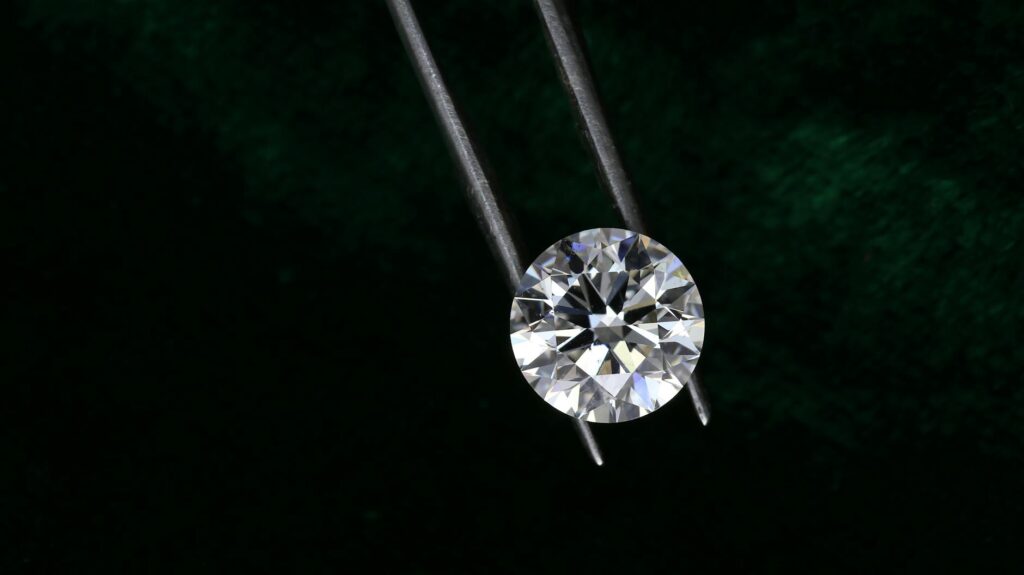
Here are the rarest and most expensive diamonds. A D color is the absolute best – pure, icy white. E and F are also considered colorless, but might have microscopic traces of color detectable only by a skilled grader under magnification. Honestly, if you’re buying a D, E, or F, you’re getting the top tier. The price jump between them can be significant, but the visual difference? Often negligible to the untrained eye.
The Near Colorless Range (G-J)
Here’s where I often tell people to look. G, H, I, and J diamonds are considered “near colorless.” They still face up beautifully white, especially when set in white gold or platinum. You’d need to compare them side-by-side with a D-color stone, under specific lighting conditions, to even hope to detect a hint of warmth. For most people, this range offers the best balance of beauty and value. I’ve seen G and H color diamonds that look absolutely spectacular and would fool 99% of people.
The Faint Color Range (K-M)
Diamonds in the K, L, and M range start to show a very slight warmth. They’re still considered “white” diamonds by many, and can be a fantastic choice for yellow gold settings — which can help mask any warmth. You’ll see a noticeable price difference here compared to G-J colors. If you’re on a tighter budget but still want a larger stone, this is a great place to explore.
The Very Light to Light Yellow/Brown Range (N-Z)
These diamonds have a noticeable yellow or brown tint. While still graded by the GIA diamond color chart, they’re generally less desirable for traditional engagement rings unless they’re part of the “fancy color” category (which is graded differently). However, some unique styles or vintage-inspired pieces might incorporate an N or O color for a specific look. Mostly, though, people shopping for a “white” diamond aim for K or higher.
Important Note: Fluorescence can impact the perceived color of a diamond. A diamond with strong blue fluorescence might appear whiter, sometimes even slightly milky or oily, especially in D-F grades. While not directly part of the color grade, it’s a factor to consider when evaluating a diamond’s overall appearance.
Why Most People Overpay for Diamond Color
The biggest reason people overspend? Marketing and a general lack of understanding about the diamond color chart. The diamond industry has historically pushed D, E, and F colors as the ultimate goal. This creates a perception that anything less is “compromised.” But in reality, the jump from D to G is often visually imperceptible to the average person. You’re paying for rarity, not necessarily for a visible improvement in beauty.
Think about it: If you’re looking at a diamond loose, side-by-side with another, you might notice a slight difference if you’re looking for it. But once that diamond is set in a ring, especially with metal prongs and surrounding elements, and worn on a finger, those subtle nuances often disappear. The cut quality, clarity, and overall brilliance play a much larger role in how “white” and sparkly a diamond appears in everyday wear. I’ve seen countless times where a customer falls in love with an H color stone, only to be told it should be a D, and then they start second-guessing their perfectly beautiful choice. Don’t let someone else’s arbitrary standard dictate your satisfaction.
The myth that only D-F colors are “good” is pervasive. It’s a powerful marketing tool, but it’s often a disservice to the consumer who ends up spending thousands extra for an invisible difference.
Finding Your Sweet Spot on the Diamond Color Chart
So — where should you aim? For me, the sweet spot is usually the G to H color range. Why? Because these diamonds are still visually colorless to the naked eye in most lighting conditions, especially when set. They offer incredible value. You get a diamond that looks brilliant and white, but you’ve saved a significant amount compared to the D-F range. This saving can then be reallocated to a better cut, higher clarity, or simply a larger carat weight – all factors that have a more dramatic impact on a diamond’s beauty and perceived size.
Consider your setting: If you’re planning on a yellow gold or rose gold engagement ring, you can comfortably go a bit lower on the diamond color chart, perhaps to an I or J. The warmth of the metal can actually complement the diamond’s subtle warmth, making it appear whiter than it would in platinum or white gold. Conversely, if you’re set on platinum or white gold and want that icy-white look, I’d stick to G or H. Understanding these nuances is what separates a good diamond purchase from a great one.
Here’s a quick cheat sheet for where to aim, depending on your priorities:
| GIA Color Grade | Description | Ideal For | Price Consideration |
|---|---|---|---|
| D-F | Colorless | Ultimate perfectionists, collectors | Highest |
| G-H | Near Colorless (Visually White) | Most buyers seeking balance of beauty & value | Good Value |
| I-J | Near Colorless (Slight Warmth) | Budget-conscious, yellow/rose gold settings | Better Value |
| K-L | Faint Color | Specific vintage looks, budget focus | Best Value |
Factors That Affect Perceived Color (It’s Not Just the Grade!)
The GIA diamond color chart is a scientific measurement, but how a diamond looks on your hand is subjective and influenced by several factors beyond the grade itself. It’s Key to remember this when you’re shopping.
Cut Quality: This is HUGE. A well-cut diamond reflects light brilliantly, masking subtle color tints. A poorly cut diamond, even if it’s an F color, can look dull and lifeless, and its color might seem more pronounced. I always preach that cut is king. A diamond with a great cut will sparkle so much that it distracts from any minor color imperfections. So, prioritizing cut over chasing the highest color grade is often the smartest move.
Setting Metal: We touched on this, but it bears repeating. Platinum and white gold settings create a cool backdrop, making any hint of warmth in the diamond more obvious. Yellow gold and rose gold settings, But — have their own warmth — which can blend with and even enhance a diamond’s natural warmth, making it appear whiter by comparison. A J color diamond in a yellow gold setting can look stunningly white, while that same J color in platinum might show a noticeable yellow tint.
Fluorescence: As mentioned earlier, strong blue fluorescence can make a diamond appear whiter. However, excessive fluorescence can sometimes make a diamond look hazy or oily, especially in bright light. While GIA grades fluorescence separately, its impact on perceived color is real and worth discussing with your jeweler. Some people actively avoid diamonds with strong fluorescence. others don’t mind it, especially if it saves them money.
Diamond Size and Shape: Larger diamonds tend to show color more readily than smaller ones, simply because there’s more surface area for color to appear. Certain shapes, like emerald cuts or Asscher cuts, have large, open facets that can also reveal color more easily than more brilliant cuts like round or princess cuts. Cushion cuts can sometimes retain color in their corners.
Lighting Conditions: How a diamond looks in the controlled environment of a jewelry store under bright lights might differ from how it looks in natural daylight or dimmer indoor lighting. Always try to view a diamond in conditions that mimic how you’ll actually be wearing it.
Factors That Affect Perceived Color (It’s Not Just the Grade!)
The GIA diamond color chart is a scientific measurement, but how a diamond looks on your hand is subjective and influenced by several factors beyond the grade itself. It’s Key to remember this when you’re shopping.
Cut Quality: This is HUGE. A well-cut diamond reflects light brilliantly, masking subtle color tints. A poorly cut diamond, even if it’s an F color, can look dull and lifeless, and its color might seem more pronounced. I always preach that cut is king. A diamond with a great cut will sparkle so much that it distracts from any minor color imperfections. So, prioritizing cut over chasing the highest color grade is often the smartest move.
Setting Metal: We touched on this, but it bears repeating. Platinum and white gold settings create a cool backdrop, making any hint of warmth in the diamond more obvious. Yellow gold and rose gold settings, But — have their own warmth — which can blend with and even enhance a diamond’s natural warmth, making it appear whiter by comparison. A J color diamond in a yellow gold setting can look stunningly white, while that same J color in platinum might show a noticeable yellow tint.
Fluorescence: As mentioned earlier, strong blue fluorescence can make a diamond appear whiter. However, excessive fluorescence can sometimes make a diamond look hazy or oily, especially in bright light. While GIA grades fluorescence separately, its impact on perceived color is real and worth discussing with your jeweler. Some people actively avoid diamonds with strong fluorescence. others don’t mind it, especially if it saves them money.
Diamond Size and Shape: Larger diamonds tend to show color more readily than smaller ones, simply because there’s more surface area for color to appear. Certain shapes, like emerald cuts or Asscher cuts, have large, open facets that can also reveal color more easily than more brilliant cuts like round or princess cuts. Cushion cuts can sometimes retain color in their corners.
Lighting Conditions: How a diamond looks in the controlled environment of a jewelry store under bright lights might differ from how it looks in natural daylight or dimmer indoor lighting. Always try to view a diamond in conditions that mimic how you’ll actually be wearing it.
- Significant cost savings compared to D-F grades.
- Visually indistinguishable from colorless grades to most people in everyday wear.
- Allows budget to be allocated to better cut, clarity, or carat weight.
- Works beautifully in yellow or rose gold settings.
- May show a very slight warmth when compared side-by-side with a D-F diamond.
- Requires careful selection to ensure it faces up white, especially in platinum/white gold.
- Less desirable for collectors who prioritize absolute rarity.
Smart Shopping: Diamond Color Chart Buying Tips
Okay, armed with this knowledge, how do you actually buy smart? Here are my top tips for diamond color chart:
- Prioritize Cut Over Color: Seriously, a well-cut diamond with excellent brilliance will mask more color than a poorly cut diamond of a higher color grade. Look for Excellent or Very Good cut grades from GIA or AGS (American Gem Society).
- Aim for G-H Color: This is my go-to recommendation for most buyers. You get a diamond that looks white and beautiful without the premium price tag of D-F.
- Consider I-J if Budget is Tight or Metal is Warm: These are still excellent choices and can look fantastic, especially in yellow or rose gold.
- Always View in Person (If Possible): Photos and videos can be manipulated. Seeing the diamond in person, ideally next to another diamond for comparison, is best. Ask to see it set in your chosen metal.
- Ask About Fluorescence: Understand how fluorescence might affect the diamond’s appearance. A strong blue fluorescence can make a diamond appear whiter, but sometimes at the cost of brilliance or clarity.
- Check the Grading Report: Always insist on a reputable grading report from GIA or AGS. Don’t rely on vendor-specific certificates. Here’s where entities like comes into play.
- Don’t Get Hung Up on the Letter: Focus on the overall appearance. A beautifully cut H color diamond is far superior to a dull D color diamond. The letter is just one piece of the puzzle.
Remember, the goal is a diamond you love that fits your budget. The diamond color chart is a tool to help you achieve that, not a rigid set of rules to follow blindly.
Frequently Asked Questions
what’s the best diamond color grade?
The best diamond color grade is D, signifying a completely colorless diamond. Here are the rarest and most expensive. However, for most buyers, grades G through J offer excellent value, appearing visually colorless to the naked eye without the premium price.
Can I see the difference between an F and a G diamond?
It’s highly unlikely for the average person to see the difference between an F and a G color diamond without professional magnification and side-by-side comparison under specific lighting. Both are considered near colorless and face up beautifully white.
Is a J color diamond noticeably yellow?
A J color diamond is at the lower end of the near colorless range. It might show a very faint warmth, especially when compared to a D-F diamond. However, in many settings, especially yellow or rose gold, it can still appear quite white and attractive.
what’s a good diamond color for an engagement ring?
A good diamond color for an engagement ring is typically G or H. These grades provide a great balance of appearing colorless to the naked eye while offering better value than the top D-F grades. I-J are also solid choices, especially on a budget or with warmer metal settings.
Does diamond cut affect color?
Yes, diamond cut affects perceived color. An expertly cut diamond maximizes brilliance and sparkle — which can mask subtle color tints. A poorly cut diamond, even with a high color grade, may appear duller and show its color more prominently.
So, there you have it. The diamond color chart is a powerful tool, but it’s not the only factor. Don’t let a letter grade dictate your decision. Focus on the overall beauty, sparkle, and value. For me, GIA diamond color chart means finding that perfect balance where a diamond looks stunningly white to you, and you’ve got extra cash for, well, whatever makes you happy.
Source: GIA (Gemological Institute)
Editorial Note: This article was researched and written by the Wilton Jewelers editorial team. We fact-check our content and update it regularly. For questions or corrections, contact us.