What Does 925 Sterling Silver Mean? A Cost-Benefit Analysis
the term “925 Sterling Silver” is frequently encountered. But what exactly does this designation signify? meaning behind “925” is Key for making informed purchasing decisions, ensuring you acquire quality pieces that offer both aesthetic appeal and lasting value. This analysis digs into the composition, hallmarks, advantages, disadvantages, and care of 925 sterling silver, providing a complete cost-benefit perspective for consumers in 2026.
Last updated: April 18, 2026
Latest Update (April 2026)
As of April 2026, the market for sterling silver jewelry continues to thrive, driven by its accessibility and timeless appeal. Recent reports highlight the enduring popularity of sterling silver for both everyday wear and special occasions. For instance, news outlets are covering the versatility of sterling silver components, such as the “Sterling Silver Double Lobster Clasp – 925 Silver Jewelry Connector For DIY,” indicating a strong DIY and custom jewelry creation trend, as reported by ruhrkanal.news on April 17, 2026. and, the ongoing interest in identifying authentic pieces remains a key consumer concern. Southern Living recently published guidance on “How To Tell If Your Silver Is Real—And What To Look For” (April 15, 2026), underscoring the importance of understanding silver hallmarks for consumers.
The fashion industry also continues to embrace sterling silver. Vogue Scandinavia, in an April 2026 guide to Nordic jewelry brands, implicitly references the prevalence of sterling silver in contemporary designs, showcasing how brands incorporate this versatile metal into their collections. This suggests that 925 sterling silver isn’t just a material but a canvas for modern design, from intricate charms like those mentioned by portalcantagalo.com.br (April 17, 2026) to statement pieces like the “925 Sterling Silver Plated Ring With Created Ruby Spinel” featured on kliksolonews.com (April 16, 2026).
What Exactly Does ‘925 Sterling Silver’ Mean?
The designation “925 Sterling Silver” isn’t arbitrary. it’s a standardized mark indicating the purity of the silver content. In particular, “925” signifies that the item is composed of 92.5% pure silver. The remaining 7.5% consists of other metals, most commonly copper. This alloy composition is internationally recognized and legally protected in many regions, serving as a guarantee of the jewelry’s quality and authenticity. When you see the “925” hallmark, it assures you that the piece meets the stringent standards required for sterling silver.
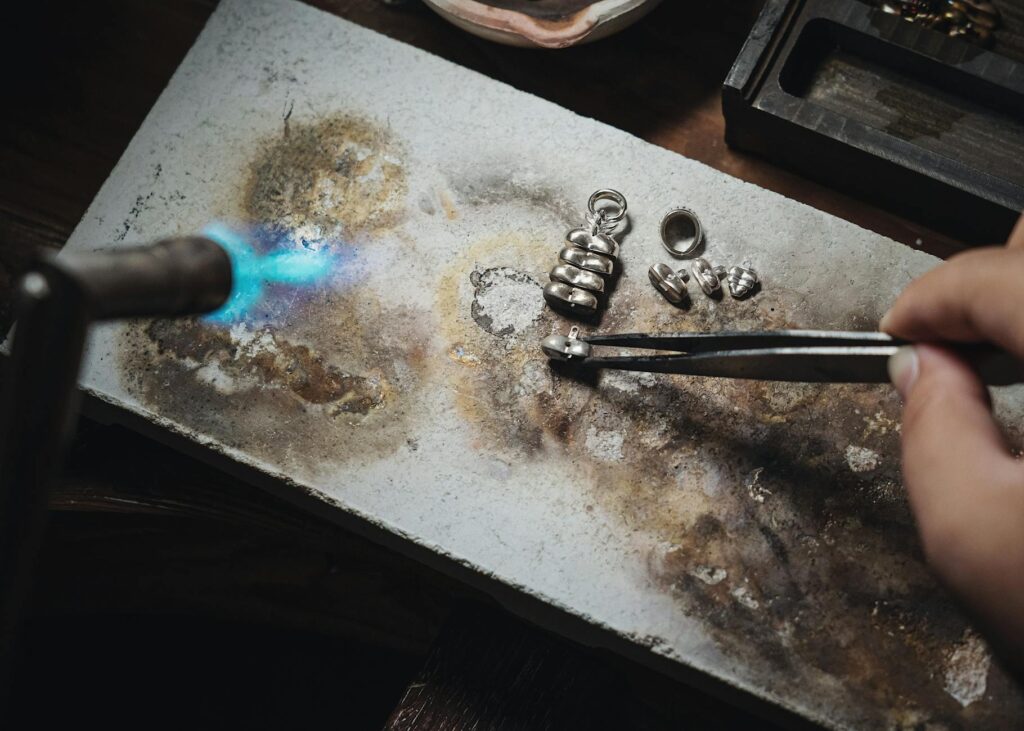
Pure silver, also known as fine silver, is incredibly soft and malleable. Its natural state makes it unsuitable for crafting durable jewelry that can withstand the rigors of daily wear. To overcome this limitation, silversmiths developed the sterling silver alloy. The addition of 7.5% other metals enhances the silver’s hardness, resilience, and durability, while still retaining the characteristic luster and beauty of silver. This balance is key to why 925 sterling silver is the standard for most silver jewelry produced globally.
Why Is Silver Mixed with Other Metals?
The primary reason for mixing pure silver with other metals to create sterling silver is to enhance its physical properties. Pure silver (99.9% silver) is too soft for practical use in jewelry. It can easily bend, scratch, or deform. By introducing 7.5% of other metals, typically copper, the resulting alloy becomes stronger and more durable. This increased solidness allows the metal to hold its shape, resist damage from everyday activities, and be cast into intricate designs without compromising its structural integrity.
Copper is the most common alloying metal because it effectively hardens the silver without dulling its shine. While other metals like zinc, nickel, or manganese can also be used, copper is favored for its balance of strength enhancement and aesthetic preservation. The 7.5% ratio is a carefully calibrated standard that provides optimal durability while still allowing the jewelry to be worked with by artisans, enabling the creation of detailed filigree, settings for gemstones, and polished finishes that consumers expect.
The ‘925’ Hallmark and Its Significance
The “925” hallmark is more than just a number. it’s a stamp of authenticity and quality. In countries like the United States and the United Kingdom, consumer protection laws often mandate that silver jewelry sold as “sterling” must contain at least 92.5% pure silver and be stamped accordingly. This hallmark works as a critical identifier for consumers, helping them distinguish genuine sterling silver from imitation or lower-quality silver-plated items. As noted by Southern Living on April 15, 2026, understanding these marks is fundamental to verifying the authenticity of silver pieces.
Beyond the “925” mark, you might also find other accompanying stamps. These can include the silversmith’s or manufacturer’s registered trademark, indicating the maker of the piece. Sometimes, the word “Sterling” or “Ster” may appear alongside “925.” These additional marks provide further assurance of the item’s origin and adherence to quality standards. The presence and clarity of these hallmarks are often indicators of a reputable manufacturer and a genuine sterling silver product.
Pros and Cons of 925 Sterling Silver Jewelry
925 sterling silver offers a compelling value proposition, but like any material, it has its advantages and disadvantages.
Pros:
- Affordability: Compared to precious metals like gold, platinum, or even palladium, sterling silver is more affordable. This makes it accessible for a lots of consumers and allows for the creation of intricate, high-quality jewelry at a reasonable price point.
- Beauty and Shine: Sterling silver possesses a bright, lustrous white appearance that’s highly attractive. Its shine can be polished to a mirror finish, making it a popular choice for elegant and sophisticated jewelry.
- Hypoallergenic Properties: For many individuals, sterling silver is considered hypoallergenic. While the alloy does contain metals other than pure silver, the small percentage and the common use of copper mean that allergic reactions are less frequent than with some other metals, such as nickel. However, as noted in some user feedback, individuals with extreme sensitivities might still react if the alloy contains nickel.
- Versatility: Sterling silver is incredibly versatile. It can be easily worked into a vast array of designs, from delicate chains and intricate pendants to bold statement pieces. It also works as an excellent base for setting gemstones, as seen in rings and earrings. Its adaptability is evident in its use for everything from fine jewelry to components for DIY projects, like connectors for bracelets, as highlighted by ruhrkanal.news on April 17, 2026.
- Durability: While not as hard as platinum, sterling silver is sufficiently durable for everyday wear when properly cared for. The alloy’s strength allows it to withstand normal daily activities better than pure silver.
Cons:
- Tarnishing: The most significant drawback of sterling silver is its tendency to tarnish. This occurs when the copper alloy reacts with sulfur compounds in the air (hydrogen sulfide) and moisture, forming a dark layer on the surface. While tarnishing can be cleaned, it requires regular maintenance.
- Scratching: Although more durable than pure silver, sterling silver is softer than metals like gold or platinum. This means it’s more susceptible to scratching and denting from daily wear and tear.
- Maintenance Requirements: Due to tarnishing and susceptibility to scratches, sterling silver jewelry requires consistent care and maintenance to retain its original brilliance.
How to Care for Your 925 Sterling Silver Pieces
Proper care is essential to maintain the beauty and longevity of your 925 sterling silver jewelry. By following a few simple guidelines, you can slow down tarnishing and prevent damage.
Regular Cleaning:
The best way to keep sterling silver looking its best is through regular, gentle cleaning. Use a soft, lint-free polishing cloth In particular designed for silver. Gently rub the jewelry to remove fingerprints, oils, and light tarnish. For more stubborn tarnish, a silver polishing cream or dip can be used, but apply them sparingly and follow the product instructions carefully. Always rinse thoroughly and dry completely after using polishing solutions.
Storage:
Proper storage is Key for preventing tarnish. Store your sterling silver pieces individually in airtight containers, such as small plastic bags with a zip closure, or in a jewelry box with separate compartments. Including an anti-tarnish strip or a small packet of silica gel in the storage container can absorb moisture and sulfur compounds, further inhibiting the tarnishing process. Keeping jewelry in a cool, dry place away from direct sunlight is also recommended.
Avoid Chemical Exposure:
Sterling silver can react with various chemicals, accelerating tarnishing and potentially causing damage. Avoid exposing your jewelry to perfumes, hairspray, lotions, cleaning agents (especially those containing bleach or ammonia), and chlorinated water (like that found in swimming pools or hot tubs). It’s best to remove your silver jewelry before showering, swimming, exercising, or applying cosmetics and fragrances.
Professional Cleaning and Repair:
For heavily tarnished pieces or intricate jewelry, consider professional cleaning by a reputable jeweler. They have specialized tools and solutions to safely clean and restore your silver. Also, regular professional inspections can identify and repair loose settings or clasps before they lead to lost stones or damaged pieces.
The Cost-Benefit Analysis of 925 Sterling Silver
When evaluating 925 sterling silver, a cost-benefit analysis reveals why it remains a popular choice in 2026. The cost-benefit ratio is highly favorable for consumers seeking attractive, quality jewelry without the premium price tag of gold or platinum.
Cost Factors: The price of sterling silver fluctuates with the global silver market, but it consistently remains lower than gold or platinum. Factors influencing the cost include the silver content (92.5%), the complexity of the design, any gemstones incorporated, and the brand’s reputation. As reported by kliksolonews.com on April 16, 2026, even sterling silver plated items with created stones offer accessible fashion options.
Benefit Factors: The benefits extend beyond the initial purchase price. Sterling silver offers a timeless aesthetic that complements a lots of styles. Its durability, when properly maintained, ensures that pieces can be enjoyed for years, even generations. The hypoallergenic nature of most sterling silver makes it suitable for a broad audience. and, the vast availability of designs, from classic to contemporary, means there’s a sterling silver piece to suit almost any taste or occasion. The DIY market, as evidenced by the interest in components like double lobster clasps (ruhrkanal.news, April 17, 2026), further demonstrates its accessibility and value as a craft material.
Overall Value: For the average consumer, 925 sterling silver represents excellent value. It provides the look and feel of fine jewelry at a fraction of the cost of other precious metals. The key to maximizing this value lies in understanding its properties, choosing reputable sources, and committing to basic care practices to mitigate its primary drawback: tarnishing.
Frequently Asked Questions About 925 Sterling Silver
What does the ‘925’ mark signify?
The ‘925’ mark indicates that the piece of jewelry is made from sterling silver, meaning it contains 92.5% pure silver and 7.5% other metals, typically copper. it’s a standard hallmark guaranteeing the silver’s quality and authenticity.
Can sterling silver cause skin irritation?
Generally, 925 sterling silver is considered hypoallergenic and well-tolerated by most people. However, some individuals with very sensitive skin may experience a reaction if the 7.5% alloy includes metals like nickel. If you suspect a nickel allergy, look for sterling silver explicitly marked as nickel-free.
How does sterling silver compare to pure silver?
Pure silver (fine silver, 99.9% pure) is very soft and not durable enough for everyday jewelry. Sterling silver (92.5% pure) is alloyed with other metals to increase its hardness and durability, making it suitable for crafting jewelry that can withstand regular wear.
Is tarnishing preventable?
Tarnishing can’t be entirely prevented, as it’s a natural chemical reaction between silver alloys and the environment. However, it can be slowed down and managed through proper care, including regular cleaning, airtight storage, and avoiding exposure to chemicals and moisture.
Do all countries require the ‘925’ stamp?
While the ‘925’ stamp is a widely adopted international standard, its mandatory legal requirement can vary by country. However, in major markets like the US, UK, Canada, and EU member states, it’s generally required for items to be legally sold as sterling silver. Consumers should always look for this mark as a sign of authenticity.
Can sterling silver be plated?
Yes, sterling silver can be plated with other metals, such as rhodium or gold, to enhance its appearance, durability, or hypoallergenic properties. For example, rhodium plating can provide a brighter white finish and offer some protection against tarnishing. As seen in recent product listings, items like “925 Sterling Silver Plated Ring With Created Ruby Spinel” are common, indicating a base of sterling silver with an additional plating layer.
Conclusion
Understanding what “925 Sterling Silver” means is fundamental for any jewelry enthusiast. It signifies a high-quality alloy that masterfully balances the inherent beauty of silver with the durability required for everyday wear. The “925” hallmark works as a trusted indicator of authenticity, assuring consumers of the metal’s composition. While tarnishing is an inherent characteristic, it’s manageable through diligent care and proper storage. The cost-effectiveness, aesthetic appeal, and versatility of 925 sterling silver make it an outstanding choice for a wide spectrum of jewelry, from intricate charms and everyday wear to statement pieces and custom designs. By appreciating its properties and following recommended care practices, 925 sterling silver jewelry can remain a cherished part of your collection for years to come.
Source: GIA (Gemological Institute)
Related Articles
- 18k Gold Earrings: Timeless Elegance in 2026
- 14k vs 18k Gold – complete Guide to Choosing the Right Alloy
- Secure Your Wealth: Invest in CSM Gold for 2026 Stability
Editorial Note: This article was researched and written by the Wilton Jewelers editorial team. We fact-check our content and update it regularly. For questions or corrections, contact us.