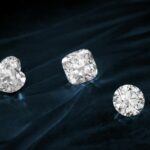
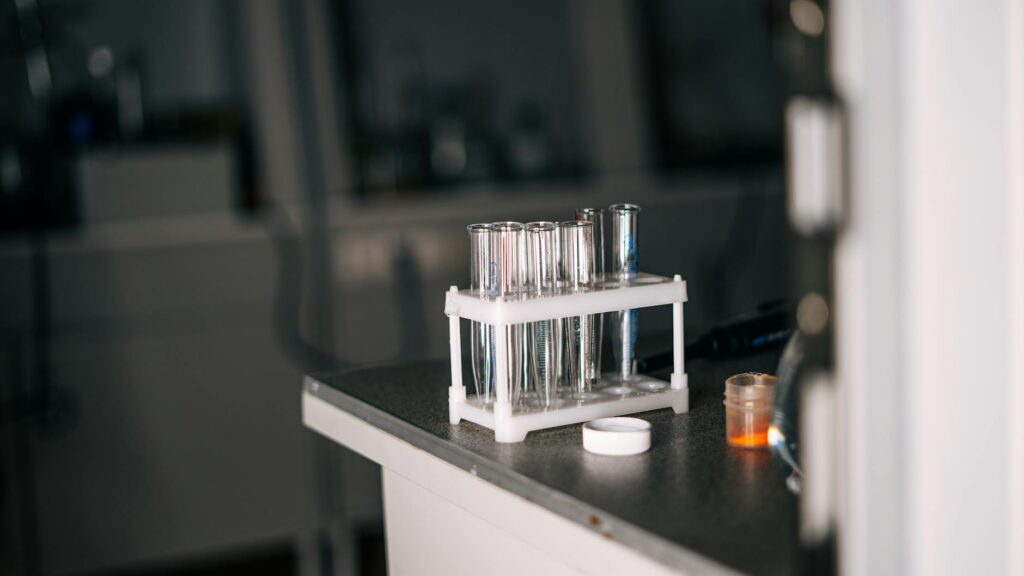
This guide covers everything about how are lab grown diamonds made. Lab grown diamonds are created through advanced scientific processes that meticulously replicate the Earth’s natural diamond-forming conditions. This offers a compelling, sustainable, and ethically sourced alternative to traditionally mined stones. Curious about their journey from inception to brilliance? Let’s explore their fascinating formation timelines and dig into the appealing benefits they offer consumers in 2026.
Last updated: April 18, 2026
Latest Update (April 2026)
The lab-grown diamond market continues its rapid expansion and innovation. As reported by Forbes in March 2026, the industry is seeing increased trust from consumers seeking modern, sustainable brands, with many experts highlighting the quality and ethical advantages. and, companies like Linkest Limited have officially launched bespoke lab-grown diamond jewelry lines, as announced in April 2026, signaling a growing trend towards personalized and accessible luxury. Instyle.com also recently featured a guide to the highest quality lab-grown diamond pieces, ranging from everyday studs to engagement rings, underscoring their mainstream acceptance and diverse price points.
Table of Contents
- What Are Lab Grown Diamonds?
- How are Lab Grown Diamonds Made: The HPHT Method?
- How are Lab Grown Diamonds Made: The CVD Method?
- HPHT vs. CVD: Key Differences in Lab Diamond Creation
- Are Lab Grown Diamonds High Quality?
- Why Choose Lab Grown Diamonds?
- Frequently Asked Questions About Lab Grown Diamonds
- Choosing Your Perfect Lab Grown Diamond
What Are Lab Grown Diamonds?
Lab grown diamonds, also known as cultured, cultivated, or synthetic diamonds, are genuine diamonds. they’re composed of carbon atoms precisely arranged in the same cubic crystal lattice structure as diamonds formed deep within the Earth. While natural diamonds take billions of years to form under immense geological pressure and heat, lab grown diamonds are synthesized in controlled laboratory environments over a period of weeks to months. This shorter timeline represents a remarkable achievement in material science and offers a pathway to ethical luxury for discerning buyers.
The concept of creating diamonds in a lab dates back to the 1950s, but it wasn’t until recent technological advancements that gem-quality diamonds could be reliably produced. Today, leading gemological laboratories such as the Gemological Institute of America (GIA) and the International Gemological Institute (IGI) provide rigorous grading and certification for lab grown diamonds, ensuring their authenticity, quality, and origin. Consumers can verify these reports on the respective institute’s official websites.
How are Lab Grown Diamonds Made: The HPHT Method?
The High Pressure High Temperature (HPHT) method is one of the primary techniques used to create lab grown diamonds. It basically replicates the extreme conditions found within the Earth’s mantle where natural diamonds are formed. Here’s a simplified timeline of the HPHT process:
- Setup: A small diamond seed crystal, often a tiny fragment of a previously grown diamond, is placed within a specialized press apparatus. This apparatus also contains a metal solvent (like iron, nickel, or cobalt) designed to dissolve carbon.
- Carbon Addition: A source of pure carbon, typically in the form of graphite, is positioned above the diamond seed and the metal solvent.
- Pressure &. Heat Application: The apparatus is subjected to immense pressures, typically ranging from 5 to 6 gigapascals (approximately 50,000 to 60,000 times atmospheric pressure), and extremely high temperatures, between 1300 and 1600 degrees Celsius (2372 to 2912 degrees Fahrenheit).
- Diamond Growth: Under these conditions, the metal solvent melts and dissolves the carbon from the graphite. The dissolved carbon atoms then migrate towards the cooler diamond seed and crystallize onto it, gradually forming a larger diamond crystal layer by layer.
- Cooling &. Extraction: Once the diamond has reached the desired size, the crystal is slowly cooled, causing the metal solvent to solidify around it. The diamond is then carefully extracted from the solidified metal matrix.
The HPHT method is especially effective for producing colorless diamonds (D-F color grades) and is employed by several leading diamond manufacturers, including those specializing in advanced material technologies.
How are Lab Grown Diamonds Made: The CVD Method?
The Chemical Vapor Deposition (CVD) method offers an alternative approach to creating lab grown diamonds, utilizing lower pressure and moderate temperatures compared to HPHT. Here’s a breakdown of the CVD process:
- Setup: A thin diamond slice or substrate, often a precisely cut piece of diamond or even a silicon wafer, is placed inside a sealed vacuum chamber.
- Gas Introduction: The chamber is filled with a mixture of carbon-rich gases, primarily methane (CH4), and hydrogen (H2), at very low pressures.
- Activation: The gases are then energized, typically using microwave energy, to break down the gas molecules. This process ionizes the gases, forming a plasma cloud.
- Diamond Growth: Within this plasma, carbon atoms detach from the methane molecules and deposit onto the diamond substrate. These carbon atoms arrange themselves in the diamond crystal structure, building up the diamond layer by layer over a period of weeks to months. The hydrogen gas matters a lot in removing any non-diamond carbon (like graphite) that might form.
- Finishing: After the diamond has grown to the desired size, it’s removed from the chamber and typically undergoes a post-growth treatment and polishing process to achieve gem quality and brilliance.
CVD is highly versatile and is often favored for its ability to produce diamonds with specific characteristics and larger sizes, as well as for creating diamonds with unique colors through the introduction of trace elements during growth. Companies like New Diamond Technology Ltd. have been instrumental in advancing CVD technology.
HPHT vs. CVD: Key Differences in Lab Diamond Creation
While both HPHT and CVD methods produce genuine diamonds, they differ in their operational parameters and the types of diamonds they can most efficiently create. Understanding these differences is key for both manufacturers and consumers.
| Aspect | HPHT Method | CVD Method |
|---|---|---|
| Pressure | Very High (5-6 GPa) | Low (less than 1 atm) |
| Temperature | Very High (1300-1600 °C) | Moderate (700-1300 °C) |
| Growth Medium | Molten Metal Solvent | Gas Plasma |
| Starting Material | Diamond Seed + Graphite | Diamond Substrate + Gases (Methane/Hydrogen) |
| Typical Resulting Color | Colorless to Yellow/Brown | Colorless to Yellow/Brown, also specific colors with additives |
| Growth Time | Weeks | Weeks to Months |
| Inclusions | May contain metallic inclusions | May contain graphitic or void inclusions |
According to the GIA, each method has its strengths and is suited for producing diamonds with different specifications. While both methods can yield exceptional diamonds, the specific inclusions or growth patterns might offer clues to their origin under advanced microscopic examination by gemologists.
Are Lab Grown Diamonds High Quality?
Absolutely. Lab grown diamonds aren’t imitations. they’re chemically, physically, and optically identical to natural diamonds. In many cases, lab grown diamonds can exhibit exceptional purity, with clarity levels that often surpass those found in mined diamonds. The grading standards for cut, color, and clarity remain the same for both types of diamonds, ensuring that consumers receive a product of verifiable quality.
Independent tests and analyses by gemological laboratories consistently confirm the high quality of lab grown diamonds. Users report that the consistency in quality can be a significant advantage. For instance, a lab grown diamond might be selected for its precise cut and ideal color grade, offering a predictable and stunning result. However, as with all diamonds, verifying the specific quality through a grading report is essential.
Why Choose Lab Grown Diamonds?
The appeal of lab grown diamonds extends beyond their undeniable beauty and quality. They present a compelling choice for consumers prioritizing ethical sourcing, environmental responsibility, and value. Reports indicate that lab grown diamonds reduce the environmental impact associated with traditional mining operations, such as habitat disruption and carbon emissions.
and, the origin of lab grown diamonds is transparent and traceable, eliminating concerns about conflict diamonds or exploitative labor practices that can sometimes be associated with mined stones. As ABC News reported in February 2026, major retailers are increasingly offering certified lab grown diamonds, making them more accessible. This transparency, coupled with competitive pricing—often 20-30 percent less than comparable natural diamonds—makes them an attractive option for engagement rings, special occasion jewelry, and everyday wear.
Choosing lab grown diamonds allows consumers to align their purchases with their values without compromising on the luxury and symbolism of a diamond. They offer flexibility in design and size, enabling more people to own a diamond that fits their budget and aesthetic preferences.
Frequently Asked Questions About Lab Grown Diamonds
Are lab grown diamonds cheaper than natural diamonds?
Yes, lab grown diamonds are typically more affordable than natural diamonds of comparable size and quality. Reports from sources like Instyle.com in April 2026 suggest price differences can range from 20% to 50% less, offering significant value to consumers.
Do lab grown diamonds hold value?
The resale value of lab grown diamonds is still evolving and generally differs from natural diamonds. While they may not appreciate in the same way as some rare natural diamonds, their value lies in their ethical origin, stunning beauty, and affordability. Many consumers choose them for the intrinsic value they bring to personal adornment rather than as a speculative investment.
Can anyone tell the difference between lab grown and natural diamonds?
To the naked eye, distinguishing between a high-quality lab grown diamond and a natural diamond is virtually impossible. Specialized gemological equipment and trained experts are required to identify subtle differences in growth patterns or trace elements that indicate a diamond’s origin. Here’s why certification from bodies like GIA and IGI is so important.
Are lab grown diamonds sustainable?
Yes, lab grown diamonds are considered a more sustainable option compared to traditional diamond mining. Their production requires less energy and water, and they produce fewer greenhouse gas emissions. As highlighted by Forbes in March 2026, sustainability is a key driver for the increasing popularity of lab grown diamonds.
Where can I buy certified lab grown diamonds?
Certified lab grown diamonds are available through a growing number of reputable jewelers and online retailers. Brands like Brilliant Earth, Clean Origin, and Vrai are well-known for offering a wide selection of certified lab grown diamonds and diamond jewelry. As mentioned, ABC News and other outlets frequently feature guides to trusted retailers.
Choosing Your Perfect Lab Grown Diamond
Selecting the ideal lab grown diamond involves considering the same key characteristics as natural diamonds: the 4 Cs—carat weight, cut, color, and clarity—along with your personal style and budget. The cut is especially important, as it determines the diamond’s sparkle and brilliance. A well-cut diamond can maximize light return, making it appear more vibrant.
When exploring options, consider the origin story and the brand’s commitment to ethical practices. Reputable jewelers will provide detailed grading reports for each diamond, allowing you to compare options objectively. For engagement rings and significant purchases, consulting with knowledgeable jewelers, whether in person or online, can help ensure you make an informed decision that you’ll cherish for years to come. As Linkest Limited’s recent launch of bespoke jewelry suggests, customization is increasingly accessible.
Conclusion
Lab grown diamonds represent a significant advancement in the jewelry industry, offering a beautiful, ethical, and increasingly popular alternative to mined diamonds. Through sophisticated HPHT and CVD methods, these diamonds are created with precision and care, mirroring the natural diamond’s brilliance and durability. With the backing of leading gemological institutions and growing consumer acceptance, lab grown diamonds aren’t just a trend but a fundamental part of the future of fine jewelry, providing conscious consumers with dazzling options for every occasion.
Source: Nature
Related Articles
- Is Titanium Good for Wedding Bands? Pros, Cons &. Advice
- Your First Gold Jewelry: A Beginner's Guide 2026
- Is Gold Jewelry a Smart Investment in 2026? Pros and Cons
Editorial Note: This article was researched and written by the Wilton Jewelers editorial team. We fact-check our content and update it regularly. For questions or corrections, contact us.