
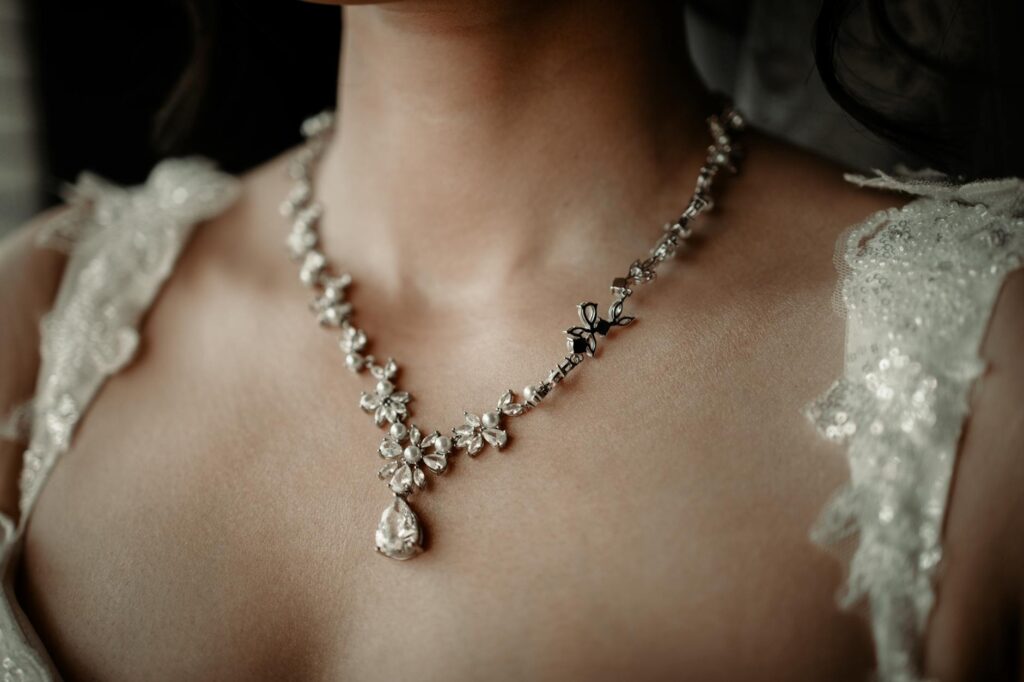
Necklace Chain Types: What to Actually Wear
This guide covers everything about types of necklace chains. Forget boring. The right necklace chain type isn’t just an accessory. it’s the foundation of your look. From the subtle shimmer of a snake chain to the bold statement of a Cuban link, knowing your options is key. Many individuals select a chain that either overwhelms their pendant or appears flimsy because they overlooked the chain’s inherent style and strength. This guide focuses on backbone of your jewelry and making informed choices. Let’s break down the real deal about necklace chain types so you can stop guessing and start choosing with confidence. (Source: gia.edu)
Last updated: April 18, 2026
Latest Update (April 2026)
As of April 2026, the jewelry market continues to emphasize both classic versatility and bold, personalized statements. According to recent reports from publications like British GQ and FashionBeans, men’s jewelry, including chains, is seeing a resurgence, with brands like Miansai and Bleue Burnham gaining traction for their quality and style in 2026. This trend highlights the enduring appeal of well-crafted chains as a key accessory for all genders. and, maintaining the luster of your chains remains a priority, with ongoing recommendations for effective jewelry cleaners, as highlighted by The Spruce’s recent testing of top products for tarnish removal. The focus is on durable, stylish, and well-maintained chains that complement individual aesthetics.
Featured Snippet Answer: Understanding necklace chain types means recognizing how different links affect style, durability, and how they pair with pendants. Popular types range from the sleek snake chain for minimalist looks to the strong Cuban link for a bolder statement, each suited to different occasions and personal styles. Experts recommend considering the intended use and the weight of any accompanying pendant when selecting a chain.
What Exactly Are We Talking About?
When discussing necklace chain types, the focus is on the specific pattern and construction of the metal links that form the chain. This goes beyond mere length or material (such as gold, silver, or platinum). it’s about the precise way individual metal components are interconnected. Consider the analogy of different rope constructions: some are tightly braided, others twisted, and some are simple links. Each configuration possesses a unique aesthetic, tactile quality, and structural integrity. This design is really important, influencing how the chain drapes around the neck and its capacity to support a substantial pendant without risk of breakage. As gia.edu notes, the construction is fundamental to a chain’s performance and appearance.
The distinction between a simple cable chain — where oval links connect in a standard manner, and a rope chain — where links are intricately twisted to create a textured, rope-like appearance, is a prime example. The cable chain offers classic versatility, while the rope chain provides a more distinctive visual appeal and often feels more substantial. These intricate construction details differentiate chains and are key determinants of their suitability for specific needs and styles.
The Go-To Chains for Daily Life
For everyday wear, prioritize comfort, durability, and versatility. These chains are the reliable workhorses of any jewelry collection, designed to complement everything from casual t-shirts to cozy sweaters. They must withstand the rigors of daily activity without snagging on clothing or feeling excessively heavy. As FashionBeans highlighted in early 2026, chains are increasingly seen as essential accessories for everyday style across genders, emphasizing the need for practical yet stylish options.
Cable Chain
Arguably the most classic and ubiquitous chain style, the cable chain features uniform oval links connected in a simple, direct fashion, akin to a standard anchor chain. Its dependability, ease of repair, and clean, minimalist aesthetic make it compatible with virtually any pendant. Users report that the standard cable chain is a reliable choice for daily wear due to its straightforward design and solidness.
Rolo Chain
Similar in its uniform link structure to the cable chain, the rolo chain is distinguished by its typically thicker, more rounded links. This design lends it a slightly more substantial feel. It works as an excellent alternative for those who appreciate the simplicity of a cable chain but desire a bit more visual presence and weight.
Curb Chain
Curb chains are constructed from interlocked, flattened oval links that rest smoothly against the skin. Often, the edges of these links are beveled, introducing a subtle sparkle. This style is a highly popular choice, offering enhanced visual interest compared to a basic cable chain while maintaining excellent sturdiness and comfort for daily wear. it’s a versatile option suitable for individuals of all styles.
- Pros:
- Durable and strong, suitable for daily wear.
- Lays flat and comfortably against the skin.
- Highly versatile, pairing well with various pendants or worn independently.
- Cons:
- Can occasionally snag on delicate knit fabrics.
- Flattened links may exhibit signs of wear over extended use.
When You Want Your Chain to Shine
In some instances, the chain itself is intended to be the focal point. These necklace chain types are engineered for visibility and admiration, often showcasing intricate patterns or substantial links that command attention. While their complexity or potential for snagging might make them less suitable for constant everyday wear, they’re perfect for elevating special occasions or adding flair to a simple ensemble. As reported by GQ in late 2025, silver chains, in particular, are noted for their ability to shine and complement various outfits and even social media presence.
Cuban Link Chain
The Cuban link is a specific iteration of the curb chain, characterized by its typically shorter, thicker, and more tightly interlocked links, often finished with a high-polish, slightly rounded surface. It represents a bold, iconic chain that conveys confidence and luxury. This style is strongly associated with hip-hop culture and statement jewelry, signifying a substantial and impactful presence. Its weight and solidity mean it’s generally not recommended for delicate pendants.
Rope Chain
Rope chains are visually striking due to their complex construction. they’re composed of numerous small links intricately twisted together to mimic the appearance of a rope. The unique arrangement of these links causes light to reflect beautifully, creating a captivating shimmer. Rope chains are often exceptionally strong and can function effectively as standalone statement pieces or as a complement to a pendant.
Figaro Chain
Originating from Italy, the Figaro chain is a distinct variation of the curb chain. Its defining feature is a repeating pattern, typically consisting of three shorter oval links followed by one longer oval link. This rhythmic sequence generates a dynamic visual appeal that’s both sophisticated and engaging. It’s an elegant choice that transitions well between casual and formal settings.
Spiga Chain (Wheat Chain)
The Spiga chain, also known as a wheat chain, is characterized by its tightly woven oval links that resemble the head of a wheat stalk. Each link is oval and is woven together in a way that creates a smooth, flowing texture. This intricate weaving makes the Spiga chain very strong and durable, while its appearance is elegant and slightly more detailed than a basic curb or cable chain. It lies flat and drapes beautifully, making it a popular choice for both men and women, often worn alone or with pendants.
Subtlety is Key: Delicate Chains
Not every necklace needs to be a prominent display. Sometimes, the desired effect is a subtle glimmer, a delicate accent that enhances rather than dominates. Delicate chains are designed for understated elegance, perfect for layering or for those who prefer minimalist jewelry. they’re often made with finer metals and smaller links, requiring more care in handling to prevent breakage or snagging.
Box Chain (Venetian Chain)
A box chain features square or box-shaped links connected in a smooth, continuous line. The links are hollow — which makes the chain appear substantial while remaining lightweight. This smooth, clean design lies flat and has a modern, sleek appearance. Box chains are quite strong for their delicate appearance and are excellent for everyday wear, especially with smaller pendants or when layering.
Snake Chain
Snake chains are characterized by their smooth, sleek, and fluid appearance, resembling a snake’s body. they’re constructed from small, tightly interlocked ridged or smooth plates that create a smooth surface. This lack of visible links gives them a liquid-like drape. Snake chains are delicate and can be prone to kinking if not handled carefully, but they offer a minimalist, sophisticated look that’s very popular for pendants or as a standalone piece.
Ball Chain (Bead Chain)
Ball chains consist of small, spherical beads connected by short, flexible wires. They have a utilitarian yet distinct look, often found in military dog tags or industrial jewelry. However, they’re also used in fashion jewelry for their unique texture and durability. The beads can be tightly spaced for a solid look or more spaced out for a lighter feel. they’re generally strong and resistant to snagging, making them a practical choice.
How to Choose the Right Necklace Chain
Selecting the ideal necklace chain involves considering several factors to ensure it aligns with your style, intended use, and the pendant it might carry. As experts recommend, the weight and style of the pendant are primary considerations. A heavy pendant requires a stronger, thicker chain, while a delicate pendant calls for a finer, more subtle chain.
Consider the Pendant
If you have a pendant, the chain should complement, not compete with it. For a large, statement pendant, a sturdy curb, Cuban, or rope chain can provide the necessary support and visual balance. For smaller, more delicate pendants, a fine cable, box, or snake chain is often more appropriate, allowing the pendant to be the star.
Material and Finish
The choice of metal—such as yellow gold, white gold, rose gold, silver, or platinum—should harmonize with your skin tone and other jewelry. Consider the finish as well: a high-polish finish will be more reflective, while a matte or brushed finish offers a more subdued look. As GQ recently noted regarding silver chains, the finish can impact how the jewelry reflects light and complements an outfit.
Occasion and Style
Daily wear demands durability and comfort, favoring styles like cable, rolo, or curb chains. For special occasions, more elaborate or bolder chains like Figaro or Cuban links can make a statement. Minimalist styles often benefit from delicate chains like box or snake chains, especially when layering.
Durability and Strength
Assess the chain’s intended use. For active lifestyles or frequent wear, prioritize solid designs like thicker curb, Cuban, or rope chains. Delicate chains, while beautiful, may require more careful handling to prevent damage. Reports indicate that chains with soldered links tend to be stronger than those with open links.
For those looking for recommendations on quality jewelry brands in 2026, publications like British GQ have featured lists including Miansai and Bleue Burnham, known for their craftsmanship and contemporary designs, offering a range of chain styles suitable for various preferences.
Keep Your Chains Looking Their Best
Maintaining the shine and integrity of your necklace chains is essential for their longevity and appearance. Regular cleaning prevents the buildup of oils, lotions, and environmental tarnish that can dull the metal. As The Spruce reported in January 2026, effective jewelry cleaners can restore tarnished pieces, making them look new again.
Cleaning Methods
For most gold and platinum chains, a mild soap and warm water solution with a soft brush can effectively remove dirt. For silver chains — which are prone to tarnishing, specialized silver polishing cloths or dips are recommended. Always ensure the chain is thoroughly rinsed and completely dried with a soft, lint-free cloth to prevent water spots or further tarnishing.
Storage
Store your chains individually to prevent them from tangling and scratching. Jewelry boxes with individual compartments or soft pouches are ideal. For delicate chains, extra care should be taken to avoid kinking or stretching.
Professional Care
For intricate chains or pieces made from valuable metals, consider periodic professional cleaning and inspection by a jeweler. They can ensure clasps are secure and identify any potential weak points before they become problems.
Frequently Asked Questions
what’s the strongest type of necklace chain?
Generally, chains with tightly interlocked, thicker links are considered the strongest. Examples include the Cuban link, the Spiga (wheat) chain, and thicker versions of the curb chain. Chains with soldered links are also more durable than those with open links.
Can I wear a silver chain every day?
Yes, you can wear a silver chain every day, but it requires regular cleaning to prevent tarnishing, as silver naturally oxidizes when exposed to air. As The Spruce noted in their 2026 testing, effective cleaning methods can keep silver looking its best. Consider choosing a thicker or more solid silver chain style for daily wear to enhance durability.
Which chain type is best for a heavy pendant?
For heavy pendants, opt for a chain known for its strength and ability to bear weight without stretching or breaking. Strong contenders include the Cuban link, a thick curb chain, or a substantial rope chain. Ensure the chain’s clasp is also solid enough to handle the weight.
what’s the difference between a curb chain and a Cuban link chain?
Both are types of curb chains, but a Cuban link typically features shorter, thicker, and more tightly packed links compared to a standard curb chain, often with a higher polish. A classic curb chain might have slightly longer, flatter links and a less dense appearance.
How do I choose a chain if I plan to layer necklaces?
When layering, consider varying chain lengths and styles. Delicate chains like the snake, box, or fine cable chains are excellent for layering as they lie flat and don’t easily tangle. Mix textures and thicknesses for visual interest, ensuring at least one inch difference in length between each layered chain to allow each to be visible.
Conclusion
The world of necklace chain types offers a diverse range of styles, each with its unique characteristics influencing appearance, durability, and suitability for different purposes. Whether you’re seeking the understated elegance of a delicate box chain, the solid statement of a Cuban link, or the classic versatility of a cable chain, understanding these distinctions empowers you to make informed choices. By considering the pendant, occasion, personal style, and material, you can confidently select a chain that not only completes your look but also becomes a cherished piece of jewelry for years to come. Remember that proper care and cleaning, as highlighted by recent consumer reports, will ensure your chosen chain maintains its luster and integrity through daily wear and special occasions.
Source: GIA (Gemological Institute)
Related Articles
- Zodiac Stones: More Than Just Pretty Rocks
- Personalized Gift Jewelry: What's New?
- what’s Rose Gold Made Of? Discover the Unique Alloy and Pink Hue
Editorial Note: This article was researched and written by the Wilton Jewelers editorial team. We fact-check our content and update it regularly. For questions or corrections, contact us.