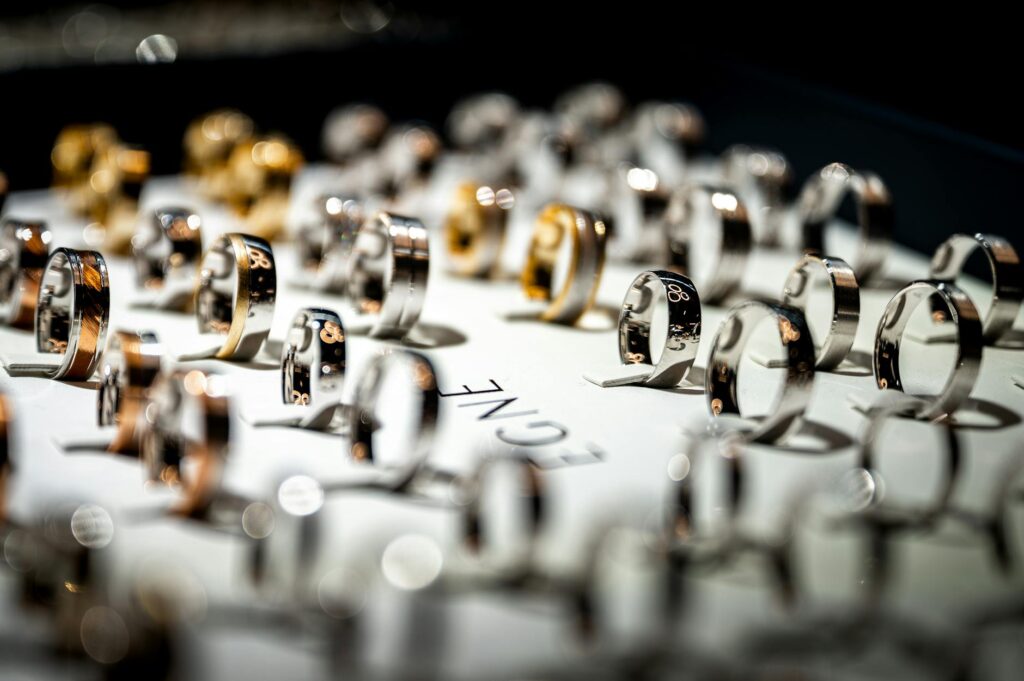
How to Clean Fine Jewelry at Home Safely
Nobody wants to see their prized engagement ring looking dull or that beloved gold chain losing its luster. For years, concerns have persisted about either neglecting fine jewelry until it’s too late or, worse, attempting risky DIY hacks found online that can actually damage precious pieces. Fortunately, keeping your fine jewelry sparkling doesn’t require a magic wand or frequent trips to an expensive jeweler. You can learn how to clean fine jewelry at home, safely and effectively, using simple items you likely already have. It’s about understanding what works and, Keyly, what to avoid.
Last updated: April 18, 2026
This guide focuses on respecting your precious metals and gemstones with simple, time-tested methods. Based on insights from gemological experts and recent consumer testing, this approach ensures your treasures shine without risking damage.
Latest Update (April 2026)
Recent reports highlight the ongoing interest in effective home jewelry cleaning. According to a January 2026 piece in Martha Stewart, keeping gold, silver, and diamonds sparkling at home is achievable with the right techniques. Similarly, The Spruce’s January 2026 testing of the best jewelry cleaners found that many readily available products can restore tarnished rings and necklaces effectively. Vogue also recently emphasized safe diamond ring cleaning methods in February 2026, underscoring the importance of avoiding harsh chemicals. These updates reinforce the need for clear, safe guidance on at-home jewelry care.
Why Bother Cleaning Your Fine Jewelry?
While the most obvious reason to clean fine jewelry is to enhance its appearance, the benefits extend beyond mere aesthetics. Over time, rings, necklaces, and earrings accumulate skin oils, lotions, makeup, sweat, and microscopic debris. This buildup doesn’t just dull the shine. it can attract more dirt and potentially degrade certain materials if left unaddressed. Imagine a diamond appearing lackluster – it’s likely coated in a film from daily wear. Regular, gentle cleaning prevents this accumulation, ensuring your jewelry not only looks its best but also maintains its structural integrity and intrinsic value. It’s a small act of maintenance that preserves the beauty and investment of your cherished pieces.
What NOT to Do When Cleaning Jewelry at Home
Many common mistakes can lead to irreversible damage to fine jewelry. It’s essential to avoid harsh chemicals such as bleach, acetone, or highly abrasive cleaners. These substances can etch metals, damage gemstones (especially porous or organic ones), and strip protective coatings. Secondly, steer clear of abrasive tools like steel wool, stiff brushes, or rough cloths, as they can easily scratch the surfaces of metals and softer stones. For instance, attempting to clean a beautiful sapphire ring with a scouring pad, as one user reportedly did, can permanently dull the facet edges.
Another significant pitfall is the indiscriminate use of ultrasonic cleaners. While effective for removing general grime from durable stones like diamonds and gold, they can dislodge stones with less secure settings, crack fragile gems such as emeralds, or damage delicate materials like pearls and opals. As reported by the New York Post in October 2025, toothpaste should also be avoided. its mild abrasiveness can scratch precious metals, leaving the surface foggy or etched.
Common Jewelry Cleaning Mistakes to Avoid:
- Harsh chemicals (e.g., bleach, acetone, undiluted ammonia-based cleaners).
- Abrasive tools (e.g., steel wool, stiff brushes, scouring pads).
- Toothpaste.
- Ultrasonic cleaners for porous or delicate stones (pearls, opals, emeralds, turquoise, etc.).
- Boiling water (can damage certain gemstones and settings).
Why These Methods Are Risky:
- Potential for permanent scratches, etching, or discoloration of metals.
- Risk of damaging or loosening gemstone settings.
- Degradation of organic materials like pearls and coral.
- Possibility of cracking or damaging fragile gemstones.
Safely Cleaning Gold and Silver Jewelry
Gold and silver jewelry pieces are generally quite resilient to gentle home cleaning methods. For everyday grime, a simple solution of warm water and a few drops of mild dish soap is highly effective. Soak your jewelry for about 15-20 minutes. Then, using a very soft brush, such as a clean, soft-bristled toothbrush, gently scrub around settings and into crevices. Rinse thoroughly under cool running water, ensuring all soap residue is removed. Finally, pat the jewelry dry with a soft, lint-free cloth.
For more stubborn tarnish on silver, especially sterling silver, several effective methods exist that avoid harsh chemicals. One popular approach involves a baking soda paste. Mix baking soda with a small amount of water to create a paste. Gently apply it with your fingers or a soft cloth, rub lightly, and then rinse thoroughly. Another widely used method uses aluminum foil. Line a bowl with foil, place your silver jewelry on it, and fill the bowl with hot water mixed with one to two tablespoons of baking soda. Allowing it to sit for a few minutes initiates a chemical reaction that can lift tarnish. Rinse and dry completely.
According to Martha Stewart’s January 2026 advice, for 10K, 14K, or 18K gold, a solution of one part ammonia to six parts warm water can be effective for removing dullness and restoring shine. Soak the gold pieces for no more than a minute, then rinse thoroughly and dry. However, this method should be used with caution and isn’t suitable for jewelry with porous gemstones or pearls.
How to Clean Gemstone Jewelry (The Gentle Way)
Cleaning gemstone jewelry requires a more delicate approach, as many gemstones have varying degrees of hardness and porosity. For most durable, non-porous gemstones like diamonds, sapphires, and rubies, the mild dish soap and warm water method described above is generally safe. Use a soft brush to gently clean around the stones and settings. Ensure thorough rinsing and drying.
Vogue’s February 2026 guide on cleaning diamond rings at home suggests that a simple solution of warm water and a few drops of mild dish soap is often sufficient. For enhanced sparkle, some users report success with a diluted ammonia solution (one part ammonia to six parts water), but this should be used sparingly and with caution, ensuring the ring is thoroughly rinsed afterward. As reported by The Spruce in January 2026, testing various cleaners found that gentle, specialized jewelry cleaning solutions can also be very effective for gemstones, provided they’re formulated for the specific type of stone.
Avoid exposing gemstones to extreme temperature changes, ultrasonic cleaners (unless In particular recommended for the stone type by a professional), or harsh chemicals. For softer or treated gemstones, it’s always best to consult a jeweler.
Special Care: Pearls and Opals Need Extra TLC
Pearls and opals are organic gemstones and are exceptionally delicate. They require the most gentle care. Avoid submerging pearls or opals in water, especially soapy or chemically treated water. Instead, wipe them gently with a soft, slightly damp cloth. For opals, it’s Key to avoid sudden temperature changes and harsh chemicals, as these can cause cracking or loss of their characteristic play-of-color. Pearls can be dulled or damaged by acidic substances, including perfumes and hairsprays. always put your pearl jewelry on after applying cosmetics and lotions.
For pearls, a mixture of warm water and a tiny amount of mild soap (like baby soap) can be used sparingly. Dampen a soft cloth with this solution, wipe the pearls, then wipe them again with a clean, damp cloth to remove residue. Allow them to air dry completely before storing. For opals, a dry, soft cloth is usually sufficient for routine cleaning. If deeper cleaning is needed, consult a professional.
Essential Jewelry Cleaning Tools You Need
Gathering the right tools makes the process much easier and safer. You don’t need a professional setup. most items are readily available:
- Mild Dish Soap: A gentle, grease-cutting soap without harsh additives.
- Soft-Bristled Brush: An old, thoroughly cleaned toothbrush or a specialized jewelry brush.
- Soft, Lint-Free Cloths: Microfiber cloths are ideal for drying and polishing.
- Small Bowl: For soaking jewelry.
- Warm Water: The base for most cleaning solutions.
- Baking Soda (for silver): A mild abrasive and tarnish remover.
- Aluminum Foil (for silver): Used in a chemical reaction for tarnish removal.
- Ammonia (diluted, for gold): Use with extreme caution and only on specific gold alloys, as recommended by experts.
When to Call in the Pros
While at-home cleaning is effective for routine maintenance, there are times when professional attention is necessary. If your jewelry has intricate settings, antique or very delicate gemstones, or significant damage like loose stones or deep scratches, it’s best to seek expert help. Professionals have specialized equipment and knowledge to clean and repair jewelry without causing further harm. They can also perform professional polishing and rhodium plating touch-ups for white gold — which can’t be replicated at home.
Consider professional cleaning for valuable heirlooms or pieces with sentimental importance, especially if you’re unsure about the materials or the best cleaning method. According to gemological resources, routine professional check-ups can also help identify potential issues before they become major problems.
Frequently Asked Questions
Can I use hand sanitizer to clean my jewelry?
No. Hand sanitizer often contains alcohol and other chemicals that can damage certain gemstones and metals, and it may leave a residue. it’s not a recommended cleaning agent for fine jewelry.
How often should I clean my fine jewelry at home?
For everyday wear pieces like engagement rings or necklaces, cleaning once every two to four weeks is generally recommended. Pieces worn less frequently can be cleaned as needed, but it’s good practice to give them a refresh every few months.
Is it safe to clean my jewelry in boiling water?
No, boiling water isn’t recommended. Extreme heat can damage certain gemstones, such as opals, pearls, emeralds, and turquoise, and can also affect the integrity of settings.
What’s the best way to clean tarnish from sterling silver?
For sterling silver tarnish, mild dish soap and water is a good starting point. For more persistent tarnish, a paste of baking soda and water or the aluminum foil and baking soda bath method, as described earlier, are effective and safe options when done gently. Always rinse thoroughly and dry completely.
Can I use window cleaner on my jewelry?
Generally, no. While some sources might suggest diluted ammonia (a component in some window cleaners), using commercial window cleaner directly can be risky due to its unknown chemical composition and potential for harsh additives that could damage your jewelry.
Conclusion
Learning how to clean fine jewelry at home safely is an accessible skill that preserves the beauty and value of your cherished pieces. By materials of your jewelry and adhering to gentle, proven methods while strictly avoiding harsh chemicals and abrasive tools, you can maintain its sparkle for years to come. Always remember that delicate stones like pearls and opals require extra special care, and when in doubt, professional cleaning is the safest route.
Source: Britannica
Related Articles
- 14k vs 18k Gold: Avoiding Mistakes in Jewelry Choices (2026)
- How to Clean Diamonds at Home for Lasting Sparkle (2026 Guide)
- Green Gemstones: Beyond the Emerald Hype
Editorial Note: This article was researched and written by the Wilton Jewelers editorial team. We fact-check our content and update it regularly. For questions or corrections, contact us.