
Rolex vs Omega: Investment Potential Analyzed
This guide covers everything about Rolex vs Omega which is better investment. When considering luxury watches as an investment, two names consistently rise to the top: Rolex and Omega. While both brands boast rich histories and exceptional craftsmanship, their investment potential often tells different stories. For many collectors and investors, Rolex typically surpasses Omega as a more consistently strong watch investment. Here’s largely due to Rolex’s enduring demand, carefully managed exclusivity, and historically higher resale values. However, Omega offers its own compelling investment opportunities, especially with specific models that hold significant historical weight and have shown stable appreciation. The choice between them often depends on individual investment goals, budget, and a deep understanding of the nuances within each brand’s offerings.
Latest Update (April 2026)
As of April 2026, the luxury watch market continues to be dynamic, with both Rolex and Omega maintaining strong positions. Recent market analyses, such as those discussed by vocal.media in their July 2025 guide to the luxury watch market, highlight that while established brands like Rolex and Omega remain dominant, understanding current trends, brand equity, and specific model desirability is more critical than ever for investment success. Reports from late 2025, like those from eFinancialCareers, indicate that watches from these prestigious brands continue to be favored accessories in high-finance circles, underscoring their perceived value and status. and, ongoing coverage from watch enthusiasts and publications like Hodinkee and Two Broke Watch Snobs — which recently compared the Omega Seamaster and Rolex Submariner after extensive testing in late 2025, demonstrates continued public interest and comparative analysis of these key models, influencing collector sentiment and potential future values.
What Makes Rolex a Strong Investment?
Rolex’s formidable investment appeal is built on a foundation of deliberate scarcity. The brand meticulously controls its production volumes, ensuring that the supply of new watches remains critically below the consistent and often escalating demand. This strategy isn’t accidental. it cultivates an aura of exclusivity and scarcity that directly drives up resale values. For decades, Rolex has produced iconic designs that have transcended mere timekeeping to become cultural touchstones. Models such as the legendary Submariner, the highly coveted Daytona chronograph, and the versatile GMT-Master II aren’t only instantly recognizable but also embody reliability and timeless design. This broad appeal ensures a consistent pool of buyers, from seasoned collectors to new entrants into the luxury watch world.
The solid demand for Rolex watches is further amplified by their reputation for holding value exceptionally well, and often appreciating over time. Unlike many luxury goods that depreciate rapidly, Rolex timepieces are frequently seen as assets. This perception is reinforced by the brand’s consistent quality, innovative engineering, and a marketing strategy that emphasizes heritage and achievement. Expert analyses frequently point to stainless steel sports models as the best performers in terms of appreciation. These watches, due to their solidness, versatility, and iconic status, are consistently ranked highest by collectors and investors alike. The limited production runs, especially for sought-after references, mean that the secondary market often sees prices above retail, creating a strong investment case for those who can acquire these pieces.
Why Choose Omega for Investment?
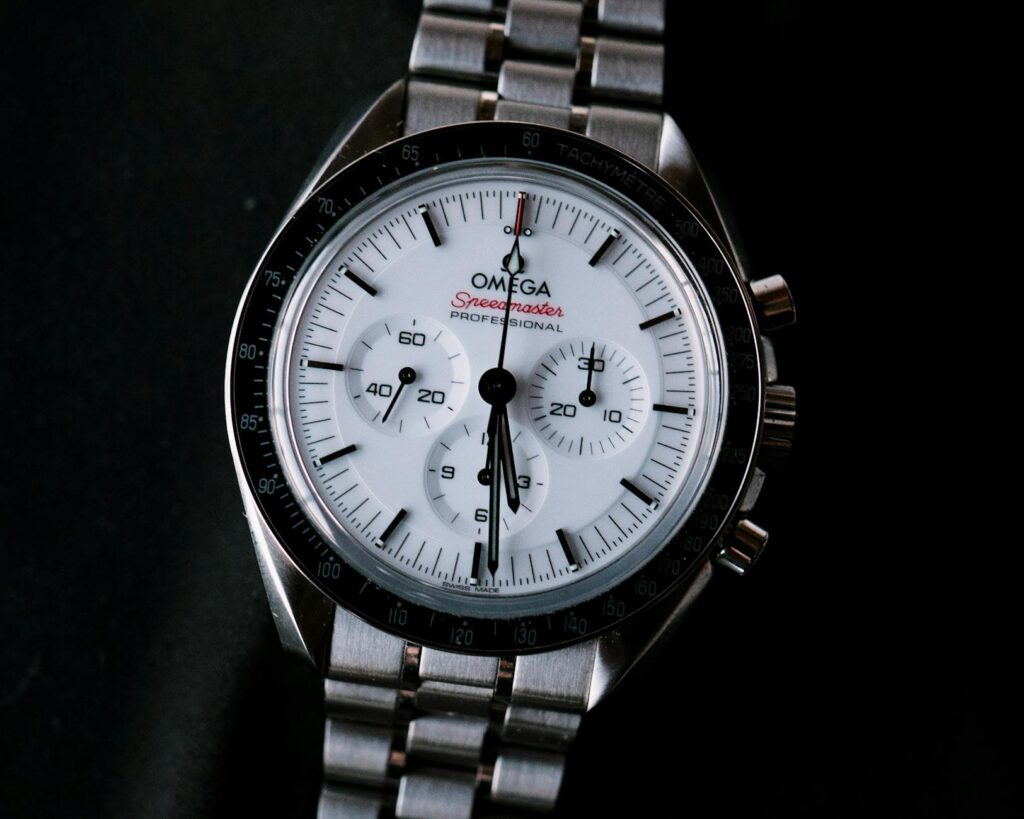
Omega offers a compelling alternative for those looking to enter the luxury watch investment market with generally more accessible entry price points compared to many Rolex models. While perhaps not reaching the same peaks of exclusivity as Rolex, Omega possesses a rich heritage intertwined with significant historical moments, most notably its deep association with space exploration. The Omega Speedmaster Professional, famously known as the “Moonwatch,” is a prime example. It was the first watch worn on the moon, a historical feat that imbues it with immense collectible value and enduring appeal. Similarly, select models within the Omega Seamaster line, especially those with professional dive capabilities and historical significance, present attractive collectible opportunities with potential for stable appreciation.
Recent reports highlight Omega’s growing market presence. According to WatchPro, Omega’s sales experienced a notable surge of 30% in the past year (referencing data Before 2026), indicating a substantial increase in demand and market enthusiasm for the brand. This rising demand, coupled with Omega’s consistent delivery of high-quality, innovative timepieces, boosts its investment case. As noted by bgr.com in their late 2025 ranking of major luxury watch brands, Omega is recognized for its significant contributions to watchmaking and its strong historical narrative, placing it firmly among the top-tier luxury brands.
Pros of Investing in Omega
- Lower Entry Price Points: Many Omega models are more attainable for new investors compared to their Rolex counterparts.
- Rich Historical Significance: The brand’s association with key events, such as the moon landing and its role as the official timekeeper for the Olympic Games, adds significant historical and emotional value.
- High-Quality Craftsmanship: Omega consistently produces timepieces with exceptional build quality, innovative movements (like the Co-Axial escapement), and durable materials.
- Growing Brand Recognition: Increased marketing efforts and positive reception of new models are enhancing Omega’s global brand appeal.
Cons of Investing in Omega
- Generally Lower Resale Value: While improving, Omega models typically don’t achieve the same resale premiums over retail as comparable Rolex watches.
- Higher Production Numbers: Omega produces a greater volume of watches than Rolex — which can dilute the sense of scarcity that drives rapid value appreciation.
- Frequent Design Evolution: Omega has sometimes updated its popular lines more frequently than Rolex — which can occasionally impact the long-term appeal and collectibility of older references for some buyers.
How Market Trends Affect Investment Value
Market trends exert a profound influence on the investment value of any luxury watch. For watches like Rolex and Omega, brand equity plays a significant role in how they weather market fluctuations. Rolex, with its unparalleled brand recognition and perceived status as the ultimate luxury watch, often benefits from greater stability and resilience during economic shifts. Its demand remains consistent, allowing it to weather economic downturns better than many other luxury goods.
Factors such as cultural shifts, economic conditions, and even the influence of prominent figures and media play significant roles. Historically, periods of economic stability and growth have correlated with increased demand for luxury goods, including high-end watches. Conversely, during economic uncertainty, the market for speculative luxury investments can become more volatile. As highlighted in the eFinancialCareers article “The watches that Wall Street bankers wear really” (December 2025), certain luxury watches remain status symbols and investment considerations even in challenging economic environments, demonstrating their enduring appeal. Studies suggest that watches with a strong narrative, proven track record of value retention, and consistent demand are best positioned to maintain or increase their value regardless of broader economic trends.
Key Factors in Choosing Rolex vs Omega for Investment
Selecting the right luxury watch for investment requires careful consideration of several key factors that differentiate brands and specific models. These include current and historical demand for a particular reference, the level of scarcity or production volume, the depth of the brand’s heritage and its association with significant events or innovations, and the stability and appeal of its design language over time. Investors should also consider the accessibility and liquidity of the secondary market for specific models.
For Rolex, the investment thesis often centers on extreme demand outstripping supply, leading to consistent appreciation, especially for stainless steel sports models. The brand’s legacy designs are stable in their appeal. For Omega, the investment narrative often includes historical significance (like the Speedmaster’s space legacy) and strong performance in specific categories, such as professional dive watches, with prices showing upward trends, especially for sought-after references. As Two Broke Watch Snobs recently explored in their comparative testing of the Omega Seamaster and Rolex Submariner (November 2025), direct comparisons often reveal that while both excel in performance, their investment trajectories can differ based on these core factors.
Specific Models Delivering Highest Value Appreciation
Within the Rolex catalog, certain models have consistently demonstrated exceptional value appreciation. Among the most notable for investment are:
- Rolex Submariner (e.g., Ref. 116610LN): This iconic dive watch is a perennial favorite, known for its solid design and enduring demand. Stainless steel versions, in particular, are highly sought after.
- Rolex Daytona (e.g., Ref. 116500LN): The stainless steel Daytona, especially with a black or white dial, is one of the most coveted sports watches in the world. Its desirability often commands prices well above retail on the secondary market.
- Rolex GMT-Master II (e.g., “Pepsi” Ref. 126710BLRO): The “Pepsi” bezel GMT-Master II, especially in its stainless steel iteration, is another highly collectible reference that has seen significant value growth.
For Omega, while the overall appreciation might not match Rolex’s highest performers, specific models offer strong investment potential:
- Omega Speedmaster Professional “Moonwatch”: Especially vintage references or special editions, the Moonwatch holds immense historical value and collector interest. Modern references with desirable features also perform well.
- Omega Seamaster Diver 300M and Planet Ocean: These professional dive watches, known for their quality and the brand’s association with James Bond and deep-sea exploration, have seen steady appreciation, especially for well-maintained examples with sought-after specifications. Hodinkee’s hands-on review of the Omega Seamaster Planet Ocean for 2025 highlighted its continued relevance and appeal.
How to Maximize Your Watch Investment
Maximizing the return on a luxury watch investment involves more than just purchasing a desirable model. It requires a strategic approach encompassing research, acquisition, and long-term care. Investors should focus on acquiring models with a proven track record of value retention and strong, consistent demand. This often means prioritizing core collection pieces over limited editions that might be overly trendy or niche, unless their rarity is exceptionally high and historically validated.
Research and Due Diligence: Thoroughly research market trends, historical price data, and expert opinions. use resources like auction results, reputable watch forums, and industry publications. Understanding which specific references are gaining traction and why is key. As vocal.media’s “Ultimate Guide to the Luxury Watch Market” (July 2025) suggests, staying informed about broader market trends and analyses is Key for making sound investment decisions.
Condition and Provenance: The condition of a watch impacts its value. Mint or near-mint examples, especially those with original boxes, papers, and accessories (full set), command higher prices. Maintaining a watch’s original state, avoiding excessive polishing, and keeping detailed service records can enhance its investment appeal. Provenance, such as a watch’s history of ownership or association with notable individuals, can also add substantial value.
Buying and Selling Strategy: Consider whether to buy new or pre-owned. While buying new can offer the latest features and warranty, pre-owned watches often present better value and have already absorbed initial depreciation. When selling, choose the right platform – whether it’s a reputable dealer, an auction house, or a private sale – to maximize your return.
Frequently Asked Questions
Why is Rolex generally considered a better investment than Omega?
Rolex is often favored due to its stronger brand prestige, highly controlled production leading to greater scarcity, and typically higher resale values compared to Omega. Its watches are perceived as more of a stable store of value.
Which Omega models are considered best for investment purposes?
The Omega Speedmaster Professional “Moonwatch,” especially vintage references and special editions, is highly collectible. Certain Omega Seamaster models, especially professional dive watches with historical significance, also present good investment opportunities.
How frequently do Rolex watches typically increase in value?
Rolex watches tend to appreciate steadily over the long term, often over decades. While some models can experience rapid appreciation due to market demand or specific reference desirability, consistent, long-term growth is more typical.
Are vintage Rolexes or Omegas generally better investments?
Both vintage Rolexes and Omegas can offer excellent returns if they’re well-maintained and represent desirable references. However, vintage Rolexes, due to their established rarity and demand, often have a more predictable and higher potential for appreciation.
Should emerging luxury watch brands be considered for investment in 2026?
Emerging luxury watch brands can offer unique and potentially high-return investment opportunities, but they typically come with higher risk. They generally lack the established prestige, brand heritage, and proven long-term value retention that brands like Rolex and Omega possess. Investment in these brands is often more speculative.
Conclusion
In the ongoing discourse of Rolex vs. Omega as investments, Rolex generally holds a stronger position due to its unparalleled brand equity, deliberate scarcity, and consistently high resale values, especially for its stainless steel sports models. Omega, however, is a formidable contender, offering accessible entry points, rich historical narratives, and solid appreciation potential, especially with iconic models like the Speedmaster and select Seamasters. Recent market data and expert analyses from late 2025 and early 2026 confirm that both brands remain highly desirable within the luxury watch market. For the discerning investor in 2026, a thorough understanding of individual model desirability, market trends, condition, and provenance is really important, whether opting for the established dominance of Rolex or the historically significant appeal of Omega.
Source: Britannica
Related Articles
- Your First Gold Jewelry: A Beginner's Guide 2026
- 14k vs 18k Gold: Avoiding Mistakes in Jewelry Choices (2026)
- Baguette Diamonds: Timeless Elegance in Modern Jewelry
Editorial Note: This article was researched and written by the Wilton Jewelers editorial team. We fact-check our content and update it regularly. For questions or corrections, contact us.