Learn How to Tell If Your Watch is Real or Fake Instantly
This guide covers everything about how to tell if a watch is real or fake. Ever wonder if that timepiece on your wrist is a genuine marvel of engineering or a clever imitation? A real watch is defined by its exceptional craftsmanship, premium materials, and unwavering precision. In 2026, with sophisticated counterfeits becoming increasingly common, knowing how to spot the difference instantly is more important than ever. This guide will equip you with the essential knowledge to quickly distinguish authentic watches from fakes.
Last updated: April 18, 2026
The most effective way to determine if a watch is real or fake involves a meticulous examination of its detailed craftsmanship, weight and feel, engravings, movement, and the verification of its accompanying documentation. Counterfeiters often cut corners, and these subtle (and sometimes not-so-subtle) flaws are the common giveaways.
Latest Update (April 2026)
As of April 2026, the market for both genuine and counterfeit luxury watches continues to evolve. Recent reports from organizations like The National Council on Aging (NCOA) highlight the growing trend of specialized wearable technology, including advanced medical alert watches, demonstrating the increasing integration of technology into timekeeping devices — which can sometimes blur lines with traditional luxury timepieces. According to Hootsuite Blog’s analysis of 2026 Instagram algorithm tips, visual platforms remain Key for brands to showcase authenticity and build trust with consumers, making high-quality product imagery and transparent brand communication vital in combating fake listings. This highlights the importance of scrutinizing online marketplaces and seller reputations when considering a purchase, as sophisticated marketing can be used to mask fraudulent items. and, the ongoing advancements in watchmaking technology mean that even complex mechanical movements are being replicated with increasing fidelity, necessitating a more thorough inspection than ever before.
What Distinguishes a Genuine Watch from a Counterfeit?
A true luxury watch is a testament to quality and exacting standards, a stark contrast to the often shoddy construction of fakes. Authentic timepieces are assembled using high-end materials and employ precise engineering that has often been refined over decades. Brands invest heavily in research, development, and rigorous testing to ensure their watches meet unparalleled standards of performance and durability.
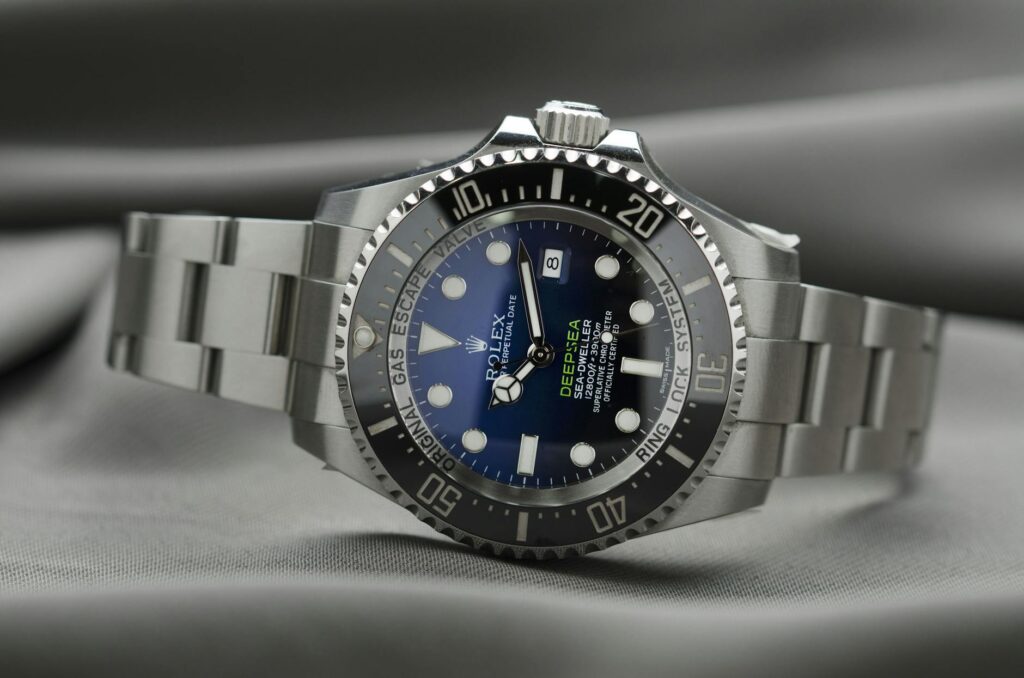
For instance, Rolex exemplifies this commitment to luxury with its meticulous detailing, proprietary materials, and exhaustive testing protocols. A genuine Rolex Submariner, first introduced in 1953 and continuously refined, remains a powerful symbol of enduring design, solidness, and precision engineering. The brand’s dedication to quality control means every component is scrutinized, ensuring a product that stands the test of time.
Is the Weight and Feel Authentic?
The weight and tactile sensation of a watch are often the first indicators of its authenticity. Genuine luxury watches are typically constructed from materials with specific densities and quality, such as surgical-grade 904L stainless steel, precious metals like 18k gold, platinum, or high-tech ceramics. These materials contribute to a substantial, reassuring heft that’s difficult and expensive for counterfeiters to replicate convincingly.
Conversely, fake watches often feel surprisingly light. Here’s usually due to the use of cheaper alloys, plated metals, or inferior plastics. Beyond just weight, pay attention to the overall feel. The surface of an authentic watch should be smooth, with a luxurious finish. Every action – from winding the crown to rotating the bezel – should feel precise and solid, with satisfying clicks and no looseness or grittiness. A real Omega Seamaster, for example, known for its solid stainless steel construction, boasts a reassuring heft and precisely engineered bezel action that fakes struggle to mimic.
Learn more about authentic watch materials.
How to Examine Dial and Hands for Real vs. Fake Clues
The dial is a watch’s face, and it’s where many counterfeits reveal their flaws. Examine it with a magnifying glass if possible. Authentic watches feature perfectly sharp, precisely aligned hour markers, indices, and applied logos. The printing of brand names, model names, and any other text must be crisp, clear, and perfectly spaced. There should be no smudges, uneven edges, or inconsistencies in font. The Super-LumiNova or other luminescent material applied to the hands and markers should glow evenly and brightly in low light, indicating quality application and materials.
Fakes, But — often show tell-tale errors: misaligned markers, uneven printing, smudged text, or lume that’s patchy or doesn’t glow effectively. The watch hands themselves should be flawlessly finished and move smoothly. For mechanical watches, the second hand should have a smooth, sweeping motion (typically 6-8 beats per second). For quartz watches, a distinct, crisp tick is normal, but it should align perfectly with the hour markers. Any hesitation, stuttering, or misalignment in hand movement is a red flag.
What Does the Watch Movement Tell You About Authenticity?
The movement, or the engine of the watch, is perhaps the most critical indicator of authenticity. High-end mechanical watches feature intricate, precisely engineered movements developed by the brand or a reputable manufacturer. Brands like Patek Philippe, Audemars Piguet, and Jaeger-LeCoultre are renowned for their exquisite and complex movements.
If the watch has an exhibition case back, allowing you to see the movement, take a close look. An authentic movement will display a sophisticated array of meticulously finished gears, bridges, and plates, often with decorative finishes like Geneva stripes or perlage. You might see brand engravings on the movement parts. Counterfeit watches often use cheap, mass-produced quartz movements or very basic mechanical movements that lack any finishing or decoration. Sometimes, they might even feature a decorative rotor that doesn’t actually connect to anything.
For quartz watches, while the movement is less complex, genuine brands still use reliable, branded movements (e.g., ETA, Ronda) which are well-assembled, unlike the generic, often flimsy movements found in fakes.
Serial Numbers and Engravings: The Devil’s in the Details
Authentic watches, especially luxury models, are equipped with unique serial numbers and detailed engravings that are executed with extreme precision. These engravings should be deep, clean, and perfectly defined, often found on the case back, between the lugs, or on the rehaut (the inner bezel ring). The serial number is a unique identifier for that specific timepiece.
it’s Key to verify these serial numbers with the watch brand’s official registry or through authorized dealers. Reputable brands often have online databases where you can check the validity of a serial number. Forged engravings may appear shallow, sloppy, uneven, or too deep, suggesting they were done with a crude tool rather than precision machinery. Sometimes, counterfeiters will use the same serial number across multiple fake watches — which is another significant red flag.
Packaging and Documentation: Are They Genuine?
While not always foolproof, the original packaging and documentation can provide further clues. Authentic luxury watch boxes are typically crafted with high-quality materials, reflecting the quality of the watch itself. They often feature embossed logos, precise stitching, and a luxurious interior lining. The box should feel substantial and well-made.
The accompanying documentation – including the warranty card, instruction manual, and certificate of authenticity – should also be of high quality. The printing should be crisp, the paper stock should feel premium, and all details about the watch (model name, serial number, reference number) must perfectly match the timepiece itself. Many high-end brands incorporate security features into their documentation, such as holograms, watermarks, or unique serial numbers on the warranty card that link directly to the watch. Be wary if the packaging feels cheap, the printing is blurry, or the documentation contains errors or discrepancies.
Common Mistakes When Identifying Fake Watches
Several common pitfalls can lead individuals to mistakenly purchase or dismiss a genuine watch. One of the most frequent errors is relying too heavily on the purchase price or location alone. While a price below market value is a major warning sign, some sophisticated fakes are sold at inflated prices to appear legitimate. Conversely, a high price doesn’t automatically guarantee authenticity.
Another mistake is failing to check all aspects of the watch independently. Don’t just look at the dial. examine the case, bracelet, clasp, movement, and documentation thoroughly. Always inquire with authorized dealers or reputable pre-owned watch specialists to ensure reliability. As reported by Android Police, advanced AI tools are even being used to enhance learning and information consumption, suggesting that detailed research and cross-referencing information from multiple trusted sources is key in today’s digital age — which applies directly to verifying watch authenticity.
Avoid deals that seem too good to be true, especially from unknown online sellers or street vendors. Always prioritize purchasing from authorized retailers or highly reputable, established pre-owned watch dealers who offer guarantees and return policies.
Frequently Asked Questions
Why is the watch movement so important for authenticity?
A watch’s movement is its mechanical heart. High-end movements are complex, precisely engineered, and often beautifully finished, reflecting significant investment in research and development. Examining the movement, if visible, can reveal the quality of craftsmanship, the type of components used, and whether it aligns with the brand’s known specifications. A crude or generic movement is a strong indicator of a counterfeit.
What’s a quick visual test I can perform for authenticity?
A quick visual test involves scrutinizing the dial for perfectly aligned hour markers and logos, checking that all text is crisp and evenly printed, and ensuring the hands are smoothly finished and aligned correctly with the markers. Also, look for clean, precise engravings on the case and clasp. If any of these elements appear sloppy, uneven, or misaligned, it’s a significant red flag.
Should I trust online listings for luxury watches?
You should be very cautious with online listings. While many reputable dealers sell online, the prevalence of counterfeits is high on less regulated platforms. Always verify the seller’s reputation, read customer reviews, examine high-resolution photos closely, and look for detailed product descriptions. It’s best to purchase from established online retailers with strong return policies or direct from authorized dealers. As the West Virginia Watch reported on legislative stalls affecting school funding, timely and reliable information is Key. similarly, reliable information about a watch’s provenance is really important.
Are holograms or security features on documents important?
Yes, absolutely. Many reputable watch brands incorporate security features like holograms, watermarks, micro-printing, or unique serial numbers on their warranty cards and certificates of authenticity. Here are designed to prevent counterfeiting. The presence and quality of these features can be a strong indicator of a genuine product, while their absence or poor imitation suggests a fake.
Can I trust a watch without its original documentation or box?
You should be extremely cautious. While it’s possible for a genuine watch to be separated from its original box and papers over time, especially if it’s a vintage piece, it increases the risk. Lacking original documentation and packaging makes it much harder to verify authenticity and can suggest the watch is counterfeit or has a questionable history. If buying without these items, ensure the seller is highly reputable and offers a strong guarantee of authenticity.
Conclusion
Distinguishing a genuine watch from a sophisticated counterfeit in 2026 requires a keen eye for detail and an understanding of what constitutes true quality. By meticulously examining the craftsmanship, weight, dial, hands, movement, engravings, and documentation, you can reduce the risk of purchasing a fake. Always remember that if a deal seems too good to be true, it likely is. Prioritize purchasing from authorized dealers or trusted pre-owned watch specialists who stand behind their products. With careful inspection and informed decision-making, you can ensure your investment is a genuine piece of horological art.
Source: GIA (Gemological Institute)
Related Articles
- Is Titanium Good for Wedding Bands? Pros, Cons &. Advice
- Dazzle in Style: Stunning Silver Bracelets for Women in 2026
- Best Jewelry Store Wilton: Avoid These Mistakes
Editorial Note: This article was researched and written by the Wilton Jewelers editorial team. We fact-check our content and update it regularly. For questions or corrections, contact us.