
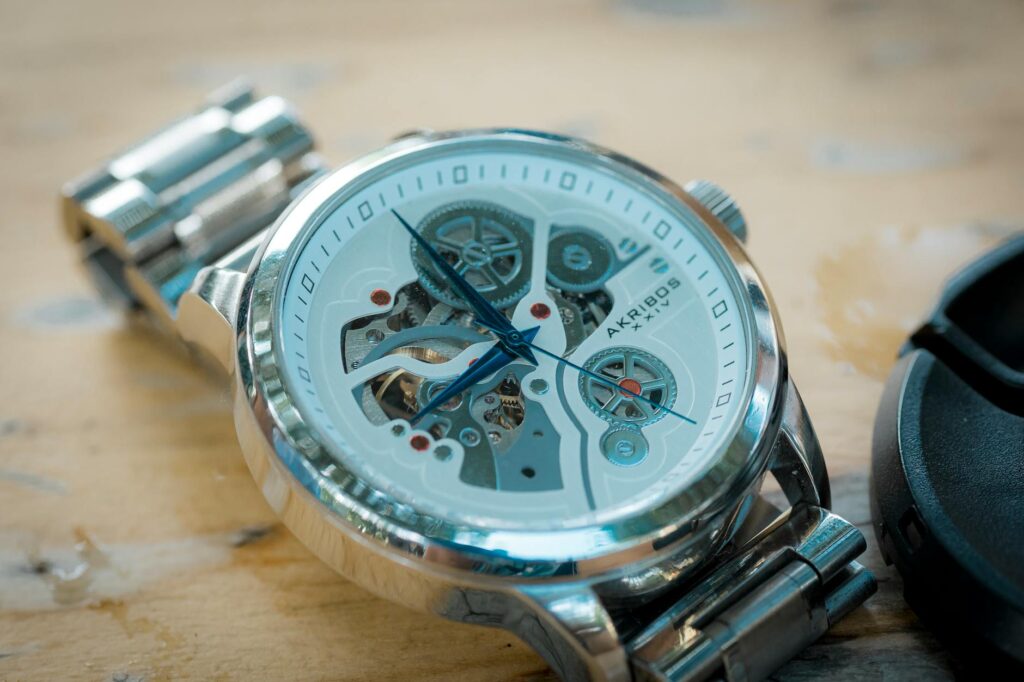
The Ultimate Guide: How Often Should You Service a Mechanical Watch
Your mechanical watch is a marvel of micro-engineering, a complex interplay of gears, springs, and jewels that keeps time with remarkable precision. Like any sophisticated machine, it requires regular maintenance to ensure its longevity and accuracy. The general consensus among watchmakers and manufacturers is that a mechanical watch should undergo a full service approximately every 3 to 5 years. This interval isn’t arbitrary. it’s a carefully considered recommendation designed to maintain the watch’s movement in peak condition, prevent premature wear, and safeguard your valuable investment for decades to come. In 2026, with advancements in watchmaking and an increased appreciation for horological heritage, understanding these service intervals is more critical than ever.
Last updated: April 18, 2026
Latest Update (April 2026)
Recent discussions in horological communities and lifestyle publications highlight evolving perspectives on personal care routines — which can draw parallels to watch maintenance. For instance, articles like those from GQ and Refinery29 examining ‘How Often Should You Wash Your Hair?’ (as reported by GQ on April 12, 2026) and Everyday Health on showering habits (February 4, 2026) highlight the principle that optimal performance for any complex system, be it biological or mechanical, relies on appropriate and timely upkeep. While not directly related to watches, these pieces from reputable sources reinforce the underlying concept that regular maintenance prevents degradation and ensures continued functionality. Similarly, a piece on sleep mask hygiene from Southern Living (March 29, 2026) emphasizes that even items we interact with daily require specific cleaning schedules to remain effective and hygienic, mirroring the need for regular servicing of a frequently worn mechanical watch.
The world of horology continues to see innovations, but the fundamental principles of mechanical watch care remain steadfast. Independent watchmakers and authorized service centers are increasingly emphasizing the importance of adhering to service schedules, not just for high-end luxury pieces but for all mechanical watches. The economic climate of 2026 also means that preventative maintenance is often more cost-effective than major repairs, a point often echoed by financial and lifestyle experts advising on long-term asset management.
Why is Regular Servicing So Important for Your Mechanical Watch?
At its core, regular watch servicing is akin to a complete tune-up for your car’s engine. It involves a meticulous process of disassembly, thorough cleaning of all components, precise re-lubrication with specialized synthetic oils, and careful regulation to ensure optimal timekeeping accuracy. Over time, the lubricants within a watch movement can degrade, dry out, or become contaminated with microscopic debris. This degradation leads to increased friction between moving parts, accelerating wear on delicate components like pivots, gears, and escapement parts. Without regular servicing, this wear can lead to:
- Reduced accuracy and timekeeping deviations.
- Increased power consumption, potentially affecting the automatic winding mechanism or the mainspring’s power reserve.
- The risk of catastrophic failure — where a worn part breaks, causing damage to other components.
- Compromised water resistance, especially if seals degrade.
By adhering to a regular service schedule, you’re actively preventing these issues, ensuring your watch operates smoothly, accurately, and reliably for years to come, preserving its intrinsic value and the joy of wearing a fine mechanical timepiece.
What Does a Full Watch Service Typically Include?
A full service, often referred to as a ‘complete overhaul’ or ‘maintenance service,’ is an intensive procedure performed by a qualified watchmaker. While the specifics can vary slightly between brands and service centers, the general steps are consistent:
1. Complete Disassembly
The entire watch movement is carefully taken apart, piece by piece. Each component, down to the smallest screw and jewel, is separated and inspected.
2. Thorough Cleaning
All parts are meticulously cleaned using specialized ultrasonic cleaning solutions and machines. This process removes old lubricants, dirt, dust, and any microscopic debris that has accumulated over time.
3. Inspection and Repair
Each component is individually inspected under magnification for signs of wear, damage, or distortion. Any parts found to be worn beyond acceptable tolerances are replaced with genuine manufacturer parts. This may include pivot polishing, jewel replacement, or gear train adjustments.
4. Re-assembly and Lubrication
The movement is carefully reassembled. As the watchmaker puts the pieces back together, specific points requiring lubrication are treated with microscopic amounts of high-grade synthetic watch oils. The type and amount of lubricant are critical and vary depending on the specific part and its function.
5. Regulation and Timing
Once assembled, the watch is meticulously regulated using a timing machine. The watchmaker adjusts the balance wheel’s amplitude, beat error, and rate to achieve the highest possible accuracy within the manufacturer’s specifications. This step is Key for ensuring the watch keeps precise time.
6. Case and Bracelet Refinishing (Optional)
Often, during a full service, the watch case and bracelet can be professionally refinished (polished or brushed) to restore their original luster. Here’s usually an optional service at an additional cost.
7. Water Resistance Testing
New gaskets for the case back, crown, and crystal are fitted, and the watch’s water resistance is tested using specialized equipment to ensure it meets factory specifications.
Each full service effectively breathes new life into the watch’s movement, preserving its accuracy, operational integrity, and overall longevity.
3-5 Year Service Rule
The 3-to-5-year guideline is a widely accepted recommendation by many leading watch brands, including Rolex and Omega, and is supported by independent watchmaking associations. This interval strikes a practical balance between providing sufficient preventive care and avoiding unnecessary servicing. Servicing too frequently can be costly and disruptive, while waiting too long can allow minor issues to escalate into major, expensive repairs. This guideline aims to catch potential problems early and ensure the consistent performance of the watch’s intricate mechanism.
Some brands offer more specific guidance. For example, Tudor, a brand known for its solid and reliable timepieces, traditionally suggests a service interval of approximately 5 years between services for many of its models. However, this is a general guideline, and individual watch performance should always be the primary indicator. It’s always best practice to consult the specific documentation or website of your watch’s manufacturer for their precise recommendations.
Factors Influencing Your Mechanical Watch’s Service Interval
While the 3-5 year rule is a solid starting point, several factors can influence how often your specific mechanical watch might need servicing. Paying attention to these can help you determine if your watch needs attention sooner than the general guideline suggests:
1. Usage Intensity and Conditions
Daily Wear vs. Occasional Use: A watch worn every single day, especially during strenuous activities, is subjected to more shocks, vibrations, and environmental stresses than a watch worn only on special occasions. Daily wear under demanding conditions might necessitate a service closer to the 3-year mark. Conversely, a watch kept in a safe and worn infrequently might be able to stretch the interval to 5 years or even slightly longer, provided it’s stored correctly.
Exposure to Shocks and Vibrations: Activities involving real effects (like certain sports, construction work, or even frequent typing) can put extra strain on the delicate balance staff and escapement. While modern watches are built to be solid, repeated shocks can accelerate wear or even cause damage over time.
2. Environmental Factors
Humidity and Moisture: Exposure to high humidity, steam (from showers, saunas), or direct water contact (even if the watch is rated as water-resistant, seals can degrade) can lead to internal corrosion. If your watch is frequently exposed to moisture, regular checks of its water resistance, ideally annually, are recommended, and servicing might be needed more frequently than 5 years.
Temperature Extremes: While mechanical watches are designed to operate within a range of temperatures, prolonged exposure to extreme heat or cold can affect the viscosity of lubricants and the performance of the mainspring. Extreme temperature fluctuations can also stress case seals.
Chemical Exposure: Contact with solvents, perfumes, colognes, or harsh cleaning agents can degrade gaskets and potentially damage the watch case or movement.
3. Age and Origin of the Watch
Vintage Watches: Older timepieces, especially those from before the 1980s, often used different lubricants and materials that may degrade more quickly. Vintage watches, especially those of significant value or historical importance, often require more frequent servicing, sometimes every 2-4 years, depending on their condition and the specific lubricants used.
Manufacturing Date and Original Specs: Watches manufactured with older technologies or materials might benefit from more frequent checks. Modern watches utilizing advanced alloys and synthetic lubricants generally have longer service intervals.
4. Previous Servicing History
If a watch has a history of issues or repairs, it might require more frequent monitoring. The quality of previous servicing also plays a role. a poorly executed service can sometimes lead to problems down the line.
Signs Your Watch Needs Immediate Service
Beyond the recommended interval, your watch might give you clear signals that it requires professional attention sooner rather than later. Being aware of these signs can prevent minor issues from becoming major problems:
- Significant Deviation in Timekeeping: If your watch consistently runs fast or slow by more than a minute per day (or deviates from its usual performance), it’s a strong indicator that the movement needs regulation or adjustment.
- Watch Stops Unexpectedly: If the watch stops running, even after being fully wound (if manual) or worn for a sufficient period (if automatic), there’s likely an issue within the movement.
- Automatic Winding Issues: If an automatic watch doesn’t seem to gain power even with regular wear, the winding rotor or its mechanism might be malfunctioning.
- Unusual Sounds: Listening closely to your watch. Any grinding, clicking, or rattling sounds that aren’t part of its normal operation are cause for concern.
- Condensation Under the Crystal: This is a critical sign that water ingress has occurred, and the watch’s water resistance has been compromised. It requires immediate attention to prevent corrosion.
- Crown or Winder Issues: If the crown feels loose, is difficult to turn, or doesn’t engage the winding mechanism or set the time/date properly, it needs servicing.
Addressing these symptoms promptly can save you from more extensive and costly repairs.
Comparing Different Watch Servicing Approaches: Professional vs. DIY
you basically have two main avenues: professional servicing or attempting it yourself (DIY). Each has its own set of pros and cons.
Professional Watch Servicing
Pros:
- Expertise: Performed by trained and certified watchmakers with specialized tools and knowledge.
- Quality Assurance: Services typically come with a warranty on the work performed.
- Genuine Parts: Use of manufacturer-approved parts ensures compatibility and quality.
- Warranty Preservation: For watches still under manufacturer warranty, professional servicing by authorized centers is often required to maintain coverage.
- complete: Includes all the steps outlined above, ensuring a complete overhaul.
Cons:
- Cost: Generally the most expensive option.
- Time: Can take several weeks or even months, depending on the service center’s backlog and the complexity of the work.
DIY Watch Servicing
Pros:
- Cost Savings: Can be cheaper if you already own tools and have the knowledge.
- Learning Experience: Offers a hands-on understanding of your watch’s mechanics.
Cons:
- High Risk: Extremely easy to damage delicate components, leading to costly repairs.
- Specialized Tools Required: Many specialized tools are needed for proper disassembly, cleaning, lubrication, and reassembly.
- Lubrication Complexity: Applying the correct type and amount of lubricant to dozens of points is a highly skilled task.
- Lack of Warranty: No guarantee on the work performed.
- Voiding Manufacturer Warranty: Often voids any remaining manufacturer warranty.
For Most watch owners, especially those with valuable or complex timepieces, professional servicing is the recommended and safest approach. The intricate nature of mechanical watch movements means that even minor mistakes can have significant consequences. Independent tests and user reports consistently favor professional servicing for maintaining watch integrity and value.
The Cost of Mechanical Watch Servicing in 2026
The cost of servicing a mechanical watch can vary dramatically based on several factors, including the brand, the complexity of the movement, the extent of the work required, and whether you use an authorized service center or an independent watchmaker. As of April 2026, you can expect the following price ranges:
- Basic Servicing (Simple Movements): For simpler, non-complication watches from mainstream brands, a basic service might range from $200 to $500. This typically covers cleaning, lubrication, regulation, and gasket replacement.
- Standard Servicing (Mid-Range Brands/Complications): For watches from well-known luxury brands or those with basic complications (like date functions), the cost can range from $400 to $800.
- High-End and Complicated Watches: For high-complication timepieces (chronographs, perpetual calendars, minute repeaters) or watches from top-tier luxury maisons, a full overhaul can cost anywhere from $700 to $1500 or even more. Some rare or extremely complex pieces might cost several thousand dollars to service.
Factors Influencing Cost:
- Brand Reputation: High-prestige brands often charge more for servicing, reflecting their brand value and the cost of specialized training and parts.
- Movement Complexity: The more intricate the movement, the more time and expertise are required for servicing.
- Parts Replacement: If significant parts need replacement due to wear or damage, this will increase the overall cost.
- Case/Bracelet Refinishing: Polishing and refinishing services are usually optional and add to the bill.
- Authorized Service Center vs. Independent: Authorized centers typically charge more than highly skilled independent watchmakers, though the latter may not always have access to proprietary parts for all brands.
it’s always advisable to obtain a detailed quote before authorizing any service work.
Frequently Asked Questions
How much does it cost to service a mechanical watch in 2026?
The cost typically ranges from $200 for simpler movements to $1,500 or more for high-complication luxury watches. The final price depends heavily on the brand, the complexity of the movement, and whether parts need replacement.
Is watch servicing covered by warranty?
New watches often come with a manufacturer’s warranty that may cover certain repairs or an initial service for a specified period (e.g., 2-5 years). However, this usually covers defects in materials or workmanship, not routine maintenance or damage from misuse. Always check the specific terms of your warranty. Extended warranties or service plans may offer additional coverage.
What happens if I don’t service my mechanical watch?
Without periodic servicing, the lubricants will dry out, leading to increased friction and wear on critical movement parts. You can result in decreased accuracy, reduced power reserve, and eventually, costly damage to the movement that could have been prevented with regular maintenance.
How often should I get my watch’s water resistance tested?
If your watch is exposed to moisture regularly, or if you swim or dive with it, it’s recommended to have its water resistance tested annually. Seals can degrade over time, and a failed water resistance test indicates the need for gasket replacement and potentially a full service.
Can a simple drop damage my watch’s movement?
Yes, even a seemingly minor drop can potentially damage a mechanical watch’s movement. Shocks can dislodge components, break microscopic pivots on the balance staff, or affect the delicate escapement. While many modern watches are built to withstand everyday knocks, real effects always carry a risk.
Conclusion
Maintaining the health and precision of your mechanical watch is a straightforward yet vital process. By recommended service intervals, recognizing the signs that indicate a need for attention, and choosing the right service approach, you can ensure your timepiece continues to perform flawlessly for generations. The general guideline of servicing every 3 to 5 years works as an excellent benchmark, but always consider your watch’s specific usage, environment, and manufacturer recommendations. Regular professional servicing is an investment in the longevity and accuracy of your cherished mechanical watch, preserving both its functionality and its value.
Source: Britannica
Related Articles
- Moissanite vs. Diamond: Key Differences Explained in 2026
- Is Titanium Good for Wedding Bands? Pros, Cons &. Advice
- Personalized Necklaces: What's Hot in 2024?
Editorial Note: This article was researched and written by the Wilton Jewelers editorial team. We fact-check our content and update it regularly. For questions or corrections, contact us.