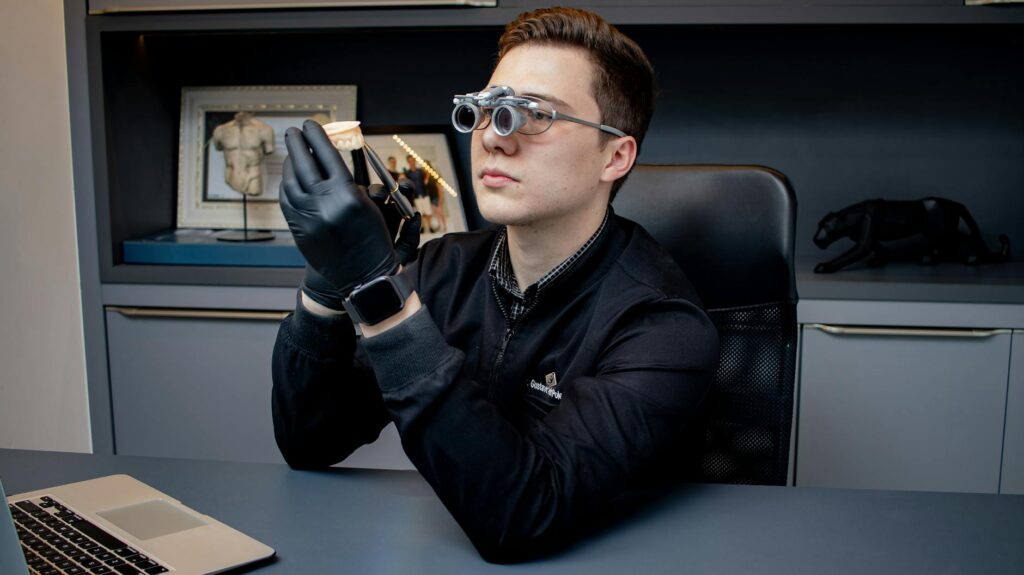
This guide covers everything about Gold Crown Tooth: The Timeless Dental Solution That Combines Strength, Beauty, and Longevity. A gold crown tooth offers a timeless dental solution, celebrated for its enduring strength, natural beauty, and exceptional longevity. Known for its remarkable durability and comfort, it continues to be a preferred choice for many dental patients seeking reliable and long-lasting restorations. As of April 2026, advancements in dental technology are further enhancing the application and perception of these classic restorations.
Last updated: April 18, 2026
Latest Update (April 2026)
Recent developments in dental materials science and digital dentistry are continually refining how dental restorations are created and applied. While traditional gold alloys remain a benchmark for durability, new research explores hybrid materials and advanced manufacturing techniques. For instance, a study published in Nature on May 8, 2025, investigated the bond strength of resin-based endodontic sealers loaded with silver and gold nanoparticles, suggesting potential for enhanced material integration in restorative dentistry. and, as reported by Dallas Innovators on October 16, 2025, breakthrough technologies at UT Dallas are making same-day 3D printing possible for ‘gold-standard’ dental restorations, indicating a future where complex restorations, potentially including gold alloys or gold-like materials, could be fabricated with unprecedented speed and precision.
The pursuit of superior tooth repair techniques is ongoing. SciTechDaily reported on April 10, 2026, about breakthrough technology that could transform tooth repair, and Bite Magazine echoed this on April 13, 2026, highlighting US advancements. While these breakthroughs may not exclusively involve gold crowns, they highlight the industry’s drive for more durable, efficient, and biocompatible solutions, a category where gold has historically excelled.
what’s a Gold Crown Tooth?
A gold crown tooth is a type of dental restoration meticulously crafted from high-quality gold alloys. These alloys are typically a blend of gold with other metals like palladium, platinum, copper, or silver to enhance their physical properties, such as hardness and durability. This composition provides unparalleled resilience and adaptability, making them especially valued for molar restorations where they must withstand significant occlusal pressure from chewing and biting. Dentists often select gold alloys for crowns because the metal is strong yet possesses a degree of flexibility. This combination helps reduce the risk of fracturing the crown itself or causing damage to the adjacent natural teeth, while also ensuring a precise and comfortable fit within the patient’s mouth.
Why Choose Gold Crowns?
Gold crowns are frequently recommended by dental professionals for their exceptional resilience, making them an ideal choice for patients who exhibit teeth grinding (bruxism) or habitually exert considerable pressure when chewing. This inherent toughness translates into fewer instances of needing replacements or repairs over the long term, offering significant value and reducing future dental visits. Beyond their mechanical advantages, gold alloys are highly biocompatible. This means they’re well-tolerated by the body, minimizing the likelihood of allergic reactions or gum irritation that can sometimes occur with other restorative materials. This biocompatibility contributes to overall oral health and patient comfort.
How Long Does a Gold Crown Last?
With diligent oral hygiene and regular professional dental care, gold crowns can impressively last for over 20 years, frequently outlasting many other types of dental crown materials available on the market today. Their remarkable longevity is a significant draw for patients who are seeking durable, long-term dental solutions and wish to avoid the prospect of repeated dental procedures. Consistent maintenance, including thorough brushing twice daily and meticulous flossing once daily, plays a key role in enhancing their lifespan. This careful upkeep ensures that the gold crown remains stable, functional, and aesthetically pleasing for many years.
Gold Crowns vs. Other Dental Crown Materials
When compared to other common dental crown materials such as porcelain, all-ceramic, or porcelain-fused-to-metal (PFM) crowns, gold crowns consistently score high marks in terms of durability and their conservative approach to tooth preservation. A detailed comparison highlights these differences:
| Feature | Gold Crown | Porcelain | Ceramic | Porcelain-Fused-to-Metal (PFM) |
|---|---|---|---|---|
| Durability | Excellent | Moderate | Moderate to Good | Good |
| Estimated Lifespan (with proper care) | 20+ Years | 10-15 Years | 10-15 Years | 10-15 Years |
| Tooth Preservation | High (less tooth reduction needed) | Moderate | Moderate | Moderate |
| Wear on Opposing Teeth | Minimal | Higher (enamel abrasion risk) | Higher (enamel abrasion risk) | Moderate |
| Ideal Placement | Molars, Posterior Teeth | Anterior Teeth, Visible Areas | Anterior Teeth, Visible Areas | All Areas (balance of aesthetics and strength) |
| Biocompatibility | Excellent | Good | Excellent | Moderate (metal base can cause reactions) |
| Aesthetics | Metallic Lustre (less natural) | Excellent (natural tooth appearance) | Excellent (most natural appearance) | Good (but metal line can show at gum) |
The table clearly illustrates that while newer materials may offer superior aesthetics, gold alloys remain a top contender for longevity and functional strength, especially for posterior teeth. As noted in a study on stress distribution in pediatric crowns by Cureus on April 21, 2025, understanding material properties and how they interact with biting forces is critical for long-term restoration success, a principle where gold excels.
Are Gold Crowns Comfortable?
The smooth, polished surface of a gold crown typically feels natural against the tongue and surrounding oral tissues. Gold alloys adapt exceptionally well to the patient’s natural bite, often requiring minimal adjustment. This precise adaptation helps to reduce discomfort and potential sensitivity, especially when eating or speaking. Unlike some stiffer materials, gold’s slight malleability can contribute to a more comfortable chewing experience. The accurate fit achieved by skilled dental technicians also plays a vital role in preventing discomfort associated with food impaction or uneven pressure distribution.
Who Benefits Most from Gold Crowns?
Gold crowns are an excellent choice for several patient profiles. they’re especially ideal for individuals requiring durable restorations on their molars and other posterior teeth — which bear the brunt of chewing forces. Patients who suffer from bruxism (teeth grinding or clenching) also benefit from the material’s resilience — which is less prone to chipping or fracturing under extreme pressure. and, individuals seeking highly durable, long-lasting dental solutions who prefer to minimize the need for future dental interventions will find gold crowns to be a practical and cost-effective option over time. They remain a sensible choice for patients who prioritize function and longevity over purely cosmetic appearance, especially when the restoration is on a tooth that’s not prominently visible during a smile.
Frequently Asked Questions
Do Gold Crowns Last Longer Than Porcelain Crowns?
Yes, generally gold crowns tend to last longer than porcelain crowns. While porcelain crowns typically have a lifespan of 10-15 years with proper care, gold crowns can often last for 20 years or more. Their superior durability and resistance to wear contribute to this extended longevity.
Are Gold Crowns Suitable for All Teeth?
Gold crowns are most commonly recommended for posterior teeth, such as molars and premolars, due to their exceptional strength and ability to withstand chewing forces. While they can be used on anterior teeth, their metallic appearance might be less desirable aesthetically for those seeking a natural-looking smile. Newer ceramic materials often provide better aesthetics for front teeth.
Is There a Risk of Allergic Reaction to Gold Crowns?
Allergic reactions to gold crowns are very rare. The gold alloys used in dentistry are typically a mix of gold with other noble metals like palladium and platinum — which are highly biocompatible. This high degree of biocompatibility minimizes the chances of adverse reactions or gum irritation for most patients.
Can Gold Crowns Be Whitened?
No, gold crowns can’t be whitened. Unlike natural tooth enamel, the gold alloy itself doesn’t respond to whitening agents. If a patient desires a whiter smile, the gold crown would need to be replaced with a different material that can be whitened or is already the desired shade.
What Are the Signs That a Gold Crown May Need Replacement?
While highly durable, signs that a gold crown might need attention include persistent sensitivity or pain, visible cracks or chips, a loose feeling, or a change in the fit. Gum recession around the crown, revealing the margin, can also be an aesthetic concern. Regular dental check-ups are essential for early detection of any issues.
Conclusion
Gold crowns represent a pinnacle of dental restoration, harmoniously blending solid strength, a unique aesthetic appeal, and remarkable longevity. For decades, they have proven their worth, especially in the demanding environment of the posterior mouth, offering protection and function that stands the test of time. While newer materials continue to emerge, the enduring performance and biocompatibility of gold alloys ensure their continued relevance in modern dentistry. Patients seeking a reliable, long-lasting solution for damaged or weakened teeth, especially molars, should strongly consider the proven benefits of a gold crown. Consulting with a trusted dental professional is the best way to determine if a gold crown is the optimal choice for your individual dental needs in 2026 and beyond.
Source: Britannica
Related Articles
- Jewelry Industry News: 2026 Trends &. Innovations
- Jewelry Gifts Under $100: Style That Doesn't Break the Bank
- The Future of Bridal Jewelry 2026: Customization is Key
Editorial Note: This article was researched and written by the Wilton Jewelers editorial team. We fact-check our content and update it regularly. For questions or corrections, contact us.