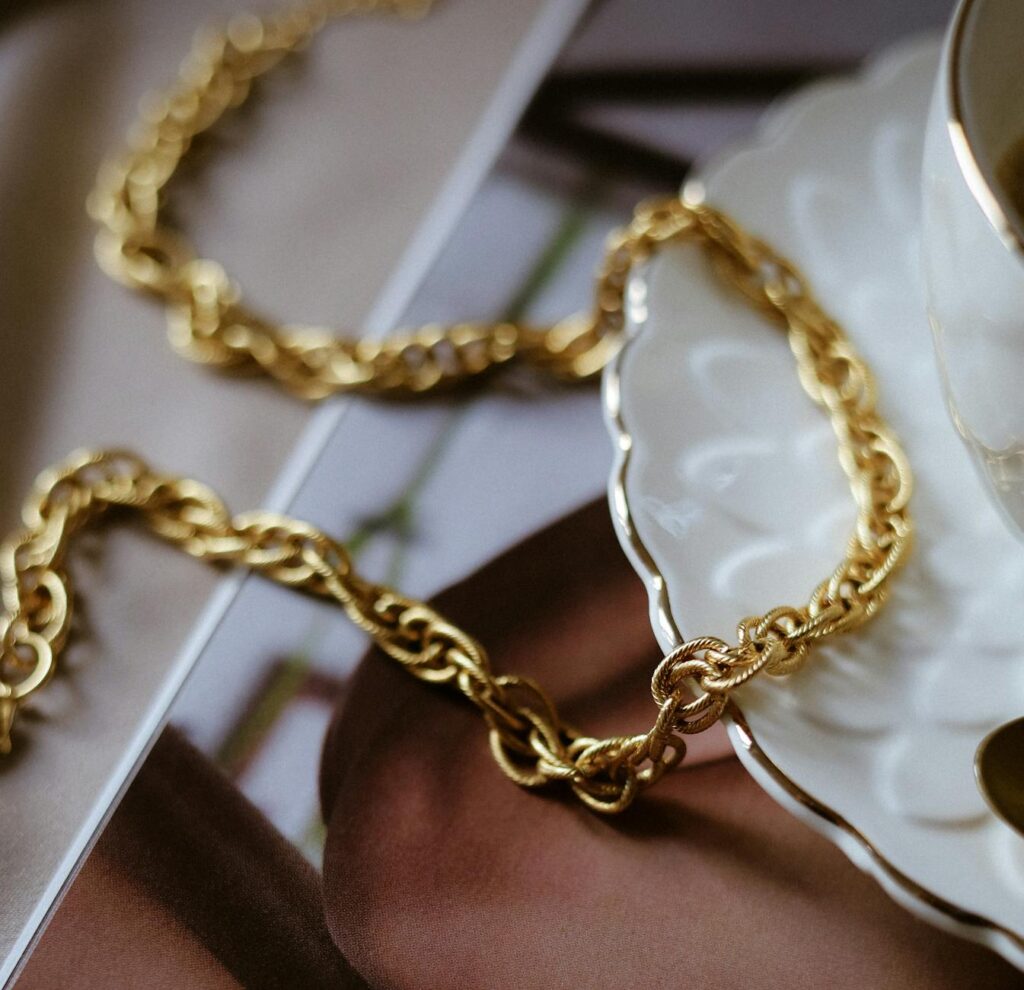
This guide covers everything about Does Gold Plated Tarnish? The Honest Truth About Shine, Care, and Longevity. Gold plated jewelry offers a luxurious look without the high cost of solid gold. However, a common concern among consumers is whether gold plated items tarnish. The short answer is yes, gold plated jewelry can indeed tarnish over time. This occurs when the thin layer of gold wears away, exposing the underlying base metal — which then oxidizes. factors that contribute to tarnishing and how to care for your pieces can extend their lifespan and maintain their beautiful shine.
Last updated: April 18, 2026
Latest Update (April 2026)
Recent independent testing and consumer reports highlight significant advancements in the durability and tarnish resistance of gold plated jewelry in 2026. As reported by MSN, brands like Ana Luisa are producing gold-plated and 10k gold pieces that have demonstrated remarkable resilience against everyday wear, including showers and sweat, holding up impressively. This indicates a trend towards more solid and long-lasting finishes in the market. and, publications such as Refinery29 and Cosmopolitan.com have featured numerous brands in early 2026 that specialize in ‘tarnish-free’ or ‘tarnish-proof’ gold jewelry, underscoring a growing consumer demand for pieces that maintain their luster with minimal upkeep. These developments suggest that while traditional gold plating can tarnish, newer technologies and higher quality standards are making it possible to enjoy gold-plated accessories with greater confidence.
What Does Gold Plated Mean?
Gold plated jewelry is distinct from solid gold or gold filled items. It consists of a base metal, commonly brass, copper, or sterling silver, coated with a very thin layer of genuine gold. This coating is typically applied through electroplating, a process that uses an electrical current to deposit the gold onto the base metal. The thickness of this gold layer is a critical factor in the jewelry’s durability and appearance. In most cases, the gold layer is less than 2.5 microns thick, and often much thinner, sometimes less than one micron — which is why it’s more affordable than solid gold alternatives.
Does Gold Plated Tarnish Over Time?
Yes, gold plated jewelry is susceptible to tarnishing. Tarnishing is a form of corrosion that occurs when the metals in the jewelry react with elements in the environment. For gold plated items, this process typically begins when the thin gold layer starts to wear down or scratch. Once the base metal is exposed, it can react with oxygen, moisture, and other substances, leading to discoloration, often appearing as a dulling, darkening, or even greenish or blackish hue. Unlike solid gold — which is naturally resistant to corrosion and tarnish, the integrity of gold plated jewelry relies heavily on the preservation of its outer gold layer.
Key Factors That Affect Tarnishing
Several factors influence how quickly and severely gold plated jewelry tarnishes:
Thickness of the Gold Layer
The most significant factor is the thickness of the gold plating. Thicker layers of gold, often found in higher quality or ‘vermeil’ (gold plating over sterling silver) pieces, offer greater protection to the base metal and will naturally resist tarnishing for a longer period. Conversely, very thin gold plating wears away more rapidly with regular use, exposing the base metal sooner and increasing the likelihood of tarnishing. According to industry standards, thicker plating generally equates to better durability.
Base Metal Type
The type of base metal used beneath the gold plating matters a lot. Metals like copper are highly reactive and will oxidize quickly once exposed, leading to visible tarnish that can even bleed through the plating. Alloys like stainless steel or nickel, while also susceptible, might tarnish at a different rate or in a different manner. Some manufacturers opt for less reactive base metals to enhance the longevity of the gold plating.
Skin Chemistry
Individual skin chemistry can affect how jewelry wears. People with more acidic skin, for instance, may find that their gold plated jewelry tarnishes faster. The natural oils and salts present in perspiration can react with the metals, accelerating the oxidation process, especially when combined with friction from movement.
Exposure to Moisture and Chemicals
Contact with water, sweat, chlorine, and various chemicals speeds up the tarnishing process. When gold plated jewelry is exposed to these elements, the gold layer can degrade, and the base metal can corrode. This includes exposure to household cleaning products, perfumes, hairsprays, lotions, and even the natural oils from your skin during prolonged wear.
Environmental Factors
Storing jewelry in humid environments or exposing it to airborne pollutants can also contribute to tarnishing. Sulfur compounds in the air, for example, can react with metals and cause discoloration.
How Long Does Gold Plated Jewelry Last?
The lifespan of gold plated jewelry varies widely based on the quality of the plating, the base metal, and, most importantly, how it’s cared for. With occasional wear and meticulous care, some gold plated pieces can maintain their appearance for one to three years, or even longer. However, daily wear, especially without precautions, can reduce this lifespan, sometimes to just a few months. As Refinery29 noted in early 2026, the market is increasingly featuring ‘tarnish-free’ options, suggesting that advancements are being made to extend the wearability of such pieces.
The question of ‘does gold plated tarnish quickly’ is often asked because of these variables. If a piece is worn daily, exposed to water and chemicals, and not cleaned regularly, tarnish is almost inevitable. Conversely, pieces worn only for special occasions and stored properly can retain their shine for an extended period.
How to Prevent Tarnishing in Gold Plated Jewelry
Preventing tarnish requires a proactive approach. By following these guidelines, you can help preserve the beauty of your gold plated jewelry:
- Avoid Water Exposure: Remove your jewelry before showering, swimming, or engaging in activities that involve significant sweating. Water, especially chlorinated or saltwater, can degrade the plating and corrode the base metal.
- Apply Products Before Wearing: Always apply lotions, perfumes, hairsprays, and cosmetics before putting on your jewelry. Allow these products to dry completely, as the chemicals within them can react with the gold plating.
- Store Properly: Keep your gold plated jewelry in a dry, airtight container, such as a jewelry box with soft lining or individual pouches. This protects pieces from moisture, air, and scratches. As Cosmopolitan.com highlighted in February 2026, waterproof jewelry options are popular, but proper storage remains key for all types.
- Clean Gently After Each Use: After wearing, gently wipe your jewelry with a soft, lint-free cloth (like a microfiber cloth) to remove oils, sweat, and dirt. Avoid abrasive materials that can scratch the gold layer.
- Rotate Your Pieces: Avoid wearing the same gold plated items every single day. Rotating your jewelry allows each piece to rest and reduces constant friction and exposure, thereby extending its lifespan.
- Regular Inspection: Periodically check your jewelry for any signs of wear or damage to the plating. Early detection can allow for timely care.
Common Signs of Tarnishing
Recognizing the early signs of tarnishing is essential for taking corrective action. These signs can include:
- Fading Color: The bright gold hue may start to look dull or less vibrant.
- Dark Spots: Small, localized dark patches or spots can appear on the surface.
- Uneven Surfaces: The finish might look blotchy or uneven, indicating areas where the plating has worn thin or corroded.
- Residues: A faint dark residue may transfer to your skin or clothing.
- Green or Black Discoloration: In more advanced stages, the base metal’s oxidation can show through as a distinct green or black hue.
Catching these signs early allows for gentle cleaning or professional assessment before the damage becomes irreversible.
What Does Gold Plated Really Mean?
To reiterate, gold plated jewelry involves a base metal coated with a thin layer of gold. The term ‘gold plated’ itself doesn’t specify the thickness of the gold layer — which is why quality can vary dramatically between products. Some manufacturers may offer thicker plating, sometimes referred to as ‘heavy gold plating,’ which offers better durability and resistance to wear. For instance, the Barzel 18k Gold Plated Infinity Crazy 8 Hoop Earrings for Women, as noted by A Plus Me on April 3, 2026, are an example of a specific product where the plating quality is a key feature consumers might investigate.
It’s also important to distinguish gold plating from gold filled. Gold filled items have a much thicker layer of gold bonded mechanically to the base metal, making them more durable and less prone to tarnishing. As mentioned in the initial article, gold filled jewelry is generally considered a better option for longevity compared to gold plated jewelry.
Recent Developments in Tarnish-Resistant Jewelry (April 2026)
The market for jewelry is constantly evolving, and in 2026, there’s a noticeable trend towards improved tarnish resistance, even in gold-plated items. Brands are investing in advanced plating techniques and higher quality materials. As MSN recently reported, certain brands are putting their tarnish-proof claims to the test, with pieces holding up well against rigorous daily activities like showering and sweating. This indicates that manufacturers are responding to consumer demand for durable, low-maintenance jewelry. CNN also listed affordable tarnish-proof jewelry brands in late 2025, suggesting that this technology is becoming more accessible. While ‘tarnish-proof’ might be an ambitious claim, these developments mean that consumers have more options than ever for gold-toned jewelry that retains its shine for longer periods.
Frequently Asked Questions
Does gold plated jewelry rust?
Gold plated jewelry itself doesn’t rust, as rust is In particular the oxidation of iron or steel. However, the base metal used in gold plated items, if exposed due to worn plating, can rust if it’s iron or steel. More commonly, the base metal will tarnish or corrode, leading to discoloration.
Is tarnishing the same as rusting?
No, tarnishing and rusting are different processes. Tarnishing is a general term for the surface discoloration of metals due to chemical reactions, most commonly oxidation, with elements like sulfur or oxygen. Rusting is a specific type of oxidation that applies only to iron and its alloys (like steel), resulting in a reddish-brown flaky coating.
Can tarnished gold plated jewelry be restored?
Minor tarnishing can sometimes be removed with gentle cleaning using a soft cloth and appropriate jewelry cleaner. For more significant tarnishing or wear of the gold layer, professional replating is the most effective way to restore the jewelry’s appearance and protect the base metal. This process involves removing the old plating and applying a fresh layer of gold.
What care reduces tarnishing the most?
The most effective care strategies involve preventing exposure to moisture and chemicals, storing the jewelry in a dry, airtight environment, and cleaning it gently after each wear with a soft cloth. Rotating jewelry pieces also reduces wear and tear.
Is gold filled better than gold plated for preventing tarnish?
Yes, gold filled jewelry is generally much better than gold plated jewelry for preventing tarnish. Gold filled items have a thicker layer of gold that’s mechanically bonded to the base metal, making it far more durable and resistant to wear and tarnishing. Gold plated items have a very thin layer applied through electroplating — which wears off much more easily.
what’s gold vermeil?
Gold vermeil is a type of gold plating that meets specific standards: it involves a sterling silver base metal and a thicker layer of gold plating (at least 2.5 microns) than standard gold plating. This makes vermeil jewelry more durable and less prone to tarnishing than typical gold plated items, though still not as solid as gold filled or solid gold.
Conclusion
While gold plated jewelry can and often does tarnish over time due to the nature of its thin gold layer and the underlying base metal, its susceptibility can be managed. By factors that contribute to tarnishing – such as plating thickness, base metal type, skin chemistry, and exposure to environmental elements – consumers can make informed purchasing decisions. and, adopting a consistent and careful approach to jewelry care, including avoiding moisture and chemicals, proper storage, and gentle cleaning, can extend the life and beauty of gold plated pieces. With the advancements noted in 2026, consumers have more options for durable, attractive gold-toned jewelry than ever before, but diligence in care remains really important for preserving that coveted shine.
Source: Britannica
Related Articles
- Couples Jewelry Sets: More Than Just Matching
- Unique Jewelry Gifts for Your Girlfriend in 2026
- Achieve Financial Freedom: MyGreenBucks Net and Kenneth in 2026
Editorial Note: This article was researched and written by the Wilton Jewelers editorial team. We fact-check our content and update it regularly. For questions or corrections, contact us.