This guide covers everything about engagement ring buying guide for beginners. Wondering how to buy an engagement ring without feeling overwhelmed? In 2026, the process can still feel daunting, but by focusing on cost-benefit factors, you can prioritize what features matter most and set a realistic budget. This complete guide is designed to help beginners make informed decisions confidently, ensuring the purchase is both meaningful and financially sound.
Last updated: April 18, 2026
Latest Update (April 2026): Recent financial advice highlights innovative ways to manage the cost of an engagement ring. As reported by CNBC on March 16, 2026, there are now several strategies to pay for an engagement ring without breaking the bank, including using credit card rewards programs. NerdWallet also noted on April 14, 2026, how to strategically use credit cards for engagement ring purchases to maximize benefits. These developments offer new avenues for budget-conscious shoppers.
4 Cs of Diamonds and Their Impact
The 4 Cs—cut, color, clarity, and carat—remain the cornerstone of diamond selection for beginners. Each ‘C’ influences a diamond’s visual appeal and its overall cost. Understanding their interplay is key to making an informed choice.
Cut: The Key to Sparkle
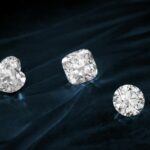
The cut refers to how well a diamond has been shaped and faceted. It’s arguably the most critical factor for a diamond’s brilliance, fire, and scintillation (sparkle). A diamond with an excellent cut will reflect light more effectively, appearing brighter and more dazzling, even if its color or clarity grades are slightly lower. Conversely, a poorly cut diamond can appear dull and lifeless, regardless of its other qualities. Diamond cutters aim to maximize a diamond’s light performance, and excellent cuts are highly sought after.
Color: The Absence of Tint
Diamond color is graded on a scale from D (completely colorless) to Z (light yellow or brown). Colorless diamonds (D, E, F) are the rarest and most expensive. For beginners, a diamond graded G, H, I, or J often presents a fantastic balance, appearing colorless to the untrained eye while offering significant cost savings. The difference between grades can be subtle, and expert advice can help you find a stone that looks white without an exorbitant price tag.
Clarity: Flaws and Imperfections
Clarity refers to the presence or absence of internal inclusions and external blemishes. Most diamonds have natural imperfections, often microscopic. The clarity scale ranges from Flawless (FL) to Included (I3). For most buyers, diamonds with VS (Very Slightly Included) or SI (Slightly Included) grades offer excellent value. Inclusions in these grades are typically too small to be seen without magnification, and their presence doesn’t detract from the diamond’s beauty.
Carat: The Measure of Weight
Carat refers to a diamond’s weight, not its size. One carat is equal to 0.2 grams. While carat weight is often associated with size, a diamond’s cut and shape can make it appear larger or smaller. Two diamonds of the same carat weight can look different in size due to their proportions. For beginners focused on overall impact, it’s often more beneficial to prioritize an exceptional cut and color over a slightly higher carat weight if budget is a constraint.
Beyond the 4 Cs: Additional Factors Influencing Your Ring’s Appeal
While the 4 Cs are fundamental, other elements influence your engagement ring’s overall aesthetic and value. These include the diamond’s shape, the setting, and the certification that guarantees its quality.
Diamond Shape
The shape of a diamond is a matter of personal preference and impacts its appearance and how it sits on the finger. Popular choices include:
- Round Brilliant: The most traditional and popular shape, known for its exceptional sparkle.
- Princess Cut: A square or rectangular cut with sharp corners, offering a modern look and good brilliance.
- Oval Cut: An elongated round shape that can make fingers appear longer and slimmer.
- Emerald Cut: A rectangular cut with step facets, offering a sophisticated, vintage appeal.
- Cushion Cut: A square or rectangular shape with rounded corners, often described as ‘pillowy’.
- Pear Shape: A teardrop shape that combines the brilliance of a round cut with the elegance of an oval.
Each shape has unique characteristics that affect how it catches light and interacts with the metal setting. Consider your partner’s style and lifestyle when choosing a shape.
Certification: Guaranteeing Quality
Certification from reputable gemological laboratories is Key. Organizations like the Gemological Institute of America (GIA) and the American Gem Society (AGS) provide independent, unbiased reports detailing a diamond’s characteristics according to the 4 Cs. As GIA emphasizes, their reports ensure the diamond quality matches your expectations and provides a reliable basis for comparison. Always ask for and review the certification documentation before purchasing. This verification process helps prevent misrepresentation and ensures you’re buying the quality advertised.
Choosing the Right Metal for Your Engagement Ring
The metal setting of an engagement ring impacts its appearance, durability, and potential for allergic reactions. In 2026, a variety of metals are popular, each with distinct properties:
Yellow Gold
Traditional and timeless, yellow gold offers a warm, classic aesthetic. It’s available in different karats, such as 14K (58.3% pure gold) and 18K (75% pure gold). Higher karats are softer and more prone to scratching but have a richer color. Yellow gold is generally hypoallergenic.
White Gold
White gold provides a modern, silvery appearance that complements diamonds beautifully. It’s an alloy of gold mixed with white metals like palladium or nickel, and then typically plated with rhodium for a bright, durable finish. This rhodium plating can wear off over time, requiring periodic re-plating, usually every 1-3 years depending on wear, as users report. This maintenance is important to preserve its bright white look.
Rose Gold
Rose gold has gained significant popularity for its trendy, romantic pinkish hue. It’s created by alloying gold with copper. Rose gold is known for its durability and unique color, appealing to a lots of tastes. It’s generally a sturdy option and less likely to require frequent maintenance compared to white gold.
Platinum
Platinum is a naturally white, dense, and durable metal. It’s known for its hypoallergenic properties and its ability to withstand daily wear without significant tarnishing. Platinum is also a premium choice, often commanding a higher price point than gold alloys due to its rarity and density.
| Metal Type | Appearance | Durability | Maintenance |
|---|---|---|---|
| Yellow Gold (14K/18K) | Warm, classic | Good (varies by karat) | Low |
| White Gold | Silvery, bright | Good | Requires periodic rhodium re-plating (every 1-3 years) |
| Rose Gold | Pinkish, warm | Very Good | Low |
| Platinum | Bright white, lustrous | Excellent | Very Low |
Setting an Engagement Ring Budget: A Practical Approach
Establishing a budget is a critical step in the engagement ring buying process. It involves considering your partner’s preferences, your financial health, and what aspects of the ring you value most. Don’t forget to factor in potential lifetime care costs, such as resizing, cleaning, and any necessary metal re-plating.
Financing Options and Credit Card Rewards
As highlighted by CNBC on March 16, 2026, and Upgraded Points on March 26, 2026, there are smart ways to finance an engagement ring. Many jewelers offer financing plans, but it’s essential to understand the terms, interest rates, and repayment periods. A popular strategy involves using credit cards with generous rewards programs. As NerdWallet reported on April 14, 2026, strategically using the best credit cards for buying an engagement ring can yield significant benefits, such as cash back or travel points, effectively reducing the overall cost. However, always ensure you can pay off the balance promptly to avoid high interest charges.
Prioritizing Value
Determine what aspects of the ring hold the most importance for you and your partner. Is it the diamond’s size, its exceptional clarity, a unique setting, or the ethical sourcing of the stone? By prioritizing these elements, you can allocate your budget more effectively and ensure you’re investing in what truly matters. For instance, opting for a slightly lower color grade in a diamond can free up funds for a more intricate setting or a larger carat weight.
Ethical Considerations in Engagement Ring Purchases
In 2026, ethical considerations play a significant role in consumer choices. Buyers are increasingly concerned about the origin of their diamonds and the impact of mining on communities and the environment. Responsible sourcing is a key aspect of modern jewelry purchases.
Conflict-Free Diamonds
The Kimberley Process Certification Scheme aims to prevent the trade of conflict diamonds, but its effectiveness is debated. Many consumers seek diamonds that go beyond this certification, looking for assurances of ethical labor practices and environmental responsibility. Reputable jewelers often provide detailed sourcing information for their diamonds.
Lab-Grown Diamonds
Lab-grown diamonds offer a compelling ethical and often more affordable alternative to mined diamonds. Chemically, physically, and optically, they’re identical to natural diamonds. they’re created in a laboratory under controlled conditions, reducing the environmental impact associated with traditional mining. Many experts and consumers now trust lab-grown diamonds for their quality and ethical advantages, making them a popular choice for engagement rings.
Ethical Certifications
Look for certifications and assurances from jewelers regarding their ethical sourcing practices. Some companies provide detailed supply chain transparency, allowing you to trace the origin of your diamond. This commitment to ethical practices is becoming a standard expectation for many consumers.
Common Engagement Ring Shopping Mistakes for Beginners
Novice engagement ring shoppers can sometimes fall into common pitfalls. Being aware of these mistakes can help you avoid them and make a more satisfying purchase.
- Impulse Buying: Rushing into a purchase without thorough research or consideration of your partner’s preferences can lead to regret.
- Over-Reliance on Trends: While trends are fun, focusing solely on what’s currently popular might mean overlooking classic styles that stand the test of time.
- Ignoring Certification: Failing to ask for or verify a diamond’s certification from GIA or AGS means you might not be getting the quality you’re paying for.
- Not Considering Partner’s Style: Assuming you know what your partner wants without any input or subtle probing can lead to dissatisfaction.
- Forgetting Hidden Costs: Not budgeting for insurance, potential resizing, or maintenance can strain your finances post-purchase.
Clear communication with your partner, thorough research, and a focus on quality and value will lead to a well-thought-out purchase that brings lasting satisfaction.
Frequently Asked Questions
Why is diamond cut more important than carat for sparkle?
Diamond cut is really important for sparkle because it dictates how light interacts with the diamond. An expertly cut diamond has precise angles and facets that reflect light internally and externally, creating brilliance, fire, and scintillation. A poorly cut diamond, even if it has a higher carat weight, will absorb or scatter light, appearing duller. As experts often state, a well-cut diamond of a slightly lower carat weight can often appear more dazzling than a larger, poorly cut stone.
Can lab-grown diamonds be trusted for quality?
Yes, absolutely. Lab-grown diamonds are chemically, physically, and optically identical to mined diamonds. they’re grown in controlled laboratory environments and offer ethical and cost benefits. Reputable jewelers provide certifications for lab-grown diamonds, ensuring their quality and characteristics are accurately represented.
How often should white gold rings be re-plated?
White gold rings typically need to be re-plated with rhodium every 1 to 3 years, depending on how often the ring is worn and the wearer’s lifestyle. Daily wear, exposure to chemicals, and friction can accelerate the wear of the rhodium plating, revealing the slightly yellowish hue of the underlying gold alloy. Regular inspection by a jeweler can help determine when re-plating is necessary.
What’s the best certification to seek when buying diamonds?
The most trusted and widely recognized diamond certifications come from the Gemological Institute of America (GIA) and the American Gem Society (AGS). These organizations provide independent and rigorous grading of diamonds based on the 4 Cs. When purchasing a diamond, always look for a report from either GIA or AGS to ensure you’re getting the quality you expect.
Should I consider insurance for my engagement ring?
Yes, insuring your engagement ring is highly recommended. As reported by various financial advisors, insurance protects against potential loss, theft, or damage, offering invaluable peace of mind. Many homeowner’s or renter’s insurance policies offer riders for jewelry, or you can opt for a specialized jewelry insurance policy. Get a professional appraisal to determine the correct coverage amount.
Conclusion
Buying an engagement ring in 2026 is a significant decision that combines emotional value with financial planning. By 4 Cs, considering diamond shape and metal type, setting a realistic budget, and exploring ethical options like lab-grown diamonds, beginners can confidently make a purchase that symbolizes their commitment beautifully and responsibly. Remember to prioritize what matters most to you and your partner, and don’t hesitate to seek expert advice from reputable jewelers. A well-informed decision ensures a lasting symbol of love.
Source: GIA (Gemological Institute)
Related Articles
- Unique Jewelry Gifts for Your Girlfriend in 2026
- Lab Grown Vs Natural Diamonds: Ethical Debate &. Investment
- The Ultimate Statement of Love: Avoiding 6 Carat Diamond Ring Mistakes
Editorial Note: This article was researched and written by the Wilton Jewelers editorial team. We fact-check our content and update it regularly. For questions or corrections, contact us.