
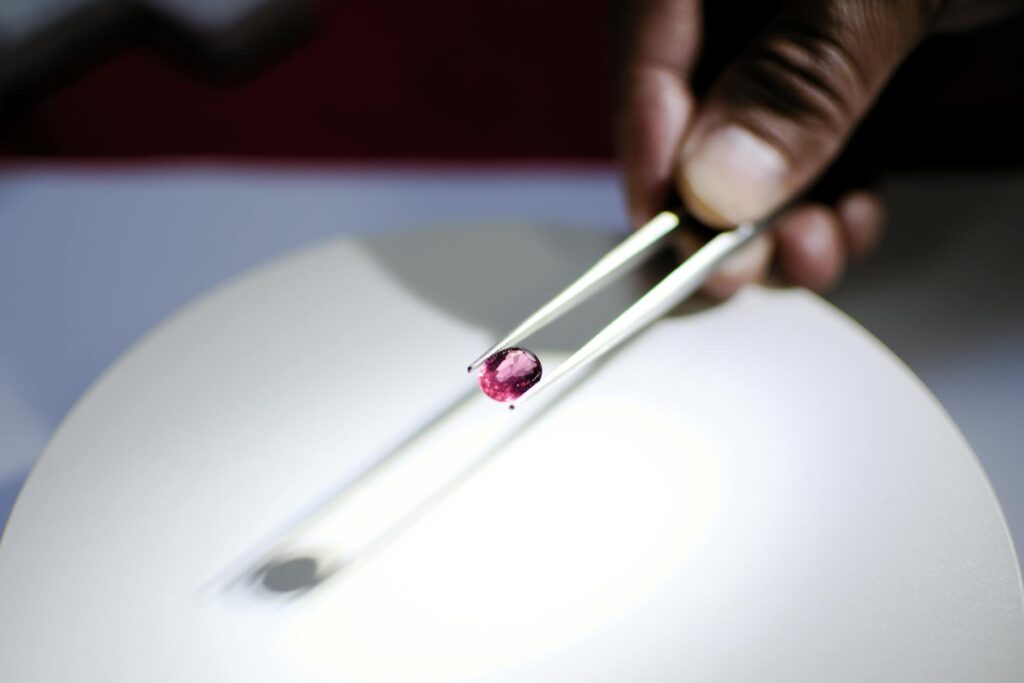
This guide covers everything about How to Become a Certified Gemologist in 2026: Your Definitive Career Blueprint. In 2026, embarking on a career as a certified gemologist requires a blend of rigorous academic study, indispensable hands-on experience, and the selection of a reputable certification program. Leading institutions such as the Gemological Institute of America (GIA), HRD Antwerp, and the Swiss Gemological Institute (SSEF) remain the gold standards. This guide provides a complete blueprint for aspiring gemologists evolving demands of the industry.
Last updated: April 18, 2026
Latest Update (April 2026)
The gemological field continues to evolve rapidly. Recent developments include the American Gem Society (AGS) announcing its Advanced Certified Gemologist Appraiser credential, highlighting the growing demand for specialized appraisal skills, as reported by instoremag.com on April 8, 2026. and, the acquisition of American Gemological Laboratories by IGI, as noted by Indian Jeweller on February 3, 2026, signals a significant expansion in colored gemstone certification, underscoring the increasing importance of complete identification and grading services for a wider range of gemstones.
Why the Demand is Growing for Certified Gemologists in 2026
The global gemstone and jewelry market is experiencing unprecedented growth. According to industry projections like the Global Gemstone Market Report 2025-2030, this expansion is driven by a confluence of factors, including increased consumer demand for transparency, a rising emphasis on ethical sourcing, and the growing recognition of gemstones as viable investment assets. This surge necessitates a greater number of qualified professionals who can accurately authenticate, grade, and value these precious materials. The Bureau of Labor Statistics (.gov) projected a positive career outlook for gemologists as of December 4, 2024, reinforcing this trend.
Why Choose Gemology Now?
The allure of gemology in 2026 extends far beyond traditional aesthetics. Today’s consumers are more informed and ethically conscious than ever before. They actively seek assurances regarding the origin, sustainability, and ethical treatment associated with their purchases. This major change positions gemologists as Key arbiters of trust and integrity in the supply chain. The rise of innovative laboratory-grown diamonds and the intricate traceability demanded for natural stones mean that gemologists must possess a deep understanding of both traditional and emerging technologies, as well as a commitment to ethical practices.
The market is also witnessing increased interest in gemstones as alternative investments. As reported by marketplace.org on August 8, 2025, questions about the true value of diamond rings are becoming more common, indicating a need for expert appraisal services. Certified gemologists play a vital role in providing objective valuations, navigating market fluctuations, and advising clients on the investment potential of various gemstones.
The Journey: How to Become a Certified Gemologist in 2026
Becoming a certified gemologist is a structured process that requires dedication and a systematic approach. Follow this timeline to build a successful career path:
Step 1: Establish a Strong Academic Foundation
A solid understanding of the earth sciences is really important. Aspiring gemologists should begin by pursuing foundational courses in geology, chemistry, and mineralogy. A deep comprehension of mineral formation, crystal structures, and the chemical properties of elements is essential for accurately identifying and differentiating gemstones. Many certification programs will cover these basics, but a pre-existing interest and knowledge base will enhance your learning experience.
Step 2: Select Your Certification Program
Choosing the right certification program is a critical decision that will shape your career. Several globally recognized institutions offer complete training and respected credentials. Each program has its strengths:
- Gemological Institute of America (GIA): Widely regarded as the industry leader, the GIA offers extensive education covering all aspects of gemology, from diamond grading to colored stone identification. Their Graduate Gemologist (GG) diploma is a benchmark of excellence.
- HRD Antwerp: This institution is especially renowned for its expertise in diamond grading and certification, offering specialized programs for those focusing on the diamond trade.
- Swiss Gemological Institute (SSEF): The SSEF is highly respected for its in-depth analysis and certification of colored gemstones, especially rubies, sapphires, and emeralds, often focusing on origin and treatment identification.
- International Gemological Institute (IGI): With a growing global presence, IGI offers a complete range of gemological courses and certifications, and as reported by Indian Jeweller, has expanded its focus on colored gemstone certification through acquisitions.
When selecting a program, consider factors such as curriculum depth, instructor expertise, available resources, program duration, and cost. As reported by Rapaport on June 25, 2025, organizations like AGS and GIA also offer scholarships — which can alleviate the financial burden for deserving students.
Step 3: Gain Practical, Hands-On Experience
Theoretical knowledge must be complemented by practical application. This involves extensive laboratory work — where you’ll learn to use essential gemological tools such as microscopes, refractometers, polariscopes, and spectroscopes. Developing a keen eye for detail and techniques for examining inclusions, color saturation, clarity, and cut precision is vital.
Internships or apprenticeships with reputable jewelers, gemological laboratories, or appraisal firms provide invaluable real-world exposure. According to the Global Gemstone Education Report, approximately 68 percent of gemologists find significant value in on-the-ground experience, underscoring its importance in skill development and career progression.
Key Skills for a Gemologist in 2026
The modern gemologist requires a complex skill set that blends scientific knowledge with practical expertise and technological proficiency:
- Diamond Grading: 4 Cs (Carat, Cut, Color, Clarity) according to standardized systems (like the GIA’s) is fundamental.
- Colored Stone Identification and Grading: This involves identifying a wide variety of gemstones, distinguishing natural from synthetic, detecting treatments, and assessing quality based on color, clarity, and cut.
- Appraisal Skills: Understanding market value, valuation methodologies, and the factors influencing a gemstone’s worth is essential. The development of advanced appraisal credentials, such as the one announced by the American Gem Society, highlights the growing specialization in this area.
- Technological Proficiency: Familiarity with advanced gemological instruments, digital imaging, and databases for tracking gemstone origins and treatments is increasingly important.
- Ethical Practices: Upholding the highest ethical standards in sourcing, grading, and reporting is non-negotiable, especially given consumer demand for transparency.
- Communication Skills: Clearly articulating findings and valuations to clients, colleagues, and other stakeholders is vital.
Costs: What to Expect Investing in Your Gemology Career
The financial investment in becoming a certified gemologist can vary based on the chosen program, duration, and location. Full certification programs, especially those from leading institutions like GIA, can range from approximately $10,000 to over $25,000. This cost typically covers tuition, course materials, and access to laboratory equipment.
While these figures may seem substantial, various financial aid options can help manage the expenses. Prospective students should actively explore scholarships offered by gemological organizations, industry associations, and educational institutions. As noted, scholarship winners are regularly announced by bodies like AGS and GIA. Also, part-time study options or working in related roles within the jewelry industry can provide both income and practical experience, helping to offset educational costs.
Frequently Asked Questions
How long does it typically take to become certified?
The duration of a gemology certification program can vary. complete programs, such as the GIA’s Graduate Gemologist (GG) diploma, can often be completed within 6 to 18 months of full-time study. Shorter, specialized courses focusing on specific areas like diamond grading or colored stones may take only a few weeks or months.
Are online certification options available?
Yes, many reputable institutions now offer flexible online learning options. These programs often combine theoretical coursework delivered digitally with mandatory in-person practical sessions for hands-on skill development and final examinations. GIA and other organizations provide online components to cater to students seeking greater flexibility.
What are the common career paths for a certified gemologist?
Certified gemologists have diverse career opportunities. Common paths include becoming a jewelry appraiser, a diamond grader or dealer, a colored stone specialist, a buyer for retail or wholesale companies, a quality control manager in manufacturing, a gemological laboratory analyst, or an educator in gemology. Roles in mining operations and insurance claims adjusters also exist.
Is prior knowledge of geology or chemistry essential?
While a background in geology or chemistry can be beneficial and provide a head start, it’s not strictly mandatory for most certification programs. Reputable institutions design their curricula to cover the necessary scientific principles completely, ensuring that students without prior specialized knowledge can still succeed.
what’s considered the most recommended certification?
The Gemological Institute of America’s (GIA) Graduate Gemologist (GG) program is widely considered the most complete and highly respected certification in the industry globally. Its thorough curriculum and rigorous standards make it a top choice for individuals seeking a broad and deep understanding of gemology.
Conclusion
Embarking on the path to becoming a certified gemologist in 2026 is a rewarding effort that opens doors to a dynamic and growing industry. By establishing a strong academic foundation, selecting a premier certification program, and diligently acquiring hands-on experience, aspiring professionals can build a successful and fulfilling career. The increasing demand for transparency, ethical sourcing, and expert valuation ensures that skilled gemologists will remain invaluable assets to the global gem and jewelry market for years to come.
Source: Nature
Related Articles
- Smart Jewelry Investment 2026: Gold
- Meaningful Jewelry Gifts: Beyond the Bland
- Timeless Jewelry Gifts for Every Anniversary Year
Editorial Note: This article was researched and written by the Wilton Jewelers editorial team. We fact-check our content and update it regularly. For questions or corrections, contact us.