
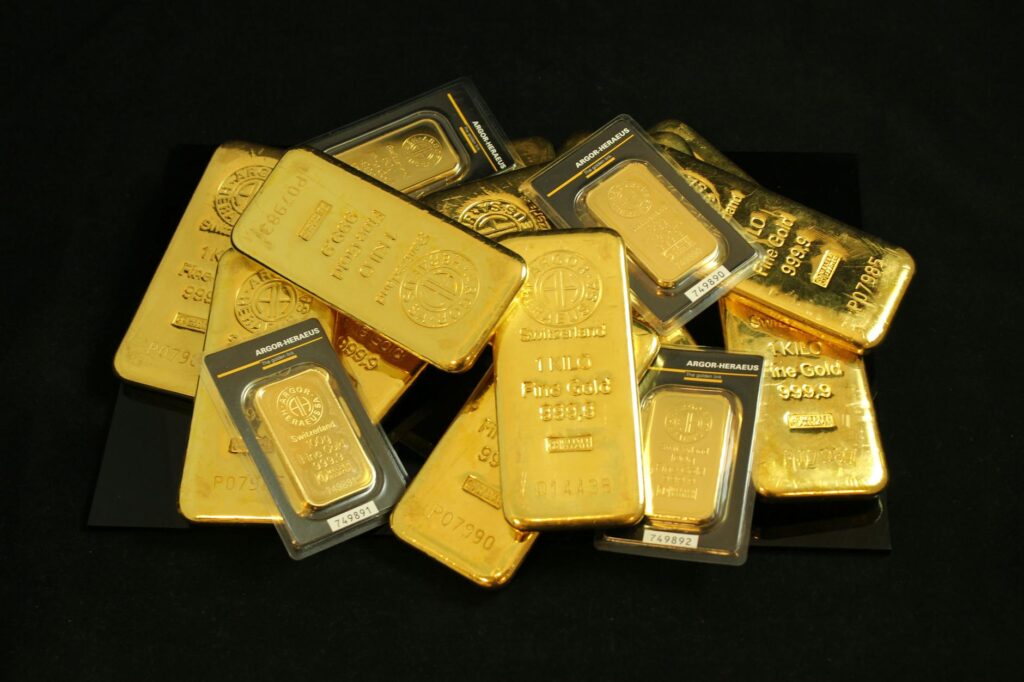
Gold Price Forecast 2026: Prepare for $5,000/oz Breakthrough
This guide covers everything about Gold Price Forecast 2026: Why Experts Predict $5,000/oz and How to Prepare. If you’re wondering whether gold will hit $5,000 per ounce in 2026, experts believe it’s not just possible, it’s probable. At Wilton Jewelers, we’ve observed a significant trend of investors securing their wealth by allocating to gold, in anticipation of this predicted rise. The current market dynamics and expert analyses strongly suggest that gold is on a trajectory towards unprecedented price levels.
Last updated: April 18, 2026
Latest Update (April 2026)
As of mid-April 2026, gold (XAUUSD) is showing resilience, currently defending key trendlines around the $4,870 mark, according to FXEmpire. While the precious metal hovers below $4,850, recent reports from FXStreet indicate it’s losing some momentum below $4,800. This comes amidst ongoing focus on US-Iran peace talks — which can influence geopolitical risk premiums and, So, gold’s safe-haven appeal. Popular Swiss banks have also revised their gold price targets for the remainder of 2026, with some suggesting a bullish outlook. Yahoo Finance highlights that the forecast for gold in 2026 remains solid, with many analysts anticipating further upward movement, potentially towards the $5,000 per ounce mark.
Current State of Gold in 2026
Gold kicked off 2026 with a strong performance, trading higher than the previous year. This solid start has established a solid foundation for the ambitious $5,000 Gold Price Forecast 2026. According to insights from major financial institutions like J.P. Morgan, aggressive central bank purchases are a key factor elevating these projections. The continued accumulation of gold reserves by central banks globally is reinforcing its status as a primary reserve asset and a hedge against economic uncertainties.
What Drives Gold Price Forecast 2026?
Several interconnected forces are propelling the Gold Price Forecast 2026 towards the $5,000 per ounce target. Understanding these drivers is Key for investors looking to capitalize on this trend.
Central Bank Accumulation
Central banks worldwide have been on a record-buying spree of gold. Institutions in the U.S., China, and other emerging economies are leading this charge, increasing their gold reserves. This sustained demand from official sectors not only provides a stable floor for gold prices but also signals a broader shift in global reserve management strategies, away from traditional fiat currencies towards tangible assets like gold.
Geopolitical Uncertainty
The current geopolitical climate remains a significant catalyst for gold prices. Ongoing international tensions, regional conflicts, and the potential for unforeseen global events all contribute to an environment of uncertainty. In times of instability, gold historically works as a safe-haven asset, attracting investors seeking to preserve capital. As reported by FXStreet, events like peace talks can influence short-term price movements, but the underlying geopolitical landscape continues to support gold’s appeal.
Federal Reserve Policy Shifts and Inflationary Pressures
Monetary policy decisions, especially those made by the U.S. Federal Reserve, play a key role. A shift towards easier monetary policies, such as interest rate cuts or quantitative easing, tends to weaken the U.S. dollar. A weaker dollar typically makes gold — which is priced in dollars, more attractive to foreign buyers, thus driving up its price. and, persistent inflationary pressures, or concerns about future inflation, also boost gold’s attractiveness as an inflation hedge. Investors often turn to gold when they fear that the purchasing power of fiat currencies is eroding.
Global Economic Slowdown Concerns
Worries about a potential global economic slowdown or recession continue to linger. In such scenarios, investors tend to de-risk their portfolios, moving away from riskier assets like stocks and bonds towards safer havens like gold. Reports from financial news outlets like Yahoo Finance suggest that these concerns are a contributing factor to the optimistic gold price forecasts for 2026.
Supply Chain Dynamics and Mining Costs
While demand-side factors are strong, supply-side considerations also influence gold prices. The cost of gold mining, including labor, energy, and regulatory compliance, has been steadily increasing. Also, disruptions to supply chains — which have become a recurring theme in recent years, can impact the availability of newly mined gold. These factors, combined with the substantial demand, can put upward pressure on prices.
Technical Analysis and Price Targets for 2026
Financial models and technical analysis offer compelling insights into potential gold price movements for the latter half of 2026. Major financial institutions and analysts have set impressive price targets, reinforcing the optimistic outlook.
| Institution | Q4 2026 Target | Market Stance |
|---|---|---|
| Goldman Sachs | $5,055 | Aggressive Bullish |
| Bank of America | $5,000 | Bullish |
| Morgan Stanley | $4,980 | Bullish |
| UBS Group | $5,020 | Strongly Bullish |
These institutional targets, as reported by various financial news outlets including TheStreet.com, indicate a strong consensus among market leaders. The aggressive bullish stances suggest that many analysts believe gold is poised for a significant breakout, potentially surpassing previous all-time highs. The $4,870 level mentioned by FXEmpire works as a near-term benchmark, with analysts watching closely to see if bulls can reclaim and sustain prices above it, paving the way for higher targets.
Is 14k or 24k Better for 2026 Gold Investments?
When considering gold investments for 2026, the choice between different karats (purity levels) is important. Both 14k and 24k gold present viable options, depending on your investment goals and preferences.
24k Gold: The Purest Investment
24k gold represents 99.9% pure gold. This makes it the ideal choice for investors who prioritize the highest possible gold content and are looking for a direct hedge against currency devaluation and economic uncertainty. Its value is directly tied to the spot price of gold, making it a straightforward investment. However, 24k gold is softer and more prone to scratching, making it less suitable for everyday wear as jewelry.
14k Gold: Wearable Value and Appreciation
14k gold is an alloy, containing 58.3% pure gold mixed with other metals like copper, silver, or zinc to enhance durability and alter color. While less pure than 24k, 14k gold still offers significant investment potential, especially if the price of gold reaches the forecasted $5,000/oz. Its increased hardness makes it more practical for jewelry that can be worn daily. For investors, 14k gold offers a blend of wearable value and significant appreciation potential, aligning with the projected rise in gold prices. Investors often consider the liquidity of their gold assets, and while pure gold is generally more liquid, well-crafted 14k jewelry can also be resold, albeit with potential premiums or discounts based on craftsmanship and market demand.
For those focused purely on asset appreciation and wealth preservation, 24k gold bars or coins are often preferred. For individuals looking for a combination of aesthetic appeal, daily wearability, and investment growth, 14k gold jewelry can be an excellent choice. It’s essential to consult with reputable dealers like Wilton Jewelers to understand the nuances of each option and make an informed decision based on your personal financial strategy.
What Risks Could Impact the Gold Price Forecast 2026?
While the forecast for gold prices in 2026, especially the potential $5,000/oz breakthrough, appears strong, it’s essential to acknowledge potential risks that could alter this trajectory. The World Gold Council and other market observers have pointed to several factors that could lead to setbacks.
Sudden Economic Stability and Reflation Success
One of the primary risks to the bullish gold forecast is a surprisingly rapid and sustained stabilization of the global economy. If global reflation policies prove highly effective, leading to solid economic growth without significant inflation, the demand for gold as a safe-haven asset might diminish. As hinted by the World Gold Council, successful market stabilization could reduce the urgency for central banks and investors to hold gold.
Dovish Monetary Policy Reversal
A sudden and unexpected tightening of monetary policy by major central banks, contrary to current expectations, could strengthen the U.S. dollar and reduce gold’s appeal. If inflation is perceived to be under control and economic growth accelerates, central banks might pivot to more hawkish stances — which would typically be bearish for gold.
Resolution of Geopolitical Tensions
While geopolitical tensions currently support gold prices, a significant de-escalation or resolution of major global conflicts could reduce the perceived need for safe-haven assets, potentially impacting gold demand. For instance, as noted by FXStreet, the focus on US-Iran peace talks illustrates how specific diplomatic developments can shift market sentiment.
Technological Advancements in Alternatives
While less immediate, long-term advancements in alternative investment vehicles or technologies that offer similar safe-haven properties could eventually impact gold’s dominance. However, for the 2026 forecast, this remains a minor risk compared to macroeconomic and geopolitical factors.
Conclusion: Actions to Take on the Gold Price Forecast 2026
The confluence of strong central bank demand, persistent geopolitical uncertainties, evolving monetary policies, and potential economic headwinds paints a compelling picture for gold in 2026. The possibility of gold reaching the $5,000 per ounce mark, as forecasted by many experts and financial institutions, suggests a strategic opportunity for investors. Whether you’re new to gold investing or a seasoned participant, now is an opportune moment to evaluate your current portfolio and consider how gold can play a role in your wealth preservation and growth strategy. Consulting with experienced advisors and reputable dealers like Wilton Jewelers can provide tailored guidance to help you Deal with these market dynamics and solidify your position for the anticipated gold price surge.
Frequently Asked Questions
1. Will gold reach $5,000/oz in 2026?
Based on current expert analysis, institutional forecasts, and prevailing economic conditions, many analysts believe gold has a strong probability of reaching or even exceeding $5,000 per ounce in 2026. Key drivers include central bank buying, geopolitical risks, and monetary policy trends.
2. How does geopolitical uncertainty In particular affect gold prices?
Geopolitical uncertainty increases the perceived risk in global financial markets. Gold is considered a safe-haven asset, meaning investors flock to it during times of conflict or instability to protect their capital. This increased demand directly drives up gold prices.
3. what’s the impact of Federal Reserve policies on gold?
When the Federal Reserve adopts easier monetary policies (like lowering interest rates or engaging in quantitative easing), it typically weakens the U.S. dollar. Since gold is priced in dollars, a weaker dollar makes gold cheaper for holders of other currencies, increasing demand and pushing prices higher. Conversely, tighter Fed policies tend to strengthen the dollar and pressure gold prices downward.
4. Is 14k gold a good investment compared to 24k gold in 2026?
Both 14k and 24k gold can be good investments. 24k gold, being pure, offers direct exposure to the gold price and is ideal for pure investment. 14k gold, while less pure, is more durable for jewelry and still offers significant appreciation potential tied to the overall rise in gold prices. The best choice depends on whether you prioritize purity and liquidity (24k) or wearability and investment growth (14k).
5. What are the main risks to the 2026 gold price forecast?
The primary risks include a rapid stabilization of the global economy that reduces safe-haven demand, an unexpected tightening of monetary policy by central banks, or a significant de-escalation of major geopolitical conflicts. Success in global reflation efforts could also dampen gold’s appeal.
6. How can I prepare my investment portfolio for a potential gold price surge?
Consider diversifying your holdings to include physical gold (bars, coins) or gold-backed ETFs. Assess your risk tolerance and investment horizon. Consulting with a financial advisor specializing in precious metals can help you create a strategy aligned with your financial goals and the current market outlook.
Source: Britannica
Related Articles
- what’s a Promise Ring? Forget the Romance Novel Version
- Kiran Gems: World's Largest Natural Diamond Exporter
- Discover Special Personalized Jewelry Gift Ideas
Editorial Note: This article was researched and written by the Wilton Jewelers editorial team. We fact-check our content and update it regularly. For questions or corrections, contact us.