
22k vs 24k Gold: 2026 Investment & Purity Timeline Guide
This guide covers everything about 22k vs 24k Gold: The Ultimate 2026 Investment and Purity Guide. When considering gold as an investment or for adornment, difference between various karats is really important. The choice between 22k and 24k gold largely hinges on your specific objectives, whether they lean towards pure investment value or a blend of aesthetic appeal and practical durability. 24k gold represents the pinnacle of purity, making it the preferred choice for investors focused on wealth preservation, while 22k gold strikes a compelling balance, offering a rich golden hue with enhanced resilience suitable for everyday wear.
Last updated: April 18, 2026
Latest Update (April 2026)
As of April 17, 2026, gold prices continue to be a significant point of interest for both investors and consumers. Recent reports from outlets like MSN and News18 indicate that gold and silver prices are holding steady, with specific rates for 22K and 24K gold being closely watched in major cities across India. The Economic Times and Business Today have also provided detailed breakdowns of 22K, 24K, and 18K gold prices in New Delhi, Mumbai, Bengaluru, and other key financial hubs. This consistent market activity highlights the ongoing relevance of understanding karat differences for timely purchasing decisions.
Why Does Purity Matter in 22k vs 24k Gold?
The purity of gold, measured in karats (k), is a fundamental factor that dictates its intrinsic value, market price, and practical applications. A higher karat number signifies a greater proportion of pure gold within an alloy. This distinction is Key for anyone looking to make informed decisions about gold purchases, whether for investment portfolios or personal jewelry.
Understanding 24k Gold and Its Uses
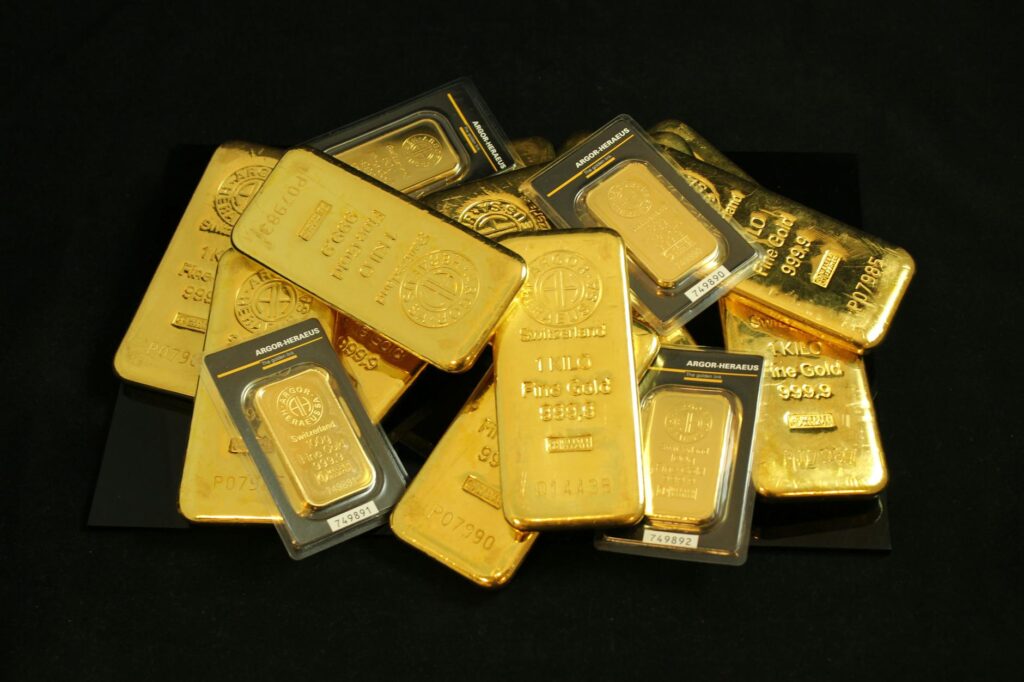
24k gold is defined as gold with a purity of 99.9%, often stamped with ‘999’ or ‘999.5’ fineness marks. Here’s the purest form of gold commercially available, making it the ultimate standard for wealth storage. Its unparalleled purity means it contains virtually no other metals, maximizing its intrinsic value. So, 24k gold is primarily sought after by investors for assets like gold bars, coins, and central bank reserves. While its value is undeniable, the extreme softness of 24k gold presents a significant limitation for its use in intricate or daily-wear jewelry. it’s too malleable and prone to scratching and deformation to withstand the rigors of regular use, making it less suitable for crafting detailed rings, bracelets, or necklaces.
How Does 22k Gold Compare and Main Uses?
In contrast, 22k gold is an alloy consisting of approximately 91.67% pure gold (22 parts out of 24) and 8.33% other metals, typically copper, zinc, silver, or nickel. These added alloys increase the gold’s hardness and durability, making it a far more practical choice for jewelry. The ‘916’ hallmark is commonly used to denote 22k gold. While its purity is slightly lower than 24k, 22k gold still retains a rich, vibrant yellow hue that’s highly desirable. The enhanced durability allows jewelers to create more complex and resilient designs that can endure daily wear and tear, from engagement rings to intricate pendants. This makes 22k gold a popular choice for fine jewelry that balances beauty, value, and longevity.
Can 22k vs 24k Gold Affect Investment Decisions?
The divergence in purity and physical properties between 22k and 24k gold directly influences investment strategies. For investors whose primary objective is the accumulation of pure gold value, 24k is the undisputed choice. Its 99.9% purity aligns perfectly with the concept of holding a tangible asset with maximum intrinsic worth, mirroring the holdings of major financial institutions and central banks. The value of 24k gold is closely tied to the spot price of gold, offering a direct reflection of the global market’s valuation of pure bullion.
Conversely, 22k gold offers a dual proposition. It works as a valuable asset that can appreciate with the market price of gold, but it also possesses inherent utility as wearable art. This dual nature can appeal to a broader range of individuals. While the presence of alloys means its value is slightly less than an equivalent weight of 24k gold, the resale value of 22k jewelry is still substantial, often based on its gold content plus any craftsmanship or design premiums. For those who wish to enjoy the beauty of gold jewelry while still holding a valuable asset, 22k presents a compelling compromise.
Investment Considerations in 2026
As of April 2026, market analysts continue to emphasize the role of gold as a hedge against inflation and economic uncertainty. According to reports from Business Today, the price dynamics for both 22K and 24K gold are closely monitored in major economic centers. While 24K gold bars and coins remain the benchmark for pure investment, the demand for high-quality 22K gold jewelry persists, driven by cultural significance and aesthetic preferences in many regions. The price difference, as noted by The Times of India in their coverage of Vijayawada markets, reflects the purity variance, making it essential for investors to understand these nuances before committing capital.
Comparing Key Features: 22k vs 24k Gold
To provide a clearer picture, here’s a comparative overview of the defining characteristics of 22k and 24k gold:
| Feature | 24k Gold | 22k Gold |
|---|---|---|
| Purity Percentage | 99.9% | 91.67% |
| Alloy Content | 0.1% (trace impurities) | 8.33% (e.g., copper, silver) |
| Color | Bright, Vivid Yellow | Rich Yellow |
| Durability | Very Soft, Easily Scratched/Dented | Harder, More Durable, Resists Scratches Better |
| Best Use Case | Investment (Bullion, Coins) | Jewelry (Rings, Bracelets, Earrings) |
| Market Value (per unit weight) | Highest | High (slightly lower than 24k) |
| Hallmark Indicator | 999, 999.5, or 24K | 916 or 22K |
How to Ensure Authenticity of Gold at Home
Verifying the authenticity and purity of gold can provide peace of mind, especially when making significant purchases. While professional appraisal is the most accurate method, several at-home tests can offer preliminary verification. These methods are based on the physical and chemical properties of gold alloys.
Hallmarking: The Official Stamp of Purity
The most reliable indicator of gold purity is official hallmarking. In many countries, hallmarks are stamped directly onto the jewelry by assay offices or manufacturers. For 24k gold, you’ll typically look for marks like ‘999’ or ‘999.5’. For 22k gold, the common hallmark is ‘916’, signifying 91.6 grams of pure gold per 100 grams of alloy. Always check for these official stamps, as they’re regulated and provide a standardized measure of fineness.
The Magnet Test: Gold’s Non-Magnetic Nature
Pure gold, in any karat, isn’t magnetic. If a piece of jewelry is attracted to a magnet, it likely contains base metals like iron or nickel, indicating it’s not pure gold or is alloyed beyond its stated karat. Most jewelry clasps might contain steel springs, but the main body of the piece shouldn’t react to a magnet. Here’s a simple yet effective initial screening test.
The Acid Test: A Chemical Approach
The acid test is a more definitive, though potentially damaging, method that involves using a specific nitric acid solution designed for testing gold purity. A small, inconspicuous scratch is made on the item, and a drop of acid is applied to the scratch. Different strengths of acid react differently to various karats. For example, acid meant for 22k gold won’t affect 24k gold but will react with lower karats. This test is best performed by experienced individuals or jewelers to avoid damaging the gold piece.
Density and Sound Tests
Gold is a dense metal. Comparing the weight of a gold item to its size can offer clues. While difficult to perform accurately at home without precise measurements and known densities, it’s a principle used by professionals. Also, gold has a distinct ringing sound when struck, different from most base metals. Tapping a gold coin or bar can produce a clear, resonant tone.
Factors Influencing Gold Prices in 2026
The global price of gold is influenced by a complex interplay of economic, political, and market forces. In 2026, these factors continue to shape the value of both 22k and 24k gold.
Economic Indicators
Inflation rates, interest rate decisions by central banks, and currency fluctuations impact gold prices. When inflation rises, investors often turn to gold as a store of value, driving up demand and prices. Conversely, rising interest rates can make other investments, like bonds, more attractive, potentially dampening gold’s appeal.
Geopolitical Stability
Periods of geopolitical tension, conflict, or economic uncertainty typically see gold prices increase as investors seek safe-haven assets. The global political climate in 2026, as with previous years, remains a key driver for gold’s performance.
Market Demand and Supply
Demand from jewelry consumers, industrial applications (though minor for pure gold), and investment sectors (ETFs, bars, coins) all play a role. Supply is influenced by mining output and the amount of recycled gold entering the market. As reported by News18 and MSN, daily price fluctuations are closely tracked, reflecting these dynamic market forces.
Frequently Asked Questions
Is 22k gold better than 24k for wearing?
Yes, for jewelry intended for regular wear, 22k gold is generally considered better. Its alloy content makes it harder and more durable than 24k gold — which is very soft and prone to damage. 22k gold offers a good balance of purity, color, and resilience for everyday use.
Does 24k gold hold more investment value than 22k?
Yes, 24k gold typically holds more intrinsic investment value per gram because it’s 99.9% pure. Its value is directly tied to the global spot price of pure gold. While 22k gold also appreciates with the market, its value is slightly lower due to the presence of alloying metals.
Can I test gold purity myself at home?
Yes, you can perform basic tests at home to get an indication of gold purity. Simple methods include the magnet test (pure gold isn’t magnetic) and examining the hallmark stamps (‘999’ for 24k, ‘916’ for 22k). For more definitive results, professional testing using acid or an electronic gold tester is recommended.
What are the typical making charges for 22k gold jewelry?
Making charges for 22k gold jewelry can vary widely depending on the intricacy of the design, the jeweler’s reputation, and the location. These charges cover the craftsmanship, labor, and design complexity involved in creating the piece. they’re typically calculated as a percentage of the gold value or a fixed rate per gram, and can range from 5% to over 25% of the gold’s value.
Is there a significant price gap between 22k and 24k gold?
Yes, there’s a noticeable price difference between 22k and 24k gold, reflecting their purity levels. As reported by various financial news outlets on April 17, 2026, 24k gold commands a higher price per gram due to its higher gold content. The exact gap fluctuates daily based on market conditions but consistently favors 24k gold in terms of raw material value.
Conclusion
The decision between 22k and 24k gold in 2026 is about aligning your purchase with your intended purpose. For individuals prioritizing wealth preservation and investment in its purest form, 24k gold, with its 99.9% purity, remains the standard. It represents a direct hedge against economic volatility and a tangible asset backed by centuries of financial history. However, for those seeking the beauty and wearability of gold jewelry without compromising on value, 22k gold offers a superior solution. Its enhanced durability, achieved through the addition of alloys, makes it suitable for crafting intricate designs that can be enjoyed daily, while still retaining substantial intrinsic worth tied to the global gold market. As highlighted by ongoing market reports from sources like The Economic Times and Business Today, understanding these distinctions is key to making sound financial and personal choices regarding gold.
Source: Britannica
Related Articles
- Discover VPiBox: Redefining Virtual Private Infrastructure in 2026
- what’s a Promise Ring? Forget the Romance Novel Version
- Engagement Rings Wilton: Beyond the Bling
Editorial Note: This article was researched and written by the Wilton Jewelers editorial team. We fact-check our content and update it regularly. For questions or corrections, contact us.