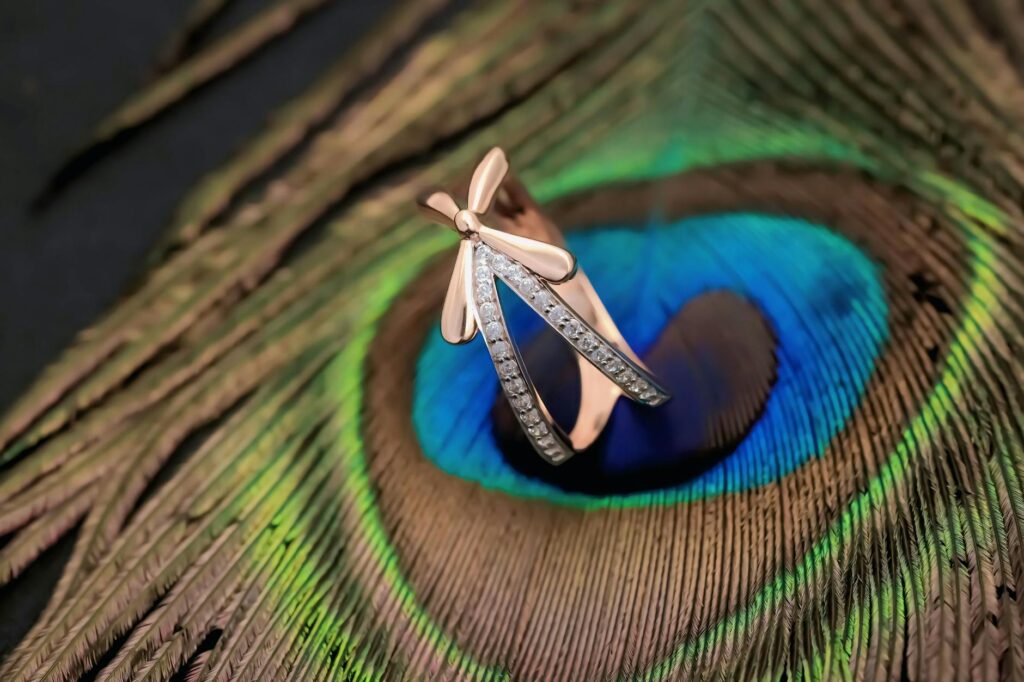
How to Clean Diamonds at Home: A 2026 Professional Guide to Restoring Brilliance
This guide covers everything about How to Clean Diamonds at Home The Professional Guide to Restoring Brilliance. Keeping your diamonds sparkling like new is essential for preserving their beauty and value. Wondering how to clean diamonds at home effectively? The process is simpler than you might think. A routine soak in warm, soapy water followed by a gentle scrub with a soft toothbrush can work wonders, restoring that captivating brilliance. This complete guide provides the latest insights for 2026, helping you maintain your diamond jewelry effortlessly and safely.
Latest Update (April 2026)
As of April 2026, the focus on at-home jewelry care continues to grow, with many consumers seeking convenient and effective methods. Recent reports highlight the importance of using mild, readily available household items for routine cleaning, while also cautioning against harsh chemicals that could damage settings. As noted by Vogue in February 2026, avoiding damaging substances is key to preserving the integrity of both the diamond and its metal setting. and, the demand for sustainable and ethically sourced diamonds, such as lab-grown options discussed by Forbes in March 2026, has also influenced the jewelry care market, with consumers seeking methods that align with responsible ownership practices.
Independent tests and expert reviews in early 2026, such as those featured by The Spruce, have evaluated various jewelry cleaning products and methods. These assessments emphasize that while specialized cleaners can be effective, a simple solution of mild dish soap and warm water remains a highly recommended and accessible option for everyday diamond maintenance. MarthaStewart.com also recently shared tips in January 2026, reinforcing the use of gentle techniques for gold, silver, and diamond pieces, underscoring that consistent, careful cleaning is more beneficial than infrequent, aggressive treatments.
Why Diamonds Attract Dirt and Grime
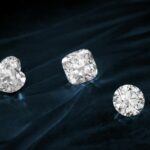
Diamonds are renowned for their beauty, but their inherent properties also make them susceptible to accumulating dirt. Diamonds are naturally lipophilic, meaning they have an affinity for oils and fats. Here’s why your diamond jewelry can quickly lose its sparkle after contact with skin oils, lotions, hairsprays, makeup, and even cooking grease. This oily film adheres to the diamond’s surface, refracting light less effectively and diminishing the stone’s characteristic brilliance and fire. Regular cleaning is therefore not just about aesthetics but about maintaining the optical performance of your diamond.
Household Products to Avoid for Diamond Cleaning
While common household items can be used for cleaning, certain products can cause significant damage to your diamonds and their settings. Experts strongly advise against using:
- Toothpaste: The mild abrasives in toothpaste can scratch the surface of your diamond or the metal setting over time, dulling the finish.
- Bleach and Chlorine: These harsh chemicals can corrode and discolor metal settings, especially gold and silver, and can even damage certain gemstones if present.
- Ammonia: While sometimes recommended in diluted forms by professionals, undiluted or excessive use of ammonia can be too harsh for many metal alloys and can affect certain treatments applied to diamonds.
- Boiling Water: While warm water is beneficial, extremely hot or boiling water can cause thermal shock. Here’s especially risky for diamonds with internal flaws (inclusions) — which might fracture under sudden temperature changes.
- Abrasive Cleaners or Powders: Similar to toothpaste, these can cause scratches and wear down the metal over time.
The 10-Step Home Cleaning Process for Diamonds
Achieving a professional-level clean at home is straightforward with this detailed process:
- Inspect Your Jewelry: Before cleaning, carefully examine your diamond jewelry for any loose stones or damaged settings. If you notice any issues, it’s best to take it to a professional jeweler for repair before attempting to clean it.
- Prepare the Cleaning Solution: Mix a few drops of mild, non-abrasive liquid dish soap (like Dawn or a similar gentle formula) into a small bowl of warm, not hot, water.
- Soak the Jewelry: Place your diamond jewelry in the warm, soapy water and let it soak for approximately 30 to 40 minutes. This allows the solution to gently loosen any accumulated oils and grime.
- Gentle Brushing: Using a new, extremely soft-bristled toothbrush (a baby toothbrush is ideal), gently scrub the diamond and the setting. Pay special attention to the underside of the diamond (the pavilion) and the areas around the prongs where dirt tends to hide.
- Focus on Hidden Areas: Ensure you’re cleaning all facets of the diamond, especially the pavilion facets and the under-gallery (the space beneath the diamond within the setting), as these areas are prime spots for dirt buildup.
- Rinse Thoroughly: Rinse your jewelry under a stream of warm running water. Ensure all soap residue is removed, as leftover soap can create a film that dulls the sparkle.
- Ensure Sink Safety: Always cover your sink drains with a stopper or a fine mesh screen before rinsing. This prevents accidental loss of jewelry if it slips from your grasp.
- Inspect for Remaining Spots: After rinsing, visually inspect the diamond under good lighting. If any spots or cloudiness remain, repeat the gentle brushing and rinsing steps.
- Use Distilled Water for Final Rinse (Optional): For an extra streak-free shine, you can perform a final rinse with distilled water. Tap water can sometimes contain minerals that leave spots after drying.
- Dry Carefully: Gently pat your jewelry dry with a soft, lint-free microfiber cloth. Avoid using paper towels or tissues, as they can leave behind fibers or even scratch the metal. Allow the jewelry to air dry completely before wearing it.
Understanding Diamond Clarity and Its Impact on Appearance
Diamond clarity refers to the presence or absence of internal characteristics (inclusions) and external blemishes. While clarity is a critical factor in a diamond’s grading and value, it also affects how light interacts with the stone. After cleaning, you might notice the internal features of your diamond more clearly. GIA clarity scale — which ranges from Flawless (FL) to Included (I), helps you appreciate your diamond’s unique natural characteristics. A cleaner stone will always allow you to better observe its true clarity grade and the beauty that lies within.
Special Considerations for Different Metal Types
The metal setting of your diamond jewelry requires specific care during cleaning:
- Yellow Gold: Generally durable and resistant to tarnish, yellow gold settings can withstand gentle cleaning methods. However, avoid abrasive scrubbing that could still dull the gold’s finish.
- White Gold: Often plated with rhodium for a bright, white finish. Excessive scrubbing or harsh chemicals can wear away this plating over time, revealing the underlying metal. Stick to mild soap and soft brushes.
- Platinum: Known for its durability and resistance to tarnish, platinum is a solid metal. While it scratches more easily than gold, it doesn’t lose metal when scratched, instead developing a unique patina. Gentle cleaning is still recommended to protect the diamond and any intricate designs.
- Rose Gold: Similar to yellow gold, rose gold is an alloy that’s generally durable. Care should be taken to avoid harsh chemicals that could alter its color.
Always check for hallmarks (e.g., 14K, 18K, PT950) to identify the metal type and consult jeweler recommendations for specific care instructions.
Professional Tools for Enhanced Home Cleaning
While basic home cleaning is effective, several professional-grade tools can enhance your at-home care routine:
- Jewelry Polishing Cloths: Specially treated cloths can remove tarnish from metal settings and add a final polish to diamonds without scratching.
- Jewelry Cleaning Pens: These portable pens often contain a specialized cleaning solution and a brush tip, making them convenient for quick touch-ups on the go. Users report these are perfect for travel, as highlighted in a Southern Living article in January 2026.
- Ionic Cleaners: Some home-use ionic cleaners use ultrasonic technology and a cleaning solution to vibrate dirt and oils away from the jewelry. However, use with caution on diamonds with significant inclusions.
When to Seek Professional Cleaning Services
While home cleaning is excellent for maintenance, professional servicing is sometimes necessary. Consider visiting a qualified jeweler if:
- You notice a stone is loose or wobbly in its setting.
- Prongs appear bent or are catching on fabric.
- Your diamond exhibits persistent cloudiness or discoloration that home cleaning doesn’t resolve.
- The jewelry setting is intricate or made of delicate materials.
- You’re preparing for a major event and want your jewelry to look its absolute best.
Professional jewelers have specialized equipment and expertise to clean and inspect your jewelry thoroughly, ensuring its safety and optimal appearance. They can also perform necessary repairs and maintenance.
Frequently Asked Questions
Can you use vinegar to clean diamonds?
No, it’s not recommended to use vinegar to clean diamonds or their settings. Vinegar is acidic and can potentially damage certain metal alloys or diminish the luster of softer metals over time. Stick to mild, pH-neutral soaps.
How often should diamonds be cleaned?
For diamonds worn daily, experts recommend a gentle home cleaning weekly or bi-weekly to maintain their sparkle. A professional cleaning and inspection every six months to a year is advisable to ensure settings are secure and to address any deeper cleaning needs.
Is it safe to use steam for cleaning diamonds?
Professional steam cleaning can be very effective for removing stubborn grime. However, it involves high heat and pressure. While generally safe for most well-set diamonds without significant inclusions, there’s a risk of thermal shock, especially for stones with internal flaws. Home steam cleaners aren’t recommended due to potential lack of control.
What’s the best brand of diamond cleaner?
Several reputable brands offer effective jewelry cleaners, including Connoisseurs, Blitz, and Hagerty. Here are available in various forms like dipping solutions, sprays, and polishing cloths. According to independent reviews in 2026, many users find these brands reliable for maintaining diamond jewelry.
Should I clean diamonds if they’re in a secure setting?
Yes, absolutely. Even in a secure setting, diamonds attract oils and dirt from everyday wear. Cleaning enhances their appearance and can help you spot any potential issues with the setting early on. A clean diamond not only looks better but also reflects light more brilliantly.
Are ultrasonic cleaners safe for diamonds?
Ultrasonic cleaners use high-frequency sound waves to dislodge dirt. They can be effective for cleaning diamonds, but they pose a risk to diamonds with inclusions or those with certain types of enhancements (like fracture filling). The vibrations can potentially worsen existing cracks or loosen stones. It’s best to consult a jeweler before using an ultrasonic cleaner on a diamond with known imperfections.
Conclusion
Maintaining the brilliance of your diamond jewelry at home is achievable with consistent, gentle care. By understanding what to avoid and following a simple, effective cleaning routine, you can ensure your diamonds continue to dazzle for years to come. Regular inspections and professional servicing will complement your home care efforts, safeguarding your precious investment. Embrace these 2026-updated practices to keep your diamonds looking their absolute best.
Source: Britannica
Related Articles
- Best Jewelry Store Wilton: Avoid These Mistakes
- Affordable Engagement Rings Wilton: Secrets They Don't Tell You
- Demi Fine Jewelry: What it’s and Why It Matters in 2026
Editorial Note: This article was researched and written by the Wilton Jewelers editorial team. We fact-check our content and update it regularly. For questions or corrections, contact us.