Emerald Cut Engagement Rings: Timeless Elegance That Captivates
This guide covers everything about Emerald Cut Engagement Rings: Timeless Elegance That Captivates Every Glance. Emerald cut engagement rings offer a unique blend of timeless elegance and modern appeal, giving each glance a captivating allure. Unlike other diamond cuts, the emerald cut’s distinctive step-cut structure and elongated form highlight a diamond’s inherent clarity and brilliance over its sparkle, making it a highly sought-after choice for individuals seeking understated beauty and sophisticated design. As of April 2026, the emerald cut continues its reign as a favored silhouette in fine jewelry, celebrated for its architectural beauty and historical resonance.
Last updated: April 18, 2026
Latest Update (April 2026)
Recent reports in the jewelry industry highlight the enduring popularity of the emerald cut. As noted by Vogue in a recent feature, the emerald cut diamond engagement ring remains one of the most iconic and famous engagement ring styles ever created. This enduring fame is attributed to its classic appeal and its ability to offer a sophisticated look. and, with spring sales emerging, designers are showcasing a variety of engagement ring styles, including emerald cuts, catering to diverse budgets and preferences, as reported by Forbes. This suggests that while the emerald cut embodies luxury, it’s also accessible through various designer collections and sale events in 2026.
What Makes an Emerald Cut Unique?
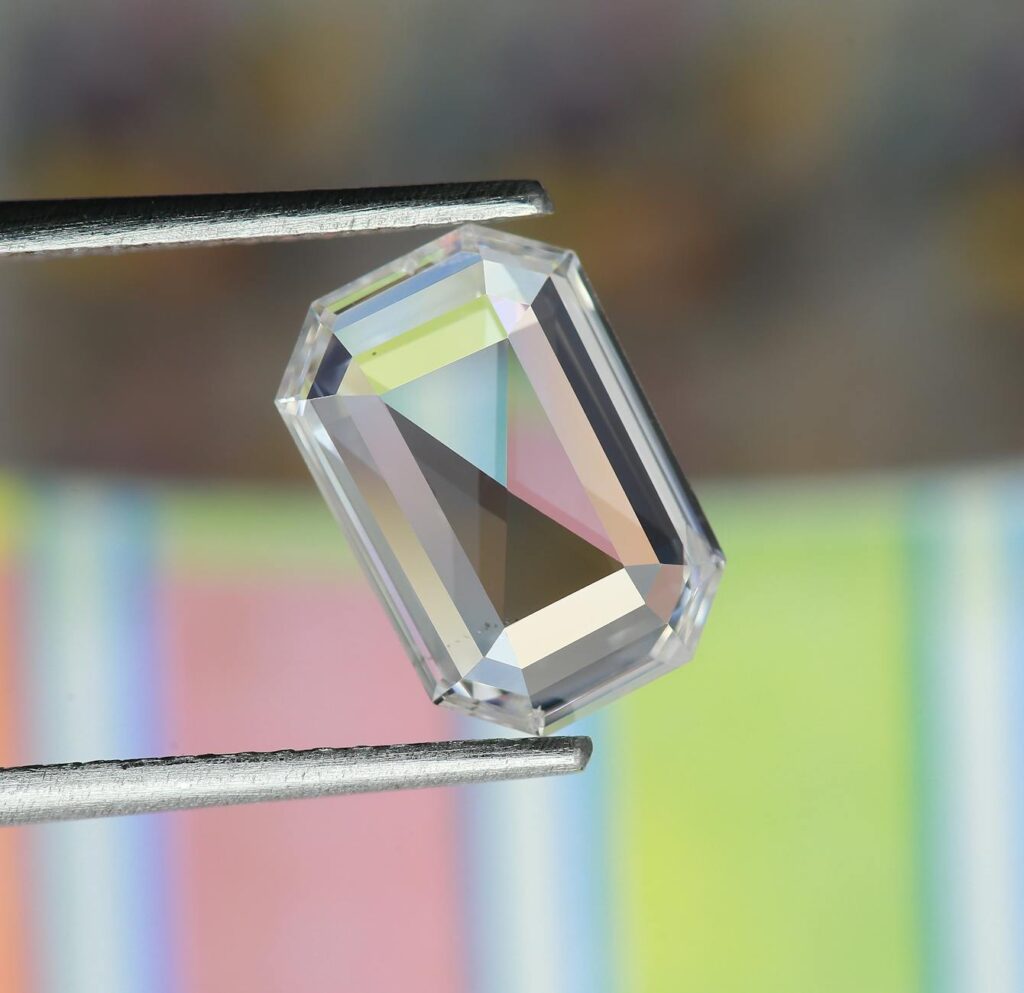
The defining characteristic of an emerald cut is its rectangular shape, featuring parallel step-cut facets that create a striking hall-of-mirrors effect. Unlike the rapid, fiery sparkle produced by brilliant cuts, an emerald cut delivers long, elegant flashes of light that beautifully emphasize the diamond’s clarity, symmetry, and the depth of its color. This distinct optical performance sets it apart.
- Rectangular Silhouette: Typically longer than it’s wide, creating an elegant profile.
- Cropped Corners: Unlike a perfect rectangle, the corners are gently beveled or cropped, adding a softened elegance and structural integrity.
- Large Open Table Surface: The broad, flat top surface of the diamond is a key feature, showcasing the stone’s internal characteristics.
- Linear Step Facets: The facets are cut in a linear, progressive pattern, contributing to the ‘hall-of-mirrors’ effect.
- Elegant, Vintage-Inspired Appearance: Its origins trace back to the Art Deco era, lending it a timeless, sophisticated charm.
The expansive surface area of the emerald cut prominently displays the diamond’s purity and internal structure, making the careful selection of diamond quality absolutely key to achieving its full potential.
Why Does the Emerald Cut Feel Luxurious?
The allure of the emerald cut extends beyond its visual aesthetics. it possesses a profound emotional and psychological appeal. Its structured beauty, combined with its ability to create a larger visual impact and a flattering finger-lengthening effect, makes it a symbol of refined taste. It masterfully embodies both vintage-inspired grandeur and contemporary minimalism, appealing to a lots of style preferences. As reported by Only Natural Diamonds, the emerald cut diamond engagement ring’s continued fame is a testament to its unique blend of historical significance and modern desirability.
- Larger Appearance: The elongated shape and open table give emerald cut diamonds the illusion of being larger than other cuts of the same carat weight.
- Finger-Lengthening Effect: The linear facets and rectangular form create a slimming and elongating effect on the wearer’s finger.
- Vintage Yet Modern: It elegantly bridges the gap between early 20th-century craftsmanship and the clean lines favored in contemporary jewelry design.
- Symbolism of Transparency and Honesty: The open table and emphasis on clarity can be interpreted as symbolizing authenticity, clarity of intention, and a pure, honest commitment.
How Does Light Performance Differ?
Emerald cut diamonds interact with light differently compared to brilliant cuts. Instead of a tons of of tiny, intense sparkles, they emit broad, sophisticated flashes of light. This unique light performance creates a captivating ‘window’ effect, revealing the diamond’s internal fire and brilliance in a more subdued, elegant manner. This refined performance is precisely what attracts individuals who appreciate understated elegance and a less overtly flashy display of sparkle.
Choosing the Right Diamond Quality for an Emerald Cut
Given the emerald cut’s prominent table surface, selecting the right diamond quality is really important. Imperfections and color variations are more noticeable in this cut, making clarity and color grades especially important considerations for achieving a stone that truly captivates.
Clarity Matters More Here
The large, open table of an emerald cut acts like a magnifying glass for any internal flaws (inclusions) or external blemishes. Therefore, higher clarity grades are generally recommended to ensure the diamond appears clean to the naked eye. Based on industry recommendations and gemological standards:
- VVS1 to VS2: These grades (Very, Very Slightly Included to Very Slightly Included) typically represent an exceptional appearance for an emerald cut. Inclusions are difficult to detect even under 10x magnification and are usually invisible to the unaided eye.
- SI1: While possible, SI1 (Slightly Included) clarity can be more challenging for emerald cuts. Inclusions may be visible to the naked eye in some stones, especially within the large table. Careful selection is required to ensure the inclusions don’t detract from the diamond’s beauty.
Color Visibility
Color is also more pronounced in emerald cuts due to their larger facets and less dispersed light return. While a perfectly colorless diamond is the ideal, near-colorless grades offer excellent value and beauty.
- D to F: These grades represent completely colorless diamonds, offering the ultimate in brilliance and premium quality.
- G to H: Near-colorless grades provide excellent value. Any slight hint of color is typically masked by the diamond’s setting, especially in white metals, and isn’t readily apparent to the unaided eye.
Ideal Proportions
The length-to-width ratio influences the visual appeal of an emerald cut. While personal preference dictates the exact ratio, common ranges are:
- 1.30 to 1.50: This is often considered the ‘ideal’ range, offering a balanced and classic rectangular appearance.
- 1.50 and above: These stones appear longer and slimmer, providing a more dramatic finger-lengthening effect.
- Below 1.30: These cuts appear squarer, sometimes referred to as ‘square emerald cuts.’
Popular Setting Styles for Emerald Cut Engagement Rings
The inherent elegance of the emerald cut makes it incredibly versatile, allowing it to shine in a variety of settings. The right setting can enhance its geometric beauty, add complementary sparkle, or evoke a specific aesthetic.
- Solitaire: A classic choice where the emerald cut diamond is the sole focus, allowing its clean lines and clarity to be fully appreciated without distraction. This setting emphasizes the diamond’s geometry.
- Three-Stone: Featuring the emerald cut center stone flanked by two smaller diamonds (often trapezoids, baguettes, or smaller emerald cuts), this setting symbolizes the past, present, and future of a relationship.
- Halo: A halo of smaller pavé or micro-pavé diamonds encircles the center emerald cut, amplifying its size and adding significant brilliance and sparkle. Here’s a popular way to enhance the visual impact.
- Vintage-Inspired: Settings incorporating intricate details like milgrain (a beaded edge) and filigree (delicate metalwork) enhance the emerald cut’s inherent vintage charm, evoking an Art Deco or Edwardian era feel.
- Hidden Halo: A modern twist on the traditional halo, this setting features a delicate ring of small diamonds encircling the center stone, but positioned subtly underneath the main stone, visible from the side view, adding a secret sparkle.
- Side Stone Accents: Besides the three-stone style, emerald cuts can be beautifully complemented by tapered baguettes or trapezoid-cut side stones that echo the linear elegance of the center stone.
Metal Choices That Enhance Beauty
The choice of metal for an emerald cut engagement ring influences its overall appearance and character. Each metal offers a distinct aesthetic, complementing different skin tones and style preferences.
- Platinum: Renowned for its purity, durability, and hypoallergenic properties, platinum offers a bright white luster that perfectly complements the cool tones of a diamond. it’s a prestigious and timeless choice.
- White Gold: A popular and elegant option, white gold provides a bright, modern finish. it’s typically rhodium-plated for enhanced shine and durability, offering a similar look to platinum at a more accessible price point.
- Yellow Gold: The classic choice, yellow gold offers a warm, traditional charm that creates a beautiful contrast with the diamond’s sparkle. It suits a lots of skin tones and is a symbol of enduring love.
- Rose Gold: With its romantic, blush-pink hue, rose gold has gained immense popularity for its contemporary yet soft aesthetic. It offers a unique warmth that complements the diamond beautifully and stands out as a modern, yet timeless option.
Emerald Cut vs. Other Diamond Cuts: A Comparison
Understanding how the emerald cut compares to other popular diamond shapes can help in making an informed decision. Each cut has its unique characteristics in terms of appearance, light performance, and suitability for different preferences.
| Feature | Emerald Cut | Round Brilliant | Princess Cut | Oval Cut |
|---|---|---|---|---|
| Sparkle Style | Broad, elegant flashes | Intense, fiery brilliance | Sharp, fiery sparkle | Mixed brilliance with flashes |
| Shape | Rectangular (or square) with cropped corners | Circular | Square (or rectangular) with sharp corners | Elongated oval |
| Visual Size | Appears larger due to open table and shape | True to carat weight, maximizes brilliance | Appears slightly smaller than round of same carat | Appears larger than round due to elongated shape |
| Clarity Visibility | Highly visible; clarity is key | Inclusions can be well-hidden | Medium visibility; inclusions can be hidden near corners | Medium visibility; inclusions can be less obvious |
| Facet Structure | Step cuts (parallel facets) | Brilliant cuts (numerous small facets) | Brilliant cuts (often with a cruciform pattern) | Brilliant cuts (modified) |
| Best For | Understated elegance, vintage lovers, those prioritizing clarity | Maximum sparkle, traditionalists, all-around choice | Modern appeal, geometric lovers, those seeking brilliance in a square shape | Finger-lengthening effect, unique twist on classic oval |
Frequently Asked Questions
Are emerald cut diamonds more expensive?
Generally, emerald cut diamonds aren’t more expensive than round brilliant diamonds of comparable quality and carat weight. In fact, due to their larger appearance per carat, they can often offer better value. As NJ.com recently reported on cushion-cut diamonds, achieving significant carat weights for under budget is possible with strategic shape choices, and this often applies to emerald cuts as well.
Why do emerald cuts look bigger?
The elongated shape and the large, open table surface of an emerald cut diamond create a visual illusion that makes it appear larger than a round brilliant or princess cut of the same carat weight. Here’s a significant advantage for those seeking maximum visual impact.
Can inclusions be easily seen in emerald cuts?
Yes, inclusions are more visible in emerald cuts due to their large, flat facet structure. Here’s why clarity is a critical factor when choosing an emerald cut diamond. Opting for higher clarity grades (VVS1-VS2) is recommended to ensure the diamond appears eye-clean.
Which settings are best for emerald cuts?
Solitaire, three-stone, and halo settings are especially popular and effective for emerald cuts. Solitaire settings highlight the diamond’s clean lines, while three-stone and halo settings enhance its size and brilliance. Settings with baguette or trapezoid side stones also beautifully complement the emerald cut’s geometry.
Is platinum a good choice for an emerald cut ring?
Absolutely. Platinum’s bright white color and exceptional durability make it an ideal metal for an emerald cut engagement ring. It enhances the diamond’s clarity and provides a luxurious, long-lasting setting that perfectly complements the cut’s elegance and sophistication.
Are emerald cut engagement rings trending in 2026?
Yes, emerald cut engagement rings continue to be a significant trend in 2026. Their timeless elegance and association with iconic styles keep them perpetually in vogue. As highlighted by Only Natural Diamonds, the emerald cut’s enduring fame solidifies its status as a classic choice that resonates with modern consumers seeking sophisticated and meaningful jewelry.
Conclusion
Emerald cut engagement rings represent a pinnacle of timeless elegance, offering a unique aesthetic that emphasizes clarity, sophistication, and understated luxury. With their distinctive architectural design, flattering proportions, and historical charm, these rings continue to captivate hearts in 2026. Whether set in a classic solitaire, a meaningful three-stone design, or a dazzling halo, an emerald cut diamond provides a stunning symbol of enduring commitment. By carefully considering clarity, color, proportions, and the perfect setting, one can select an emerald cut engagement ring that’s not just a piece of jewelry, but a cherished heirloom for generations to come.
Source: Nature
Related Articles
- Personalized Bracelets: What's New and What You Need
- Custom Engagement Rings Wilton: Smart Budget Buys
- Make Jewelry Look New Again: 2026 Edition
Editorial Note: This article was researched and written by the Wilton Jewelers editorial team. We fact-check our content and update it regularly. For questions or corrections, contact us.