This guide covers everything about Unveiling Elegance: The Timeless Meaning Behind Pearl Necklaces. Pearl necklaces, celebrated for their enduring allure and profound cultural significance, continue to captivate jewelry enthusiasts globally. cost-benefit of these exquisite gems reveals their lasting value and investment potential. Discover why they symbolize purity and elegance while offering unmatched beauty that transcends fleeting trends.
Last updated: April 18, 2026
Latest Update (April 2026)
As of April 2026, the pearl market continues to see steady demand, driven by both traditional appreciation and new trends in sustainable luxury. Advances in pearl cultivation techniques are enhancing the quality and availability of various pearl types, influencing pricing dynamics. According to industry reports, there’s a growing interest in ethically sourced pearls, with consumers actively seeking transparency in origin and cultivation practices. This shift emphasizes the long-term value proposition of pearls, not just as decorative items but as conscious choices in personal adornment. The Guardian Nigeria News, in a recent report on consumer electronics where style meets affordability, indirectly highlights a broader market trend where value and aesthetic appeal are really important across diverse consumer goods, a principle that also applies to fine jewelry like pearl necklaces.
Historical Significance of Pearl Necklaces
Pearl necklaces possess a rich and ancient legacy, revered across numerous civilizations as potent symbols of wealth, status, and divine favor. Historically, these luminous gems were prized by Egyptian royalty, with tales of Cleopatra dissolving a pearl in vinegar and drinking it to win a bet with Mark Antony underscoring their perceived immense value. In Asian cultures, especially in China and India, pearls were deeply integrated into mythology and believed to possess protective qualities and bring good fortune. The evolution of the pearl trade and cultivation saw their mystique intensify through the Renaissance, making them more accessible to a wider aristocracy and solidifying their place in royal regalia. Figures like Queen Elizabeth I of England were prolific wearers, further cementing the association of pearls with power and prestige. This historical reverence contributes to the enduring appeal and perceived value of pearl necklaces today.
How Different Types of Pearls Compare
The diverse world of pearls offers a spectrum of beauty, with distinct types each possessing unique characteristics that influence their appearance and cost. Understanding these differences is key to appreciating their value.
Akoya Pearls
Cultivated primarily in Japan and China, Akoya pearls are renowned for their near-perfect round shape, high luster, and clean surfaces. they’re typically white or cream-colored, though pink and silver overtones are also common. Their consistent quality and classic aesthetic make them a popular choice for traditional pearl necklaces.
Freshwater Pearls
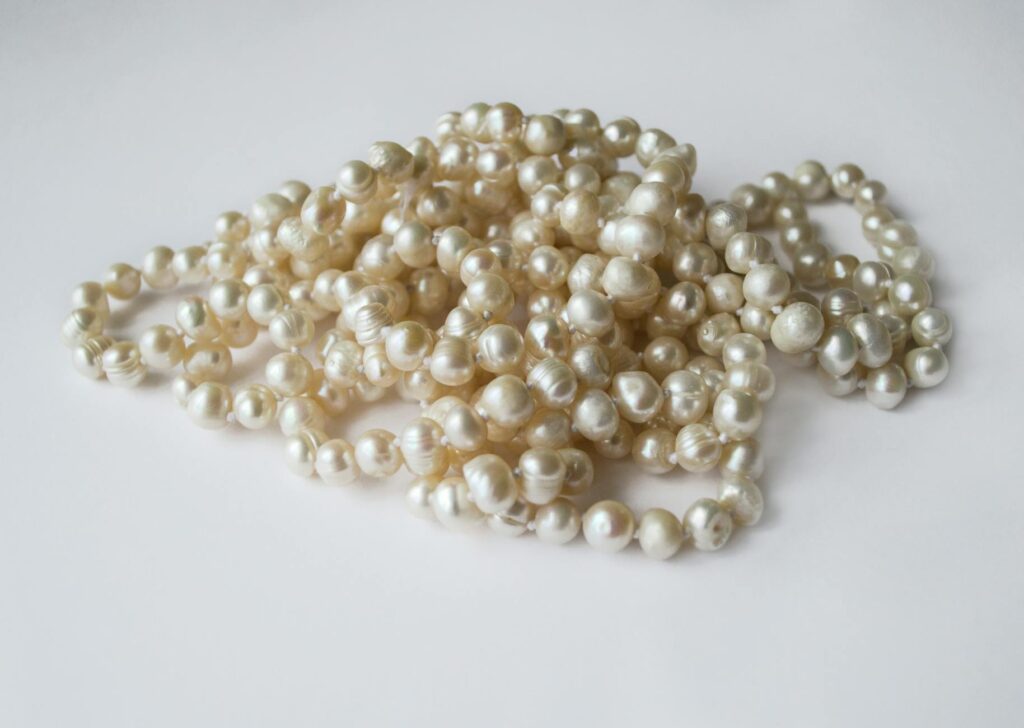
Sourced mainly from mussels in rivers and lakes, in China, Freshwater pearls offer the widest variety in terms of color, shape, and size. They can range from classic whites and creams to vibrant pinks, purples, and even blues. While traditionally more irregular in shape than Akoyas, modern cultivation techniques have produced round and lustrous Freshwater pearls, often at a more accessible price point, making them an excellent value proposition for everyday elegance.
Tahitian Pearls
Hailing from the French Polynesian islands, Tahitian pearls are famous for their exotic, naturally dark body colors — which include black, gray, deep green, and iridescent peacock hues. they’re often referred to as “black pearls,” though true black is rare. Their unique, often dramatic colors and large sizes contribute to their high value and desirability among collectors and fashion-forward individuals.
South Sea Pearls
The largest and often most valuable pearls, South Sea pearls are cultivated in the Pinctada maxima oyster, found in the waters of Australia, the Philippines, Indonesia, and other parts of Southeast Asia. they’re known for their distinctive silvery-white, champagne, and deep gold colors, as well as their exceptional luster and thick nacre. Their rarity, large size, and challenging cultivation process make them the most expensive type of pearl.
| Pearl Type | Primary Origin | Typical Colors | Common Shapes | Key Characteristics |
|---|---|---|---|---|
| Akoya | Japan, China | White, Cream, Pink, Silver | Round | High luster, classic |
| Freshwater | China, USA, Japan | White, Cream, Pink, Purple, Blue, Black | Irregular, Baroque, Round | Variety, affordability |
| Tahitian | French Polynesia | Black, Gray, Green, Peacock | Round, Baroque, Oval | Exotic colors, lustrous |
| South Sea | Australia, Philippines, Indonesia | White, Silver, Gold, Cream | Round, Oval, Drop | Largest size, superior luster, thick nacre |
Factors Influencing the Cost-Benefit of a Pearl Necklace
The perceived value and cost-benefit analysis of a pearl necklace are influenced by several critical factors. Beyond the type of pearl, meticulous attention to detail in grading and presentation impacts the final price and enduring appeal.
Pearl Quality (The 5 Cs)
Gemologists often use a grading system, commonly referred to as the 5 Cs, to evaluate pearls: Color, Clarity, Luster, Shape, and Surface Quality. High-grade pearls exhibit vibrant, appealing colors, minimal surface imperfections, exceptional luster (the shimmer and glow from within), perfectly round or desirable shapes, and smooth surfaces. The rarer a pearl is across these criteria, the higher its value. For instance, perfectly spherical pearls with intense luster and clean surfaces are more valuable than irregular shapes with dull finishes.
Nacre Thickness
Nacre is the iridescent, crystalline substance secreted by the pearl oyster that forms the layers of the pearl. Thicker nacre contributes to a pearl’s durability, depth of luster, and orient (a shimmering, rainbow-like effect). Pearls with thick nacre, like those from South Sea and high-quality Akoya pearls, generally command higher prices due to their longevity and superior visual appeal.
Size
Pearl size is measured in millimeters. Larger pearls are rarer and therefore more valuable. A necklace featuring pearls of uniform, significant size will naturally be more expensive than one with smaller, more common pearls. However, the ideal size often depends on the wearer’s preference and intended style.
Stringing and Setting
The quality of the necklace’s construction also plays a role. Professional stringing, using durable silk thread and secure knots between each pearl to prevent abrasion and ensure security, adds to the value. The clasp, whether it’s a simple screw clasp or an elaborate diamond-encrusted piece, also contributes to the overall cost and aesthetic.
Rarity and Origin
Certain pearl types, like natural black Tahitian pearls or large, golden South Sea pearls, are rarer and come from specific, limited geographical locations, increasing their market value. While natural pearls are exceedingly rare and valuable, Most pearls available today are cultured. However, even among cultured pearls, factors like specific breeding techniques and origins can influence rarity and price.
Market Trends and Demand
Like any commodity, pearl prices are subject to market fluctuations. High demand, influenced by fashion trends, celebrity endorsements, and seasonal events, can drive up prices. Conversely, increased supply due to successful cultivation seasons can moderate costs. As reported by industry analysts in early 2026, the market for high-quality pearls remains solid, with a notable surge in interest for pearls with unique colors and origins.
How to Care for a Pearl Necklace
Proper care is essential to preserve the luster and integrity of a pearl necklace, ensuring it remains a treasured heirloom for years to come. Pearls are organic gems and require gentle handling.
Storage
Store your pearl necklace in a soft, lined jewelry box or a fabric pouch to prevent scratching from harder gemstones or metal components. Keep pearls separate from other jewelry to avoid abrasion. Avoid storing them in plastic bags, as they can trap moisture and damage the nacre over time. it’s also advisable to keep them away from extreme temperatures and humidity.
Wearing Your Pearls
Pearls are often described as the last thing you put on and the first thing you take off. That’s because cosmetics, perfumes, hairspray, and lotions can contain chemicals that may dull the luster or even damage the nacre of pearls over time. Apply these products before wearing your pearls.
Cleaning
After each wear, gently wipe your pearls with a soft, slightly damp cloth to remove any residual oils or cosmetics. For more thorough cleaning, use a mild soap solution (like a gentle dish soap) diluted in water. Wipe the pearls with a damp cloth and then dry them immediately with a clean, dry, soft cloth. Never use abrasive cleaners, ultrasonic cleaners, or harsh chemicals, as these can strip away the nacre and damage the pearl’s surface.
Maintenance
Periodically check the stringing of your necklace. If the silk thread appears frayed or stretched, it’s time to have the necklace restrung by a professional jeweler. This prevents the risk of losing pearls and maintains the necklace’s integrity.
Styling a Pearl Necklace in 2026
Pearl necklaces have transcended their traditional roles to become versatile accessories for the modern wardrobe. In 2026, styling pearls is all about embracing individuality and blending classic elegance with contemporary flair.
Layering for Casual Chic
Create a sophisticated yet relaxed look by layering a delicate pearl strand over a simple t-shirt, a fine-knit sweater, or even a crisp button-down shirt. Mixing different pearl sizes and lengths can add depth and visual interest. This approach breathes new life into casual ensembles, making them suitable for a range of daytime activities.
Elevating Formal Wear
A classic single strand of pearls remains the epitome of timeless elegance for formal occasions. Whether paired with a little black dress, an evening gown, or a sharp suit, a well-chosen pearl necklace adds a touch of refined sophistication. For a modern twist, consider chokers or multi-strand designs that make a bolder statement.
Mixing Textures and Styles
Don’t shy away from mixing pearls with other textures. A pearl necklace can beautifully complement fabrics like silk, satin, lace, or even chunky knits. Experiment with combining pearls with other jewelry styles, such as minimalist gold chains or gemstone pendants, to create a personalized, eclectic look.
The Statement Piece
For those who love to make an impact, a statement pearl necklace – perhaps featuring unusually shaped pearls, baroque pearls, or Many large pearls – can be the focal point of an outfit. This works exceptionally well with simpler clothing choices, allowing the necklace to shine.
Frequently Asked Questions
what’s the ideal pearl size for a necklace in 2026?
The ideal pearl size is subjective and depends heavily on personal style and the desired aesthetic. Generally, pearls ranging from 7-8mm are considered versatile for everyday wear and classic necklaces. Larger pearls, typically 9mm and above, make a bolder statement and are often favored for special occasions or as statement pieces. Smaller pearls, under 7mm, offer a more delicate and subtle touch. Based on current fashion trends, there’s a growing appreciation for both substantial, statement-making pearls and delicate, understated strands.
Can pearls change color over time?
Yes, pearls can change color over time, a process often referred to as “aging.” This can manifest as a darkening or yellowing, especially in older pearls or those not properly cared for. Exposure to chemicals, excessive humidity, and even prolonged contact with skin oils can accelerate this process. Proper cleaning and storage, as outlined above, are the best ways to mitigate color changes and preserve the pearl’s original beauty.
Why are South Sea pearls generally more expensive than other types?
South Sea pearls command higher prices primarily due to their rarity, large size, and exceptional luster. they’re produced by the Pinctada maxima oyster — which is more challenging to cultivate and has a slower growth rate compared to oysters that produce other pearl types. The thick nacre of South Sea pearls also contributes to their durability and deep, shimmering glow, factors highly valued in the fine jewelry market. Their limited geographical origin further adds to their exclusivity and cost.
Is it safe to wear pearls daily?
While pearls are delicate organic gems, they can be worn daily with proper care and mindful handling. The key is to minimize exposure to harsh chemicals, excessive friction, and extreme conditions. Following the recommended care practices—applying cosmetics before wearing, wiping them after each use, and storing them correctly—will help protect your pearls from daily wear and tear, allowing you to enjoy them regularly.
Are vintage or antique pearl necklaces valuable?
Vintage and antique pearl necklaces can be exceptionally valuable, often exceeding the cost of contemporary pieces. Their value is determined by several factors, including the age of the pearls, their rarity (e.g., natural pearls vs. cultured), the quality of the pearls themselves, the craftsmanship of the setting and clasp, and any historical provenance or association with notable figures. Appraising vintage pieces by a qualified gemologist is essential to determine their true market value.
Conclusion
The cost-benefit of pearl necklaces extends far beyond their monetary value, encompassing their historical significance, symbolic meaning, and enduring aesthetic appeal. From the lustrous Akoya to the exotic Tahitian and the magnificent South Sea pearls, each type offers a unique opportunity to invest in timeless elegance. By factors that contribute to their value and committing to proper care, a pearl necklace can remain a cherished possession, a symbol of grace and sophistication, for generations to come. As the market evolves in 2026, the conscious consumer will find that investing in high-quality, ethically sourced pearls offers not just beauty, but also a connection to tradition and a statement of lasting personal style.
Source: Britannica
Related Articles
- Necklace Chain Types: What to Actually Wear in 2026
- Vintage Jewelry Gifts: Surprise Them This Year
- 14k vs 18k Gold – complete Guide to Choosing the Right Alloy
Editorial Note: This article was researched and written by the Wilton Jewelers editorial team. We fact-check our content and update it regularly. For questions or corrections, contact us.