3 Carat Lab Grown Diamond: The Ultimate Buying Guide 2026
This guide covers everything about 3 Carat Lab Grown Diamond: Buying the Perfect Stone. This guide covers everything about 3 Carat Lab Grown Diamond: Buying the Perfect Stone. A 3 carat lab grown diamond represents a significant milestone in the jewelry industry, offering consumers a blend of impressive size, ethical sourcing, and remarkable affordability. These laboratory-created gems provide a dazzling alternative to traditionally mined diamonds, maintaining identical physical, chemical, and optical properties while often costing 30-40 percent less. As of April 2026, the market for lab grown diamonds continues to expand, driven by innovation and increasing consumer acceptance.
Last updated: April 18, 2026
Latest Update (April 2026)
The demand for larger and more accessible engagement rings has seen a notable surge, with lab grown diamonds playing a key role. Recent reports indicate that consumers are increasingly opting for lab grown stones to achieve significant carat weights without compromising on quality or budget. As highlighted by Forbes on April 14, 2026, spring sales from editor-favorite designers are making engagement rings more attainable, and lab grown diamonds are a key factor in this trend, allowing for bigger and more impressive center stones. and, Axios reported in December 2025 that lab diamonds are indeed driving bigger, cheaper engagement rings, a trend that shows no signs of slowing down in 2026.
The accessibility of substantial lab grown diamonds is highlightd by articles like the one from SILive.com on April 15, 2026 — which details how a 2-carat cushion-cut engagement ring can be purchased for under $1,000. This demonstrates the immense value proposition of lab grown diamonds, making larger sizes, such as the 3 carat discussed here, more achievable for a wider range of buyers. Fox News also recently featured several lab-grown diamond brands worth considering in February 2026, further cementing their place in the mainstream jewelry market.
What Defines Lab Grown Diamonds?
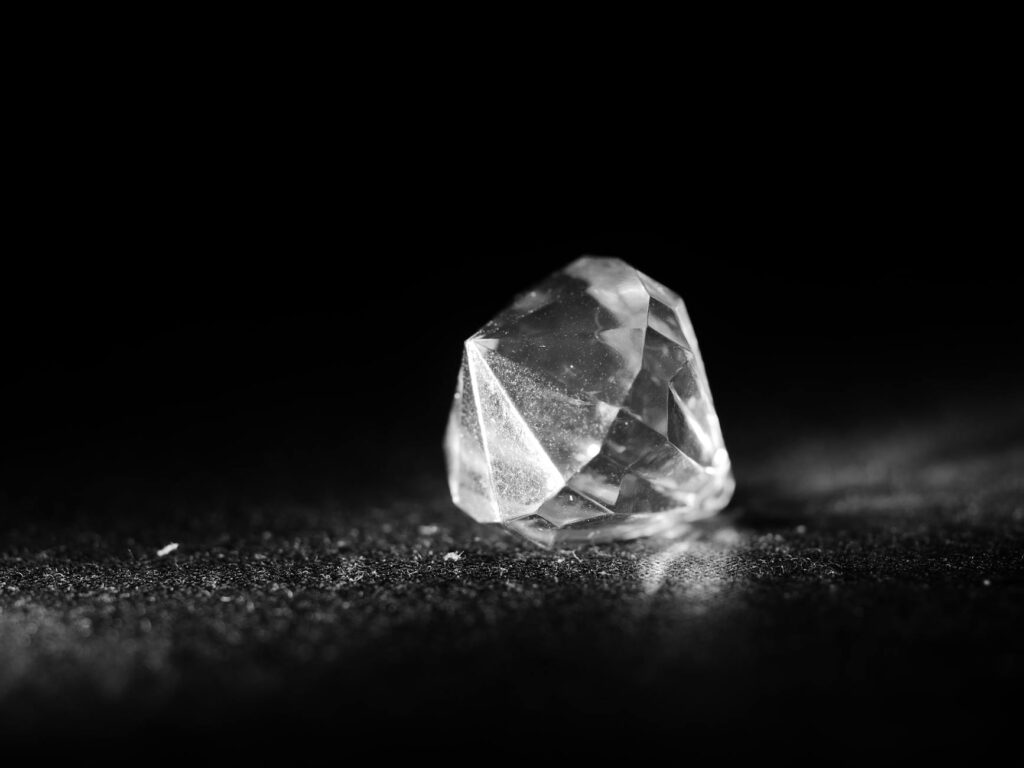
Lab grown diamonds, also known as synthetic or cultivated diamonds, are genuine diamonds. they’re created in controlled laboratory environments using advanced technological processes that replicate the conditions under which natural diamonds are formed deep within the Earth. These processes, primarily High Pressure High Temperature (HPHT) and Chemical Vapor Deposition (CVD), result in diamonds that possess the exact same physical, chemical, and optical properties as their mined counterparts. They exhibit the same hardness, brilliance, fire, and scintillation. For a complete understanding, resources like Wikipedia offer detailed insights into their scientific creation.
Why Opt for a 3 Carat Lab Grown Diamond?
Choosing a 3 carat lab grown diamond offers a compelling combination of significant size, exceptional brilliance, and considerable value, all while adhering to ethical and sustainable principles. These stones are perfect for creating statement jewelry pieces, especially engagement rings — that command attention. The primary advantages are:
Price Advantage
One of the most significant draws of lab grown diamonds is their affordability. They typically cost between 30% to 40% less than natural diamonds of equivalent size and quality. This price difference makes a substantial 3 carat diamond accessible to a much broader audience, allowing individuals to allocate their budget towards a larger stone, a superior cut, or a more intricate setting. As reported by Axios in late 2025, this affordability is a key driver in the growing popularity of lab grown diamonds for engagement rings.
Ethical and Environmental Benefits
The production of lab grown diamonds bypasses the need for traditional mining operations. This reduces the environmental impact associated with mining, such as land disruption, water usage, and potential pollution. and, lab grown diamonds offer guaranteed ethical sourcing, eliminating concerns about conflict diamonds or labor practices sometimes associated with mined stones. This aligns with the growing consumer preference for sustainable and ethically produced goods.
The 4 Cs in Lab Grown Diamonds
Just like natural diamonds, the quality and value of lab grown diamonds are assessed using the universally recognized 4 Cs: Carat, Cut, Color, and Clarity. Understanding these factors is Key for making an informed purchase, especially for a significant 3 carat stone.
Carat
A carat is a unit of weight for gemstones — where one carat equals 0.2 grams. A 3 carat diamond is a substantial size, making it a popular choice for those seeking a visually impressive center stone. The perceived size of a diamond can also be influenced by its cut and shape. for instance, oval or emerald cuts can appear larger than a round cut of the same carat weight due to their proportions.
Cut
The cut refers to the proportions, symmetry, and polish of a diamond — which directly influence its brilliance and sparkle. it’s arguably the most important of the 4 Cs, as a well-executed cut can make a diamond appear more vibrant and lively. Experts recommend aiming for an ‘Excellent’ or ‘Ideal’ cut grade, regardless of the diamond’s shape. These grades indicate that the diamond has been cut to optimal proportions, maximizing light reflection and creating exceptional sparkle.
Color
Diamond color is graded on a scale from D (colorless) to Z (light yellow or brown). Colorless diamonds (D, E, F) are the rarest and most valuable. However, near-colorless diamonds (G, H, I, J) often appear colorless to the untrained eye, especially when set in jewelry, and offer a more affordable option. Lab grown diamonds are available across the full color spectrum, but many are produced in the D-J range, offering excellent value.
Clarity
Clarity refers to the presence of internal inclusions or external blemishes within or on a diamond. These imperfections are graded on a scale from Flawless (FL/IF) to Included (I1, I2, I3). For a 3 carat diamond, clarity is especially important as larger stones offer more surface area and internal volume where imperfections might be visible. Many lab grown diamonds are produced with very high clarity grades, often VS (Very Slightly Included) or higher, meaning any inclusions are minor and difficult to detect without magnification.
The Process of Creating Lab Grown Diamonds
Lab grown diamonds are created using two primary methods:
High Pressure High Temperature (HPHT)
This method mimics the natural diamond-forming process. A small diamond seed crystal is placed in a high-pressure, high-temperature environment, along with a carbon source. Under these extreme conditions, the carbon dissolves and crystallizes onto the seed, growing a larger diamond. This process is effective for producing both colorless and colored diamonds.
Chemical Vapor Deposition (CVD)
In the CVD process, a diamond seed crystal is placed in a vacuum chamber and exposed to carbon-rich gases (like methane) at high temperatures. These gases break down, and the carbon atoms deposit onto the seed crystal, layer by layer, gradually forming a larger diamond. CVD is known for its ability to produce high-quality diamonds, often with excellent clarity.
Both HPHT and CVD methods are scientifically sound and produce diamonds that are chemically and physically identical to natural diamonds. Independent testing and gemological laboratories can verify the origin of a diamond, but they can’t distinguish between a natural and a lab grown diamond based on its intrinsic properties alone.
Comparing Lab Grown and Natural Diamonds
Here’s a comparative overview:
| Feature | Lab Grown Diamond | Natural Diamond |
|---|---|---|
| Price | Lower (typically 30-40% less) | Higher |
| Environmental Impact | Minimal | Significant (due to mining) |
| Ethical Sourcing | Guaranteed | Varies (potential for conflict diamonds) |
| Origin | Laboratory-created | Mined from the Earth |
| Chemical Composition | Identical (Carbon) | Identical (Carbon) |
| Physical Properties | Identical (Hardness, Brilliance) | Identical (Hardness, Brilliance) |
Popular Shapes for 3 Carat Lab Grown Diamonds
The shape of a diamond influences its appearance, brilliance, and how it wears. For a 3 carat stone, certain shapes can enhance its visual impact:
- Round Brilliant: The most popular shape, known for its exceptional sparkle and timeless appeal. It’s cut to maximize brilliance and fire.
- Princess Cut: A square-shaped diamond with sharp corners, offering a modern look and excellent brilliance. It’s often favored for engagement rings.
- Oval Cut: An elongated version of the round brilliant, the oval cut can appear larger than a round diamond of the same carat weight and offers beautiful sparkle.
- Cushion Cut: A square or rectangular shape with rounded corners, often referred to as a ‘pillow cut’. It offers a romantic, vintage feel and good brilliance. As noted in recent discussions, cushion cuts are especially popular for achieving significant visual impact.
- Emerald Cut: A rectangular step cut with cropped corners. It emphasizes clarity and offers a sophisticated, Art Deco aesthetic. Its larger facets showcase the diamond’s color and clarity.
How to Purchase a 3 Carat Lab Grown Diamond
Buying a 3 carat lab grown diamond requires careful consideration. Follow these steps to ensure a wise purchase:
- Set a Budget: Determine how much you’re comfortable spending. Remember that the price will vary based on the 4 Cs.
- Check Certification: Insist on a grading report from a reputable gemological laboratory, such as the Gemological Institute of America (GIA) or the International Gemological Institute (IGI). This report details the diamond’s 4 Cs and confirms its origin.
- Compare Sellers: Research reputable online retailers and local jewelers specializing in lab grown diamonds. Read reviews and compare prices for diamonds with similar specifications. As Fox News reported on February 23, 2026, several lab-grown diamond brands are currently considered worth the investment.
- Understand the 4 Cs: Educate yourself on how carat, cut, color, and clarity affect the diamond’s appearance and price. For a 3 carat stone, prioritize cut and clarity for maximum beauty.
- Select a Fitting Setting: Choose a metal and setting style that complements the diamond and suits your personal taste. Consider the durability and aesthetic of different settings.
Pricing Insights for 3 Carat Lab Grown Diamonds
The price of a 3 carat lab grown diamond can vary typically ranging from $2,000 to $10,000 or more. Factors influencing the price include:
- Cut Quality: Excellent or ideal cuts command higher prices due to the skill and precision required.
- Color Grade: Colorless (D-F) diamonds are more expensive than near-colorless (G-J) or those with a slight tint.
- Clarity Grade: Diamonds with fewer and smaller inclusions (e.g., VVS, VS) are more valuable than those with more visible imperfections (SI, I).
- Brand and Retailer: Prices can differ between brands and retailers based on their reputation, overhead, and markup.
For example, a 3 carat, ideal-cut, D-color, VVS1 clarity lab grown diamond will be at the higher end of the price spectrum, while a 3 carat, very good cut, G-color, SI1 clarity stone will be more affordable.
Caring for Your Lab Grown Diamond
Maintaining the brilliance of your 3 carat lab grown diamond is simple with regular care:
- Regular Cleaning: Clean your diamond jewelry weekly or bi-weekly using a soft brush, warm water, and mild dish soap. Gently scrub the stone and setting to remove dirt and oils. Rinse thoroughly and dry with a lint-free cloth.
- Proper Storage: Store your diamond jewelry in a separate, soft-lined box or pouch to prevent scratching other jewelry or being scratched itself.
- Professional Upkeep: Have your jewelry professionally inspected and cleaned by a jeweler at least once a year. They can check the security of the setting and perform a deeper clean.
Investment Potential of Lab Grown Diamonds
While lab grown diamonds are beautiful and offer significant intrinsic value due to their quality, ethics, and affordability, they’re generally not considered a traditional investment in the same way that natural diamonds have historically been perceived. The market for lab grown diamonds is more reflective of manufacturing costs and technological advancements, meaning their resale value may not appreciate over time. However, they provide undeniable aesthetic and ethical value, making them an excellent choice for personal adornment and significant life events. As Rapaport noted on February 10, 2026, regarding a high-profile ring offer, transparency about diamond origin is becoming increasingly important, and consumers are seeking value and beauty over speculative investment potential.
Ideal Settings for 3 Carat Lab Grown Diamonds
The setting plays a vital role in showcasing a 3 carat diamond. Here are some popular and effective options:
- Solitaire: A classic and timeless setting that features a single diamond, allowing the 3 carat stone to be the undisputed star. This setting is perfect for highlighting the diamond’s size and brilliance.
- Halo: A halo setting encircles the center diamond with smaller accent stones, making the center stone appear larger and adding extra sparkle. Here’s an excellent choice for maximizing visual impact.
- Three-Stone: This setting features the center 3 carat diamond flanked by two smaller diamonds, symbolizing past, present, and future. It adds brilliance and dimension to the ring.
- Pave: The band of the ring is encrusted with small, closely set diamonds, creating a continuous sparkle that complements the center stone.
Frequently Asked Questions
Are lab grown diamonds real diamonds?
Yes, lab grown diamonds are real diamonds. they’re chemically, physically, and optically identical to natural diamonds mined from the Earth. The only difference is their origin: one is created in a laboratory, while the other is formed naturally over billions of years.
Is a 3 carat lab grown diamond a good investment?
A 3 carat lab grown diamond is an excellent choice for its aesthetic beauty, ethical sourcing, and affordability. While it may not appreciate in resale value like some natural diamonds, it offers substantial intrinsic value and lasting enjoyment. It’s best viewed as a purchase for personal value rather than a financial investment.
How should I clean my 3 carat lab grown diamond ring?
To clean your lab grown diamond ring, use a soft toothbrush, warm water, and a few drops of mild dish soap. Gently brush the diamond and the setting to remove any dirt or residue. Rinse thoroughly under warm water and dry with a soft, lint-free cloth. Avoid harsh chemicals or abrasive cleaners.
What diamond shapes appear largest for their carat weight?
Shapes like the Oval, Emerald, and Pear cuts tend to appear larger than round or princess cuts of the same carat weight due to their elongated proportions. A 3 carat oval diamond, for instance, can have a surface area that looks more substantial than a 3 carat round diamond.
Are lab grown diamonds as durable as natural diamonds?
Yes, lab grown diamonds are just as durable as natural diamonds. They have the same hardness (10 on the Mohs scale) and toughness, making them suitable for everyday wear in engagement rings and other fine jewelry.
Conclusion
A 3 carat lab grown diamond offers an unparalleled combination of size, beauty, ethical integrity, and affordability in 2026. With advancements in technology, these laboratory-created gems provide a compelling option for consumers seeking real effect without the premium price tag of natural diamonds. By 4 Cs, choosing a reputable seller, and selecting an appropriate setting, you can find a breathtaking 3 carat lab grown diamond that perfectly suits your style and budget, providing a lifetime of sparkle and meaning.
Source: GIA (Gemological Institute)
Related Articles
- Shine Bright: Gold Nose Studs as Your Ultimate Style Statement in 2026
- Custom Jewelry Wilton: Your Guide to Bespoke Pieces
- Personalized Necklaces: What's Hot in 2024?
Editorial Note: This article was researched and written by the Wilton Jewelers editorial team. We fact-check our content and update it regularly. For questions or corrections, contact us.