Silver watch style guide: Timeless elegance that never fades. A silver watch is more than just a timekeeping tool. it’s a true emblem of elegance, blending smoothly with any outfit. With its neutral tone and timeless design, this guide explains everything from materials and movements to styling, ensuring you make an informed decision.
Last updated: April 18, 2026
Latest Update (April 2026)
As of April 2026, the market continues to affirm the lasting appeal of silver watches. Recent reports highlight the resurgence of classic watch styles, with silver-toned timepieces leading the charge in offering both sophistication and affordability. As noted by Esquire in their April 7, 2026, roundup of affordable watches on Amazon, many silver models are recognized for their quality construction and aesthetic appeal under $150, proving that elegance doesn’t require a hefty price tag. and, Marie Claire, in a January 2026 feature, pointed out that discerning individuals are increasingly investing in watches as key accessories, often opting for silver watches over designer handbags for their timeless value and everyday wearability. This trend highlights the silver watch’s position as a staple in modern fashion.
Vogue’s July 2025 observation about the return of two-tone watches also indirectly benefits the silver watch category, as many contemporary two-tone designs incorporate significant silver elements. This indicates a broader appreciation for metallic finishes in watchmaking. Stuff.tv’s March 2026 list of the best men’s watches for 2026 also features several silver-toned options, reinforcing their status across different demographics and styles. Who What Wear’s August 2025 insights into essential watch trends further suggest that elegant, understated pieces, often exemplified by silver watches, remain really important for completing an outfit. These recent mentions across prominent fashion and lifestyle publications solidify the silver watch’s relevance in the current style landscape.
Why Do Silver Watches Remain Timeless?
Silver watches have maintained their popularity for decades due to their exceptional blend of tradition and modernity. These timepieces effortlessly suit both classic and contemporary wardrobes, offering unparalleled versatility for professionals, students, and fashion enthusiasts alike. A silver-toned watch strikes a perfect balance between style and function, appealing across all age groups and genders. This inherent adaptability makes it a consistently enduring choice in the ever-evolving world of fashion and accessories.
What Materials Define Quality Silver Watches?
The perceived quality and longevity of a watch are influenced by the materials used in its construction and the precision of its assembly. Among the most prevalent and esteemed materials for watch cases and bracelets is stainless steel. Its popularity stems from an excellent combination of durability, resistance to corrosion and tarnishing, and relatively low maintenance requirements.
Stainless Steel Excellence
Premium watches, whether they feature a silver hue or not, frequently use high-grade stainless steel alloys. This material is chosen for its remarkable longevity, offering superior resistance to the daily wear and tear that can affect lesser metals. Stainless steel provides a lustrous, polished appearance that’s highly desirable in watchmaking, and Keyly, it’s hypoallergenic for most wearers. Its inherent resistance to rust and scratches, especially in higher grades like 316L, ensures that a stainless steel watch retains its aesthetic appeal over many years with minimal upkeep.
Choosing the Right Case and Bracelet
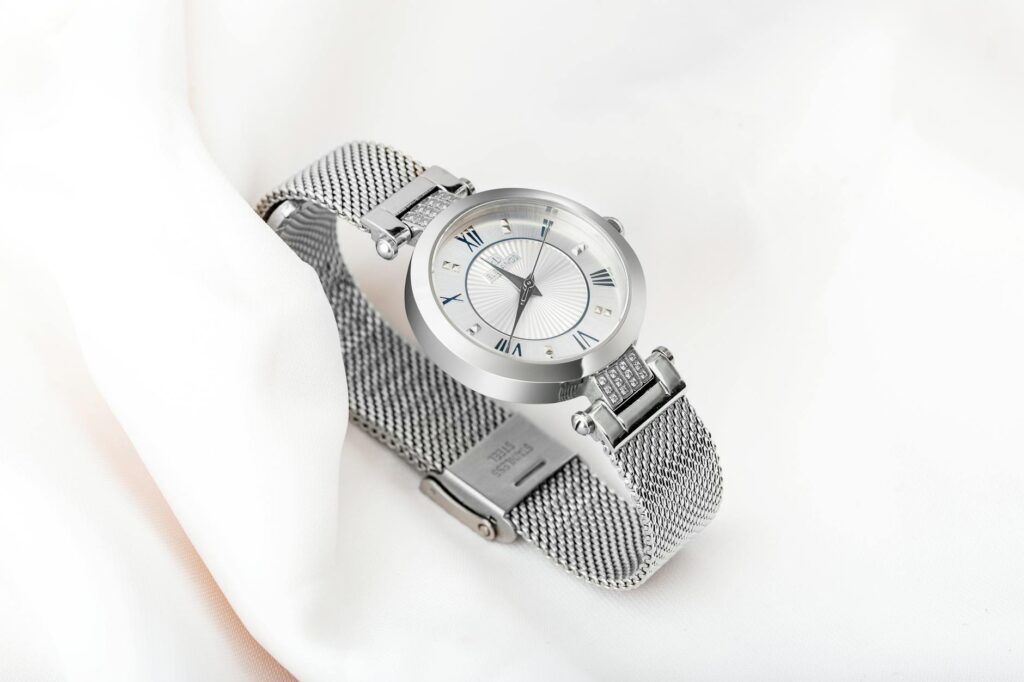
The design and finish of the watch case and bracelet play a vital role in both the comfort and the overall aesthetic of a silver watch. Brushed finishes are adept at subtly masking minor scratches that can accumulate over time, making them an excellent choice for everyday wear. In contrast, polished surfaces reflect light beautifully, lending an air of sophistication and luxury, though they may show scratches more readily. Many modern watches feature a combination of both brushed and polished elements to create visual interest and highlight specific design features. The bracelet’s construction—whether it’s a solid link, folded link, or mesh design—also impacts the watch’s feel on the wrist and its visual weight. Comfort is really important, and a well-designed bracelet should sit snugly without pinching or feeling too loose.
How Do Movement Types Affect Watch Performance?
different types of watch movements is fundamental to appreciating a timepiece’s performance, accuracy, and maintenance needs. The three primary categories are quartz, automatic, and manual movements, each offering distinct advantages and catering to different user preferences.
Quartz Movement
Quartz watches are renowned for their exceptional accuracy and minimal maintenance requirements. Powered by a battery that sends an electrical current through a quartz crystal, causing it to vibrate at a precise frequency, these movements are incredibly reliable. They typically gain or lose only a few seconds per month, making them ideal for individuals who prioritize precision and convenience without the need for frequent adjustments or winding. Quartz movements are also generally more affordable and solid, making them a popular choice for daily wear and entry-level timepieces.
Automatic Movement
Automatic, or self-winding, watches appeal to enthusiasts who appreciate the intricate mechanical craftsmanship involved in watchmaking. These timepieces are powered by a mainspring that’s wound automatically by the motion of the wearer’s wrist. A rotor, a semi-circular weight, spins with wrist movements, transferring energy to the spring. Automatic watches offer a connection to traditional watchmaking heritage and don’t require a battery. While they may not be as precisely accurate as quartz movements (often gaining or losing several seconds per day), their appeal lies in the engineering marvel they represent. They require regular wear to maintain their power reserve. if left unworn for extended periods, they will stop and need to be reset and wound.
Manual Movement
Manual-wind watches offer the most traditional and engaging watchmaking experience. Like automatic watches, they’re powered by a mainspring, but this spring must be wound by hand using the crown on a daily or near-daily basis. This process connects the wearer directly to the watch’s operation, appealing to collectors and horology aficionados who value the ritual and heritage associated with mechanical timekeeping. Manual-wind movements often feature exquisite finishing and can be found in high-end timepieces, celebrated for their historical significance and the direct interaction they provide.
How to Style Silver Watches for Any Occasion?
The inherent versatility of a silver watch allows it to transition effortlessly from day to night, complementing a wide spectrum of formal and casual outfits. Its neutral metallic hue acts as a sophisticated accent that can elevate any ensemble without overpowering it.
Business Wear
In professional settings, a silver watch is an indispensable accessory. It pairs exceptionally well with tailored suits, crisp shirts, and blazers, adding a subtle yet definitive touch of polish and authority. Whether the watch features a minimalist dial or a more intricate design with complications, its silver tone conveys professionalism and attention to detail. For a conservative business environment, a watch with a simple leather strap or a refined stainless steel bracelet in a brushed finish strikes the perfect chord. In more creative or business-casual workplaces, bolder designs or watches with polished finishes can also be appropriate, demonstrating personal style within professional boundaries.
Casual Outfits
For everyday wear and casual settings, a silver watch offers an understated elegance that enhances any look. It can add a touch of class to a simple t-shirt and jeans, elevate a weekend sweater and chinos, or complement athleisure wear. The key is to match the watch’s style to the outfit’s overall vibe. A sporty silver chronograph might suit activewear, while a sleek, minimalist silver watch with a mesh bracelet can add a refined touch to a smart-casual ensemble. It provides a focal point without being ostentatious, proving that a well-chosen accessory can impact even the most relaxed outfits.
Evening and Formal Events
Even for formal occasions and evening events, a silver watch can be an appropriate choice, depending on its design. A slim, elegant dress watch with a polished silver case and a sophisticated bracelet or a fine leather strap can be a perfect accompaniment to a tuxedo or a formal gown. While gold tones are often traditionally favored for black-tie events, a well-chosen silver watch can offer a modern and equally refined alternative. Its cool metallic sheen complements darker attire and evening wear beautifully, adding a subtle sparkle.
Comparison of Different Silver Watch Types
| Feature | Quartz | Automatic | Manual |
|---|---|---|---|
| Accuracy | Very High | High | Moderate |
| Maintenance | Low | Medium | Medium to High |
| User Effort | None | Wrist Motion | Manual Winding |
| Style Appeal | Modern, Versatile | Classic, Craftsmanship | Vintage, Traditional |
| Ideal For | Daily Use, Reliability Seekers | Enthusiasts, Watch Lovers | Collectors, Purists |
| Typical Price Range | Affordable to Mid-Range | Mid-Range to Luxury | Mid-Range to Luxury |
Key Buying Features for Silver Watches
When selecting a silver watch, several key features contribute to its overall value, durability, and user satisfaction. Prioritizing these aspects will help ensure you choose a timepiece that meets your needs and expectations for years to come.
- Water Resistance: Essential for daily wear, water resistance ratings (e.g., 30m, 50m, 100m) indicate the watch’s ability to withstand splashes, rain, or even submersion. Choose a rating appropriate for your lifestyle. 50m is generally sufficient for everyday activities, while 100m or more is recommended for swimming or water sports.
- Scratch-Resistant Glass: The clarity and longevity of the watch face depend heavily on the crystal material. Sapphire crystal is the industry standard for high-end watches due to its exceptional hardness and resistance to scratches. Mineral crystal is more common in affordable watches but is more prone to scratching. Look for sapphire or at least hardened mineral glass.
- Secure Clasp: A comfortable and secure clasp ensures the watch stays safely on your wrist. Options range from simple tang buckles on leather straps to folding clasps with safety catches on metal bracelets. A well-designed clasp prevents accidental opening and feels stable during wear.
- Movement Type: As discussed earlier, consider whether you prefer the precision of quartz, the mechanical artistry of automatic, or the traditional engagement of manual winding. Each has implications for accuracy, maintenance, and cost.
- Case Material & Finish: While most silver watches are stainless steel, variations exist. Consider the case diameter and thickness for comfort and aesthetic balance on your wrist. The finish (brushed, polished, or a combination) affects the watch’s visual appeal and resilience to minor scratches.
- Bracelet/Strap Material: Stainless steel bracelets come in various styles (oyster, jubilee, mesh), each offering a different look and feel. Leather straps offer classic elegance and comfort but require more care and are less water-resistant. NATO straps provide durability and a casual, sporty look.
Care and Maintenance of Silver Watches
Proper care and maintenance are vital to preserving the beauty and functionality of your silver watch, ensuring it remains a cherished accessory for years to come. Adhering to a regular maintenance schedule will help prevent damage and keep your timepiece looking its best.
- Regular Cleaning: Wipe down your watch regularly with a soft, dry microfiber cloth to remove fingerprints, dust, and light smudges. For more thorough cleaning of a stainless steel watch, use a damp cloth (water only) and dry immediately. If the watch has a metal bracelet, you can use a soft brush (like a toothbrush) with a little mild soap and water to clean between the links, ensuring thorough rinsing and drying afterward. Always ensure the crown is pushed in or screwed down before cleaning.
- Avoid Chemicals: Harsh chemicals, solvents, perfumes, and cosmetics can damage the watch case, bracelet, seals, and crystal. Always put on your watch after applying lotions, perfumes, or hairspray. Avoid exposing your watch to cleaning agents, even household ones, unless In particular recommended for watch care.
- Storage: When not in use, store your silver watch in a dry, cool place, ideally in its original box or a soft pouch to prevent scratches from other jewelry or hard surfaces. If you own multiple watches, a watch box with individual compartments is ideal.
- Water Resistance Checks: If your watch is water-resistant, remember that seals can degrade over time. It’s advisable to have the water resistance checked periodically, especially if you regularly expose the watch to water.
- Professional Servicing: Mechanical watches (automatic and manual) require periodic servicing by a qualified watchmaker, typically every 3-5 years, to clean, lubricate, and regulate the movement. This ensures optimal performance and longevity. Quartz watches generally require less frequent servicing, mainly for battery replacement.
Who Should Opt for a Silver Watch?
A silver watch is an exceptionally versatile choice, making it suitable for a broad range of individuals. it’s perfect for those who seek elegance without extravagance, offering a sophisticated aesthetic that doesn’t demand excessive attention. Professionals appreciate its polished look that complements business attire. Students can benefit from durable, reliable models that add a touch of maturity to their style. Collectors are drawn to the historical significance and diverse designs available within the silver watch category. In the end, anyone looking for a dependable, stylish, and adaptable timepiece that transcends fleeting trends will find a silver watch to be an excellent investment.
Frequently Asked Questions
Is a silver watch suitable for daily wear?
Absolutely. High-quality silver watches, especially those made from stainless steel with durable crystals like sapphire, are designed for daily wear. Their resilience to scratches and corrosion, combined with their versatile style, makes them an ideal choice for an everyday timepiece.
Does the silver color fade over time?
High-quality stainless steel, the primary material for silver-toned watches, doesn’t fade or tarnish in the way that sterling silver might. With regular care and cleaning using a soft cloth, its finish will maintain its luster for many years. Cheaper alloys or plated metals might show wear over time, but reputable brands use materials that are designed to last.
Which movement is best for beginners?
For beginners, a quartz movement is generally recommended. These watches are known for their exceptional accuracy, require very little maintenance (primarily battery changes), and are often more affordable. This allows new watch enthusiasts to enjoy a reliable and stylish timepiece without the complexities or higher costs associated with mechanical movements.
Can a silver watch match all outfits?
Yes, silver possesses a neutral metallic tone that complements virtually all colors and styles. Whether you’re wearing bright colors, earthy tones, or classic black and white, a silver watch acts as a sophisticated accent that harmonizes effortlessly with your attire.
What’s the best way to clean a silver watch?
For regular cleaning, a soft, dry microfiber cloth is best for removing fingerprints and dust. For a stainless steel watch and bracelet, you can use a slightly damp cloth with water, or for more stubborn dirt, a soft brush with mild soap and water, followed by thorough rinsing and immediate drying. Avoid harsh chemicals and abrasive materials to preserve the finish.
Are two-tone watches still in style in 2026?
Yes, as noted by Vogue in July 2025, two-tone watches are making a significant comeback. Many of these contemporary designs incorporate substantial silver elements, often paired with yellow gold or rose gold accents, appealing to a wide audience looking for versatile metallic finishes.
Common Buying Mistakes to Avoid
To ensure satisfaction and long-term enjoyment of your silver watch purchase, it’s wise to be aware of common pitfalls. Avoiding these mistakes can save you potential disappointment and ensure you acquire a timepiece that truly suits you.
- Ignoring Movement Type: Failing to understand the differences between quartz, automatic, and manual movements can lead to purchasing a watch that doesn’t align with your lifestyle or preferences for maintenance and accuracy.
- Overlooking Comfort and Fit: A beautiful watch that’s uncomfortable to wear will likely remain in its box. Always consider the watch’s weight, case dimensions, and bracelet/strap design to ensure it sits well on your wrist. Try it on if possible, or research reviews focusing on wearability.
- Prioritizing Style Over Durability: While aesthetics are important, neglecting Key durability features like water resistance, scratch-resistant crystal, and a secure clasp can lead to premature damage or a watch that’s unsuitable for your daily activities.
- Skipping Warranties and Research: Always purchase from reputable dealers and ensure the watch comes with a manufacturer’s warranty. Understand the warranty terms and conditions. Researching the brand’s reputation for quality and customer service is also highly recommended.
- Not Considering Resale Value: While not the primary factor for most, if resale value is a concern, certain brands and models hold their value better than others. Researching this aspect can be beneficial for investment-minded buyers.
Conclusion
In 2026, the silver watch continues to stand as a beacon of timeless elegance and practical sophistication. Its inherent versatility, combined with advancements in materials and movements, ensures its enduring appeal across diverse styles and occasions. From the boardroom to casual weekends, a well-chosen silver watch offers a reliable and stylish statement piece. By materials, movements, and key buying considerations, consumers can confidently select a timepiece that not only tells time but also enhances their personal style for years to come.
Source: Britannica
Related Articles
- The Timeless Elegance of Platinum Rings: A complete Guide 2026
- Top Reasons to Choose a Diamond Bracelet in 2026
- Engagement Ring Shopping Wilton: What You MUST Know
Editorial Note: This article was researched and written by the Wilton Jewelers editorial team. We fact-check our content and update it regularly. For questions or corrections, contact us.