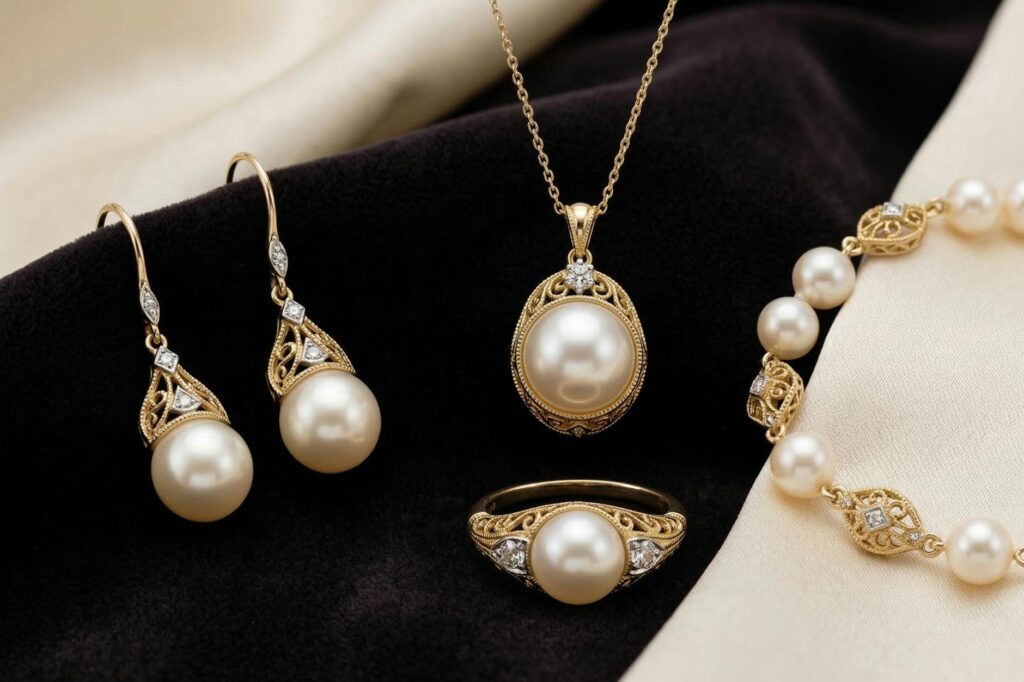
Uncover the Most Valuable Vintage Jewelry to Look For
The pursuit of vintage jewelry offers a fascinating blend of history, artistry, and potential financial reward. Identifying the most valuable vintage jewelry pieces involves understanding key indicators such as historical significance, rarity, exceptional craftsmanship, the quality of materials used, and, critically, the condition of the piece. By recognizing these markers, collectors and enthusiasts can more effectively identify truly worthwhile treasures. To uncover these hidden gems, it’s essential to know which historical eras and specific details contribute most to a piece’s value and desirability in the current market of 2026.
Last updated: April 18, 2026
Latest Update (April 2026)
In early 2026, the vintage collectibles market continues to see strong interest, with jewelry remaining a significant segment. Recent reports highlight the enduring appeal of well-preserved pieces from iconic design eras. For instance, as House Beautiful recently noted on April 7, 2026, certain ‘everyday’ antique items — which can often be found in thrift stores, are proving to be shockingly valuable, a principle that extends to overlooked vintage jewelry pieces. This highlights the importance of looking beyond obvious luxury markers. and, the world of collectibles was recently abuzz with news of a record-breaking comic book find, with ‘Superman No. 1’ selling for $9.12 million, as reported by hypebeast.com on November 20, 2025. While not jewelry, such high-profile sales in adjacent markets demonstrate a solid appetite for rare and historically significant items, suggesting that exceptional vintage jewelry also holds significant potential for appreciation.
What Makes Vintage Jewelry Most Valuable?
The most valuable vintage jewelry pieces are those that exhibit a confluence of historical importance, rarity, exquisite craftsmanship, high-quality materials, and exceptional condition. Pieces originating from influential historical periods, created by renowned jewelers, or featuring rare and significant gemstones are especially prized. The narrative and provenance of a piece can also dramatically enhance its value, adding a layer of desirability beyond its intrinsic material worth. Collectors and investors are increasingly looking for items that tell a story and represent a significant moment in design or history.
Historical Significance and Eras
historical context is really important. Key eras that consistently yield valuable vintage jewelry include:
- Georgian Era (c. 1714-1837): Characterized by elaborate designs, often featuring large gemstones like diamonds, rubies, and emeralds, set in gold or silver. Pieces from this era are rare and highly sought after.
- Victorian Era (c. 1837-1901): Known for its romanticism, mourning jewelry (often using jet or hair), intricate gold filigree, nature motifs (serpents, flowers), and the popularization of cameos and lockets. The discovery of diamonds in South Africa during this period also led to increased availability of diamond jewelry.
- Edwardian Era (c. 1901-1910): Often referred to as the “Gilded Age” or “Belle Époque,” this period is celebrated for its delicate, lacy designs, platinum settings, diamonds, and feminine motifs like garlands and scrolls. The use of platinum allowed for lighter, more intricate settings.
- Art Nouveau (c. 1890-1910): This movement is defined by its organic, flowing lines inspired by nature, featuring motifs like insects, flowers, and mythical creatures. Enameling (plique-à-jour and champlevé) and materials like horn and ivory were common, alongside gemstones. Louis Comfort Tiffany was a prominent figure during this period, known for his stained glass and jewelry designs.
- Art Deco (c. 1920-1939): A stark contrast to Art Nouveau, Art Deco jewelry is characterized by bold geometric shapes, strong lines, symmetry, and the use of contrasting colors. Platinum and white gold were favored, set with diamonds, sapphires, emeralds, and rubies. Architectural influences are evident in the designs.
Rarity and Exclusivity
Rarity is a key driver of value. You can stem from limited production runs, the use of scarce materials, or the survival of only a few pieces from a particular designer or collection. Unique, one-of-a-kind pieces or jewelry made for specific historical events or individuals often command premium prices due to their inherent exclusivity.
Craftsmanship and Quality
The skill and artistry involved in creating a piece impact its value. Hand-crafted jewelry, especially from periods when meticulous workmanship was the norm, is highly prized. Look for:
- Intricate settings: Secure and detailed settings for gemstones.
- Fine metalwork: Smooth, polished surfaces, precise engraving, and well-executed filigree or granulation.
- Attention to detail: Even the back of a piece should show good construction and finishing.
Materials and Gemstones
The quality and type of materials used are fundamental. High-carat gold (14k, 18k, 22k), platinum, and sterling silver are desirable. For gemstones, rarity, clarity, cut, and color are Key. While diamonds, rubies, sapphires, and emeralds are perennial favorites, vintage pieces featuring exceptional opals, garnets, amethysts, or pearls can also be very valuable. As experts from the Gemological Institute of America (GIA) consistently emphasize, understanding gemstone quality is key to accurate valuation.
Which Vintage Jewelry Eras Are Most Valuable?
While all vintage eras have their appeal, certain periods consistently yield the most valuable pieces due to their unique aesthetic, historical context, and the rarity of surviving examples. As mentioned, the Victorian era remains highly sought after, especially pieces that exemplify its romanticism and intricate craftsmanship, such as elaborate mourning jewelry or pieces featuring natural motifs. The subsequent Edwardian era is also a prime target for collectors, with its elegant, delicate diamond and platinum creations representing a peak of fine jewelry artistry. The Art Nouveau period, celebrated for its artistic fluidity and nature-inspired themes, offers unique pieces that stand out for their imaginative designs, especially those by influential figures like Louis Comfort Tiffany. The bold, geometric aesthetics of the Art Deco period continue to captivate, with strong demand for pieces that showcase striking designs and high-quality gemstones set in platinum or white gold.
Recent market observations suggest that pieces which perfectly encapsulate the signature style of these eras, especially those in excellent condition, are commanding significant prices. According to Coveteur’s insights on September 26, 2025, accessing exclusive vintage showrooms in cities like Paris can provide a curated selection of such high-value items, though similar treasures can still be found with diligent searching in less obvious locales.
Identifying Specific Styles and Motifs
Beyond the era, specific styles and motifs are strong indicators of value and desirability. Recognizing these can help you spot a potential treasure:
Filigree
This delicate, lace-like metalwork, often created by hand, was a hallmark of Victorian and Edwardian jewelry. Intricate filigree work, especially in gold, signifies skilled craftsmanship and adds significant aesthetic appeal.
Natural Motifs
Common in Victorian and Art Nouveau pieces, these include representations of flowers, leaves, insects (butterflies, dragonflies), birds, and serpents. The artistry and detail in these naturalistic designs contribute to their value.
Geometric Patterns
The defining characteristic of Art Deco jewelry. Look for strong lines, chevrons, zigzags, sunbursts, and stepped motifs. The precision and boldness of these designs are highly valued.
Other Valued Styles
- Cameos and Intaglios: Carved profiles, popular in the Victorian era, especially those carved from high-quality materials like shell or hardstone.
- Pave Settings: A technique where small gemstones are set closely together, creating a surface of continuous sparkle. Highly valued in Edwardian and Art Deco pieces.
- Enameling: Techniques like plique-à-jour (enamel resembling stained glass) and champlevé (filled-in areas) add color and artistry, especially in Art Nouveau and Belle Époque pieces.
What Hallmarks and Signatures Indicate Value?
Hallmarks, maker’s marks, and signatures are Key for authenticating vintage jewelry and are significant indicators of value. These small stamps provide vital information about the piece’s origin, the manufacturer, the date of production, and the purity of the metal.
Metal Purity Marks
For gold jewelry, look for hallmarks indicating karat purity. Common marks include:
- Europe: 375 (9k), 585 (14k), 750 (18k), 916 (22k), 999 (24k).
- USA: 10K, 14K, 18K, 24K.
For silver, marks like “Sterling,” “925,” or “800” indicate purity.
Maker’s Marks and Signatures
Identifying the maker is often key to unlocking a piece’s true value. Reputable brands and designers command higher prices. Look for marks from prestigious houses such as:
- Cartier
- Tiffany &. Co.
- Van Cleef &. Arpels
- Bvlgari
- Chopard
- David Webb
Pieces signed by renowned individual artists or designers from specific periods (e.g., Georges Fouquet for Art Nouveau, Paul Flato for Art Deco) are exceptionally valuable.
Importance of Provenance
Provenance, the documented history of ownership, can enhance a piece’s value. A compelling story, such as a piece belonging to royalty, a famous personality, or having been featured in historical events, adds a layer of desirability that transcends material worth. As Veranda.com highlighted on September 15, 2025, certain rare antique glassware finds are always worth buying at vintage stores, a principle that applies similarly to jewelry with a strong historical lineage.
Frequently Asked Questions
Why is provenance important for vintage jewelry?
Provenance provides a documented history of a piece — which can include its original owner, significant events it was associated with, or its exhibition history. This narrative adds cultural and historical value, often making a piece more desirable and valuable to collectors than its material components alone might suggest. It confirms authenticity and can link the item to a notable person or period.
Can condition affect the value of vintage jewelry?
Absolutely. The condition of vintage jewelry is one of the most critical factors influencing its value and desirability. Pieces that are well-preserved, free from significant damage (like deep scratches, chips, missing stones, or structural weaknesses), and retain their original luster and detail are far more valuable than those that are worn or damaged. Expert restoration can sometimes improve value, but original condition is typically preferred by serious collectors.
Which gemstones are most desirable in vintage pieces?
While classic gemstones like diamonds, rubies, sapphires, and emeralds are always in demand, certain rarer gemstones or specific types of cuts are especially prized in vintage jewelry. Old European Cut (OEC) and Old Mine Cut (OMC) diamonds, with their unique fire and brilliance, are highly sought after. Rarer colored gemstones such as fine Burmese rubies, Kashmir sapphires, Colombian emeralds, and exceptional opals or alexandrites can increase a piece’s value. Pearls, especially natural or high-quality cultured pearls with a beautiful luster, are also very desirable.
Are pieces without hallmarks valuable?
Yes, pieces without hallmarks can still be valuable, especially if they’re exceptionally well-made, feature high-quality gemstones, or are representative of a significant design period. Unmarked pieces might be older (pre-hallmarking era), custom-made, or by makers who didn’t consistently hallmark their work. In such cases, value is determined by design, craftsmanship, materials, and historical context, often requiring expert appraisal.
Does brand influence vintage jewelry value?
Brand recognition plays a significant role in the value of vintage jewelry. Pieces from established luxury houses like Cartier, Tiffany &. Co., Van Cleef &. Arpels, and Bvlgari often command higher prices due to their reputation for quality, design, and craftsmanship. Limited edition pieces or iconic designs from these brands are especially sought after by collectors. Even pieces from lesser-known but historically significant makers can gain value as awareness of their artistry grows.
Conclusion
Uncovering the most valuable vintage jewelry in 2026 requires a discerning eye for historical significance, rarity, superior craftsmanship, quality materials, and pristine condition. By characteristics of desirable eras, styles, and motifs, and by knowing the importance of hallmarks and provenance, enthusiasts can confidently Deal with the world of vintage treasures. Whether seeking a significant investment or a piece with deep sentimental value, the principles outlined here provide a solid foundation for making informed discoveries. Continue to research, consult expert resources like the GIA, and explore reputable dealers and auction houses to enhance your knowledge and collection. As demonstrated by the ongoing interest in collectibles, from antique glassware to record-setting comic books, the allure and value of well-preserved vintage items continue to grow.
Source: GIA (Gemological Institute)
Related Articles
- Gold Rings Wilton CT: Avoid These Common Buyer Blunders
- Couples Jewelry Trends: What's Hot Now?
- How Much to Spend on Engagement Ring
Editorial Note: This article was researched and written by the Wilton Jewelers editorial team. We fact-check our content and update it regularly. For questions or corrections, contact us.