
This guide covers everything about automatic vs quartz watch which is better. Automatic vs. quartz watch: which is better for you? In the dynamic world of horology in 2026, the choice between an automatic and a quartz watch remains a central decision for enthusiasts and everyday wearers alike. If absolute precision and minimal upkeep are your primary goals, quartz watches may edge out. However, if you admire intricate craftsmanship, mechanical artistry, and a connection to horological tradition, automatic watches might resonate more deeply. Let’s dive deeper into the distinctions and discover which aligns best with your lifestyle and preferences.
Last updated: April 18, 2026
Latest Update (April 2026)
Recent industry discussions, as highlighted by publications like Monochrome Watches in late 2025, continue to explore the fundamental differences between mechanical and quartz timekeeping, emphasizing that both have distinct appeals in the modern era. While advancements in smartwatches, like the Apple Watch, aim to mimic traditional watch functions, the core appeal of mechanical and quartz watches persists. As reported by The New York Times in June 2025, innovations in miniaturizing watch movements are leading to significant changes, potentially impacting the design and complexity of both automatic and some high-end quartz movements, though traditional mechanical watchmaking remains a cornerstone of the industry. and, the market continues to see solid competition in the affordable dive watch segment, with models like the Citizen Promaster BN0151 and Orient Mako II being frequently reviewed and recommended for their value, as noted by sources like Two Broke Watch Snobs in early 2026.
What Makes Automatic Watches Unique?
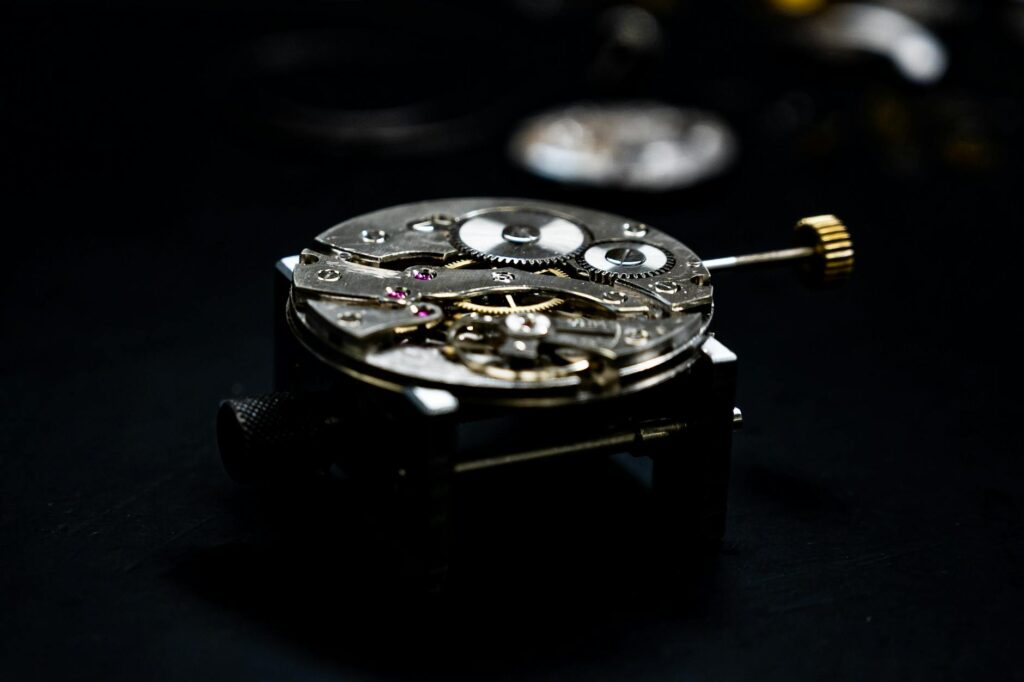
Automatic watches are a testament to mechanical ingenuity. they’re powered by the natural movement of your wrist, featuring a rotor that winds the mainspring as you move throughout your day. This offers a captivating, battery-free experience and connects the wearer directly to the intricate workings of the timepiece. they’re marvels of micro-engineering, often prized for their complexity, the skill involved in their assembly, and their storied history within horology. Renowned brands like Rolex, Patek Philippe, and Omega have built their legacies on these self-winding mechanisms, admired by collectors and connoisseurs worldwide for their enduring appeal and craftsmanship. These watches are appreciated not just for their function but for the tangible connection they provide to the art of watchmaking, a stark contrast to the often sealed units of quartz movements.
Why Choose a Quartz Watch?
Quartz watches represent the pinnacle of accuracy, reliability, and convenience in timekeeping. A battery-powered quartz crystal oscillates at an incredibly high frequency (typically 32,768 Hz), ensuring exceptional precision. This high frequency makes quartz movements ideal for those who value dependability and want their watch to keep near-perfect time without the fuss of regular servicing or manual winding. From accessible brands like Timex and Casio to luxury offerings from Seiko and even high-end fashion houses incorporating quartz movements, these watches appeal to a broad spectrum of consumers seeking simplicity and unwavering reliability in their daily wear. As Hodinkee pointed out in mid-2022, for many, the argument for quartz’s superior accuracy is simply irrefutable.
Accuracy: The Core Difference
quartz watches are the undisputed champions. They typically deviate only a few seconds per month, a remarkable feat of modern technology. In contrast, automatic watches, while impressive mechanical feats, might gain or lose several seconds per day. This difference is inherent to their power source and mechanism. Quartz watches rely on the stable oscillation of a crystal, while automatic watches depend on a balance wheel and spring system that’s susceptible to external factors like gravity, temperature, and shocks. For individuals who require utmost precision for their daily schedule or professional needs, quartz is the clear winner. However, for those enchanted by the intricate dance of gears, springs, and levers, an automatic watch’s charm and slight deviations can be part of its character and appeal.
Maintenance Needs: A Tale of Two Systems
The maintenance requirements for automatic and quartz watches diverge significantly. Automatic watches, with their hundreds of tiny moving parts, demand regular servicing approximately every 3 to 5 years. This complete servicing involves cleaning, lubricating, and adjusting the movement — which can be a costly affair, often ranging from several hundred to over a thousand dollars depending on the brand and complexity. Here’s akin to tuning a fine musical instrument to maintain its optimal performance and longevity. Quartz watches, But — are low-maintenance. Their primary need is a battery replacement every few years, a simple and inexpensive procedure. Unless the quartz movement itself fails — which is less common and often remedied by replacing the entire movement at a lower cost than servicing a mechanical watch, they require minimal attention.
Cost and Value: Investment vs. Accessibility
The cost of automatic watches generally starts higher and can reach astronomical figures, largely due to the intricate engineering, craftsmanship, and heritage associated with them. Brands like Audemars Piguet and Vacheron Constantin exemplify the high-end of mechanical watchmaking — where price reflects not just the timekeeping device but also the artistry and exclusivity. Automatic watches can offer lasting value and can sometimes appreciate over time, especially vintage pieces or limited editions from esteemed manufacturers. Quartz watches, while typically more affordable, provide excellent reliability and accuracy for their price point, making them superb value for money, especially for everyday wear or for those new to watch collecting. While they may not typically hold or increase in value like many mechanical counterparts, their accessibility and performance are undeniable.
The Role of Smartwatches and Modern Timekeeping
The advent of smartwatches has introduced another layer to the timekeeping discussion. Devices like the Apple Watch offer functionalities far beyond mere time display, integrating health tracking, communication, and a bunch of apps. While some smartwatches can be programmed to display traditional watch faces, their core technology is digital and battery-dependent, differing from both automatic and quartz watches. As noted by 9to5Mac in December 2025, efforts are made to make smartwatches emulate traditional watch behaviors, but they occupy a different category of wearable technology. For those seeking a pure, mechanical or quartz-based horological experience, smartwatches serve a different purpose, often complementing rather than replacing traditional timepieces.
Which Watch is Best Suited for You?
The choice between an automatic and a quartz watch ultimately boils down to personal preference, lifestyle, and what you value most in a timepiece. If you cherish tradition, appreciate the artistry of mechanical engineering, and enjoy the subtle nuances of a watch powered by your own movement, an automatic watch is likely your perfect match. Brands like Grand Seiko and Longines offer exceptional mechanical options that blend heritage with modern appeal. But — if your priority is unwavering accuracy, low maintenance, and a cost-effective yet reliable timekeeping solution, a quartz watch is the sensible choice. Many reliable and stylish quartz watches are available from brands like Citizen, Bulova, and Tissot, offering excellent performance for daily use.
Conclusion
In 2026, the debate between automatic and quartz watches continues, not as a competition of superiority, but as a celebration of diverse horological approaches. Quartz watches offer unparalleled accuracy and convenience, making them ideal for the pragmatist. Automatic watches provide a captivating connection to mechanical artistry and tradition, appealing to the enthusiast and collector. Consider your daily routine, your appreciation for craftsmanship, and your budget. Whether you’re drawn to the silent, precise hum of a quartz crystal or the intricate, rhythmic beat of a mechanical movement, the perfect timepiece awaits to accompany you through the years.
Frequently Asked Questions
Is quartz more durable than automatic?
Generally, yes. Quartz watches typically have fewer moving parts than automatic watches, making them more resistant to shocks and vibrations. This inherent simplicity often translates to greater durability for everyday wear and more demanding activities.
Do automatic watches require a battery?
No, automatic watches don’t require batteries. they’re powered by the kinetic energy generated from the movement of the wearer’s wrist — which winds the mainspring. If an automatic watch isn’t worn for an extended period, it will stop running and will need to be rewound manually or placed on a watch winder.
How often should I service my automatic watch?
Experts recommend servicing an automatic watch every 3 to 5 years. Regular servicing ensures that the lubricants remain effective, all parts are functioning correctly, and any potential issues are addressed before they cause significant damage. This maintenance is Key for the longevity and accuracy of the mechanical movement.
Can quartz watches be repaired?
Yes, quartz watches can be repaired, but the cost-effectiveness varies greatly. Minor issues, such as battery replacement or strap changes, are straightforward. However, if the quartz movement itself fails, repairs can sometimes be more expensive than purchasing a new watch, especially for less intricate or entry-level models. High-end quartz watches may offer more economical repair options.
Which watch type is a better investment?
For investment potential, automatic watches, especially those from prestigious luxury brands with a history of value retention or appreciation, are generally considered better investments. Collectible vintage pieces or limited editions from renowned manufacturers can hold or increase their value over time. Quartz watches are typically valued for their performance and affordability rather than their investment potential, although some rare or historically significant quartz models might exist.
Source: Britannica
Related Articles
- Maid of Honor Speech: Nail Yours, Don't Wing It
- Timeless Elegance: The Herringbone Necklace Style Guide 2026
- Diamond Testers: Expert Tips for 2026
Editorial Note: This article was researched and written by the Wilton Jewelers editorial team. We fact-check our content and update it regularly. For questions or corrections, contact us.