
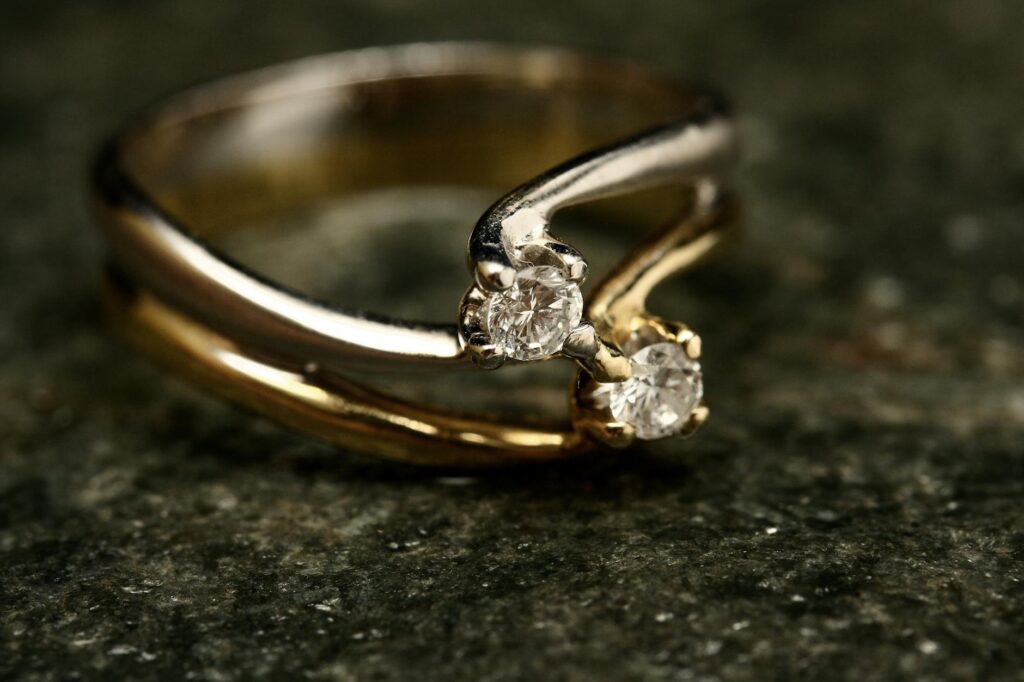
This guide covers everything about Platinum vs. Gold: Which Metal Reigns Supreme?. When choosing between the enduring appeal of platinum and the timeless allure of gold, many find themselves at a crossroads. Both precious metals have captivated humanity for centuries, symbolizing wealth, status, and beauty. However, a closer examination of their unique properties, market dynamics, and practical applications reveals distinct advantages. While gold boasts a rich history and broad accessibility, platinum often emerges as the superior choice for those prioritizing rarity, exceptional durability, and a distinctive bright white luster. The decision ultimately hinges on individual priorities, whether for an investment portfolio, a significant piece of jewelry, or an industrial application.
Last updated: April 18, 2026
Latest Update (April 2026)
As of April 2026, the precious metals market continues to be influenced by evolving global economic conditions and geopolitical stability. Recent reports from sources like Investing News Network on April 15, 2026, indicate a relief rally in gold, silver, and platinum group metals (PGMs), partly fueled by hopes of a peace deal in Iran. This suggests that geopolitical events remain a significant driver for precious metal prices, impacting both investment and industrial demand. and, analyses like those from BullionVault on April 1, 2026, provide ongoing forecasts for gold, silver, platinum, and palladium, underscoring the dynamic nature of these markets for investors in 2026. The Motley Fool also highlighted strategies for investing in platinum stocks for 2026, indicating continued investor interest in platinum’s potential, as reported on April 13, 2026.
History and Significance
Gold has been revered across civilizations for over 5,000 years. Its intrinsic value and malleability made it ideal for coinage, intricate jewelry, and religious artifacts, cementing its status as a universal symbol of wealth and power. From the opulent treasures found in ancient Egyptian tombs to the vast reserves held by central banks today, gold’s legacy is unparalleled. Its consistent appeal has made it a benchmark for value and a hedge against economic uncertainty throughout history.
Platinum, in contrast, has a more recent history of widespread appreciation. First identified and explored in South America during the 17th century, it was initially considered a nuisance, often referred to as ‘white gold’ and discarded as an impurity in gold mining. However, its remarkable density, silvery-white appearance, and extreme rarity soon distinguished it. By the 19th and 20th centuries, platinum began to be recognized for its luxury appeal, favored for high-end jewelry and its unique industrial properties, eventually becoming associated with exclusivity, prestige, and latest applications.
Comparison of Physical Properties
The physical characteristics of platinum and gold are different, influencing their suitability for various applications, especially in jewelry and industrial uses.
| Factor | Gold | Platinum |
|---|---|---|
| Density | 19.3 g/cm³ (pure) | 21.4 g/cm³ (pure) |
| Color | Yellow (varies with alloys like rose and white gold) | Naturally bright white |
| Melting Point | 1,064 °C (1,947 °F) | 1,768 °C (3,214 °F) |
| Hardness & Durability | Softer (requires alloys for strength) | Very hard and durable (resists scratching and wear) |
| Corrosion Resistance | Good, but can be affected by certain chemicals | Excellent, highly resistant to corrosion and tarnish |
Gold’s softness means that for practical use in jewelry, it’s almost always alloyed with other metals like copper, silver, or nickel to increase its durability. The karat system (10K, 14K, 18K, 24K) denotes the purity of gold, with 24K being pure gold. While alloys allow for different colors, they also reduce the gold’s inherent value and can make it more susceptible to wear over time.
Platinum is naturally dense, heavier than gold, and exceptionally hard. Its high melting point presents a challenge for jewelers but contributes to its remarkable longevity. Unlike gold, platinum jewelry is typically made from 90-95% pure platinum, with only small amounts of other metals added for casting. This high purity means platinum jewelry is exceptionally resistant to tarnishing and wear, maintaining its luster year after year. Users report that platinum jewelry maintains its original bright finish for decades, often developing a unique patina rather than showing signs of damage.
Supply and Demand in the Market
The market dynamics for gold and platinum are shaped by distinct supply and demand factors.
Gold, being a globally recognized store of value, experiences consistent demand from central banks, investors seeking safe-haven assets, and the jewelry industry. Its demand often surges during periods of economic uncertainty, inflation, or geopolitical instability, as investors flock to its perceived security. As Yahoo Finance noted in a comparison on April 13, 2026, gold has historically been a significant performer for investors over extended periods. While its price can fluctuate, its broad appeal ensures a relatively stable, albeit sometimes volatile, market.
Platinum’s demand is more closely tied to specific industrial applications, most notably in the automotive sector. As reported by Investing News Network on April 15, 2026, platinum group metals (PGMs) can experience price rallies influenced by geopolitical developments — which can impact supply chains. Platinum is a critical component in catalytic converters, essential for reducing vehicle emissions. So, demand for platinum is heavily influenced by automotive production levels and evolving emissions regulations worldwide. As The Motley Fool reported on April 13, 2026, interest in platinum stocks for 2026 suggests that industrial demand, especially in automotive and potentially new technological applications, continues to be a key factor for investors.
Supply for both metals is concentrated in specific geographical regions. Major gold-producing countries include China, Australia, and Russia. Platinum mining is dominated by South Africa and Russia. Disruptions in these key regions, whether due to political instability, labor strikes, or environmental concerns, can impact the global supply and price of both metals.
Pricing Trends and Investment Potential
When considering investment, both gold and platinum offer unique opportunities, but with different risk profiles and return potentials. As of April 2026, market analysts continue to monitor trends.
Gold is widely regarded as a stable investment, especially in times of economic downturn. Its historical performance as a hedge against inflation and currency devaluation makes it a staple in diversified investment portfolios. Investors often turn to gold ETFs, futures contracts, physical bullion, and gold-backed securities. While gold prices can be influenced by interest rates and the strength of the U.S. dollar, its long-term value retention is a primary draw.
Platinum, while also a precious metal, exhibits greater price volatility. Its price is more sensitive to shifts in industrial demand, especially from the automotive sector, and to the supply dynamics from its concentrated mining regions. As BullionVault’s forecasts for 2026 indicate, platinum’s price trajectory can be influenced by factors beyond traditional investment hedging. Despite its volatility, platinum offers potential for significant gains, especially if new technological applications emerge or if automotive production experiences a strong resurgence. Investment avenues include physical platinum, platinum ETFs, and stocks of platinum mining companies, as highlighted by The Motley Fool’s analysis of best platinum stocks for 2026.
Industrial and Practical Uses
Beyond their aesthetic and investment value, both gold and platinum possess unique physical and chemical properties that make them indispensable in various industrial and technological applications.
Gold’s excellent conductivity and resistance to corrosion make it a vital component in electronics. it’s used in connectors, switches, and bonding wires in high-end electronic devices, ensuring reliable performance and longevity. Its biocompatibility also makes it useful in dentistry and certain medical implants. Gold is also used in specialized applications like aerospace components and dentistry.
Platinum’s exceptional catalytic properties are perhaps its most significant industrial contribution. it’s a key element in catalytic converters for vehicles, facilitating chemical reactions that convert harmful exhaust gases into less toxic substances. This application is Key for meeting environmental regulations. Platinum’s high melting point and resistance to corrosion also make it suitable for laboratory equipment, specialized crucibles, and certain high-temperature industrial processes. Emerging technologies in areas like fuel cells and advanced chemical processing continue to explore platinum’s unique capabilities, potentially driving future demand.
Frequently Asked Questions
Is platinum or gold more expensive?
Generally, platinum is more expensive than gold on a per-ounce basis due to its greater rarity and the more intensive refining process required. However, market prices fluctuate daily based on supply, demand, and global economic conditions. While platinum typically commands a higher price, there can be periods where gold prices surge narrowing the gap or even temporarily surpassing platinum.
Which metal is more durable for jewelry, especially rings?
Platinum is considered more durable for jewelry, especially for items like rings that experience daily wear and tear. Platinum is naturally harder and denser, making it highly resistant to scratching and denting. Unlike gold — which is often alloyed with other metals to increase hardness, platinum jewelry is usually composed of 90-95% pure platinum. This high purity ensures it maintains its shape and luster over time without requiring frequent polishing or repair. Gold, especially in lower karats, is softer and more prone to scratching and bending.
Is investing in gold safer than platinum?
Investing in gold is generally considered safer than investing in platinum, primarily due to gold’s long-standing reputation as a stable store of value and its broader market appeal. Gold is the preferred asset during economic crises and inflationary periods, consistently holding its value and often appreciating when other assets decline. Platinum, while valuable, is more susceptible to price volatility driven by industrial demand and supply-side issues, making its investment profile more dynamic and potentially riskier for conservative investors.
Can platinum jewelry tarnish over time?
No, platinum jewelry doesn’t tarnish. Unlike silver — which oxidizes and darkens over time, platinum is highly resistant to corrosion and chemical reactions. While platinum can develop a patina—a subtle, matte finish that occurs with wear—this isn’t the same as tarnishing and is often considered desirable by enthusiasts, adding character to the piece. The bright white luster of platinum is maintained exceptionally well over the years.
What’s better for electronics, gold or platinum?
For most electronics applications, gold is the preferred metal. Its superior electrical conductivity, excellent resistance to corrosion, and malleability make it ideal for intricate wiring, connectors, and circuit board components. While platinum also has excellent properties, including high melting point and catalytic capabilities, gold’s conductivity and ease of use in fine electronics give it the edge. As NerdWallet’s comparison of ‘metal credit cards’ on April 14, 2026, touches on material choices, it highlights how different metals are chosen for specific functional and aesthetic purposes. in electronics, gold’s conductivity is key.
Conclusion
The choice between platinum and gold is a nuanced one, deeply dependent on your priorities. For those seeking a timeless symbol of wealth with a stable investment profile and a rich historical legacy, gold remains an unparalleled option. Its broad market acceptance and role as a safe-haven asset make it a cornerstone of many financial strategies. But — platinum offers a compelling alternative for those who value extreme rarity, exceptional durability, and a naturally bright white elegance. Its increasing importance in industrial applications, coupled with its luxurious appeal, positions it as a premium choice for jewelry and a potentially rewarding, albeit more volatile, investment. As of April 2026, both metals continue to hold significant value, with platinum’s industrial demand and gold’s safe-haven status being key market drivers.
In the end, whether you’re purchasing jewelry, considering an investment, or exploring industrial applications, distinct characteristics of platinum and gold will guide you to the best decision for your needs.
Visit Wilton Jewelers to explore a curated selection of gold and platinum pieces, and receive personalized guidance from our experts.
Source: Britannica
Related Articles
- Jewelry Industry News: 2026 Trends &. Innovations
- Gold Price Forecast 2026: A Strategic Guide for Savvy Investors
- Achieve Financial Freedom: MyGreenBucks Net and Kenneth in 2026
Editorial Note: This article was researched and written by the Wilton Jewelers editorial team. We fact-check our content and update it regularly. For questions or corrections, contact us.