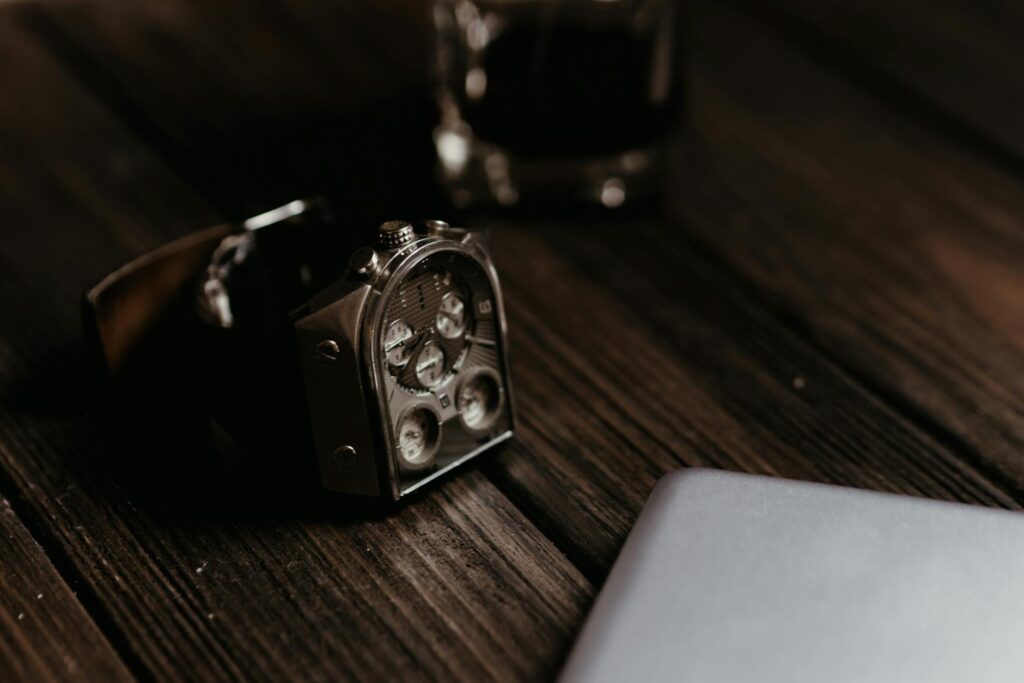
This guide covers everything about investing in watches complete beginner guide. Investing in watches involves choosing timepieces that not only keep time but grow in value. As a beginner, focusing on reliable brands, timeless designs, and understanding market nuances is key to building a smart portfolio in 2026. This guide will equip you with the knowledge to Deal with the watch market and make informed decisions, potentially turning your passion for horology into a valuable asset.
Last updated: April 18, 2026
Latest Update (April 2026)
The watch investment market continues to evolve, with a growing interest in pre-owned luxury timepieces. According to recent reports, the secondary market for watches saw significant activity in late 2025 and early 2026, driven by increased collector engagement and a desire for tangible assets. While traditional financial markets remain a primary focus for many investors, as highlighted by guides on index funds and AI stocks from sources like MSN and Britannica, the allure of watches as both a passion and a potential investment persists. As Forbes reported in early April 2026 regarding trading platforms, accessibility to the watch market is also improving, making it more feasible for beginners to participate. The British GQ’s selection of collector-picked investment watches in late 2025 also highlights the enduring desirability and perceived value of certain timepieces.
Introduction
Investing in watches as a beginner can be a deeply rewarding effort, provided it’s approached with the right knowledge, a clear strategy, and realistic expectations. The world of horology offers a unique intersection of craftsmanship, history, and potential financial appreciation. It’s essential to understand current market trends, the enduring value of reputable brands, and how to accurately assess a timepiece’s condition before committing capital. This complete guide is designed to help you confidently Deal with the watch market, enabling you to make informed decisions and build a collection that’s not only personally satisfying but also a sound financial asset.
What Makes a Watch a Good Investment?
Identifying a watch with strong investment potential requires looking beyond its aesthetic appeal and brand name. Several key factors contribute to a timepiece’s ability to hold its value and potentially appreciate over time. These include brand reputation, historical significance, production numbers, design timelessness, material quality, and overall condition.
Brand Heritage and Reputation
Certain watch brands have cultivated a legacy of excellence, craftsmanship, and desirability that translates directly into investment value. Brands like Rolex, Patek Philippe, and Audemars Piguet are consistently at the forefront due to their long-standing history, meticulous manufacturing processes, and strong global recognition. Their pieces are sought after by collectors worldwide, creating a stable demand that supports their value. As highlighted in discussions by British GQ in late 2025, collectors often gravitate towards brands with a proven track record of desirability and a rich heritage.
Timeless Design and Functionality
A truly great investment watch transcends fleeting fashion trends. Models with enduring, classic designs that remain appealing across generations are more likely to retain their value. Think of the iconic Rolex Submariner, the Omega Speedmaster Professional (Moonwatch), or the Patek Philippe Calatrava. These watches feature designs that are instantly recognizable and have remained largely unchanged, signifying their timeless appeal. and, the quality of the movement (the watch’s internal mechanism) and the overall build quality are critical. Reliable, well-engineered mechanical movements are highly valued by enthusiasts.
Rarity and Production Numbers
Limited production runs or discontinued models often command higher prices in the secondary market due to their scarcity. While major brands like Rolex produce watches in significant numbers, certain limited editions or special configurations can become highly collectible. Understanding production history and identifying rare variants can be a key strategy for finding undervalued pieces.
Condition and Completeness (The ‘Full Set’)
The condition of a watch is really important. A watch in excellent, original condition with minimal signs of wear will always be worth more than a heavily used or modified one. This includes the case, dial, hands, bezel, and crystal. Equally important, especially for higher-value pieces, is the presence of the original box, papers (warranty card, manuals, etc.), and any original accessories. This complete package, often referred to as a ‘full set,’ enhances a watch’s value and desirability for collectors.
Market Demand and Trends
While past performance isn’t indicative of future results, understanding current market demand is Key. Certain models or brands may experience periods of heightened popularity. Staying informed about what collectors and enthusiasts are seeking can help in making strategic purchases. Platforms like Chrono24, eBay, and specialized watch forums are valuable resources for gauging market sentiment and pricing.
Costs in Watch Investing
Investing in watches involves more than just the initial purchase price. A beginner must budget for various associated costs to protect their investment and maintain its condition. Understanding these expenses upfront is critical for financial planning.
Initial Purchase Price
The entry point for serious watch investment can vary widely. While highly coveted models from top-tier brands can cost tens or even hundreds of thousands of dollars, beginners can start with more accessible, yet still valuable, timepieces. Entry-level investment-grade watches might range from approximately $1,000 to $7,000. It’s often advisable to purchase watches in excellent condition to minimize immediate restoration costs.
Servicing and Maintenance
Mechanical watches, especially those with intricate movements, require periodic servicing to ensure optimal performance and longevity. This typically involves a complete overhaul, cleaning, lubrication, and regulation of the movement. The cost can range from $300 to $1,500 or more, depending on the complexity of the watch and the service center’s rates. Experts generally recommend servicing every 5 to 10 years, though this can vary based on the watch’s usage and manufacturer recommendations.
Insurance
Protecting your investment against theft, loss, or damage is essential. Insuring your watch collection provides peace of mind. Premiums typically range from 1% to 2% of the watch’s appraised value annually. It’s important to obtain a current appraisal for accurate insurance coverage.
Accessories and Storage
While not strictly necessary for investment value, accessories like high-quality watch straps, winders (for automatic watches), and secure storage solutions can enhance the ownership experience and help preserve the watch’s condition. Costs for these items can range from $50 to $500+.
Here’s a breakdown of potential costs:
| Cost Category | Description | Estimated Beginner Budget (2026) |
|---|---|---|
| Initial Purchase | The price of the watch itself. | $1,000 – $7,000+ |
| Servicing | Periodic maintenance for mechanical watches. | $300 – $1,500 (per service, every 5-10 years) |
| Insurance | Protecting your investment against theft or damage. | 1-2% of watch value annually |
| Accessories | Straps, winders, storage boxes. | $50 – $500+ |
How to Find Value When Investing in Watches
Discovering undervalued timepieces or watches with strong appreciation potential requires a combination of diligent research, strategic purchasing, and patience. The pre-owned market, in particular, offers numerous opportunities for beginners.
Research is really important
Before making any purchase, extensive research is non-negotiable. use online resources such as Chrono24, eBay, watch forums (e.g., WatchUSeek, Rolex Forums), and auction house results. Compare prices for similar models, paying close attention to condition, completeness (‘full set’ status), and seller reputation. historical pricing trends and market desirability of specific references is key. As sources like Forbes reported on trading platforms in April 2026, understanding market dynamics is Key for any beginner investor.
Embrace the Pre-Owned Market
New luxury watches often experience immediate depreciation upon leaving the retailer. The pre-owned market allows you to bypass this initial drop in value, potentially acquiring a watch at a significant discount compared to its original retail price. Many watches in the secondary market are in excellent condition, sometimes barely worn. Here’s where astute investors can find excellent value.
Seek ‘Full Sets’
As mentioned, acquiring a watch with its original box, papers, and accessories can increase its long-term value and desirability. While a watch without a ‘full set’ might be cheaper initially, the premium for completeness is often worth the investment for appreciating assets. Here’s especially true for iconic models from brands like Rolex and Patek Philippe.
Focus on Condition
While minor cosmetic imperfections like superficial scratches on the case or bracelet might be acceptable and potentially correctable through professional polishing (though this can impact originality and value for some collectors), major issues are red flags. Look out for watches with damaged dials, corroded movements, replaced parts (unless done with original factory components), or significant case wear. A well-maintained watch is a better investment.
Consider Reputable Microbrands and Vintage Pieces
Beyond the established giants, some smaller, independent brands (microbrands) and well-preserved vintage watches offer compelling value. Brands like Tudor (historically linked to Rolex), Oris, and Sinn produce high-quality timepieces often at more accessible price points, and some of their models have shown steady appreciation. Vintage watches, when authenticated and in good condition, can represent unique investment opportunities, though they require specialized knowledge regarding authenticity and condition assessment.
Avoiding Common Mistakes in Watch Investing
The path to successful watch investing is paved with informed decisions. Beginners often make predictable errors that can be easily avoided with foresight and diligence.
Overpaying for a Watch
A common pitfall is failing to establish a realistic market value before purchasing. Always cross-reference prices across multiple reputable platforms and consult recent sales data. Be wary of sellers listing watches above market rate, often citing rarity without justification. Patience is key. don’t rush into a purchase if the price doesn’t feel right.
Skipping Thorough Research
Impulse buys driven by hype or emotion are rarely good investments. Understanding a brand’s history, a specific model’s significance, its production history, and its typical market performance is Key. Without this foundational knowledge, you risk buying a watch that’s unlikely to appreciate or even hold its value.
Ignoring Condition or Authenticity
Purchasing a watch with hidden mechanical problems or authenticity concerns can lead to significant financial loss. Always buy from reputable dealers or platforms that offer guarantees of authenticity. For significant purchases, consider using a trusted third-party authentication service or consulting with a watch expert.
Buying Based Solely on Trends
While market trends can offer insights, investing solely based on current hype can be risky. Trends can shift, leaving you with an overvalued watch. Focus on foundational investment criteria: brand reputation, timeless design, quality, and proven long-term value retention.
Neglecting Maintenance
Failing to service a mechanical watch periodically can lead to costly damage and depreciation. Regular maintenance ensures the watch functions correctly and preserves its condition — which is vital for investment value.
Frequently Asked Questions
What makes a watch brand valuable for investment?
A watch brand’s investment value is primarily driven by its history, reputation for quality and craftsmanship, consistent demand from collectors, and a proven track record of value retention or appreciation. Brands that have successfully maintained desirability over decades, like Rolex and Patek Philippe, are consistently considered strong investment choices.
Are pre-owned watches a good investment?
Yes, pre-owned watches can offer excellent investment value. They often come at a discount compared to new retail prices due to initial depreciation, providing a better entry point. Many pre-owned luxury watches are available in excellent condition and, if they’re desirable models from reputable brands, can hold their value or appreciate over time.
How often should a mechanical watch be serviced?
The general recommendation for servicing a mechanical watch is every 5 to 10 years. However, this can depend on the watch’s complexity, how often it’s worn, and the manufacturer’s specific guidelines. Watches with complications or those subjected to heavy use may require more frequent servicing.
Is it risky to buy watches online?
Buying watches online carries inherent risks, primarily concerning authenticity and condition. However, these risks can be mitigated by purchasing exclusively from highly reputable online dealers, established auction houses, or trusted marketplaces that offer buyer protection and authenticity guarantees. Thoroughly vetting the seller and understanding their return policy is Key.
What are the best watch models for beginners to invest in?
For beginners looking to invest, iconic and highly sought-after models from established brands are often the safest bet. Examples include the Rolex Submariner (references like 116610LN or 126610LN), Rolex Datejust, Omega Speedmaster Professional (especially Moonwatch variants), and potentially certain models from Tudor or Breitling. These watches have a strong history of demand and value retention.
What are ‘watch trading platforms’ and how do they relate to investment in 2026?
As reported by Forbes in April 2026, watch trading platforms are online marketplaces In particular designed for buying, selling, and trading timepieces, often with features tailored for collectors and investors. In 2026, these platforms are increasingly sophisticated, offering price transparency, authentication services, and secure transaction processes. they’re becoming essential tools for beginners to research market prices, find specific models, and execute trades, making the watch investment market more accessible and efficient.
Conclusion
Investing in watches as a beginner in 2026 can be a fulfilling and potentially profitable venture. By focusing on reputable brands, timeless designs, associated costs, conducting thorough research, and avoiding common pitfalls, you can build a collection that offers both personal enjoyment and financial appreciation. Remember that patience, due diligence, and a genuine passion for horology are your greatest assets. Start your journey with confidence, making informed decisions that align with your investment goals.
Source: Britannica
Related Articles
- Discover Special Personalized Jewelry Gift Ideas
- Best Jewelry Store Wilton: Avoid These Mistakes
- Heart-Shaped Pearl Earrings: Timeless Elegance Reimagined for 2026
Editorial Note: This article was researched and written by the Wilton Jewelers editorial team. We fact-check our content and update it regularly. For questions or corrections, contact us.