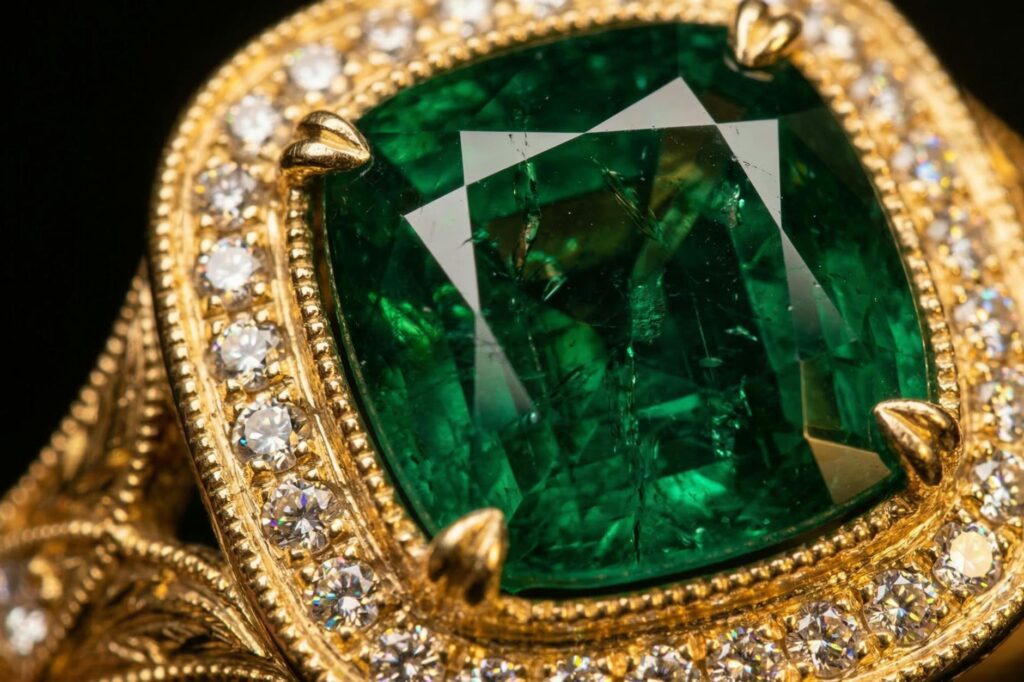
This guide covers everything about Emerald Jewelry: Timeless Beauty That Defines Luxury. Emerald jewelry represents timeless luxury and beauty, captivating with its deep green charm. This gemstone, known for its unique qualities and rich history, offers a special allure that defines sophistication and opulence. As of April 2026, emeralds continue to hold their esteemed position appreciated for both their aesthetic appeal and enduring value.
Last updated: April 18, 2026
Latest Update (April 2026)
The market for colored gemstones, including emeralds, remains dynamic in 2026. While natural diamonds continue to dominate engagement ring trends for many, there’s a growing appreciation for the unique character and historical significance of emeralds. Reports from the luxury auction circuit in late 2025 and early 2026 highlighted significant interest in high-quality, natural colored gemstones, indicating sustained demand from discerning collectors. As noted by Spear’s Magazine in early 2023 regarding the changing world of engagement rings, consumers are increasingly seeking gemstones with a story and provenance, a category where emeralds excel. and, the ongoing conversations around the repatriation of historical artifacts, such as the Mughal Necklace mentioned by homegrown.co.in in February 2026, highlight the deep cultural and historical value associated with gemstones, further cementing emeralds’ legacy.
Why Are Emeralds Considered a Symbol of Luxury?
Emeralds symbolize luxury through their historical usage and deep, lush color that exudes elegance. Over centuries, they’ve adorned royalty and elites across civilizations, embodying power, prestige, and immense wealth. Their association with luxury is deeply rooted in history, dating back to ancient Egypt and the Incan Empire — where they were revered not just for their beauty but as tokens of divine favor and status. The rarity of finding large, high-quality emeralds also contributes to their perception as a luxury item.
What Makes Emeralds Unique Among Gemstones?
Emeralds stand out due to their characteristic inclusions, often referred to as the ‘jardin’ or garden. Unlike diamonds — where clarity is really important and inclusions are generally seen as flaws, the unique inclusions in emeralds are often cherished. These natural imperfections add authenticity and a distinct personality to each stone, making it a one-of-a-kind piece. Collectors and connoisseurs often value emeralds with well-formed, characteristic inclusions as proof of their natural origin. This contrasts sharply with many other gemstones where a flawless appearance is the primary indicator of value. Experts emphasize that these inclusions aren’t merely imperfections but are integral to the emerald’s story and identity.
and, emeralds are prized for their color saturation and hue rather than their brilliance or fire — which are key metrics for diamonds. The ideal emerald boasts a vivid, pure green color, with a medium tone and saturation that’s neither too dark nor too light. This specific color profile is what drives their desirability and value in the jewelry market, making the pursuit of the perfect green hue a significant aspect of their appeal.
How to Evaluate Emerald Quality
Evaluating the quality of an emerald involves considering the same ‘four Cs’ as diamonds – Color, Clarity, Cut, and Carat weight – but with different priorities. Experts emphasize that for emeralds, Color reigns supreme.
Color
The most Key factor is the vibrancy and purity of the green hue. The ideal emerald possesses a rich, deep green color, often with a slight bluish undertone, that’s evenly distributed throughout the stone. Color saturation should be strong but not so dark that it obscures the stone’s brilliance. Reports from gemological institutes consistently highlight that superior color can command a higher price than differences in clarity or carat weight.
Clarity
Clarity in emeralds is assessed differently than in diamonds. Due to the natural formation process, most emeralds contain visible inclusions. These aren’t necessarily detrimental to the stone’s value and are often viewed as unique identifiers. The key is the type, size, and location of these inclusions. Inclusions that threaten the stone’s durability or detract from its beauty are undesirable. However, artistic inclusions that enhance the stone’s character and prove its natural origin are often appreciated.
Cut
The cut of an emerald is designed to maximize its color and minimize the appearance of inclusions, while also protecting its relatively softer facets. The renowned ’emerald cut,’ a step cut with truncated corners, is especially popular because it enhances the stone’s natural color and durability. Other cuts, like oval or cushion cuts, are also used, but the step cut is often preferred to showcase the gem’s depth and hue.
Carat Weight
Like most gemstones, larger emeralds are rarer and thus command higher prices per carat. While a slight increase in carat weight can boost value, it’s the interplay of all the ‘Cs’ that determines the overall worth. A smaller emerald with exceptional color and clarity might be more valuable than a larger one with inferior attributes.
Latest Trends in Emerald Jewelry Design (2026)
Emerald jewelry design in 2026 continues to evolve, blending classic elegance with contemporary aesthetics. While minimalist and vintage-inspired styles remain popular, designers are exploring innovative settings and bolder statement pieces.
Minimalist and Modern Aesthetics
Simple, elegant settings featuring clean lines and geometric shapes are in vogue. These designs allow the vibrant green of the emerald to be the undisputed focal point. Bezel settings, delicate prong settings, and minimalist halos are frequently used to secure the gemstone while allowing maximum light exposure. As noted in luxury lifestyle publications, modern consumers often seek pieces that are versatile and can transition from daily wear to special occasions, and these understated designs perfectly fit that need.
Vintage and Art Deco Revival
There’s a resurgence of interest in vintage-inspired designs, especially those drawing from the Art Deco and Edwardian eras. These styles often feature intricate metalwork, milgrain detailing, and the use of complementary gemstones like diamonds, sapphires, or pearls. These designs appeal to buyers who appreciate historical craftsmanship and the romantic allure of bygone eras. The mention of historical artifacts like the Mughal Necklace by homegrown.co.in in February 2026 further emphasizes this ongoing appreciation for historically significant jewelry.
Bold Statement Pieces
Beyond subtle elegance, designers are also creating more dramatic statement pieces. This includes larger, more prominent emeralds set in elaborate designs, such as chandelier earrings, statement necklaces, and cocktail rings. The trend leans towards showcasing the gemstone’s inherent drama and opulence, often incorporating unique cuts or exceptional color saturation.
Lab-Grown Emeralds and Ethical Sourcing
The conversation around lab-grown diamonds has expanded to include other gemstones. While natural emeralds remain the pinnacle of luxury and investment, lab-grown emeralds are gaining traction as a more accessible and ethically sourced alternative for some consumers. As luxury publications like Luxury London noted in August 2025 regarding lab-grown diamonds, the technology is advancing, offering consumers more choices. While natural emeralds continue to command higher prices and are preferred for investment purposes, lab-grown options provide a sustainable choice for fashion-forward jewelry. However, it’s Key for buyers to understand the distinction between natural and synthetic stones, especially when considering long-term value.
How to Care for Your Emerald Jewelry
Emeralds, while beautiful, are relatively delicate gemstones requiring careful handling to maintain their luster and integrity. Understanding proper care is essential for preserving the beauty and value of your emerald jewelry.
Daily Wear and Protection
Avoid wearing emerald jewelry during activities that could expose it to harsh chemicals, extreme temperatures, or physical impact. This includes household chores, gardening, exercising, or swimming. Emeralds can be scratched by harder materials and can be damaged by sudden temperature changes or strong vibrations.
Cleaning Your Emeralds
For routine cleaning, use a soft brush, mild soap, and lukewarm water. Gently scrub the emerald and its setting, then rinse thoroughly with clean water. Pat the jewelry dry with a soft, lint-free cloth. Avoid using abrasive materials or harsh detergents. For deep cleaning or if the jewelry is heavily soiled, it’s best to consult a professional jeweler.
What to Avoid
Never use ultrasonic cleaners, as the vibrations can cause inclusions to fracture or even shatter the stone. Also, avoid steam cleaners and harsh chemicals like ammonia, bleach, or acidic solutions. These can damage the emerald’s surface or the metal setting. When storing your emeralds, keep them in a separate, soft-lined jewelry box or pouch to prevent scratches from diamonds or other harder gemstones.
Professional Inspection
Regular professional inspections, ideally once a year, are recommended. A jeweler can check the setting for security, clean the stone thoroughly, and identify any potential issues before they become serious problems. Here’s especially important for vintage pieces or jewelry worn frequently.
Why Do Emeralds Have Long-term Investment Value?
Emeralds possess significant long-term investment value due to a combination of rarity, historical demand, and enduring aesthetic appeal. As the availability of high-quality, natural emeralds continues to diminish, their value is expected to appreciate.
Rarity and Scarcity
Exceptional emeralds, especially those with vibrant color, high clarity, and significant carat weight, are incredibly rare. The primary sources of fine emeralds, such as Colombia, Zambia, and Brazil, yield only a limited supply of top-grade material. This inherent scarcity, coupled with increasing global demand, naturally drives up their value over time. Reports from auction houses frequently highlight record-breaking sales for rare and exceptional emerald specimens, underscoring their investment potential.
Timeless Appeal and Historical Significance
Emeralds have been coveted for thousands of years, appearing in royal collections and significant historical artifacts. This long history imbues them with a timeless appeal that transcends fleeting fashion trends. As Spear’s Magazine noted in February 2023, while the engagement ring market evolves, gemstones with historical depth and lasting beauty remain desirable. The enduring allure of the emerald, linked to romance, rebirth, and prosperity, makes it a consistently sought-after gemstone for both aesthetic and investment purposes.
Market Trends and Demand
The demand for fine colored gemstones, including emeralds, remains strong among collectors and investors. While natural diamonds have historically dominated the investment conversation, there’s a growing segment of the market that recognizes the superior appreciation potential of high-quality colored gemstones. As luxury auctions continue to feature natural diamonds, as seen in Phillips’ auctions in May 2025, the spotlight on exceptional colored gemstones is also intensifying, indicating a solid and diversifying market.
Frequently Asked Questions
what’s the most valuable type of emerald?
Colombian emeralds are typically considered the most valuable due to their exceptional quality, often exhibiting a pure, vibrant green color with a slight bluish tint and good clarity. However, emeralds from Zambia and other origins can also be highly valuable if they possess outstanding color, clarity, and cut.
Can emeralds be worn daily?
Yes, emeralds can be worn daily, but with proper care and precautions. Given their relative softness and susceptibility to scratches and chipping, it’s advisable to avoid wearing them during strenuous activities, while doing household chores, or in environments where they might be exposed to impact or harsh chemicals. Regular checks of the setting and prompt cleaning will help maintain their beauty for daily wear.
What metal is best for setting emeralds?
The best metals for setting emeralds are typically yellow gold, white gold, and platinum. Yellow gold complements the green hue of the emerald beautifully, enhancing its warmth. Platinum and white gold offer a cooler contrast, making the green color appear more intense and vibrant. These metals also provide durability and security for the gemstone.
Are emeralds more expensive than diamonds?
On average, diamonds tend to have higher price points, especially when considering top-quality stones. However, exceptional emeralds, especially those that are large, exceptionally colored, and rare, can command prices per carat that exceed those of comparable diamonds. The value is highly dependent on the specific quality characteristics of each stone.
What’s the symbolism of gifting emerald jewelry?
Gifting emerald jewelry is rich with symbolism. Emeralds are traditionally associated with love, fidelity, hope, and rebirth. they’re also believed to bring good fortune, prosperity, and wisdom to the wearer. For these reasons, emeralds are a popular choice for engagement rings, anniversary gifts, and other significant occasions, symbolizing a deep and enduring commitment.
Are lab-grown emeralds a good investment?
Lab-grown emeralds offer a more affordable and ethically sourced alternative to natural emeralds, and their popularity is growing. However, they aren’t typically considered a long-term investment in the same way as natural, rare gemstones. Their value is primarily aesthetic and driven by market demand for fashion jewelry rather than scarcity and historical provenance. Natural emeralds, especially those of exceptional quality, are generally seen as having better investment potential.
Conclusion
Emerald jewelry continues to be a symbol of enduring luxury, rich history, and profound beauty in 2026. From their captivating green hues to their unique inclusions that tell a story, emeralds offer a distinctive allure that appeals to collectors, investors, and those seeking meaningful adornments. As trends evolve, embracing both classic elegance and modern design, the intrinsic value and timeless charm of emeralds remain constant. Whether chosen for their aesthetic appeal, historical significance, or investment potential, emerald jewelry stands as a testament to everlasting luxury.
Source: Britannica
Related Articles
- Heartfelt Mothers Day Gifts: Expert Picks for 2026
- December's Birthstone: Secrets of Turquoise
- Jewelry Organizer: Smart Storage, Protection &. Style in 2026
Editorial Note: This article was researched and written by the Wilton Jewelers editorial team. We fact-check our content and update it regularly. For questions or corrections, contact us.