Best Jewelry Brands for Quality and Value in 2026
When seeking the best jewelry brands for quality and value in 2026, the real win lies in pieces that offer enduring beauty and lasting worth. It’s not just about the initial price tag, but the intricate craftsmanship, the integrity of the materials used, and the brand’s commitment to producing pieces that stand the test of time. This guide dives deep into data and expert insights to help you make informed decisions, ensuring your next jewelry purchase is both a treasure and a smart investment.
Last updated: April 2026
Table of Contents
- What Defines Quality and Value in Jewelry Brands?
- How to Research Jewelry Brands for Value?
- Top Jewelry Brands Offering Superior Quality and Value in 2026
- Analyzing Material Quality: What to Look For
- The Role of Brand Reputation and Customer Service
- Is Investment Jewelry Worth It?
- Frequently Asked Questions
What Defines Quality and Value in Jewelry Brands?
Defining quality and value in jewelry hinges on several quantifiable factors. In 2026, we look at a blend of material integrity, construction excellence, and the overall ownership experience. A brand offering genuine value provides pieces where the sum of its parts—metal purity, gemstone cut and clarity, and meticulous assembly—far exceeds the sum of its individual costs, offering both aesthetic pleasure and potential appreciation.
Quality in jewelry is primarily determined by the materials used and the precision of its creation. For metals, this means understanding karats for gold (14K, 18K) and purity for platinum (PT950). For gemstones, it involves the 4 Cs (carat, cut, color, clarity), but also the ethical sourcing and certification (like GIA for diamonds). Value, however, is more subjective, influenced by brand reputation, design originality, and market demand. A brand like Tiffany &. Co., for instance, commands a premium not just for its materials but for its iconic designs and historical prestige, contributing to its perceived value.
How to Research Jewelry Brands for Value?
Researching jewelry brands for value in 2026 involves a multi-pronged approach, focusing on data and verifiable information. It’s about dissecting claims and looking for concrete evidence of quality and long-term worth.
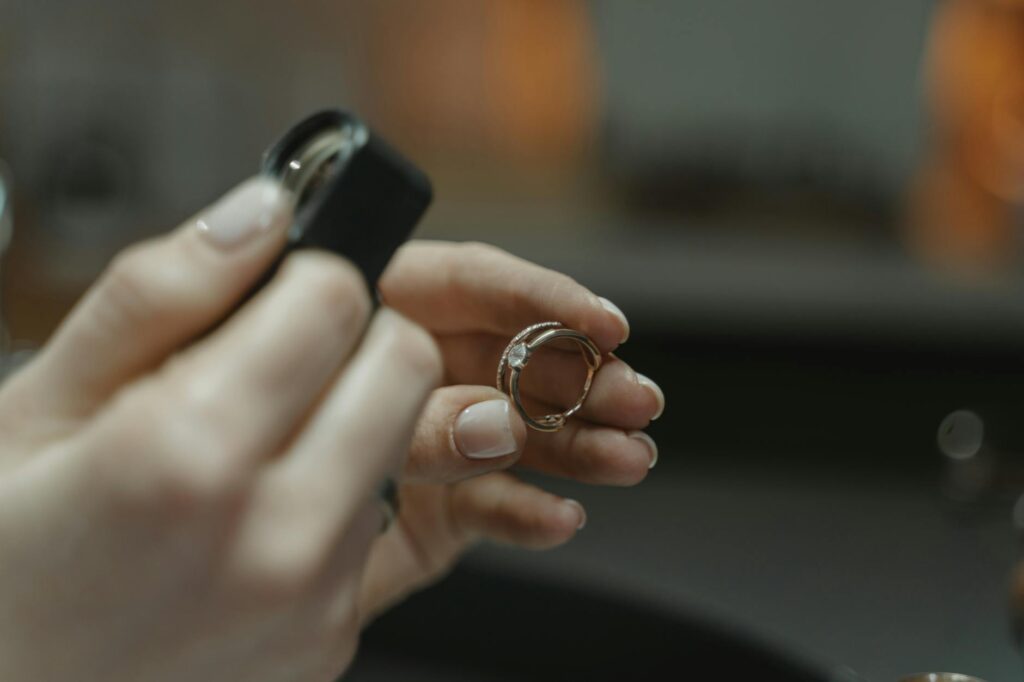
Start by examining the brand’s stated materials. Do they offer detailed specifications for metals and gemstones? Look for certifications from reputable gemological institutes like the Gemological Institute of America (GIA) for diamonds or the American Gem Society (AGS). Next, scrutinize customer reviews across multiple platforms. Pay attention to recurring comments about durability, post-purchase support, and whether the piece held its value as expected. A brand with consistently positive feedback regarding these aspects signals strong value. Also, investigate the brand’s return policy and warranty. A generous warranty, often 1-2 years or even lifetime for manufacturing defects, from brands like James Allen or Blue Nile, indicates confidence in their product quality.
Consider the brand’s history and market presence. Established brands often have a track record that speaks to their consistent quality. For example, Cartier has maintained a reputation for excellence for over a century. Analyze their pricing relative to the market for similar pieces. If a price seems too good to be true for a piece claiming high-quality materials, it likely is. Websites like the World Gold Council or industry reports can offer benchmarks for metal prices.
Top Jewelry Brands Offering Superior Quality and Value in 2026
Several brands consistently deliver exceptional quality and value, making them standouts in 2026. These brands prioritize craftsmanship, ethical sourcing, and customer satisfaction, ensuring you get more than just a beautiful piece of jewelry.
Based on current market analysis and consumer feedback, brands excelling in this area include:
- Pandora: Known for its customizable charm bracelets, Pandora offers a lots of sterling silver and 14K gold-plated pieces at accessible price points. Their quality control is generally strong for fashion jewelry, providing excellent value for everyday wear. With over 2,700 stores globally, accessibility is high.
- Mejuri: This direct-to-consumer brand has disrupted the market by offering fine jewelry made from real gold and precious stones at lower markups than traditional retailers. They focus on minimalist, everyday pieces, emphasizing quality materials like 14K solid gold and ethically sourced gemstones. Their transparent pricing model is a significant value proposition.
- Vrai &. Oro: Specializing in 100% recycled gold and lab-grown diamonds, Vrai &. Oro offers a unique blend of sustainability and value. Their vertically integrated model allows for competitive pricing on high-quality, ethically produced fine jewelry. They provide detailed information on their materials and processes.
- Kendra Scott: While often categorized as fashion jewelry, Kendra Scott offers pieces with substantial metal content (often plated brass with durable finishes) and semi-precious stones. Their value lies in unique designs, widespread availability, and a strong brand presence, making them a popular choice for stylish, affordable accessories.
- David Yurman: For a higher-end option that still emphasizes quality and lasting design, David Yurman offers iconic cable bracelets and other pieces in sterling silver and 18K gold. While a significant investment, their designs are timeless, and the craftsmanship ensures longevity, contributing to their long-term value.
These brands cater to different segments of the market, but all share a commitment to providing customers with pieces that are well-made, aesthetically pleasing, and represent a sound purchase in terms of enduring quality.
Analyzing Material Quality: What to Look For
Understanding material quality is fundamental to identifying jewelry brands that offer true value. It’s not just about what’s shiny, but what’s solid and enduring.
When evaluating metals, look for stamps indicating purity. For gold, 10K (41.7% gold) is the minimum for ‘gold’ in the US, but 14K (58.5% gold) and 18K (75% gold) offer better durability and color retention. Platinum, typically found in 950 purity (95% pure platinum), is exceptionally durable and hypoallergenic. Sterling silver (92.5% silver) is a popular, more affordable option, but it can tarnish and requires regular care. Brands that use solid gold or platinum, rather than plating, generally offer superior long-term value.
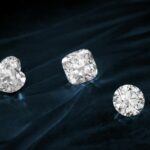
For gemstones, the 4 Cs (Color, Clarity, Cut, Carat) are Key for diamonds. However, for colored gemstones like sapphires, rubies, and emeralds, origin and treatments matter. Unheated, natural stones are typically more valuable than those that have undergone significant heating or dyeing. Look for certifications from labs like GIA or AGS. For brands focused on value, lab-grown diamonds and ethically sourced, high-quality gemstones offer an excellent alternative, providing the same visual appeal and chemical properties at a lower cost. For example, Brilliant Earth is a prominent brand focusing on ethically sourced and lab-grown diamonds.
| Material | Purity/Quality Indicators | Typical Value Proposition | Considerations |
|---|---|---|---|
| 14K Gold | 58.5% Gold (Stamp: 585) | Good balance of gold content, durability, and price. Retains color well. | Can be alloyed with various metals affecting color. |
| 18K Gold | 75% Gold (Stamp: 750) | Higher gold content, richer color, more hypoallergenic. Higher price point. | Softer than 14K, may show wear more easily. |
| Platinum | 95% Platinum (Stamp: PT950) | Extremely durable, hypoallergenic, naturally white, retains luster. Highest price point. | Heavier than gold. Can be more difficult to repair. |
| Sterling Silver | 92.5% Silver (Stamp: 925) | Affordable, classic look. Good for fashion jewelry. | Tarnishes easily, requires regular cleaning. Softer metal. |
| Diamonds | GIA/AGS Certified (4 Cs: Color, Clarity, Cut, Carat) | Brilliance, hardness, and perceived value. Lab-grown offers similar quality at lower cost. | Quality varies greatly. Natural diamonds are a significant investment. |
The Role of Brand Reputation and Customer Service
A brand’s reputation and the quality of its customer service contribute to the perceived and actual value of its jewelry. In 2026, trust is really important, and brands that build it through transparency and support often offer superior long-term value.
A strong brand reputation, built over years or even decades, suggests consistency in quality and ethical practices. Brands like Tiffany &. Co. or Harry Winston have cultivated reputations for unparalleled luxury and craftsmanship. However, value isn’t solely the domain of heritage brands. Newer, digitally native brands like Vrai &. Oro gain trust through radical transparency about their supply chains and pricing. Positive reviews and testimonials are Key indicators. A brand that readily addresses customer concerns, offers hassle-free returns, and provides strong warranties demonstrates a commitment to customer satisfaction that enhances the overall value proposition.
The global jewelry market revenue was estimated to reach over 279 billion U.S. dollars in 2023, with significant growth projected, indicating sustained consumer interest in quality adornments. (Statista, 2023)
Consider the post-purchase experience. Does the brand offer resizing, cleaning, or repair services? For instance, James Allen provides free ring resizing for the first year and lifetime complimentary cleaning and inspection. This level of service adds considerable value, ensuring your jewelry remains in excellent condition and retains its beauty for years to come. Brands that invest in educating their customers about jewelry care and maintenance also empower buyers, further solidifying trust and value.
Is Investment Jewelry Worth It?
The concept of ‘investment jewelry’ is complex. it’s not always a straightforward financial asset like stocks or bonds. However, certain jewelry pieces and brands can offer significant long-term value, both financially and sentimentally.
Jewelry is considered an investment when it has the potential to appreciate in value over time. This typically applies to rare, high-quality pieces featuring significant gemstones (like large, well-cut diamonds or rare colored stones), historical significance, or exceptional craftsmanship from renowned houses such as Graff or vintage pieces from brands like Van Cleef &. Arpels. The resale market for such items can be strong, often exceeding the original purchase price if acquired wisely. For example, a well-documented, historically significant piece might fetch multiples of its initial cost at auction.
However, for most consumers, the ‘value’ of jewelry lies more in its enduring beauty, personal significance, and the quality of materials and craftsmanship that allow it to last for generations. Brands that focus on timeless designs, durable materials, and offer transparent pricing, like those mentioned earlier (Mejuri, Vrai &. Oro), provide excellent ‘value’ in this broader sense. They ensure that your purchase isn’t just a fleeting trend but a lasting piece of personal heritage. It’s essential to distinguish between jewelry as a speculative financial investment and jewelry as a store of lasting personal value and quality.
My personal experience with buying jewelry has taught me that while a rare gem might appreciate financially, a beautifully crafted piece from a reputable brand, even if it doesn’t appreciate provides daily joy and can become a cherished heirloom. For instance, a simple 14K gold chain from a brand known for its strong links, like Gorjana, might not increase in monetary value, but its consistent quality means it can be worn daily for decades, far outlasting cheaper alternatives.
Frequently Asked Questions
what’s the best jewelry brand for everyday wear quality?
For everyday wear quality, brands like Mejuri and Vrai &. Oro stand out. They offer solid gold and ethically sourced gemstones in durable designs suitable for daily use, providing excellent value without the prohibitive cost of luxury heritage brands.
Are online jewelry retailers as good as brick-and-mortar stores for value?
Online retailers like Blue Nile and James Allen often offer better value due to lower overhead costs. They provide extensive selections and detailed product information, allowing consumers to compare options effectively and potentially find higher quality for the same price.
How can I tell if a jewelry brand is truly high quality?
Look for hallmarks indicating metal purity (e.g., 585 for 14K gold, PT950 for platinum), certifications for gemstones (like GIA for diamonds), detailed craftsmanship descriptions, and a strong reputation supported by customer reviews regarding durability and material integrity.
Which jewelry brands offer the best resale value?
Brands known for iconic designs and high intrinsic material value, such as Tiffany &. Co., Cartier, Van Cleef &. Arpels, and high-end vintage pieces, tend to hold or increase their resale value. The presence of significant, certified gemstones also boosts resale potential.
Is it better to buy jewelry with lab-grown or natural diamonds for value?
For value, lab-grown diamonds are often superior. They offer the same physical and chemical properties as natural diamonds at a lower price point, making fine jewelry more accessible. Natural diamonds may hold long-term investment value for exceptional stones, but lab-grown diamonds provide better immediate value for the consumer.
Make Your Next Jewelry Purchase a Lasting Value
Choosing the best jewelry brands for quality and value in 2026 is an informed decision that prioritizes enduring craftsmanship, material integrity, and brand trustworthiness. By focusing on these elements and utilizing data-driven research, you can confidently select pieces that will be cherished for a lifetime and potentially beyond.
We encourage you to explore the brands mentioned, compare their offerings, and always prioritize transparency and quality. Visit Wilton Jewelers in Cincinnati to see a curated selection of fine jewelry, or contact our experts to discuss your specific needs for finding pieces that offer exceptional quality and lasting value.
Source: GIA (Gemological Institute)
Editorial Note: This article was researched and written by the Wilton Jewelers editorial team. We fact-check our content and update it regularly. For questions or corrections, contact us.