
what’s CZ? A Brilliant Alternative to Diamonds
Imagine a gemstone that sparkles like a diamond but costs a fraction of the price. That’s the magic of cubic zirconia (CZ). For decades, this lab-created stone has been a go-to choice for dazzling jewelry without the hefty price tag. But what exactly is CZ, and why has it become so popular? Let’s dive in!
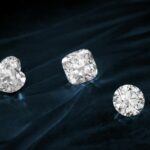
Cubic zirconia is a synthetic crystalline substance that mimics the appearance and brilliance of a diamond. It’s a popular diamond simulant, meaning it’s designed to look like a diamond but is made from different materials. Its affordability, impressive sparkle, and durability make it a fantastic option for engagement rings, fashion jewelry, and more.
The Science Behind the Sparkle: How CZ is Made
Understanding what’s CZ starts with knowing it’s not a naturally occurring gem. Unlike diamonds — which form deep within the Earth under intense heat and pressure over millions of years, cubic zirconia is created in a laboratory. This controlled environment allows for precise creation and consistency.
The process involves a high-temperature melting method. Zirconium dioxide powder is heated to over 5,000°F (2,760°C) and then cooled slowly. This slow cooling is Key for forming the cubic crystalline structure that gives CZ its hardness and brilliance. According to the Gemological Institute of America (GIA) (2023), the resulting material is optically transparent and can be made in a variety of colors by adding metallic oxides during the melting process.
Think of it like baking a cake versus finding a wild berry. Both are edible, but one is a carefully crafted product, and the other is a natural find. CZ is the expertly baked cake of the gemstone world.
CZ vs. Diamond: What’s the Real Difference?
Here’s the million-dollar question for many shoppers. While CZ is designed to look like a diamond, there are key differences in their composition, hardness, and optical properties. Knowing these can help you make an informed choice.
Composition: Diamonds are pure carbon. CZ is zirconium dioxide (ZrO₂). This fundamental difference affects everything else.
Hardness: On the Mohs scale of hardness, diamonds score a perfect 10. Cubic zirconia rates around 8 to 8.5. While still very durable for everyday wear, it’s not as hard as a diamond. This means CZ can be more susceptible to scratches and abrasions over prolonged periods compared to a diamond. For instance, a diamond is far less likely to get a surface scratch from everyday activities like washing dishes than a CZ.
Brilliance and Fire: CZ actually has a higher refractive index (RI) than diamond, meaning it can bend light more, leading to more ‘fire’ or rainbow flashes. However, diamonds have a phenomenon called ‘adamantine luster,’ a unique brilliance that many find superior. A well-cut CZ can look incredibly brilliant, sometimes even too brilliant for those accustomed to the subtle fire of a diamond.
Clarity and Color: Diamonds naturally occur with inclusions (internal flaws) and blemishes (external imperfections), and they can have a yellowish tint. Flawless, colorless diamonds (like those with a D color grade from the GIA) are rare and very expensive. Lab-created CZ is typically produced to be internally flawless and completely colorless (equivalent to a D color grade). This consistency is one of its major selling points.
Thermal Conductivity: Diamonds are excellent heat conductors, while CZ is a thermal insulator. Jewelers often use a diamond tester that measures heat conductivity to distinguish between the two.
A diamond’s toughness and its unique optical signature are hard to replicate, but CZ comes close in visual appeal.
The Benefits of Choosing Cubic Zirconia
So, why opt for CZ when diamonds are the ‘ultimate’ gemstone? The advantages are compelling, especially for budget-conscious consumers or those who love to change their jewelry style frequently.
Affordability: This is the biggest draw. A cubic zirconia of comparable size to a 1-carat diamond can cost anywhere from $20 to $100, whereas a natural diamond of similar quality can cost thousands of dollars. This allows you to own larger, more dramatic stones without breaking the bank. For example, a 3-carat, well-cut CZ might cost around $50, while a 3-carat diamond could be upwards of $30,000.
Appearance: As mentioned, CZ is designed to look identical to a diamond to the untrained eye. It offers that same dazzling sparkle and brilliance that makes diamond jewelry so desirable.
Ethical Considerations: For some, the idea of a conflict-free and ethically sourced gemstone is really important. Since CZ is lab-created, it avoids the ethical and environmental concerns sometimes associated with mined diamonds, such as those highlighted by organizations like Global Witness regarding the diamond trade.
Variety: Because CZ is easily created in various colors, it’s used to simulate other colored gemstones as well. You can find stunning pink, blue, green, or yellow CZ that mimics the look of sapphires, emeralds, or yellow diamonds at a fraction of the cost.
Hypoallergenic Options: Many CZ pieces are set in sterling silver or durable stainless steel — which are often good choices for sensitive skin.
Caring for Your Cubic Zirconia Jewelry
To keep your CZ jewelry looking its best, a little care goes a long way. Because it’s not as hard as a diamond, it can be more prone to scratching and can accumulate oils and dirt — which dull its sparkle over time.
Regular Cleaning: The most effective way to clean CZ is with warm water, mild dish soap (like Dawn), and a soft toothbrush. Gently scrub the stone and the setting, rinse thoroughly, and dry with a lint-free cloth. Avoid harsh chemicals or abrasive cleaners, as they can damage the metal setting or even the CZ itself.
Avoid Harsh Conditions: It’s wise to remove your CZ jewelry before engaging in activities that could expose it to harsh chemicals, impacts, or excessive wear. This includes swimming in chlorinated pools, using cleaning products, exercising vigorously, or doing manual labor. According to Consumer Reports (2022), even seemingly minor impacts can cause chips or abrasions on softer gemstones.
Professional Check-ups: Consider having your CZ jewelry professionally cleaned and inspected by a jeweler like Wilton Jewelers at least once a year. We can check the security of the setting and give the stones a professional polish.
Storage: Store your CZ pieces separately from other jewelry, especially diamonds, to prevent scratching. A soft pouch or a divided jewelry box is ideal.
When Is CZ the Right Choice?
Cubic zirconia shines brightest in specific scenarios. It’s an excellent choice for:
- Fashion Jewelry: If you love to experiment with trends and want statement pieces that are affordable and stylish.
- Travel Jewelry: Leave your expensive diamond pieces at home and wear a dazzling CZ look-alike when you travel. It offers peace of mind.
- Bridal Jewelry: Many brides opt for CZ engagement rings or wedding bands for their beauty and budget-friendliness, allowing them to allocate funds elsewhere.
- Stones for Practice or Learning: Jewelers and students sometimes use CZ for practice cuts or to learn about stone setting.
- Gift Giving: When you want to give a beautiful, sparkling gift without a prohibitive cost, CZ is a thoughtful option.
remember that while CZ is visually stunning, it doesn’t hold the same long-term investment value as a natural diamond. Its value lies in its beauty and accessibility, not its rarity or resale potential.
The ‘Fire’ and ‘Brilliance’ of CZ
Let’s talk about sparkle! Cubic zirconia is renowned for its exceptional brilliance and fire. Brilliance refers to the white light reflected from the stone, while fire is the dispersion of light into spectral colors (rainbows).
A well-cut CZ stone, often cut by machines like the GIA uses for diamond grading, can exhibit more fire than a typical diamond. That’s because its higher refractive index and dispersion properties cause light to split into more colors. Some people adore this intense rainbow effect, while others find it slightly less refined than a diamond’s more subtle play of color. The cut quality is really important here. a poorly cut CZ won’t sparkle as much as a well-cut one, regardless of its material properties.
When you’re shopping, pay attention to the cut. Faceting styles like the ’round brilliant’ are common for CZ, just as they’re for diamonds, to maximize light reflection and sparkle.
Frequently Asked Questions
what’s CZ jewelry made of?
CZ jewelry is typically made of cubic zirconia — which is a synthetic crystalline form of zirconium dioxide (ZrO₂). it’s lab-created and designed to resemble a diamond. The settings are usually made from precious metals like gold or platinum, or more affordable metals like sterling silver or stainless steel.
Is CZ a real gemstone?
Cubic zirconia is considered a gemstone, but it’s not a natural gemstone like a diamond, ruby, or sapphire. It’s a man-made or synthetic gemstone, often referred to as a diamond simulant because it looks so much like a diamond.
Does CZ scratch easily?
Cubic zirconia has a Mohs hardness rating of about 8 to 8.5 — which is quite durable for jewelry. However, it’s softer than a diamond (which is a 10 on the Mohs scale) and can scratch or chip over time with rough wear or impact. Proper care is essential to maintain its pristine appearance.
How can I tell if my jewelry is CZ or diamond?
The easiest way is usually through a jeweler’s diamond tester — which measures thermal conductivity. diamonds conduct heat, while CZ doesn’t. Visually, CZ often has more ‘fire’ (rainbow colors) than a diamond and can appear too perfect (flawless and colorless). Fogging test: breathe on the stone. a diamond disperses heat quickly, so the fog clears almost instantly, while CZ holds condensation longer.
Is cubic zirconia valuable?
Cubic zirconia isn’t considered valuable in terms of investment or resale value like natural diamonds. Its value lies in its beauty, brilliance, and affordability. It allows consumers to enjoy the look of fine jewelry at a lower cost.
The Final Sparkle
So, what’s CZ? It’s a testament to modern science and a brilliant solution for those seeking dazzling jewelry without the premium price tag. Whether you’re looking for an everyday sparkle, a special occasion piece, or a travel-friendly alternative, cubic zirconia offers incredible beauty and value.
At Wilton Jewelers, we understand the appeal of CZ and offer a selection of pieces that showcase its stunning brilliance. We also believe in educating our customers, so you can make choices that best fit your style, budget, and needs. Come visit us to see the sparkle of cubic zirconia for yourself!