The Lustrous Appeal of Silver and Its Battle with Tarnish
Silver jewelry holds a timeless appeal, admired for its bright sheen and versatility. From delicate necklaces to statement rings, silver pieces often become cherished heirlooms. However, this beloved metal is prone to tarnishing—a natural chemical reaction that dulls its sparkle. Understanding how to clean tarnished silver jewelry is essential for maintaining its beauty and value over time. This process, while sometimes appearing daunting, is often simpler and more accessible than many people realize, especially when using the right methods and materials.
Tarnished silver jewelry can be effectively cleaned at home using a variety of gentle methods that restore its original shine. The key is to use non-abrasive techniques and appropriate cleaning agents to avoid damaging the metal or any gemstones. Common household items like baking soda, toothpaste, and specialized silver polishing cloths can yield remarkable results, bringing your favorite silver pieces back to their former glory.
Why Does Silver Tarnish?
Before diving into cleaning techniques, it’s helpful to understand what causes silver to tarnish. Silver tarnish — which appears as a dark, often black or grey, film on the surface of the metal, is primarily caused by a chemical reaction with hydrogen sulfide present in the air. This reaction creates silver sulfide. Several factors can accelerate this process:
- Exposure to Air: The more your silver is exposed to oxygen and sulfur compounds in the air, the faster it will tarnish.
- Humidity: Higher humidity levels can speed up the tarnishing process.
- Contact with Certain Substances: Chemicals found in perfumes, hairspray, lotions, rubber, and even some foods (like eggs and onions) can react with silver. According to the Gemological Institute of America (GIA) (2013), certain materials and environmental factors can impact the longevity and appearance of jewelry.
- Body Chemistry: Some individuals naturally have body chemistry that causes their silver jewelry to tarnish more quickly.
The Best Methods for Cleaning Tarnished Silver Jewelry at Home
Fortunately, there are several effective and budget-friendly methods for cleaning tarnished silver jewelry right in your own home. These techniques range from using common household ingredients to employing specialized tools. When choosing a method, always consider the type of silver you have (sterling silver, plated silver) and whether it features gemstones or delicate details.
1. The Baking Soda and Aluminum Foil Method
Here’s a popular and effective method for removing tarnish, especially for sterling silver. It relies on an electrochemical reaction that transfers the sulfur from the silver to the aluminum foil, basically reversing the tarnishing process without abrasive scrubbing. You’ll need:
- A non-metal bowl (glass or ceramic)
- Aluminum foil
- Hot water
- Baking soda
Instructions:
- Line the bowl with aluminum foil, shiny side up.
- Place your silver jewelry on top of the foil, ensuring it makes contact.
- In a separate container, mix about 1 tablespoon of baking soda per cup of hot water. Stir until dissolved.
- Pour the hot baking soda solution over the jewelry, ensuring it’s fully submerged.
- You may notice a slight smell of sulfur—this is normal! Let the jewelry soak for 5-10 minutes, or longer for severe tarnish.
- Remove the jewelry using tongs (it will be hot!) and rinse thoroughly under cool water.
- Dry immediately with a soft, lint-free cloth.
Note: This method is generally safe for sterling silver but should be used with caution on silver-plated items, as prolonged exposure might affect the plating. Also, avoid this method if your jewelry contains pearls or opals, as the heat and chemical reaction can damage them.
2. Gentle Toothpaste Application
A simple, non-gel toothpaste can also be used as a mild abrasive to polish away tarnish. This method is best for light tarnish and pieces without intricate details that could trap toothpaste residue.
- Use a white, non-gel toothpaste (avoid whitening toothpastes with harsh abrasives or gels).
- Apply a small amount to a soft cloth or your finger.
- Gently rub the tarnished areas of the silver jewelry in a circular motion.
- Rinse the jewelry thoroughly under warm water.
- Dry completely with a soft, lint-free cloth.
While effective for some, this method can be too abrasive for certain finishes or delicate pieces. It’s always best to test on an inconspicuous area first.
3. The Power of a Silver Polishing Cloth
For regular maintenance and light tarnish, a dedicated silver polishing cloth is an invaluable tool. These cloths are infused with a special cleaning agent and are designed to remove tarnish and restore shine without leaving behind any residue. Brands like Connoisseurs offer high-quality options.
- Simply rub the tarnished areas of your silver jewelry with the cloth.
- The cloth will darken as it absorbs the tarnish.
- Continue polishing until the desired shine is achieved.
Silver polishing cloths are generally safe for all types of silver and are excellent for quick touch-ups. They don’t require water or additional cleaning agents, making them convenient for on-the-go use.
4. Mild Soap and Water for Light Cleaning
For very light tarnish or general cleaning after wear, a simple solution of mild dish soap and warm water can work wonders. Here’s especially useful for jewelry with gemstones that might be sensitive to harsher chemicals.
- Mix a few drops of mild dish soap (like Dawn) in a bowl of warm water.
- Submerge your silver jewelry and gently clean it with your fingers or a very soft brush (like a baby toothbrush).
- Rinse thoroughly under clean water.
- Dry immediately and completely with a soft, lint-free cloth.
This method is gentle and helps remove oils and dirt that can contribute to tarnish, but it won’t tackle significant discoloration.
Special Considerations for Different Types of Silver Jewelry
Not all silver jewelry is created equal, and some pieces require extra care. Understanding these nuances is Key to avoid damage.
Sterling Silver vs. Silver Plated Jewelry
Sterling silver is an alloy consisting of 92.5% pure silver and 7.5% other metals (usually copper). It’s durable and valuable. Silver-plated jewelry, But — has a thin layer of pure silver electroplated over a base metal (like brass, copper, or nickel). Harsh cleaning methods or excessive rubbing can wear away the plating, exposing the base metal and potentially causing discoloration or allergic reactions. Always use the gentlest methods possible on plated items.
Jewelry with Gemstones
Gemstones vary greatly in hardness and porosity. Porous stones like pearls, opals, turquoise, and coral are especially sensitive to chemicals and even prolonged exposure to water. The baking soda and aluminum foil method, or using abrasive cleaners, should generally be avoided for jewelry containing these delicate stones. A mild soap and water solution followed by immediate drying is usually the safest bet. For valuable or delicate gemstones, consulting a professional jeweler is always recommended. According to Beaducation, different gemstones have specific care requirements, and a one-size-fits-all approach isn’t always suitable.
Oxidized or Antiqued Silver
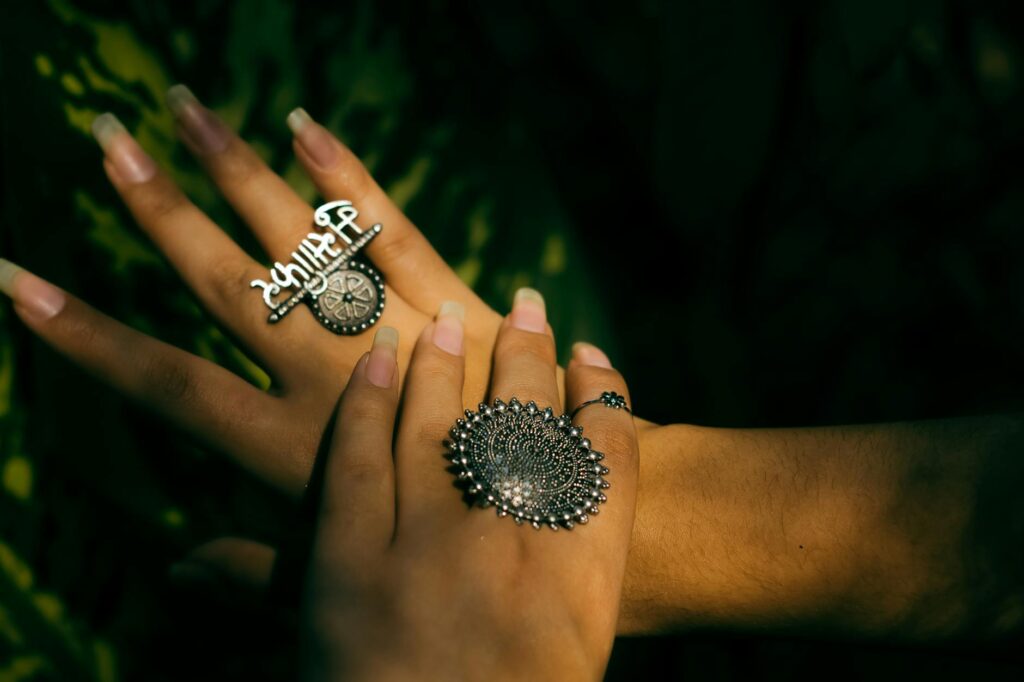
Some silver jewelry is intentionally oxidized or antiqued to create a contrast between raised details and recessed areas. This dark patina is part of the design. Aggressive cleaning can remove this intentional oxidation, ruining the aesthetic. For such pieces, stick to very light polishing with a soft cloth and avoid any methods that might strip the dark finish.
What to Avoid When Cleaning Silver
To protect your valuable silver pieces, it’s important to know what cleaning methods and products can cause harm:
- Harsh Chemicals: Avoid chlorine, bleach, ammonia, or abrasive household cleaners. These can pit, discolor, or permanently damage the silver.
- Abrasive Scrubbers: Steel wool, abrasive sponges, or stiff brushes can scratch the surface of the silver.
- Excessive Force: Rubbing too hard can wear down intricate details or plating.
- Dipping Tarnished Pieces in Harsh Solutions: Commercial silver dips can be very effective but are often harsh. They can strip patina, damage gemstones, and require careful handling. Use them sparingly and only if other methods fail, and always follow the product instructions precisely. According to Swarovski (2023), it’s vital to use appropriate cleaning agents for each material to prevent damage.
Preventing Silver Tarnish: The Best Defense
The most effective way to deal with tarnish is to prevent it from forming in the first place. Here are some proactive measures:
- Store Properly: Keep your silver jewelry in airtight containers or resealable plastic bags. Anti-tarnish strips or cloths placed inside storage containers can absorb sulfurous gases.
- Wear It Regularly: The natural oils from your skin can help keep silver from tarnishing. Wearing your silver jewelry often is one of the best ways to maintain its shine.
- Clean After Wearing: Gently wipe your silver jewelry with a soft cloth after each wear to remove oils, sweat, and environmental contaminants.
- Avoid Exposure: Remove silver jewelry before swimming, showering, or applying lotions, perfumes, and hairsprays.
- Store in Low Humidity: If you live in a humid climate, consider using silica gel packets in your jewelry storage to absorb moisture.
When to Seek Professional Help
While many tarnished silver pieces can be revived at home, some situations warrant professional attention. If your jewelry is extremely valuable, features delicate or irreplaceable gemstones, has intricate filigree work, or has been severely damaged, it’s best to consult a professional jeweler. They have specialized tools, expertise, and cleaning solutions to safely restore your piece without causing further harm. For instance, ultrasonic cleaners and professional polishing machines can achieve results unattainable at home, but they also carry risks if used improperly.
Frequently Asked Questions
How often should I clean my silver jewelry?
The frequency of cleaning depends on how often you wear the jewelry and your environment. Ideally, wipe your silver with a soft cloth after each wear. For tarnish, clean as needed, typically every few months to a year, depending on storage and exposure.
Can I use aluminum foil and baking soda on silver-plated items?
It’s best to use this method with extreme caution or avoid it altogether on silver-plated items. The electrochemical reaction might be too harsh and could damage the plating over time.
what’s the fastest way to clean silver?
A silver polishing cloth offers the fastest and safest way for light tarnish or routine cleaning. For more significant tarnish, the baking soda and aluminum foil method can be quite quick, usually requiring only 5-10 minutes of soaking.
Will toothpaste damage my silver?
Mild, non-gel white toothpaste can be used gently for light tarnish, but it’s mildly abrasive. Overuse or using aggressive whitening toothpastes can scratch the silver or remove patina, so it’s generally better to use specialized silver cleaners or a polishing cloth.
How do I know if my silver jewelry is sterling silver?
Most sterling silver jewelry will be stamped with a hallmark. Look for markings such as “925,” “Sterling,” “Ster,” or “Stg.” This indicates it’s at least 92.5% pure silver.
Restoring Your Silver’s Radiance
Keeping your silver jewelry looking its best doesn’t require expensive products or professional services for most common issues. By causes of tarnish and employing gentle, effective cleaning methods, you can easily restore the shine to your favorite pieces. Remember to always handle delicate items with extra care and consider professional help for highly valuable or intricate jewelry. Regular maintenance and proper storage are your best allies in preserving the enduring beauty and value of your silver collection.