Sapphire Color: What Beginners Need to Know
Forget everything you think you know about sapphire color. It’s not just about that iconic deep blue. My first sapphire purchase, a small pendant I bought on a whim in 2018, was a rather muddy, almost greyish-blue. It taught me a hard lesson: not all blues are created equal, and the true beauty of a sapphire lies in its color’s depth, vibrancy, and evenness. In fact, sapphires come in almost every color imaginable, except red (that’s a ruby!). Understanding sapphire color is your first, and most Key, step to finding a stone that truly captivates you.
Last updated: April 18, 2026
This isn’t about complex gemology jargon. it’s about equipping you, a complete beginner, with the knowledge to appreciate and select a stunning sapphire. We’ll break down what makes sapphire color so special and how to spot a good one.
What Exactly Defines Sapphire Color?
When we talk about sapphire color, gemologists look at three main components: hue, saturation, and tone. Think of it like mixing paint. Hue is the actual color you see – the blue, pink, yellow, or green. Saturation is the intensity or purity of that hue. a highly saturated sapphire looks vivid, while a less saturated one might appear more muted or greyish. Tone refers to the lightness or darkness of the color. For most people, the ideal sapphire has a medium to medium-dark tone and strong saturation.
A truly exceptional sapphire color will exhibit a balance of these three factors. For example, a vivid royal blue sapphire with a medium tone and excellent saturation is highly prized. But — a sapphire that’s too dark might look black, and one with low saturation will appear washed out or grey.
The Blues: Beyond Just ‘Blue Sapphire’
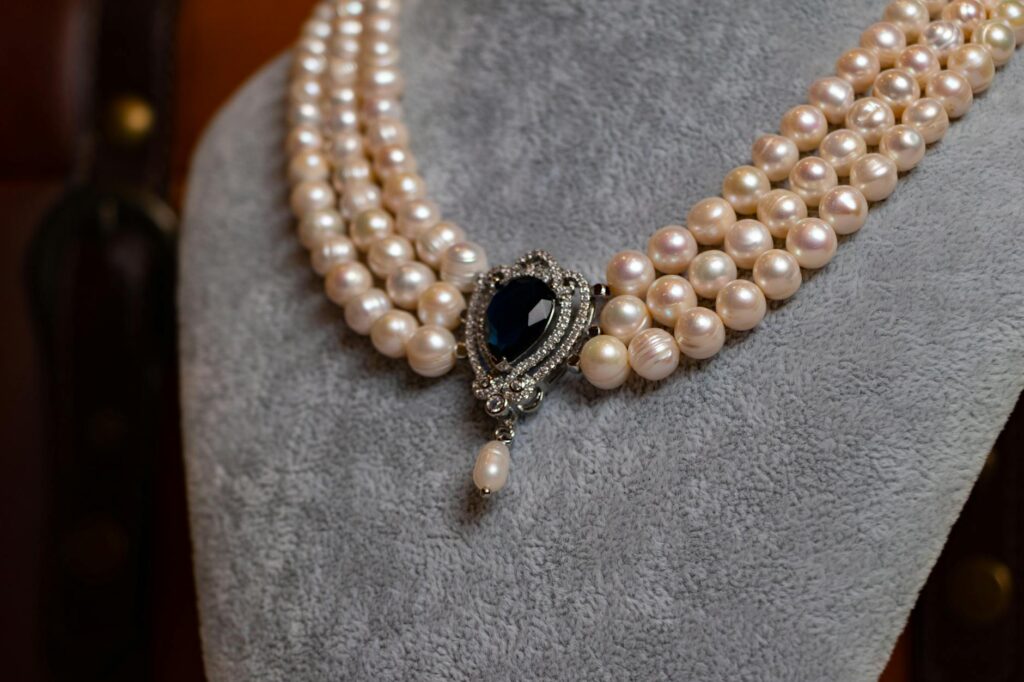
The most famous sapphires are blue, but even within this color family, there’s a vast spectrum. The ideal blue is often described as a vivid, medium blue, sometimes called ‘cornflower blue’ or ‘royal blue.’ These colors command the highest prices because they represent that perfect balance of hue, saturation, and tone.
However, sapphires can range from a very light, almost sky-blue to an intense, deep navy blue. Some blues can have secondary hues, like a violetish-blue or a greenish-blue. While a pure blue is often preferred, subtle violet overtones can be quite beautiful and sometimes more affordable. A strong greenish-blue, however, might be less desirable. I personally find the violet-blues to be incredibly captivating, especially when they catch the light just right.
Beyond Blue: The World of Fancy Sapphires
Here’s where things get really exciting for the beginner! Sapphires aren’t limited to blue. They exist in virtually every color of the rainbow, known as ‘fancy sapphires.’ This includes pink, yellow, orange, green, purple, and even colorless sapphires. The only color they don’t come in is red. those are rubies — which are technically the same mineral, corundum.
Each color has its own appeal and grading considerations. Pink sapphires, for example, can range from a delicate pastel to a vibrant hot pink. Yellow sapphires can offer a sunny alternative to yellow diamonds. Orange sapphires, especially those with a reddish-orange hue known as ‘padparadscha’ (a Sinhalese word meaning lotus color), are exceptionally rare and valuable. When I attended a gem show in 2023, I saw a set of padparadscha sapphires that were simply breathtaking – a delicate blend of pink and orange that I’d never truly appreciated until then.
How is Sapphire Color Graded? (The Expert’s View)
While there isn’t a universal ‘color grading scale’ for sapphires like the D-to-Z scale for diamonds, there are key factors that influence their value and desirability. It all comes back to that trifecta: hue, saturation, and tone. A skilled gemologist or experienced jeweler will assess these elements.
For blue sapphires:
- Hue: A pure, vibrant blue is ideal. Strong violet or green secondary hues can detract from value.
- Saturation: Vividness is key. Avoid stones that look dull, grey, or overly light.
- Tone: Medium to medium-dark is generally preferred. Too dark, and you lose color. too light, and it lacks presence.
For fancy colored sapphires, the grading principles are similar, but the ‘ideal’ color becomes more subjective and based on market demand for that specific hue.
The Impact of Treatments on Sapphire Color
Many sapphires on the market today have undergone heat treatment. Here’s a common and accepted industry practice that can improve the color and clarity of a sapphire. When done correctly, it’s a stable enhancement that makes otherwise less desirable stones more beautiful.
However, it’s Key to know if a sapphire has been treated. Untreated sapphires, especially those with exceptional color, are much rarer and command higher prices. You’ll find also other treatments like beryllium diffusion or fracture filling — which are less common and can be more controversial as they can sometimes alter or stabilize color in ways that are less permanent or aesthetically pleasing. Always ask your jeweler about any treatments. My first sapphire had a faint greenish tint that disappeared after a professional heat treatment I had done in 2019. it was a revelation.
What About Color Zoning in Sapphires?
Sapphires, being a natural mineral, can sometimes exhibit ‘color zoning.’ This means the color isn’t evenly distributed throughout the stone. You might see bands or patches of lighter or darker color, or even streaks of different hues. While some degree of zoning is common and acceptable, especially in certain origins, excessive or highly noticeable color zoning can detract from a sapphire’s beauty and value.
When examining a sapphire, turn it under a light. Do you see distinct bands of color? Does the color shift unevenly? If the zoning is very apparent, it might be a sign to look at other options. A well-cut sapphire can help mask minor zoning, but it’s something to be aware of.
My Firsthand Experience: Choosing a Sapphire Color
When I was helping a client find an engagement ring in late 2025, they were set on a blue sapphire. We looked at about a dozen stones. Many were beautiful, but one, in particular, stood out. It was a deep, velvety blue with just a hint of violet that shimmered as she moved it. It wasn’t the most saturated stone we saw, nor the darkest, but it had a ‘life’ to it that the others lacked. The color felt incredibly rich and deep, even though its official grade might not have been the absolute highest. This experience reinforced for me that while guidelines are important, personal connection to the color is really important. What I wish I knew earlier is that sometimes a slightly less ‘perfect’ stone in terms of grading can have more character and beauty.
Common Mistakes Beginners Make with Sapphire Color
The biggest mistake I see beginners make is assuming all blue sapphires are the same, or that a darker stone is always better. People often don’t ask about treatments, or they get swayed by a price that seems too good to be true without understanding why. Another mistake isn’t considering the metal color. A cool-toned blue sapphire might look stunning set in platinum or white gold, while a warmer blue or a sapphire with greenish undertones might be better suited for yellow gold.
Sapphire Color: Key Takeaways for Buyers
Shopping for a sapphire can be a wonderfully rewarding experience, especially when you understand what to look for in its color. Remember these points:
- It’s more than just blue: Explore the world of fancy colored sapphires.
- Hue, Saturation, Tone: These three factors define the quality of any sapphire’s color.
- Treatments Matter: Always ask about heat treatment and other enhancements.
- Color Zoning: Be aware of uneven color distribution.
- Personal Preference: In the end, choose the color that speaks to you.
Frequently Asked Questions
what’s the most valuable sapphire color?
The most valuable sapphire color is typically a vivid, pure blue, often referred to as royal or cornflower blue. These stones have excellent saturation and a medium tone, striking a perfect balance that’s highly sought after in the gem market.
Are lighter blue sapphires less valuable?
Lighter blue sapphires can be less valuable than their deeper, more saturated counterparts, especially if the lightness results in a weak or washed-out appearance. However, some lighter blues with excellent clarity and a beautiful hue can still be quite desirable and valuable.
Can sapphires change color?
While sapphires don’t typically change color like some other gemstones (e.g., alexandrite), their perceived color can change slightly depending on the lighting conditions and the presence of secondary hues. Treatments can also alter their color.
What does ‘eye-clean’ mean for sapphire color?
‘Eye-clean’ refers to a gemstone that has no visible inclusions or blemishes to the naked eye. For sapphire color, this means the stone’s hue, saturation, and tone aren’t obscured by internal flaws, allowing the color to display its full brilliance.
Is padparadscha sapphire the rarest color?
Yes, padparadscha sapphires — which exhibit a delicate blend of pink and orange, are among the rarest and most highly prized sapphire colors. Their unique hue and rarity make them exceptionally valuable, often exceeding the price of many fine blue sapphires.
My Take: Choosing the Right Sapphire Color for You
Don’t let the complexity of color grading intimidate you. As a beginner, focus on what you find beautiful. My journey from a muddy blue pendant to appreciating the subtle nuances of every shade has been fascinating. The most important thing is to find a sapphire whose color resonates with you personally. Whether it’s a classic blue, a vibrant pink, or a rare padparadscha, the ‘perfect’ sapphire color is the one that brings you joy every time you look at it. When you’re ready to explore these incredible colors in person, we invite you to visit Wilton Jewelers.
Editorial Note: This article was researched and written by the Wilton Jewelers editorial team. We fact-check our content and update it regularly. For questions or corrections, contact us.