Diamond Emerald Cut Diamond: Avoid These Costly Mistakes
Honestly, most people buying an emerald cut diamond dive in blind, assuming it’s just another diamond shape. But it’s not. The emerald cut diamond is a step cut, meaning it has parallel facets, not brilliant ones — which dramatically changes how it interacts with light. This unique characteristic means it shows color and inclusions more readily than other cuts. My goal here? To save you from the common pitfalls I’ve seen countless times over the last decade, making sure your beautiful emerald cut diamond purchase is a triumph, not a regret.
Last updated: April 18, 2026
What Makes an Emerald Cut Diamond So Special (and Tricky)?
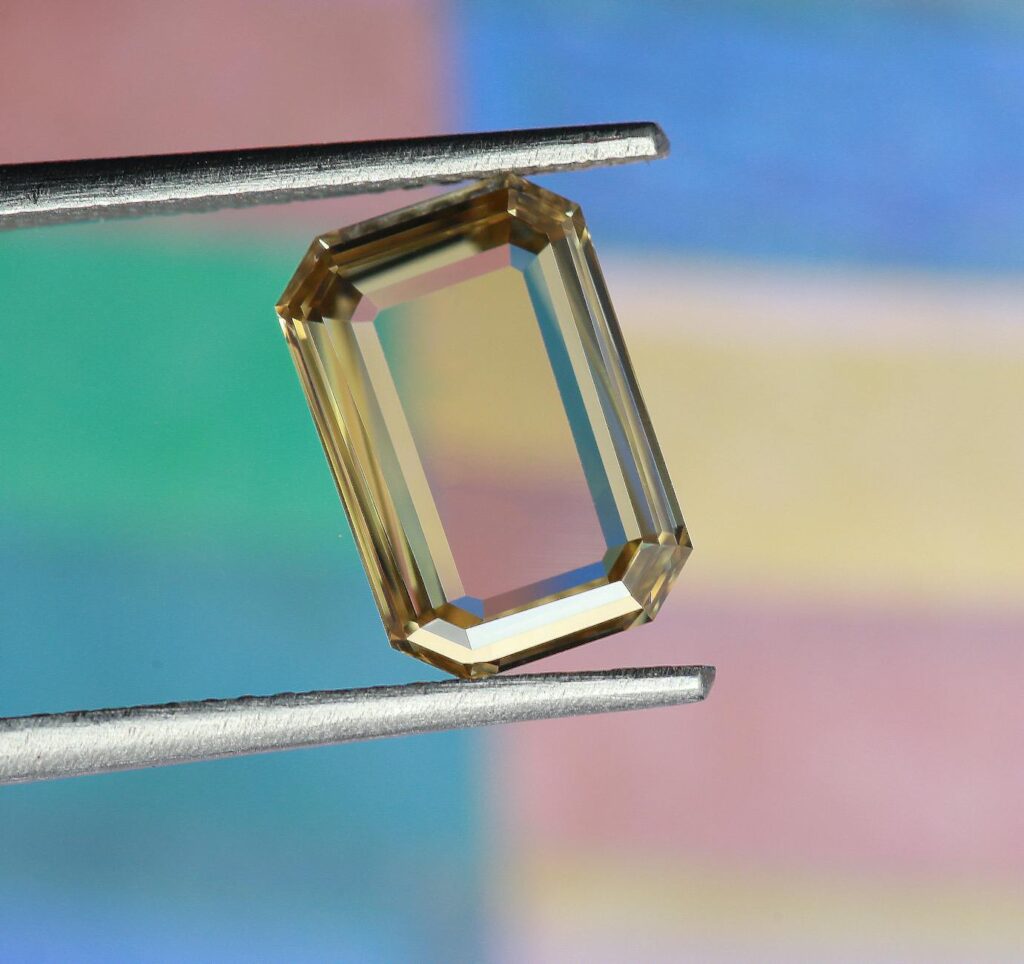
An emerald cut diamond is a rectangular or square shape with cropped corners and parallel, linear facets. Unlike brilliant cuts (like the round brilliant) — which are designed for maximum sparkle and light return, the emerald cut emphasizes clarity and geometric beauty. Think of it like a hall of mirrors. it reflects light in broad, elegant planes. This ‘step cut’ style means it doesn’t have the fiery sparkle of other cuts, but rather a sophisticated, icy luster. Here’s precisely why you need to be extra vigilant. The very things that make it unique also make it more susceptible to showing flaws. For instance, a diamond emerald cut diamond with a lower color grade might appear noticeably warmer than you’d expect because of those broad facets. Similarly, inclusions that would be hidden in a round brilliant can become glaringly obvious in an emerald cut.
Featured Snippet Answer: An emerald cut diamond is a step-cut gemstone known for its rectangular shape and cropped corners, featuring parallel facets that create a sophisticated, hall-of-mirrors effect. Its unique cut makes it more prone to showing color and inclusions, requiring careful attention to clarity and color grades during purchase.
Table of Contents
- What Makes an Emerald Cut Diamond So Special (and Tricky)?
- Mistake #1: Ignoring the Length-to-Width Ratio
- Mistake #2: Underestimating Clarity for Your Emerald Cut Diamond
- Mistake #3: Getting Too Hung Up on Color Grades
- Mistake #4: The Illusion of Size – What You’re Really Buying
- Mistake #5: Choosing the Wrong Setting for Your Emerald Cut Diamond
- Mistake #6: Skipping the GIA Certificate (or Trusting a Generic One)
- The Verdict on Buying Your Diamond Emerald Cut Diamond
- Frequently Asked Questions
Mistake #1: Ignoring the Length-to-Width Ratio
Here’s a big one, and it’s where personal preference really kicks in for an emerald cut diamond. The length-to-width ratio dictates whether your diamond will look long and elegant or more square. A ratio of 1.0 means it’s perfectly square. Most people opt for ratios between 1.30 and 1.50 for a classic elongated look. But here’s the catch: I’ve seen people fall for a diamond that looks way too squat or way too skinny because they didn’t pay attention to this number. A ratio that’s too high can make a diamond look less substantial, while one that’s too low might feel less like an emerald cut and more like a cushion cut.
Expert Tip: Don’t just look at the number. look at the diamond! Ask to see it from different angles. Sometimes a slightly higher or lower ratio than you initially planned can look stunning on your hand. For instance, if you have slender fingers, a more elongated emerald cut diamond can be incredibly flattering. Conversely, on a wider finger, a squarer cut might feel more balanced. It’s all about proportion.
Mistake #2: Underestimating Clarity for Your Emerald Cut Diamond
Remember those broad, open facets? They’re not forgiving. While a round brilliant can hide minor inclusions relatively well, an emerald cut diamond exposes them. Here’s why I tell everyone: for an emerald cut, clarity is king. Don’t skimp here. Aim for at least a VS (Very Slightly Included) grade, and ideally VVS (Very, Very Slightly Included) if your budget allows. Anything lower, like an SI (Slightly Included), and you run a serious risk of seeing visible flaws with the naked eye. It’s not just about the GIA clarity grade. it’s about where those inclusions are located. A feather near the edge might be more concerning than a tiny crystal right in the center that’s difficult to spot.
Important Note: While clarity is Key for emerald cuts, don’t fall into the trap of paying for a flawless (FL) or internally flawless (IF) diamond unless you absolutely have the budget and desire. The price jump for these top grades is astronomical, and the visual difference is often imperceptible to the untrained eye, especially compared to a VVS or VS stone. Focus your budget on a VS or VVS clarity where inclusions are genuinely difficult to see.
Mistake #3: Getting Too Hung Up on Color Grades
Here’s the flip side of clarity. While clarity is really important for an emerald cut diamond, color is where you might find some wiggle room to save money. The GIA color scale ranges from D (colorless) to Z (light colored). Because emerald cuts don’t have the same intense sparkle that masks color as well as brilliant cuts, you might think you need a D or E. However, I’ve found that going down to a G or even an H color grade for your emerald cut diamond often results in a stone that still appears beautifully white, especially when set in white gold or platinum. The broad facets tend to reflect surrounding colors, and a good setting can make a G or H look like a D.
Blockquote Stat: According to the Gemological Institute of America (GIA), “The color grade is determined by the absence of color in the diamond. The fewer color, the higher the grade.” For emerald cuts, this means even a few steps down the scale can offer significant savings without a drastic visual compromise. A G-grade emerald cut diamond typically has only faint traces of color visible only under 10x magnification by a trained grader.
Mistake #4: The Illusion of Size – What You’re Really Buying
People often associate emerald cuts with being larger than other shapes due to their faceting. This isn’t always true! Because of the way the facets are cut, an emerald cut diamond can sometimes appear smaller face-up than a round brilliant of the same carat weight. Here’s especially true if the diamond is very elongated or if the setting makes it seem smaller. What’s more, the shallower depth of some emerald cuts (to maximize face-up size) can compromise brilliance and structural integrity. You’re not just buying a carat weight. you’re buying a visual presence and a well-proportioned stone. Don’t assume a 2-carat emerald cut will look as big as a 2-carat round. It might look comparable, or even smaller, depending on the specific cut and proportions. Always compare them side-by-side if possible.
Expert Tip: If maximizing perceived size is a top priority for your emerald cut diamond, look for slightly longer length-to-width ratios (closer to 1.50 or even a bit higher) and consider how the setting will frame the stone. A halo setting, for example, can make the center stone appear larger.
Mistake #5: Choosing the Wrong Setting for Your Emerald Cut Diamond
The setting is Key for an emerald cut diamond. It needs to complement its clean lines and protect those vulnerable corners. A common error is choosing a setting that overwhelms the stone or, worse, leaves the corners exposed. Three-stone settings are popular for a reason – the side stones (often trapezoid or bullet cut) echo the emerald cut’s geometry. A classic solitaire with a four-prong setting can work, but you need to ensure the prongs adequately cover and protect the corners. Bezels are also a fantastic option for ultimate protection, though they do cover a bit of the diamond’s surface — which some people dislike. The wrong setting can make your stunning diamond emerald cut diamond look awkward or, worse, lead to chips.
Real-World Example: My friend Sarah got an absolutely gorgeous emerald cut diamond. She loved it, but within six months, she’d chipped one of the corners because she insisted on a super-minimalist, barely-there six-prong setting that didn’t offer enough protection. She ended up having to have it re-cut to remove the chip — which obviously reduced its size and value. A sturdy four-prong or a bezel would have saved her a lot of heartache and money.
Mistake #6: Skipping the GIA Certificate (or Trusting a Generic One)
Here’s non-negotiable. For any significant diamond purchase, especially a unique cut like the emerald cut diamond, you absolutely need a grading report from a reputable lab. The Gemological Institute of America (GIA) is the gold standard. Why? Because their grading is consistent and unbiased. Many retailers issue their own certificates, or certificates from less reputable labs — which can be wildly inaccurate – often grading a diamond’s color or clarity a full grade or two higher than it actually is. This means you’re paying for something you’re not getting. Always ask for the GIA report number and verify it on the GIA website ([external link anchor=’GIA’ url=’https://www.gia.edu/report-check-landing’]).
Pattern Interrupt: Don’t be swayed by terms like ‘excellent cut’ on a generic certificate for an emerald cut diamond. The GIA doesn’t assign an overall ‘cut grade’ to step cuts like emeralds because their brilliance characteristics are different from brilliant cuts. They will, however, detail specific measurements like table percentage, depth percentage, and polish/symmetry grades – these are the metrics that matter for an emerald cut’s quality.
The Verdict on Buying Your Diamond Emerald Cut Diamond
Buying an emerald cut diamond is a fantastic choice if you appreciate sophistication and classic elegance. It’s a cut that speaks of timeless style, far removed from fleeting trends. But you have to go in with your eyes wide open. Understand its unique characteristics – how it showcases color and inclusions differently, how its proportions matter immensely, and how its corners need protection. Don’t let the broad, beautiful planes fool you. these diamonds demand a discerning eye, especially prioritizing clarity, being flexible on color, understanding perceived size, choosing a protective setting, and always demanding a GIA report – you’ll be well on your way to finding that perfect diamond emerald cut diamond that you’ll cherish for a lifetime.
Frequently Asked Questions
Are emerald cut diamonds more expensive than round diamonds?
Generally, an emerald cut diamond of the same carat weight, color, and clarity will be less expensive than a round brilliant. That’s because the square shape yields more diamonds from the rough crystal, and the step-cut faceting is less complex to produce, making it a more budget-friendly option for its size.
Do emerald cut diamonds show fingerprints easily?
Yes, the large, flat facets of an emerald cut diamond tend to show fingerprints and smudges more readily than the numerous facets of a brilliant-cut diamond. Regular cleaning with a soft cloth is recommended to keep your diamond looking its best.
What does a 1.5 ratio mean for an emerald cut diamond?
A 1.5 length-to-width ratio for an emerald cut diamond means the diamond is 1.5 times longer than it’s wide. This proportion is considered a classic, elongated emerald cut and is very popular for engagement rings, offering a graceful and elegant appearance.
Can I get an emerald cut diamond with a lot of sparkle?
Emerald cut diamonds aren’t known for the intense ‘fire’ and ‘scintillation’ associated with brilliant cuts. Instead, they offer a sophisticated, icy luster and subtle flashes of light. If maximum sparkle is your priority, an emerald cut might not be the best choice. consider a round brilliant or cushion cut instead.
what’s the best clarity grade for an emerald cut diamond?
Due to their large, open facets, emerald cut diamonds are best purchased with a clarity grade of VS (Very Slightly Included) or higher. VS stones will have minor inclusions that are difficult to see with the naked eye, ensuring a clean appearance.
Source: GIA (Gemological Institute)
Editorial Note: This article was researched and written by the Wilton Jewelers editorial team. We fact-check our content and update it regularly. For questions or corrections, contact us.