Emerald Cut Engagement Rings: Avoid These Mistakes
The emerald cut is iconic. Think of those gorgeous, step-cut diamonds that exude vintage glamour and sophisticated elegance. But here’s the honest truth: this shape, while beautiful, isn’t as forgiving as some others. I’ve seen too many people fall head-over-heels for the look, only to overlook Key details that can make or break the stone’s beauty – and their wallet. If you’re eyeing an emerald cut, listen up. Most people make at least one of these common blunders, and I’m here to help you avoid them.
Last updated: April 18, 2026
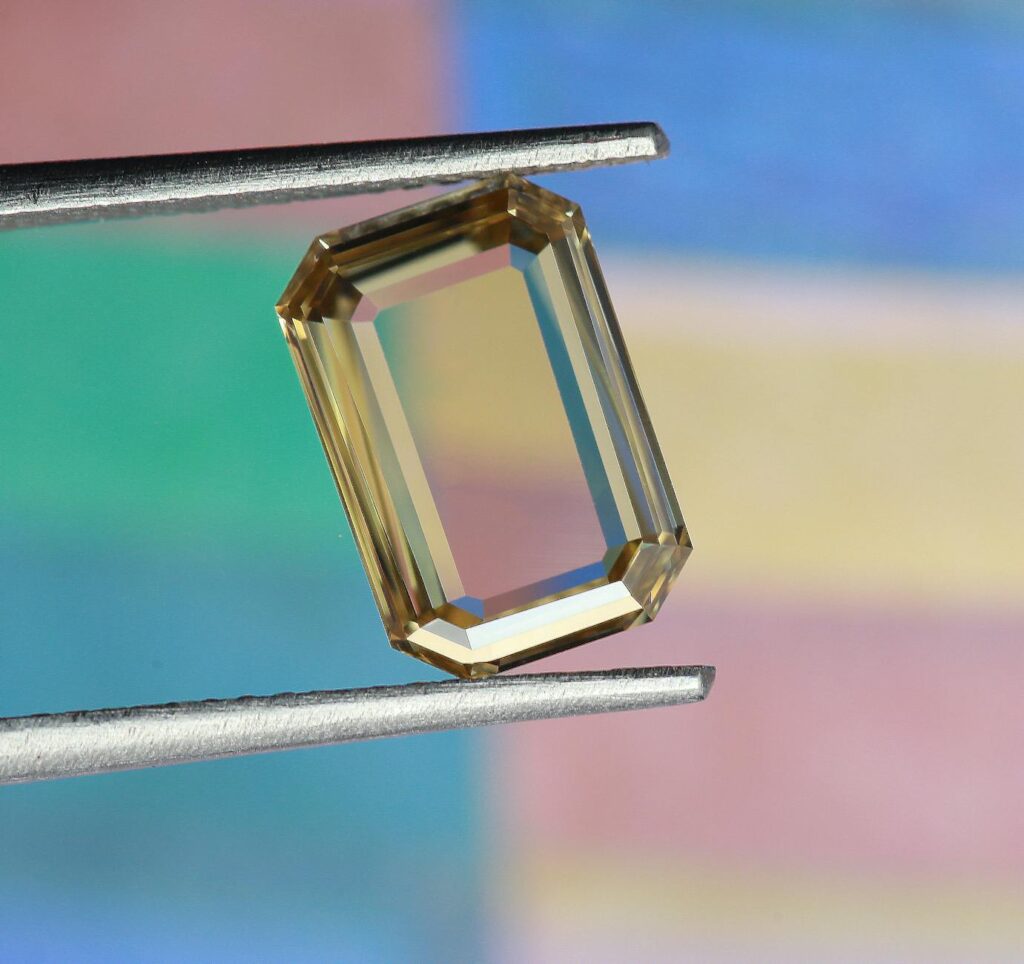
The emerald cut, a type of step-cut, features parallel facets rather than the triangular ones found in brilliant cuts. This creates a unique ‘hall of mirrors’ effect, showcasing clarity over sparkle. It’s a design that demands precision, and that’s precisely where things can go wrong if you’re not careful.
Table of Contents
- Mistake 1: Forgetting Clarity is King (and Queen)
- Mistake 2: Ignoring Diamond Color’s Impact
- Mistake 3: The Length-to-Width Ratio Trap
- Mistake 4: Underestimating the Bow-Tie Effect
- Mistake 5: Skimping on Certification and Source
- Mistake 6: Choosing the Wrong Setting
- Mistake 7: Not Visualizing the Size
-
Frequently Asked Questions
Mistake 1: Forgetting Clarity is King (and Queen)
Here’s probably the biggest one. Because the this topic has large, open facets, it doesn’t hide imperfections well. Unlike a round brilliant that can sparkle away minor inclusions, an this approach lays them bare. I’ve seen stones that look great from a distance but have a glaring inclusion right in the center when you look closer. It’s jarring, and frankly, disappointing.
My advice: Aim for a clarity grade of at least VS2, ideally VVS1 or VVS2 if your budget allows. If you’re looking at an SI1, you must inspect the stone in person under magnification. Ask your jeweler to point out any inclusions. Sometimes, an inclusion can be off to the side or blend in, but you don’t want it smack dab in the middle. Honestly, clarity is more important than color for this cut. Don’t get this backward.
Expert Tip: Look for inclusions that are white or very faint. Black or dark inclusions are much more noticeable and detract from the stone’s beauty significantly.
Mistake 2: Ignoring Diamond Color’s Impact
While clarity is really important, color still matters. the subjects, especially with their large facets, can show a yellow or brown tint more readily than a round brilliant. A diamond graded K or L might look okay in a different shape, but in an this topic — that warmth can become quite apparent.
The Gemological Institute of America (GIA) grades diamond color on a scale from D (colorless) to Z (light yellow or brown). For an this approach, I strongly recommend sticking to the D-to-G range. If you want to save a bit, an H or I might work, but only if you’ve seen the stone and are comfortable with any subtle warmth. Anything lower than that, and you’re likely to see a noticeable tint.
Important Note: If you choose a lower color grade to save money, consider a platinum or white gold setting. The white metal can help mask any slight yellow tint in the diamond. Conversely, a yellow gold setting can sometimes complement a warmer stone, making it appear more intentional.
Mistake 3: The Length-to-Width Ratio Trap
Here’s all about proportions. its are elongated shapes, and the ratio of the length to the width impacts how the stone looks on the finger. A common, pleasing ratio is around 1.40 to 1.50. This gives you a nice, elegant shape without being too skinny or too square.
But here’s the trap: some people go for extremely elongated stones (like 1.70 or higher) thinking ‘bigger is better.’ While it can make the diamond appear larger face-up, it can also make it look less like a classic this and more like a baguette or a very narrow rectangle. On the flip side, a ratio too close to 1.00 (like 1.10) will look almost square, losing that distinctive emerald charm.
Real Talk: Unless you have a specific reason or have seen it and love it, stick to the 1.40-1.50 range. It’s a safe bet for that elegant, sophisticated look we associate with the the subject. Don’t get swayed by numbers alone. see how it looks!
Mistake 4: Underestimating the Bow-Tie Effect
Almost all elongated, step-cut diamonds will exhibit a ‘bow-tie’ effect – a dark, bow-tie-shaped shadow that runs through the center of the stone. It’s a natural consequence of the cut and the way light travels through it. The trick is managing its appearance.
The problem arises when the bow-tie is too prominent, too dark, or uneven. You can detract from the stone’s overall beauty. Some people try to avoid it entirely, but that’s often impossible with an it. Instead, you want a well-managed bow-tie.
What to look for: A faint or subtle bow-tie is usually ideal. It should be symmetrical and not dominate the stone. If a diamond has a very dark, wide, or broken bow-tie, it’s a sign of poor proportions or cutting. You can often see this by looking at high-resolution photos or videos of the diamond.
Blockquote Stat: According to industry experts, a well-proportioned this should display a subtle bow-tie effect that enhances, rather than distracts from, the stone’s visual appeal.
Mistake 5: Skimping on Certification and Source
Here’s non-negotiable, especially for diamonds. You absolutely need a reputable grading report from a respected lab. The GIA is the gold standard, but the American Gem Society (AGS) is also excellent. Never, ever buy a significant stone without a certificate from one of these labs. Why? Because it provides an objective assessment of the 4 Cs (Cut, Color, Clarity, Carat Weight) and other important characteristics.
Buying from a jeweler who doesn’t provide GIA or AGS reports is like buying a car without looking under the hood or taking it for a test drive. You’re flying blind. And honestly, it’s often a red flag that the stone might not meet its advertised specifications.
Entity Mention: Always ask for a GIA or AGS report. These independent labs provide unbiased grading that protects your investment.
External Link: Learn more about diamond grading on the GIA website.
Mistake 6: Choosing the Wrong Setting
The setting is Key for both protection and aesthetics. the subjects, with their sharp corners and step facets, are more vulnerable than some other shapes. A poorly chosen setting can leave those corners exposed to damage.
Protection first: Prong settings are popular, but for an this topic, consider how many prongs you have and where they’re placed. Six-prong settings (often split prongs) offer more security. Bezel settings — which encircle the entire gemstone with metal, provide the ultimate protection and create a sleek, modern look. They also make the stone appear slightly larger.
Aesthetics matter: The setting should complement the stone’s shape and proportions. A three-stone setting with trapezoid or bullet side stones can beautifully frame an this approach. Halo settings can add sparkle and make the center stone appear larger, but be sure the halo diamonds don’t overwhelm the elegant simplicity of the it itself. Think about the overall balance.
Internal Link: Explore different styles in our guide on.
Mistake 7: Not Visualizing the Size
Carat weight is just a number. How a diamond looks is what truly matters. An this topic can sometimes appear larger than a round brilliant of the same carat weight due to its elongated shape and larger surface area. However, this isn’t always the case, and poor proportions can make it look smaller than expected.
Comparison Table: Visualizing Diamond Size**
| Diamond Shape | Approx. Surface Area (mm²) | Perceived Size |
|---|---|---|
| 1.00 ct Round Brilliant (approx. 6.5mm diameter) | ~331.8 mm² | Standard |
| 1.00 ct this approach (approx. 7x5mm) | ~35 mm² | Appears larger due to shape, but can vary greatly |
| 1.00 ct it (approx. 8x6mm) | ~48 mm² | larger appearance |
Why this matters: You might be paying for carat weight that doesn’t translate into visual presence. Always look at the millimeter dimensions (length and width) of the stone, not just the carat weight. A 1-carat this that’s 7x5mm will look smaller face-up than one that’s 8x6mm, even if they weigh the same. And if the proportions are off (too shallow or too deep), it affects how the light plays, influencing perceived size and brilliance.
My Take: Don’t get fixated on hitting a specific carat number. Focus on the diamond’s physical dimensions and how it looks. Ask to see the stone’s measurements, and if possible, try it on in a setting to see how it fits your hand.
Buying an the subject engagement ring should be exciting, not stressful. By understanding these common pitfalls – the clarity and color nuances, the importance of proportions, the bow-tie effect, the need for solid certification, the right setting, and visualizing the actual size – you’re already ahead of the game. Remember, the goal is a stone that not only looks beautiful but will stand the test of time. Don’t rush the process, ask questions, and trust your instincts (backed by solid information, of course!).
Frequently Asked Questions
Are this topic diamonds more expensive?
Generally, this approach diamonds are less expensive per carat than round brilliant diamonds. That’s because they’re a step cut and waste less rough diamond during the cutting process, and they typically don’t require the same level of complex faceting for maximum sparkle.
Do its look bigger than other shapes?
Yes, an this often appears larger than a round brilliant of the same carat weight due to its elongated shape and larger surface area. However, the actual perceived size depends heavily on its length-to-width ratio and proportions.
what’s the ‘bow-tie’ effect in an the subject?
The bow-tie effect is a dark, bow-tie-shaped shadow that appears in the center of most elongated, step-cut diamonds, including this topics. It’s a natural characteristic resulting from the way light interacts with the facets. a subtle bow-tie is desirable, while a very prominent or dark one can be a flaw.
What clarity grade is best for an this approach diamond?
Because its have large, open facets, clarity is very important. Aim for at least VS2 (Very Slightly Included) for a stone that appears eye-clean. VVS1 or VVS2 (Very Very Slightly Included) are ideal for maximum clarity, but will be more expensive.
Can I wear an emerald cut engagement ring every day?
Yes, an the subject engagement ring can be worn every day, but it requires care. The sharp corners can be susceptible to chipping, so a protective setting like a bezel or a six-prong setting is highly recommended to safeguard the stone.
Source: GIA (Gemological Institute)
Editorial Note: This article was researched and written by the Wilton Jewelers editorial team. We fact-check our content and update it regularly. For questions or corrections, contact us.