
Smartwatch vs. Traditional Watch: Which is Best for You in 2026?
This guide covers everything about best smartwatch vs traditional watch comparison. Gazing down at your wrist, you might ask yourself: is the future a shiny screen or the ageless allure of traditional gears? The showdown between the best smartwatch and traditional watch isn’t just about ticking along. it’s about what you actually care about most in a wrist accessory. For many folks, it’s really a classic tussle: digital wonders vs. old-school craftsmanship. This handy guide helps you figure that out, making sure you grab the timepiece that truly fits your life and style like a glove.
Last updated: April 18, 2026
When talking about comparing the top smartwatch to a traditional watch, a smartwatch shines in mingling, tracking your health, and pinging with notifications — making life pretty breezy. But a traditional watch? It wins with its evergreen looks, mechanical wonders, and often, it sticks around longer in value. What you pick totally depends on your vibe, how you live, and what looks good on you.
Table of Contents
What Exactly is a Smartwatch?
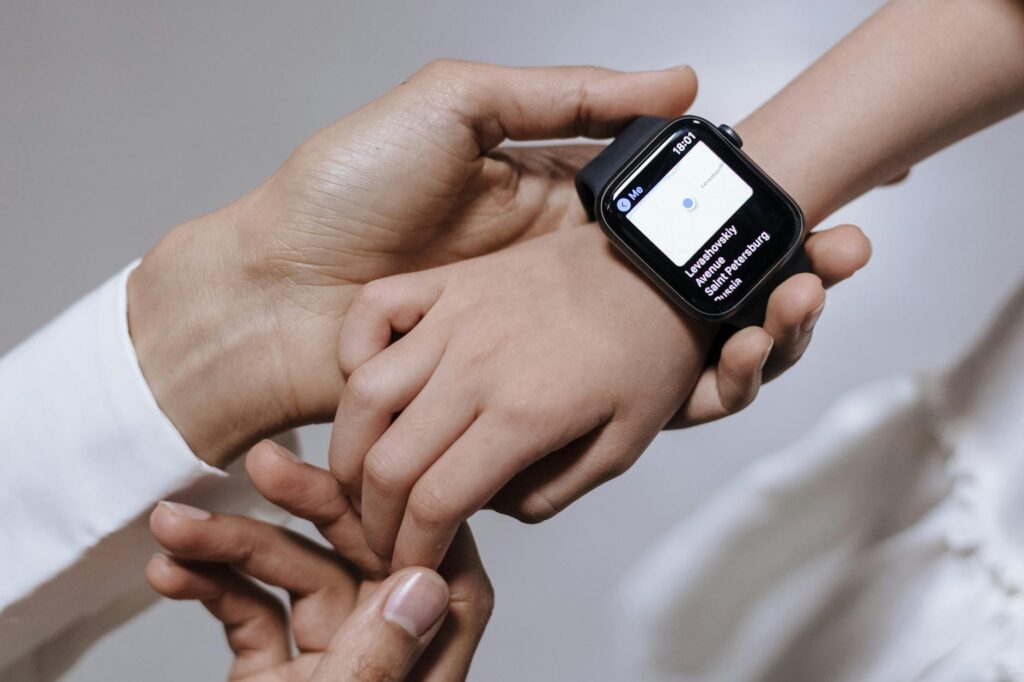
So, a smartwatch is pretty much a tiny computer on your wrist. It cozies up with your smartphone, doing all sorts of digital stuff way beyond just showing time. It’s like an extra set of hands for your phone — buzzing with notifications, tracking your fitness, handling tap-and-go payments, and running all sorts of apps.
Companies like Apple with the Apple Watch Series 9 and Samsung with its What Defines a Traditional Watch?
Now, a traditional watch is all about the beauty of time told by hands on a dial. You’ve got quartz jobs (battery-run, super precise) or mechanical wonders (those you wind by hand or just wear and they work). Brands like Rolex, Omega, and Seiko have honed these beauties for ages. The thing about a classic watch is its hand-made charm, lineage, and looks (which, let’s be honest, are why we love ’em). They’re like a personal statement and can be passed down through generations. While they mainly keep time, some offer extras like date windows, stopwatches, or even moon phases. The big split is really what they’re for and how they tick. Smartwatches are digital champs, eager to keep us linked and handy, while traditional watches stay true to precise timekeeping and killer style. This basic contrast rolls out into everything: from features and battery life to upkeep and what they might be worth down the road. Smartwatches pack a crazy amount of goodies. You can take calls, text back, jam to tunes, find your way with GPS, pay for stuff with a handheld swipe via Apple Pay or Google Pay, and keep a close eye on your health stats (steps, heart rate, sleep, oxygen levels). They’re running apps, checking the weather, and even helping you snap photos from afar. Traditional watches keep time with soul. The basics? Hours, minutes, and seconds. But if you spring for the fancier stuff, you might get a date display, stopwatch feature or even a calendar that never needs tweaking. Their smarts are all mechanical or quartz-style — no software in sight. Smartwatches go for that modern, sporty, or clean look, often with snazzy watch faces and swap-out bands. Old-school watches come in every flavor, from tough divers like the Rolex Submariner to those swanky, formal numbers. Their looks are a huge part of their charm, with materials like stainless steel, gold, titanium, and sapphire crystal upping the wow factor. Smartwatches are wired to stay connected, usually by Bluetooth to your phone, and they often have their own Wi-Fi or cell features. Traditional watches? They’re lone wolves, doing their job without needing any other tech. It’s that self-sufficient nature that draws a lot of folks in. The choice between the best smartwatch and a traditional watch is a personal one. What do you do? What’s most important to you? And what’re you hoping to get from a watch? If you’re always on the tech train, love to clock your workouts with detail-by-detail metrics, and dig the ease of on-the-go notifications and payments, a smartwatch’s your thing. Brands like Garmin have killer sports-focused watches, while Apple and Samsung give you a more all-around service. If you see your watch as a jewel, a relic, or a sign of lasting class, then an old-school watch is your jam. For fans of mechanical wonder and timeless looks, brands like Patek Philippe or Omega offer unmatched artistry. Even when spending less, brands like Seiko give great bang for your buck and some serious craft. If you like to keep things separate, skip infinity notifications, and appreciate simplicity, a traditional watch is just the ticket. It does its job beautifully without needing constant charging or attention. Unlike many smartwatches that lose value fast, certain traditional watches, especially those from hotshot brands like Rolex or Audemars Piguet, can hold their value or even get more valuable with time. Though, this isn’t a guarantee.
“The magic of mechanical watches is in their intricate engineering and the fact that they’re a solid piece of time, unlike just a digital display.” – Hodinkee, a pioneering watch publication. Get deeper into watch collecting.
One big factor when deciding between the best smartwatch and a traditional watch is how you treat them. Smartwatches are tech gadgets. you gotta charge them, update their software, and keep them away from water (unless they say they’re water-resistant). Their life often depends on the battery and how fast the tech ages out. Traditional watches, especially mechanical ones, are another story. Quartz watches just need a new battery every so often. But those mechanical beauties? They need regular TLC from a skilled watchmaker — every 5-7 years is ideal. It’s a cost, sure, but it’s the key to keeping them running. When thinking about which holds better long-term value, the best smartwatch vs traditional watch debate usually leans traditional. Smartwatches, like most gadgets, lose value quickly. A few years in, they’re likely outdone by newer, snazzier models. On the flip side, a well-cared-for mechanical watch from a known name can keep its value. Some models by names like Rolex, Patek Philippe, or Audemars Piguet have seen value hikes, turning them into not just time-telling jewels but investment pieces. Still, it’s a niche market, and not every classic watch goes up in price.What Are the Key Differences in a Smartwatch vs. Traditional Watch Comparison?
Smartwatch Functionality
Traditional Watch Functionality
Design and Aesthetics
Connectivity and Independence
Smartwatch: The High-Tech Contender
Traditional Watch: The Enduring Classic
Who Should Choose Which Type of Watch?
For the Tech-Savvy Fitness Enthusiast
For the Style-Conscious Traditionalist
For the Minimalist or Digital Detoxer
For the Value Investor
Maintenance and Care: A Key Difference
Value and Investment: What’s the Long-Term Picture?
| Feature | Smartwatch (e.g., Apple Watch, Samsung Galaxy Watch) | Traditional Watch (e.g., Rolex, Seiko, Omega) |
|---|---|---|
| Primary Function | Connectivity, notifications, health tracking, apps | Timekeeping, aesthetic, craftsmanship |
| Power Source | Rechargeable battery (daily charging) | Battery (quartz) or self-winding/manual winding (mechanical) |
| Lifespan | 3-5 years (tech obsolescence, battery degradation) | Decades, potentially generations (with maintenance) |
| Value Retention | Poor, depreciates rapidly | Variable; high-end models can hold or appreciate |
| Maintenance | Software updates, charging, physical care | Battery replacement (quartz), servicing (mechanical) |
| Connectivity | High (Bluetooth, Wi-Fi, Cellular optional) | None |
| Health Tracking | Advanced (HR, SpO2, ECG, Sleep) | None (basic timekeeping) |
| Style Options | Customizable faces, interchangeable bands | Vast range of designs, materials, and movements |
Frequently Asked Questions
Is a smartwatch better than a traditional watch for everyday wear?
Daily? A smartwatch makes life easier with alarms, health checks, and quick info grabs. But, if you’re more into timeless pizzazz, long-lasting gear, and something that doesn’t need a charge, a traditional watch might fit better day-to-day.
Can traditional watches be considered an investment?
Yep, some traditional watches, especially luxury ones from Rolex or Patek Philippe, can be great investments because of their craft, scarcity, and market demand. But remember, not all of them rise in worth.
How often do smartwatches need to be replaced?
Typically, smartwatches get swapped out every 3 to 5 years. Tech advances, battery wear, and that itch for new features drive replacements. They’re more like regular gadgets than family treasures.
What are the maintenance costs for each type of watch?
Smartwatch upkeep isn’t too costly, mainly for charging and maybe a new screen protector now and then. Those mechanical watches, however, need a professional service every 5-7 years — which can set you back a few hundred dollars depending on their complexity.
Which type of watch is more durable?
In general, a sturdy traditional watch, especially one for sport or diving, is more durable and can withstand rough conditions better than the average smartwatch. they’re built tough and have fewer electronics to fail or screens to shatter.
Find Your Perfect Timepiece: Smartwatch vs. Traditional Watch
The big takeaway in the smartwatch vs. traditional watch duel is they’re both winners depending on what you need. Your lifestyle dictates your pick. If you need connectivity, love data, and want today’s tech, a smartwatch from Apple or Samsung makes a fantastic buddy. But if you adore craftsmanship, classic looks, and a break from digital overload, traditional picks from Seiko, Omega, or Rolex are calling. Think about what’s most important to you in a watch, and choose the one you’ll cherish for years to come.
Source: Britannica
Editorial Note: This article was researched and written by the Wilton Jewelers editorial team. We fact-check our content and update it regularly. For questions or corrections, contact us.