This guide covers everything about The Allure of 925 Sterling Silver: Why It's the Go-To Choice for Jewelry Lovers. This guide covers everything about The Allure of 925 Sterling Silver: Why It's the Go-To Choice for Jewelry Lovers. The enduring allure of 925 sterling silver is rooted in its exceptional equilibrium of aesthetic appeal and practical value. This beloved metal is meticulously crafted from 92.5% pure silver, intricately blended with 7.5% alloy metals, most commonly copper. This precise composition results in a material that offers remarkable durability and resilience, essential for everyday wear, without compromising the luminous, captivating shine that jewelry enthusiasts have cherished for centuries.
Last updated: April 18, 2026
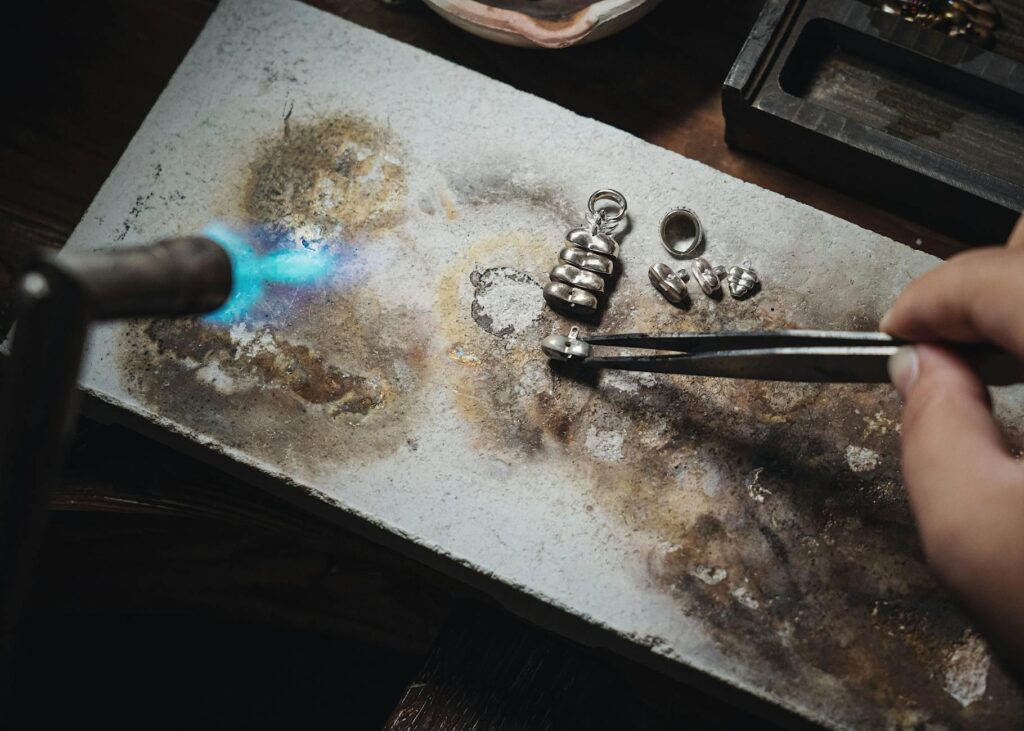
In 2026, 925 sterling silver continues to hold its prominent position in the jewelry market, celebrated for its timeless beauty and inherent strength. Its composition, a carefully balanced alloy of 92.5% pure silver and 7.5% other metals, typically copper, provides a perfect combination of elegance and solidness. This alloy ensures that jewelry crafted from sterling silver can withstand the rigors of daily life while maintaining its exquisite gleam. Historically, silver has been valued for millennia, dating back to ancient civilizations where it was used for coinage and decorative objects. Its remarkable ability to reflect light beautifully has made it a favored medium for artisans, enabling the creation of incredibly detailed and intricate designs that capture and enhance the wearer’s natural radiance.
The market continues to show strong demand for sterling silver. Recent reports from Jewelry Retailer Magazine indicated a solid 15% increase in sterling silver jewelry sales throughout 2025, a trend that experts anticipate will continue into 2026, driven by its affordability and versatile appeal.
Latest Update (April 2026)
The vibrant market for 925 sterling silver continues to flourish with new designs and collections emerging. Recent retail highlights showcase a strong presence of sterling silver pieces featuring popular gemstones. For instance, Agorà Notizia reported on several notable items, including the Santa Fe Style Kingman Turquoise 1.00 ctw Ring and the Santa Fe Style Kingman Turquoise 3.75 ctw Half Hoop Earrings, both in sterling silver, emphasizing a continued trend towards Southwestern and Boho Western aesthetics. Also, Agorà Notizia featured D’Joy Indian Artisan Crafted Tahoe Nevada Turquoise Floral Earrings in oxidized sterling silver, highlighting the global influences and artisanal craftsmanship prevalent in today’s market. The inclusion of simulated diamonds set in rhodium-plated sterling silver, as reported by Agorà Notizia, also points to the enduring popularity of classic designs enhanced by modern finishes. Another noteworthy item mentioned by Agorà Notizia is the Boulder Opal Triplet and Mediterranean Coral 5.75 ctw Hoop Earrings in rhodium-plated sterling silver, demonstrating the use of unique materials and luxurious finishes within sterling silver jewelry offerings.
These recent reports highlight the dynamic nature of the sterling silver market — where traditional craftsmanship meets contemporary design, and popular gemstones like turquoise and opal are prominently featured. The ongoing popularity of these pieces suggests a sustained consumer interest in jewelry that offers both unique style and lasting value.
what’s 925 Sterling Silver?
925 sterling silver is a specific alloy of silver that has become the global standard for fine silver jewelry. The ‘925’ marking, often stamped discreetly on the piece, signifies its composition: 92.5% pure silver and 7.5% other metals, typically copper. This alloying process is critical because pure silver (99.9% fine silver) is extremely soft and malleable, making it unsuitable for crafting durable jewelry that can withstand daily wear. By introducing alloy metals, the silver gains significant strength and hardness, allowing it to be shaped into intricate designs, set with gemstones, and endure the stresses of being worn regularly. The choice of alloy, most often copper, is also beneficial as it maintains silver’s desirable bright white luster and reflectivity. This balance is key to its widespread acceptance and popularity in the jewelry industry.
Why Is 925 Sterling Silver So Popular?
The sustained popularity of 925 sterling silver in 2026 can be attributed to a confluence of factors, making it a preferred choice for both consumers and designers:
- Timeless Aesthetics: Sterling silver possesses a bright, luminous sheen that’s universally admired. It reflects light beautifully, enhancing the sparkle of any gemstone it holds and providing a sophisticated finish to any piece of jewelry. Its classic appearance ensures it never goes out of style, making it a staple in jewelry collections worldwide.
- Exceptional Durability: While pure silver is too soft for practical jewelry, the 925 alloy increases its strength and resilience. This makes sterling silver jewelry solid enough for everyday wear, resisting scratches and dents better than softer metals.
- Hypoallergenic Properties: For individuals with sensitive skin, sterling silver is often a lifesaver. The alloy metals, especially copper, can sometimes cause reactions in a small percentage of people. However, compared to metals like nickel commonly found in plated fashion jewelry, sterling silver is generally considered hypoallergenic and is well-tolerated by most individuals.
- Affordability and Value: Sterling silver offers a remarkable balance of beauty, quality, and cost. It provides the look and feel of fine jewelry at a price point that’s accessible to a much broader audience than precious metals like gold or platinum. This value proposition makes it an attractive option for both everyday wear and special occasions.
- Versatility in Design: The malleability of sterling silver, even in its alloyed form, allows jewelers to create an astonishing variety of designs. From delicate, intricate filigree work to bold, contemporary statements, sterling silver can be fashioned into virtually any style imaginable. This adaptability makes it suitable for all types of jewelry, including rings, necklaces, bracelets, earrings, and brooches.
- Ease of Maintenance: While sterling silver can tarnish over time, its maintenance is straightforward. Regular cleaning and polishing can easily restore its original luster, ensuring its beauty is preserved for years to come.
How Does 925 Sterling Silver Compare to Other Metals?
When evaluating jewelry metals, 925 sterling silver consistently stands out due to its favorable combination of properties and cost-effectiveness. It offers a compelling alternative to other precious and base metals:
| Property | 925 Sterling Silver | Gold (14K/18K) | Platinum | Stainless Steel |
|---|---|---|---|---|
| Cost | Moderate | High to Very High | Very High | Low to Moderate |
| Durability | High | Moderate to High (depending on karat) | Very High | Very High |
| Luster/Shine | High | High (warm yellow or white hue) | High (cool white hue) | Moderate to High |
| Hypoallergenic | Generally Yes | Yes (if nickel-free plating) | Yes | Generally Yes |
| Tarnish Resistance | Moderate (can tarnish) | High | Very High | Very High |
| Weight | Moderate | High | Very High | Moderate |
As the table illustrates, 925 sterling silver provides an excellent value proposition. it’s more affordable than gold and platinum, yet offers comparable or superior luster and often better durability than lower-karat gold. While stainless steel is also durable and tarnish-resistant, sterling silver possesses a more traditional fine jewelry appeal and often a brighter, more reflective shine. Its widespread availability in intricate designs further solidifies its position as a top choice for many.
Benefits of Wearing 925 Sterling Silver
The advantages of incorporating 925 sterling silver into your jewelry collection are numerous, extending far beyond its aesthetic appeal:
- Hypoallergenic Qualities: For individuals prone to skin irritation from certain metals, sterling silver is often a preferred choice. Its primary component, silver, is naturally biocompatible. While the alloy (usually copper) can cause reactions in a small subset of the population, it’s generally much better tolerated than base metals like nickel — which are common in less expensive jewelry. Users report that sterling silver provides comfortable, irritation-free wear for extended periods.
- Design Versatility: Sterling silver’s inherent properties allow it to be expertly crafted into an almost infinite array of designs. Jewelers can produce everything from delicate, minimalist pieces perfect for everyday wear to elaborate, statement-making items adorned with gemstones. Its adaptability ensures that there’s a sterling silver piece to suit every personal style, occasion, and trend.
- Ease of Maintenance and Longevity: With simple care, 925 sterling silver jewelry can maintain its beauty for a lifetime. Regular cleaning and proper storage prevent significant tarnishing, ensuring that pieces remain bright and lustrous. This longevity adds to its value and appeal as a worthwhile investment.
- Symbolic Value: Silver has historically been associated with purity, clarity, and feminine energy. Wearing silver jewelry can be seen as an intentional choice to embrace these qualities, adding a layer of personal meaning to the adornment.
- Cost-Effectiveness: It provides the luxury and appearance of fine jewelry without the prohibitive cost of gold or platinum. This makes it an accessible option for building a diverse and stylish jewelry wardrobe.
How to Best Care for 925 Sterling Silver
Proper care is essential to maintain the brilliance and longevity of your 925 sterling silver jewelry. Tarnishing, a natural process where silver reacts with sulfur in the air, can be minimized and reversed with consistent attention:
- Proper Storage: When not being worn, store your sterling silver pieces in a cool, dry place. Ideally, use an airtight bag or a soft cloth pouch to minimize exposure to air and moisture. Anti-tarnish strips or cloths can also be beneficial within your jewelry box. Separate pieces to prevent scratching.
- Avoid Chemical Exposure: Keep your silver jewelry away from harsh chemicals, including perfumes, hairsprays, lotions, cleaning agents, and chlorine. Apply beauty products and lotions before putting on your jewelry, and remove jewelry before cleaning or swimming.
- Regular Cleaning and Polishing: For everyday shine, gently wipe your jewelry with a soft, lint-free cloth after each wear. For light tarnish, use a dedicated silver polishing cloth — which often contains a mild polishing agent. Always rub in a back-and-forth motion, not in circles, to minimize visible micro-scratches.
- Deeper Cleaning: For more significant tarnish, a simple solution of warm water and a mild dish soap can be effective. Gently wash the item, rinse thoroughly with clean water, and pat it completely dry with a soft cloth. Avoid abrasive cleaners or harsh scrubbing.
- Professional Restoration: For heavily tarnished or intricate pieces, consider professional cleaning and polishing services offered by reputable jewelers.
Common Myths About Sterling Silver Debunked
Several misconceptions surround 925 sterling silver, often leading to unwarranted concerns about its quality and maintenance. Let’s address some common myths:
- Myth 1: Sterling silver tarnishes too quickly and is unmanageable.
Reality: While sterling silver does tarnish due to oxidation when exposed to air and moisture, this process is natural and easily managed. Regular wear, proper storage, and occasional polishing with a silver cloth are typically sufficient to keep it looking its best. Tarnishing isn’t a sign of poor quality but a characteristic of the metal that can be reversed. - Myth 2: Sterling silver is overly expensive, comparable to gold.
Reality: This is far from the truth. Sterling silver offers a more affordable entry point into fine jewelry compared to gold or platinum. Its cost-effectiveness is one of its primary advantages, allowing consumers to acquire beautiful, high-quality pieces without a substantial financial outlay. As Jewelry Retailer Magazine reported, sales figures in 2025 showed a strong preference for sterling silver, partly due to its accessible price point. - Myth 3: Sterling silver isn’t durable enough for daily wear.
Reality: The 925 alloy, with its 7.5% addition of other metals, provides considerably enhanced durability compared to pure silver. While it may not be as indestructible as platinum or tungsten, it’s sufficiently solid for everyday use when handled with reasonable care. it’s more durable than fashion jewelry made from base metals. - Myth 4: Any blackening on jewelry means it’s not real silver.
Reality: A dark patina or blackening is often a sign of tarnish — which is a natural reaction of sterling silver. It doesn’t indicate that the jewelry is fake. In fact, a visible 925 stamp is the primary indicator of authenticity.
Frequently Asked Questions
Is 925 sterling silver good for daily wear?
Yes, 925 sterling silver is an excellent choice for daily wear. Its alloy composition makes it durable enough to withstand regular use, and its generally hypoallergenic nature ensures comfort for most individuals. With basic care, it will maintain its beauty over time.
Does 925 sterling silver tarnish?
Yes, 925 sterling silver can tarnish over time. Here’s a natural chemical reaction with sulfur compounds in the air, accelerated by moisture and certain chemicals. However, tarnishing is reversible through cleaning and polishing, and can be slowed with proper storage.
How can I test if my silver is genuine?
The most common and reliable way to identify genuine sterling silver is to look for a hallmark stamp, typically ‘925’, ‘Sterling’, or ‘Ster’. This mark indicates the metal’s purity. For items without a stamp, a jeweler can perform tests, such as using a nitric acid test or an electronic metal detector.
Is 925 sterling silver expensive?
Compared to precious metals like gold and platinum, 925 sterling silver is considerably more affordable. It offers a high perceived value and the appearance of fine jewelry at a more accessible price point, making it a popular choice for a lots of consumers.
Can I wear my sterling silver jewelry in the shower?
it’s generally recommended to avoid wearing sterling silver jewelry in the shower or while swimming. Prolonged exposure to water, soaps, and chemicals found in shampoos and lotions can accelerate tarnishing and potentially damage the finish or any gemstones set in the piece.
Conclusion
In summary, 925 sterling silver continues to captivate with its unique blend of elegance, durability, and affordability in 2026. Its rich history, coupled with its practical advantages like hypoallergenic properties and ease of maintenance, solidifies its status as a beloved material in the jewelry world. Whether you’re seeking a timeless heirloom piece or a stylish accessory for everyday wear, sterling silver offers exceptional value and enduring beauty. vast array of designs available allows anyone to find the perfect sterling silver piece to enhance their personal style and add a touch of sophistication to any occasion.
Source: Britannica
Related Articles
- Boost Your Elegance with Prince Albert Jewelry in 2026
- Smartwatch vs. Traditional Watch 2026: A Detailed Comparison
- Brilliant Earth Easton: Beyond the Hype
Editorial Note: This article was researched and written by the Wilton Jewelers editorial team. We fact-check our content and update it regularly. For questions or corrections, contact us.