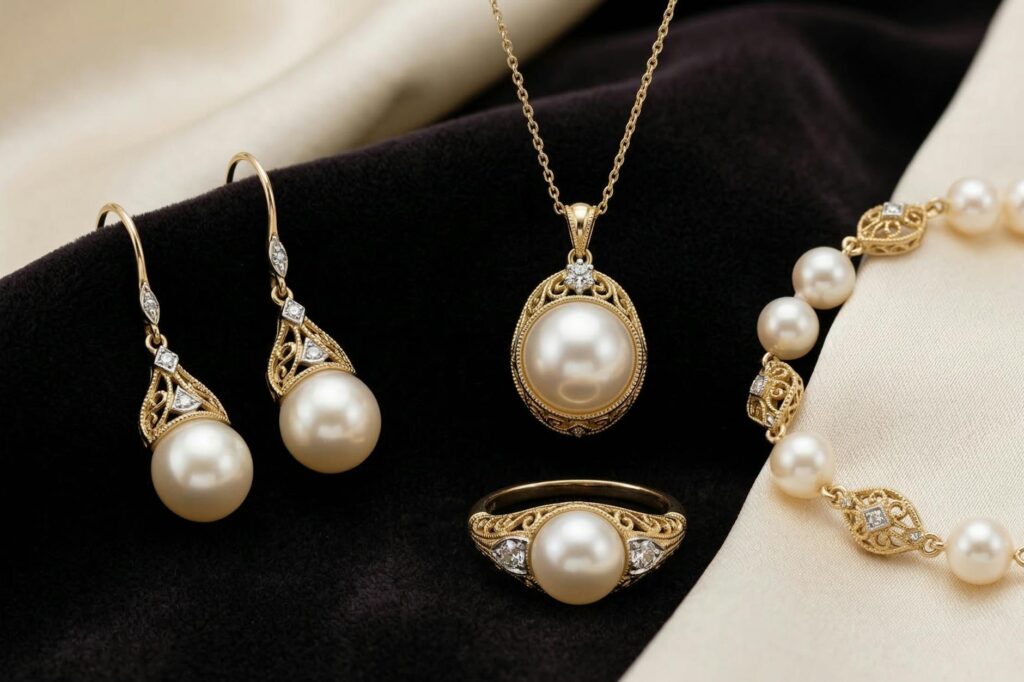
This guide covers everything about Pearl Jewellery: Timeless Elegance That Transforms Every Look. Pearl jewellery embodies timeless elegance, offering a unique allure that transforms any look with its refined charm and natural glow. As of April 17, 2026, pearls continue to be a staple in luxury wardrobes and a coveted addition for those seeking enduring style. This complete guide explores pearls’ origin, types, styling tips, care methods, and long-term appeal, ensuring you make informed decisions when enhancing your collection with these classic gems.
Last updated: April 18, 2026
Latest Update (April 2026)
The enduring appeal of pearls remains strong in 2026, with recent reports highlighting their continued presence in fashion and art. Vogue, in its February 2026 issue, included pearl jewellery in its list of 10 essential jewelry pieces every wardrobe needs, underscoring their versatility and lasting value. and, a recent article from Artsy on March 8, 2026, showcased a piece titled “Timeless Elegance of Pearls,” a pearl painting that pays homage to classic artistry and luxury still life, demonstrating how pearls continue to inspire creative expression and are associated with high-end aesthetics. As reported by A Plus Me on March 30, 2026, trendy pearl jewelry sets, including necklaces, earrings, and bracelets, are readily available, catering to a contemporary demand for these classic adornments.
What Makes Pearl Jewellery Timeless?
Pearls have captivated admirers for centuries with their natural beauty and enduring appeal. Their gentle luster suits every skin tone, transitioning effortlessly from traditional to modern styles, making them a versatile choice for any occasion. Unlike trend-driven accessories that quickly fall out of fashion, pearls remain a consistent symbol of grace, purity, and sophistication. History has seen them adored by royalty, from Cleopatra to Queen Elizabeth II, and today they continue to adorn fashion runways worldwide, appearing in collections from established luxury houses to emerging designers.
How Do Pearls Form?
Pearls form when an irritant, such as a parasite or a piece of shell, enters the soft tissue of a mollusk, typically an oyster or mussel. In response to this intrusion, the mollusk begins to secrete layers of a crystalline substance called nacre, coating the irritant. This process, repeated over time, builds up the lustrous layers that eventually form a pearl. The biological process, whether natural or cultured, ensures every pearl’s uniqueness, reflecting the distinct conditions under which it grew. Cultured pearls — which are guided by human expertise, now dominate the market, offering a more sustainable and consistent supply compared to natural pearls — which remain rare and exceptionally valuable treasures.
Natural vs. Cultured Pearls
The distinction between natural and cultured pearls is significant. Natural pearls are formed entirely by chance in the wild, with no human intervention. Their rarity makes them highly sought after and valuable. Cultured pearls, But — are the result of a meticulous process where jewelers intentionally introduce a bead nucleus or tissue into the mollusk, stimulating nacre secretion. This method, pioneered in the early 20th century by figures like Mikimoto Kōkichi, allows for greater control over size, shape, and color, making pearl jewellery more accessible. According to industry reports from 2026, the majority of pearls available today are cultured, with advancements in technology ensuring high quality and ethical sourcing.
What Types of Pearls Should You Know?
different types of pearls available is Key for making confident buying choices. The primary distinctions lie in their origin (freshwater or saltwater) and formation (natural or cultured).
Freshwater Pearls
Cultivated primarily in mussels in lakes and rivers, freshwater pearls are known for their affordability, wide variety of shapes, and abundant availability. They often come in pastel shades like pink, lavender, and white, though other colors exist. While traditionally less lustrous than saltwater pearls, modern cultivation techniques have improved their quality. Freshwater pearls are an excellent choice for everyday wear and for creating diverse, trend-conscious designs. As noted by Vogue in February 2026, versatile pearl pieces are key wardrobe essentials.
Saltwater Pearls
These pearls are cultivated in oysters in marine environments and are generally considered more valuable due to their higher luster, perfectly round shapes (though other shapes are also produced), and rarity. Major types of saltwater pearls include:
- Akoya Pearls: Traditionally known for their near-perfect roundness and high luster, Akoya pearls are cultivated in Japan and China. they’re often seen in classic pearl strands and stud earrings.
- South Sea Pearls: Harvested from the waters of Australia, the Philippines, and Indonesia, these are the largest and rarest pearls, known for their silvery-white, champagne, and deep gold hues. They command premium prices.
- Tahitian Pearls: Originating from French Polynesia, Tahitian pearls are famous for their exotic, dark body colors, ranging from black to deep green, blue, and violet, often with iridescent overtones known as ‘orient’.
Saltwater pearls are often chosen for more formal occasions and statement pieces due to their exceptional quality and higher price point.
Natural Pearls
Natural pearls are exceptionally rare, forming without human intervention. Finding a perfectly spherical, high-luster natural pearl is a remarkable event. they’re typically found in older jewellery pieces or are in the hands of dedicated collectors. Their value is immense, often exceeding that of cultured pearls of similar size and appearance.
Why Is Pearl Jewellery a Wise Investment?
Investing in pearls means acquiring not just beautiful adornments but also pieces with lasting value and symbolic meaning. Pearls symbolize wisdom, integrity, and emotional balance, making them deeply personal accessories. Their classic appeal ensures they never truly go out of style. Pearl jewellery gracefully complements other metals and gemstones, enhancing designs without losing its inherent identity. As observed in the art world, with pieces like the “Timeless Elegance of Pearls” painting highlighted by Artsy on March 8, 2026, pearls continue to represent luxury and classic beauty.
The demand for pearls remains consistently high in the global jewellery market, underscoring their status as a wise choice for those seeking meaningful elegance and tangible assets. According to market analyses in early 2026, the demand for high-quality, ethically sourced pearls continues to grow, driven by both traditional buyers and a new generation appreciating their sustainable origins and unique beauty.
How to Choose Quality Pearls
Selecting quality pearls involves carefully examining several key characteristics. While perfection is rare, understanding these factors will help you identify pearls that offer the best value and aesthetic appeal.
Luster
Luster refers to the shine and glow of the pearl’s surface. High-quality pearls exhibit a bright, sharp reflection of light. A deep, rich luster indicates that the nacre layers are thick and well-formed. Poor luster results in a dull or chalky appearance.
Surface Quality
Pearls are organic gems, and minor surface imperfections are normal. However, the fewer blemishes, such as spots, pits, or scratches, the higher the quality. Experts recommend pearls with at least 90% clean surfaces for fine jewellery.
Shape
The most traditionally prized shape is perfectly round, as achieving this requires significant nacre buildup and consistency. However, other shapes like oval, drop, button, and baroque pearls also have their unique charm and can be more affordable. Unique shapes, especially baroque pearls, are increasingly popular for avant-garde designs, as reported by fashion outlets in early 2026.
Size
Pearl size is measured in millimeters. Larger pearls are rarer and thus more valuable, assuming other quality factors are equal. Common sizes for Akoya pearls range from 6-9mm, while South Sea and Tahitian pearls can range from 9mm up to 20mm or more.
Color
Pearl colors are diverse and include white, cream, pink, silver, black, gold, and more. The ‘best’ color is subjective and depends on personal preference and skin tone. However, for specific pearl types, certain colors are more valuable (e.g., deep gold for South Sea pearls, black for Tahitian pearls).
How Should You Care for Your Pearls?
Proper care is essential to preserve the beauty and longevity of your pearl jewellery. Pearls are relatively soft and can be damaged by chemicals and friction. Following these care methods will help maintain their natural glow and investment value.
Protection from Chemicals
Always apply perfumes, hairsprays, and cosmetics before putting on your pearl jewellery. Chemicals found in these products can dull the nacre and damage the pearl’s surface over time. Avoid exposing pearls to household cleaners, chlorine, and acidic substances.
Cleaning
Clean your pearls regularly with a soft, damp cloth after each wear. For more thorough cleaning, use a mild soap solution with lukewarm water and a very soft brush, then rinse thoroughly with a clean damp cloth. Never use abrasive cleaners or ultrasonic jewellery cleaners, as these can damage the nacre and irritants within cultured pearls.
Storage
Store your pearl jewellery separately from other jewellery, especially harder gemstones and metals, to prevent scratching. Keep them in a soft pouch or a lined jewellery box. Avoid storing pearls in plastic bags, as this can dry them out.
Wearing Pearls
Pearls benefit from natural moisture from the skin. Wearing your pearl jewellery regularly helps maintain their luster. Avoid wearing pearls during strenuous activities, swimming, or in saunas, as excessive heat and moisture can be detrimental.
Frequently Asked Questions
Why are pearls considered timeless?
Pearls possess a natural, organic elegance and a gentle luster that transcends fleeting fashion trends. Their association with classic beauty, purity, and sophistication has made them a symbol of enduring style for centuries, appealing across generations. As highlighted by their continued presence in fashion essentials, like those noted by Vogue in February 2026, pearls maintain their status as a timeless choice.
What’s the difference between natural and cultured pearls?
Natural pearls form entirely by chance in mollusks without human intervention, making them extremely rare and valuable. Cultured pearls are formed when a nucleus (bead or tissue) is intentionally inserted into a mollusk by humans, stimulating nacre secretion. This process allows for more consistent quality and availability, making cultured pearls the dominant type in today’s market.
How do pearls enhance different outfits?
Pearls offer remarkable versatility. A simple string of pearls can elevate a basic t-shirt and jeans, adding a touch of sophistication. For formal occasions, pearl necklaces, earrings, and bracelets can provide a polished finish to evening gowns or tailored suits. Their subtle glow complements a lots of colors and styles, from classic elegance to modern chic.
Can pearls be worn every day?
Yes, especially freshwater pearls and well-made cultured pearls, are durable enough for daily wear. They add a touch of refinement to casual outfits and are a suitable choice for professional settings. However, it’s advisable to remove them during activities that could expose them to harsh chemicals or physical damage, as detailed in the care section.
What are essential care tips for pearls?
Essential care includes avoiding contact with chemicals like perfumes and hairspray, cleaning gently with a damp cloth after each wear, storing them separately to prevent scratches, and wearing them regularly to maintain their natural moisture. Never use harsh cleaners or ultrasonic devices.
Are pearl prices expected to change in 2026?
While predicting exact market fluctuations is difficult, industry reports from early 2026 suggest that high-quality pearls, especially South Sea and Tahitian varieties, are likely to maintain or increase in value due to their rarity and consistent demand. Ethical sourcing and sustainability are also becoming increasingly important factors influencing consumer choices and market trends.
Conclusion
Pearl jewellery remains an unparalleled choice for those seeking timeless elegance and enduring value in 2026. From their fascinating natural formation to the diverse array of types and styles available, pearls offer a unique blend of beauty, history, and sophistication. By understanding their origins, choosing quality pieces wisely, and adhering to proper care methods, you can ensure that your pearl collection remains a cherished heirloom for generations to come, transforming your look with their classic, refined charm.
Source: Nature
Related Articles
- Mechanical vs Quartz Watches: 2026 Investment Insights
- Online Jewelry Stores vs. Local Jewelers: Pros and Cons for 2026
- The Timeless Elegance of Gold Chains: A Fashion Essential in 2026
Editorial Note: This article was researched and written by the Wilton Jewelers editorial team. We fact-check our content and update it regularly. For questions or corrections, contact us.