
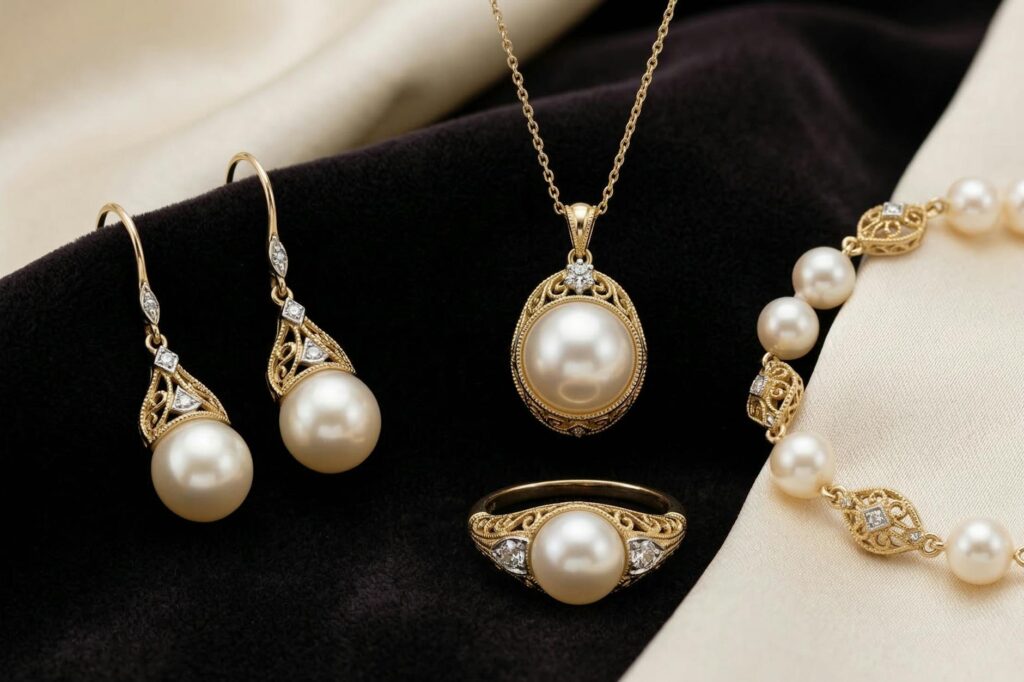
This guide covers everything about Pearl Ring Elegance: A Timeless Symbol of Beauty and Grace. Pearl ring elegance is a timeless testament to beauty and grace. These coveted pieces, cherished for centuries, continue to symbolize sophistication and refined taste. However, to ensure your pearl ring maintains its radiant appeal and intrinsic value, it’s essential to understand and avoid common missteps in their selection, care, and appreciation. This updated guide from April 17, 2026, digs into the nuances of pearl rings, offering expert insights to help you make informed decisions and preserve their enduring charm.
Latest Update (April 2026)
As of early 2026, the pearl market continues to see a strong demand for high-quality, sustainably sourced pearls. Independent gemological reports indicate a growing consumer interest in unique pearl shapes and natural color variations, moving beyond traditional white and cream. and, advancements in pearl cultivation techniques are leading to larger, more perfectly spherical freshwater pearls, making them increasingly competitive with their saltwater counterparts in terms of aesthetic appeal and value. As reported by industry analysts, the trend towards personalized jewelry also means that pearl rings featuring bespoke settings and unique pearl combinations are gaining traction among discerning buyers.
Common Mistakes When Choosing Pearl Rings
Many prospective buyers overlook critical factors when selecting a pearl ring, leading to potential regrets. These oversights often involve a lack of understanding regarding pearl type, quality grading, and appropriate sizing for the wearer’s finger and the ring’s design. Making a hasty purchase based solely on initial visual appeal, without due diligence, can result in acquiring a piece that doesn’t meet expectations in terms of durability, luster, or long-term beauty. it’s really important to consider the interplay between the pearl’s characteristics and the ring’s overall design to ensure a harmonious and satisfying acquisition.
How Pearl Types Affect Elegance
The inherent elegance of a pearl ring is influenced by the type of pearl used. Saltwater pearls, such as Akoya, South Sea, and Tahitian pearls, are traditionally associated with higher luster, smoother surfaces, and more spherical shapes, often commanding higher prices and lending themselves to more formal, luxurious designs. South Sea pearls, in particular, are prized for their large size and rich, satiny luster, often in white, silver, or gold hues. Tahitian pearls are celebrated for their exotic, dark overtones, ranging from deep green to black, offering a dramatic and contemporary elegance. Freshwater pearls, But — are cultivated in mussels and offer a vast array of colors, shapes, and sizes, often at more accessible price points. While historically considered less lustrous, modern freshwater pearl farming has produced exceptional specimens with remarkable luster and near-perfect spheres, providing incredible versatility for a lots of styles, from minimalist bands to elaborate settings. Understanding these distinctions is key to appreciating the unique elegance each pearl type brings.
Evaluating Pearl Quality: What Matters Most?
Assessing the quality of a pearl is fundamental to its value and aesthetic appeal. Several key factors contribute to a pearl’s overall quality and, So, the elegance of the ring it adorns. According to the Gemological Institute of America (GIA), the primary quality indicators include luster, surface quality, shape, color, and size. Luster, the amount and sharpness of light reflected from the pearl’s surface, is arguably the most important factor, as it signifies the pearl’s intrinsic vitality and depth. A pearl with high luster appears bright and reflective, almost glowing from within. Surface quality refers to the presence and prominence of blemishes or imperfections on the pearl’s surface. while perfectly flawless pearls are rare and highly valuable, minor surface characteristics are acceptable if they don’t detract from the overall beauty. Shape can range from perfectly round (most valuable for most types) to Baroque (unique, irregular shapes). Color is subjective and depends on personal preference and current fashion trends, with overtones adding complexity and depth. Size, measured in millimeters, also plays a role in value, with larger pearls generally being more expensive, assuming other quality factors are equal. Experts emphasize that a combination of these factors, especially exceptional luster and a clean surface, defines a truly elegant pearl.
Which Pearl Ring Styles Enhance Timeless Beauty?
The setting and style of a pearl ring play a significant role in enhancing its inherent beauty and timeless appeal. Classic styles like the solitaire — where a single, prominent pearl takes center stage, are perennially popular for their understated elegance. A halo setting — which encircles the pearl with smaller accent stones (often diamonds or smaller pearls), amplifies the central gem’s brilliance and creates a larger visual impact. Vintage-inspired designs, featuring intricate metalwork, filigree details, or milgrain edging, evoke a sense of history and romance, perfectly complementing the classic allure of pearls. The choice of metal also impacts the ring’s aesthetic: yellow gold offers warmth and tradition, white gold or platinum provides a cool, modern contrast, and rose gold adds a romantic, contemporary touch. As noted in recent jewelry trend reports, designers are increasingly experimenting with asymmetrical settings and mixed-metal designs to offer modern interpretations of classic pearl ring aesthetics.
Pearl Care: Prolonging Their Beauty
Proper care is essential to maintain the lustrous beauty and longevity of any pearl ring. Pearls are organic gems, softer and more porous than many other gemstones, making them susceptible to damage from chemicals, abrasion, and dehydration. To preserve their glow, it’s Key to store pearls separately from other jewelry to prevent scratching. a soft pouch or a lined jewelry box is ideal. Clean pearls regularly with a soft, slightly damp cloth after wearing them to remove any residue from cosmetics, perfumes, or skin oils. Avoid exposing pearls to harsh chemicals, including household cleaners, hairspray, and perfumes, as these substances can erode their nacre and dull their luster. it’s advisable to apply beauty products and fragrances before putting on your pearl rings. For ultrasonic or steam cleaning, it’s best to consult a professional jeweler, as these methods can be too harsh for pearls. By following these simple yet effective care practices, you can ensure your pearl ring remains a radiant heirloom for generations.
Assessing Pearl Rings for Investment Potential
While most pearl rings are purchased for their aesthetic and sentimental value, some possess qualities that make them potential investments. The investment potential of a pearl ring hinges on several factors, including the rarity and quality of the pearls themselves, the craftsmanship of the setting, and the historical significance or provenance of the piece. Exceptional pearls—large, perfectly round, with intense, uniform luster and minimal surface imperfections—are the most likely to appreciate in value. Certain types of pearls, like natural color South Sea pearls or exceptionally rare, natural Akoya pearls, may also hold significant investment potential. and, rings from renowned jewelry houses or those designed by celebrated artists, especially vintage pieces with unique designs and exceptional materials, can increase in market value over time. For those considering a pearl ring as an investment, consulting with a qualified gemologist or a reputable dealer specializing in fine pearls is highly recommended. They can provide accurate assessments of authenticity, quality, and potential market appreciation. As industry experts noted in a recent appraisal seminar, classic designs from esteemed historical periods often retain or increase their market value due to their enduring appeal and rarity.
New Developments in Pearl Jewelry (April 2026)
The world of pearl jewelry is continually evolving, with new trends and innovations emerging regularly. In early 2026, there’s a notable resurgence in the popularity of colored pearls, especially the natural hues of Tahitian and freshwater varieties. As Grazia Magazine recently highlighted the use of exquisite Chaumet Josephine treasures, it highlights the enduring appeal of pearls in high-fashion and celebrity circles, influencing mainstream trends. This suggests a growing appreciation for the diverse palette pearls offer beyond traditional white and cream. plus, technological advancements in pearl cultivation, especially in freshwater farming, are yielding pearls with unprecedented size and luster, making them more accessible and desirable. Designers are also exploring innovative settings that showcase the unique organic shapes of Baroque pearls, transforming them into statement pieces that blend modern artistry with natural beauty. The emphasis on ethical sourcing and sustainability in the jewelry industry is also driving demand for pearls from responsible farms, a trend that’s expected to continue growing throughout 2026.
Frequently Asked Questions
Are pearl rings suitable for daily wear?
Pearl rings can be suitable for daily wear, but with careful consideration and proper care. Because pearls are softer and more delicate than diamonds or sapphires, they’re more susceptible to scratches, chips, and damage from everyday activities and chemical exposure. If you choose to wear your pearl ring daily, opt for a durable setting that protects the pearl, and be mindful of activities that could put the ring at risk. it’s often recommended to reserve daily wear for more solid pearl types or to remove the ring during strenuous activities, manual labor, or when using cleaning products. Proper storage when not in use is also critical to prevent damage.
Why choose pearls over diamonds?
Pearls offer a distinct kind of elegance and beauty that differs from diamonds. While diamonds are known for their brilliant sparkle and hardness, pearls possess a softer, warmer glow and a unique, organic allure. Their beauty lies in their natural formation, subtle overtones, and often imperfect, unique shapes. For many, pearls represent a more classic, feminine, and understated form of luxury. They can also be a more meaningful choice for certain occasions or personal styles, offering a unique narrative of natural wonder and refined grace that diamonds, with their uniform brilliance, don’t always capture.
How do I maintain the luster of pearls?
Maintaining the luster of pearls involves consistent, gentle care. Regularly clean your pearls with a soft, slightly damp cloth after each wear to remove skin oils, makeup, and perfumes that can accumulate and dull their shine. Avoid using any harsh chemicals, abrasive cleaners, or ultrasonic jewelry cleaners, as these can damage the nacre. Store your pearl jewelry separately from other pieces to prevent scratching, ideally in a soft pouch or a lined jewelry box. Keeping pearls hydrated by wearing them regularly also helps maintain their luster, as prolonged dryness can cause them to become brittle over time.
Can I size pearl rings easily?
Resizing a pearl ring can be more challenging than resizing a ring with only metal or diamonds, depending on the setting. If the pearl is set in a bezel or a prong setting where it can be temporarily removed, resizing might be straightforward. However, if the pearl is glued onto the band or if the design is intricate, resizing can be difficult and may require specialized techniques to avoid damaging the pearl or the setting. it’s always best to ensure you have the correct ring size before purchasing to avoid the complexities and potential risks associated with resizing. Consulting with an experienced jeweler is essential to assess the feasibility and potential impact of resizing on your specific pearl ring.
What should I avoid when wearing or storing pearls?
When wearing pearls, you should avoid direct contact with chemical pollutants such as perfumes, hairsprays, lotions, and cleaning agents, as these can damage the nacre and diminish their luster. It’s advisable to put on pearl jewelry after applying cosmetics and fragrances. For storage, avoid keeping pearls in direct sunlight or extreme heat — which can cause them to dry out and crack. Also, don’t store them in plastic bags for extended periods, as the plastic can emit chemicals that damage the nacre. Storing pearls separately from other jewelry is important to prevent scratches.
Conclusion
Pearl rings remain an enduring symbol of elegance, grace, and timeless beauty. By various types of pearls, meticulously evaluating their quality, selecting appropriate styles, and adhering to diligent care practices, you can ensure your pearl ring retains its magnificent allure for a lifetime and beyond. Avoiding common pitfalls in selection and maintenance won’t only protect your investment but also preserve the sentimental value of these exquisite organic gems. As the jewelry landscape evolves in 2026, the classic appeal of the pearl ring continues to shine, offering a unique blend of natural wonder and sophisticated charm.
Source: Britannica
Related Articles
- Tennis Bracelet Diamond: Timeless Luxury Redefined in 2026
- How to Clean Diamonds at Home for Lasting Sparkle (2026 Guide)
- Unique Jewelry Gifts for Your Girlfriend in 2026
Editorial Note: This article was researched and written by the Wilton Jewelers editorial team. We fact-check our content and update it regularly. For questions or corrections, contact us.